
Alaska, the last frontier of the United States, is a land of unparalleled natural beauty and a vibrant ecosystem. At the heart of this wild grandeur lies one of nature’s most awe-inspiring phenomena: the annual salmon run. Each year, millions of Pacific salmon, having spent years maturing in the vast expanse of the Pacific Ocean, return to the freshwater streams and rivers of their birth to spawn, continuing a cycle that has sustained life in this region for millennia. This incredible journey is not only vital for the Alaskan ecosystem, providing food for bears, eagles, and numerous other species, but it also creates an unparalleled spectacle for travelers and a cornerstone for local tourism. Understanding when and where these magnificent fish undertake their epic migration is key to planning an unforgettable Alaskan adventure, whether your interest lies in world-class fishing, wildlife photography, or simply witnessing nature’s raw power.
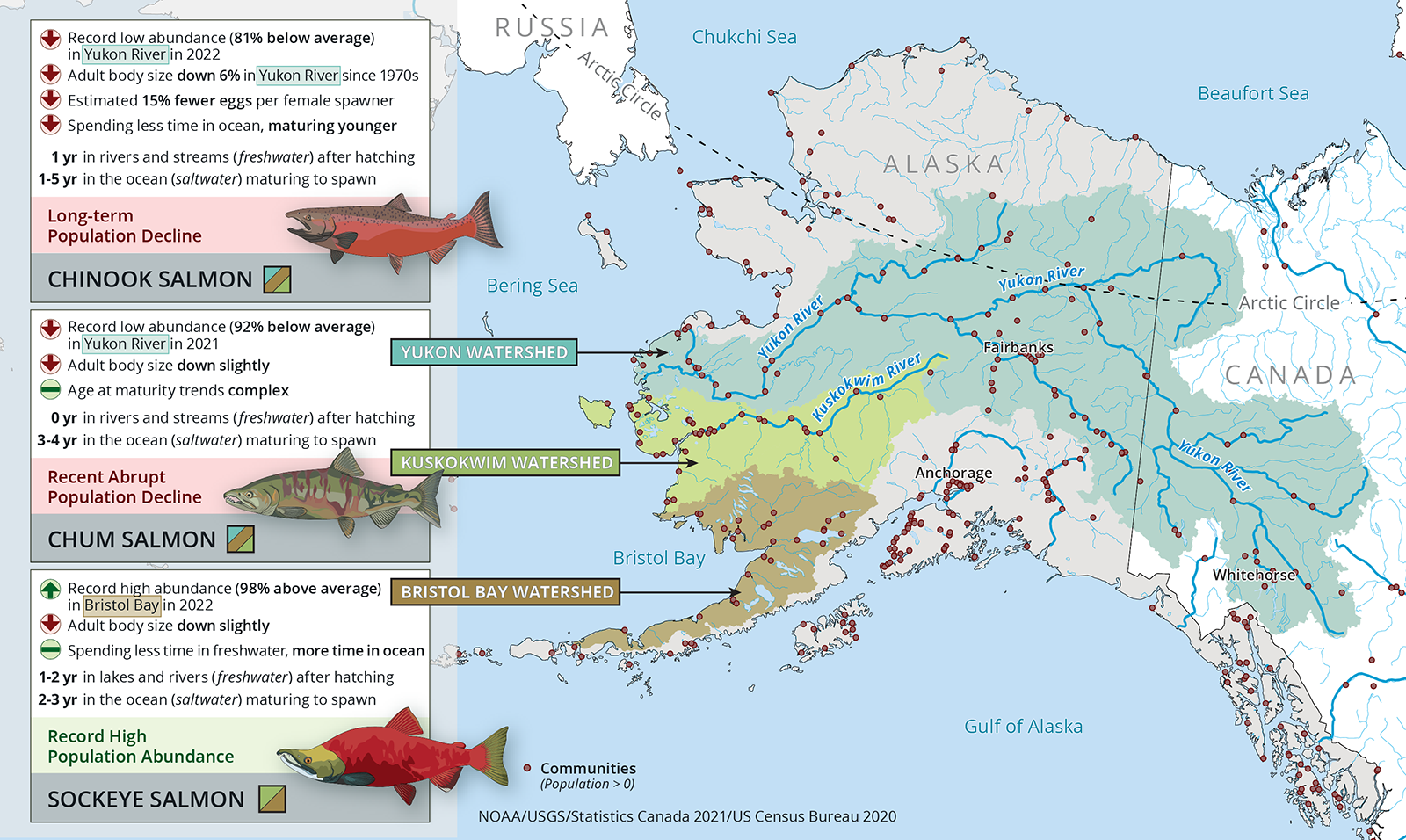
The salmon run in Alaska is more than just an ecological event; it’s a cultural touchstone, a culinary highlight, and a magnet for travelers seeking authentic experiences. From the bustling fishing ports of Ketchikan to the remote wilderness lodges of Bristol Bay, the anticipation of the salmon’s return defines the Alaskan summer. This guide will delve into the intricacies of salmon spawning seasons, highlight prime viewing locations, offer insights into travel planning, and provide a comprehensive look at how to make the most of your trip to witness this extraordinary natural wonder.
The Annual Salmon Run: A Natural Spectacle and Tourist Highlight
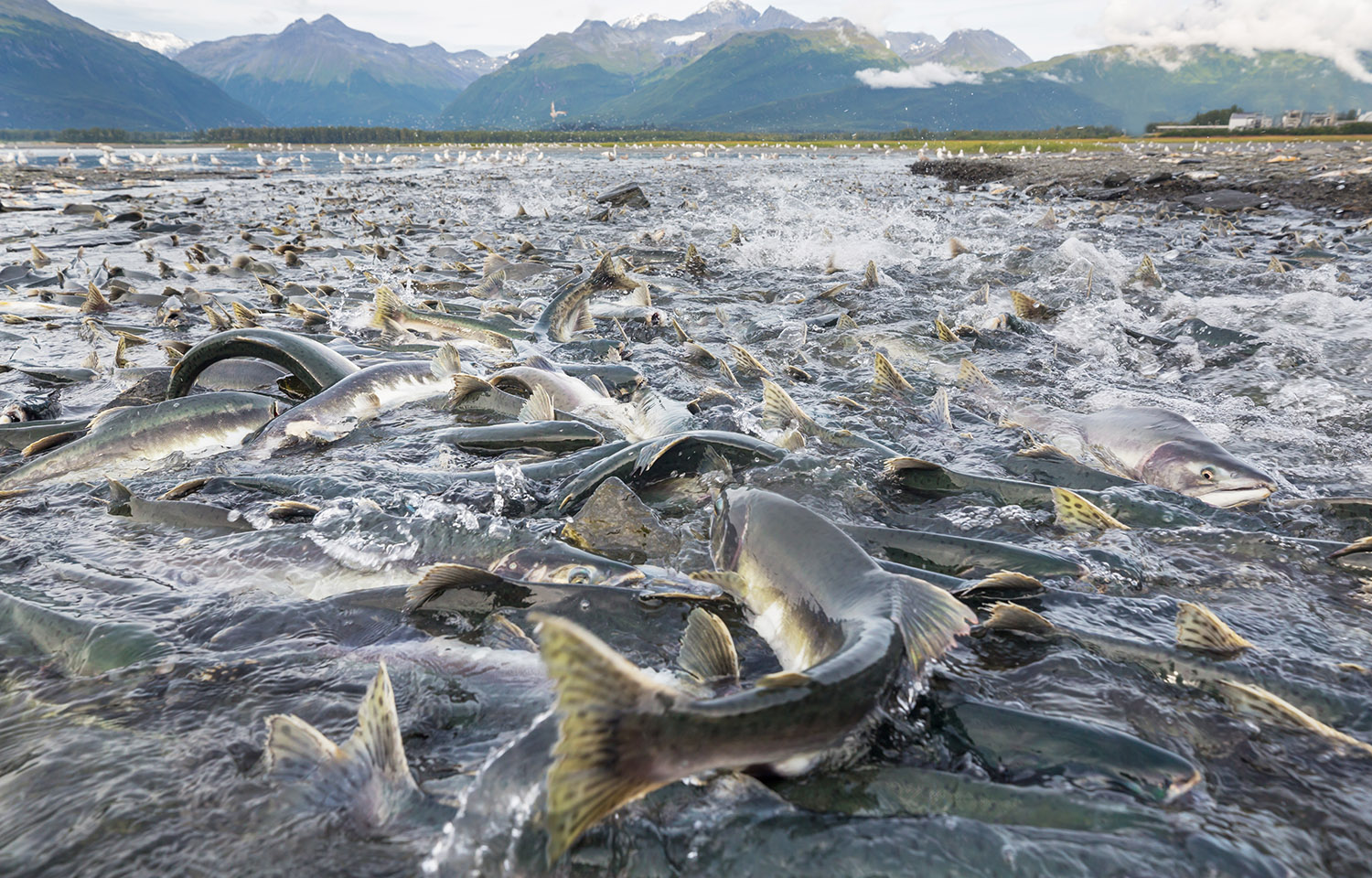
The salmon run is a truly remarkable event that transforms Alaska’s rivers and streams into a pulsating highway of life. As these fish fight their way upstream, driven by an instinctual imperative to reproduce, they become a vital food source for a myriad of Alaskan wildlife, most famously the grizzly and black bears, which gather along riverbanks to feast. For tourists, it’s an unparalleled opportunity to witness wildlife interactions in their natural habitat, often from safe viewing platforms or guided tours. Beyond the wildlife, the sheer volume of salmon returning is a sight to behold, painting the waterways in shades of red, silver, and pink.
Understanding Alaska’s Five Salmon Species and Their Spawning Seasons
Alaska is home to five distinct species of Pacific salmon, each with its own unique characteristics, preferred habitats, and, crucially for travelers, specific spawning windows. Knowing these timelines is essential for targeting your visit to see a particular species or maximize your chances of witnessing the phenomenon.
- King Salmon (Chinook Salmon): The largest and most coveted of the Pacific salmon, King salmon are renowned for their size and fighting spirit. They typically begin their upstream migration earliest, starting in late May and continuing through July. Their numbers peak in mid-June to early July in many rivers. Famous for their rich, fatty flesh, Kings are a prime target for sport fishermen. Major rivers like the Kenai River and Susitna River are prime destinations for King salmon fishing and viewing.
- Sockeye Salmon (Red Salmon): Known for their striking red bodies as they near spawning, Sockeye salmon are incredibly abundant, particularly in systems connected to lakes. Their run usually begins in June, with peak numbers often seen from late June through July. The Russian River and the Kenai River on the Kenai Peninsula are legendary for their Sockeye runs, drawing thousands of anglers and wildlife enthusiasts. Bristol Bay hosts the largest Sockeye run in the world, a truly mind-boggling spectacle.
- Pink Salmon (Humpy Salmon): These are the smallest and most numerous of the Alaskan salmon, easily identifiable by the distinct humped back males develop during spawning. Pink salmon typically have a two-year life cycle, leading to “on” and “off” years for their populations, though they are always present. Their run usually starts in July and peaks in August, often extending into early September. They spawn in rivers and streams closer to the coast, making them accessible in many coastal communities like Homer, Seward, and Valdez.
- Chum Salmon (Dog Salmon): Chum salmon are known for their distinct barred markings and sharp “dog-like” teeth during spawning. They are highly adaptable and can be found in a wide range of rivers. Their spawning season generally overlaps with Pink salmon, running from July through August, with some lingering into September. The Yukon River and Copper River are notable for their Chum runs, which are important for both commercial and subsistence fishing.
- Coho Salmon (Silver Salmon): Often considered the most acrobatic and aggressive fighters by anglers, Coho salmon are a thrilling catch. Their run typically begins in August and can last well into September and even early October, making them the last major salmon run of the season. This late timing makes them popular for autumn trips, allowing travelers to combine salmon viewing with vibrant fall foliage. Coastal rivers and streams throughout Southeast Alaska and the Kenai Peninsula are excellent spots for Coho.
Best Times for Witnessing the Salmon Run
While each species has its specific timing, the overall salmon run season in Alaska spans from late May to early October. However, the peak viewing and fishing opportunities typically occur from late June through August. This period offers the best chance to see multiple species, abundant wildlife, and generally favorable weather conditions for travel and outdoor activities.
- June: Ideal for early King and Sockeye runs, particularly in Southcentral Alaska rivers like the Kenai River.
- July: The absolute busiest month, with peak Sockeye numbers and the beginning of Pink and Chum runs. Prime time for bear viewing at locations like Brooks Falls in Katmai National Park and Preserve.
- August: Excellent for Pink, Chum, and the start of Coho runs. The wildlife viewing remains spectacular, and fishing for Silvers is popular.
- September: Best for late Coho runs and a quieter, more serene Alaskan experience with fewer crowds and stunning fall colors.
Planning Your Alaskan Salmon Adventure
Embarking on an Alaskan salmon adventure requires careful planning to ensure a memorable and comfortable experience. From selecting the right location to choosing suitable accommodation and packing appropriately, every detail contributes to the success of your trip.
Prime Locations for Salmon Viewing and Fishing
Alaska boasts countless rivers and streams where salmon spawn, but certain locations stand out for their accessibility, abundance of fish, and excellent viewing opportunities.
- Kenai Peninsula: Often called ” Alaska’s Playground,” this region, easily accessible from Anchorage, is world-renowned. The Kenai River is legendary for its massive King and Sockeye runs, drawing anglers from around the globe. Nearby, the Russian River offers fantastic Sockeye fishing. Towns like Soldotna, Cooper Landing, and Seward provide ample lodging and guide services.
- Katmai National Park and Preserve: Home to the iconic Brooks Falls, this remote park offers perhaps the most famous bear viewing in the world, as brown bears gather to feast on spawning Sockeye salmon. Access is typically by floatplane from King Salmon or Anchorage. Accommodation at Brooks Camp or nearby lodges needs to be booked far in advance.
- Bristol Bay Region: While less accessible for casual tourists, Bristol Bay is home to the largest Sockeye salmon run globally. It’s a prime destination for serious anglers seeking fly-in fishing lodges and unparalleled solitude.
- Southeast Alaska: The “Inside Passage” region, including cities like Juneau, Sitka, and Ketchikan, offers numerous smaller rivers and streams teeming with Pink, Chum, and Coho salmon. Cruise ship passengers often find excellent opportunities for guided fishing excursions or shore-based viewing in these areas.
Accommodation Options for Every Traveler
Alaska’s diverse landscape is matched by its range of accommodation options, catering to every travel style and budget.
- Luxury Lodges and Resorts: For those seeking an upscale experience, Alaska offers world-class wilderness lodges, often accessible only by floatplane. These resorts provide all-inclusive packages that typically include gourmet dining, guided fishing, wildlife tours, and luxurious amenities. Examples might include remote lodges in Bristol Bay or near Denali National Park. These often require booking many months, sometimes even a year, in advance, especially during peak salmon season.
- Hotels and Suites: Major cities like Anchorage, Fairbanks, and Juneau, as well as popular tourist towns such as Seward, Homer, and Girdwood, offer a wide array of hotels, from budget-friendly chains to boutique establishments. Many provide comfortable suites perfect for families or longer stays, often with amenities like breakfast, fitness centers, and easy access to local attractions and tour operators.
- Cabins and Vacation Rentals: For a more independent and authentic Alaskan experience, renting a cabin or a vacation home (like those found on platforms similar to Airbnb) is an excellent choice. These offer flexibility, often include kitchen facilities, and can be found in scenic locations, from lakeside retreats to riverfront properties, allowing for a more immersive stay.
- Campgrounds: Budget travelers and adventure seekers will find numerous state and national park campgrounds throughout Alaska. While basic, they offer direct access to nature and are incredibly affordable. Reservations are recommended for popular sites during peak season.
When booking accommodation, always check recent reviews and compare options, paying attention to proximity to salmon viewing spots, transportation links, and included services. Many hotels and resorts will offer special packages during the salmon season, often bundling guided tours or fishing excursions.

Essential Gear and Tips for Responsible Tourism
To fully enjoy your Alaskan salmon adventure, come prepared. The weather can be unpredictable, and responsible tourism is crucial for preserving Alaska’s pristine environment.
- Clothing: Layering is key. Bring waterproof outer layers (jacket and pants), warm fleece or wool mid-layers, and moisture-wicking base layers. Sturdy, waterproof hiking boots are essential.
- Fishing Gear: If planning to fish, ensure you have an Alaska fishing license (available online or at local retailers), appropriate rods, reels, and tackle for salmon. Many lodges and guides provide gear, but confirm in advance.
- Wildlife Viewing: Bring binoculars or a spotting scope, and a good camera with a telephoto lens for capturing stunning wildlife moments safely.
- Bear Safety: When viewing salmon, you are in bear country. Carry bear spray, know how to use it, and understand bear safety protocols (make noise, keep food stored properly, never approach bears). Always give bears ample space, especially mothers with cubs. Many popular viewing sites have rangers or designated viewing areas for safety.
- Respect the Environment: Pack out everything you pack in. Follow all local regulations regarding fishing limits, waste disposal, and wildlife interactions. Support local businesses that practice sustainable tourism.
Beyond the Spawning Grounds: Exploring Alaska’s Wider Appeal
While the salmon run is a primary draw, Alaska offers a wealth of other attractions and experiences that can seamlessly integrate into your itinerary, making for a truly comprehensive travel experience.
Iconic Landmarks and Attractions to Complement Your Trip
Alaska’s grandeur extends far beyond its rivers. Incorporate visits to some of its famous landmarks and natural wonders.
- Denali National Park: Home to Mount Denali, North America’s highest peak, this park offers incredible wildlife viewing (moose, caribou, grizzly bears) and stunning scenic drives. Bus tours are the primary way to explore the park road.
- Kenai Fjords National Park: Take a boat tour from Seward to witness tidewater glaciers calving into the ocean, observe marine wildlife like whales, puffins, and sea otters, and explore rugged coastal landscapes.
- Glacier Bay National Park: A UNESCO World Heritage Site, this park in Southeast Alaska is best experienced via cruise ship or boat tour, offering unparalleled views of numerous glaciers and abundant marine life.
- Anchorage: Alaska’s largest city serves as a convenient hub, offering museums, cultural centers, diverse dining, and easy access to outdoor activities like hiking and biking on the Tony Knowles Coastal Trail.
- Juneau: The state capital, accessible only by air or sea, is nestled amidst mountains and water. Visit the majestic Mendenhall Glacier, go whale watching, or explore historic Downtown Juneau.
Embracing Local Culture and Cuisine
The salmon’s significance in Alaska extends deeply into its culture and culinary traditions.
- Alaska Native Heritage: Explore the rich cultural heritage of Alaska Native peoples, for whom salmon has been a spiritual and dietary staple for thousands of years. Visit cultural centers like the Alaska Native Heritage Center in Anchorage or totem parks in Ketchikan and Sitka.
- Culinary Delights: No trip to Alaska is complete without indulging in fresh salmon. Enjoy it grilled, smoked, baked, or in a chowder. Beyond salmon, savor other local seafood like halibut, crab, and scallops. Many restaurants feature “tide-to-table” dining experiences.
- Local Festivals: During the summer months, many Alaskan communities host festivals celebrating their unique heritage and natural resources. Check local calendars for events like the Salmonfest in Ninilchik or various fishing derbies.
Maximizing Your Alaskan Experience: Travel Styles and Itineraries
Alaska caters to a spectrum of travel preferences, from lavish escapades to rugged, budget-conscious adventures. Tailoring your trip to your lifestyle ensures maximum enjoyment and a truly personalized journey.
Luxury vs. Budget Travel: Crafting Your Perfect Getaway
Your approach to an Alaskan salmon trip can vary significantly based on your desired level of luxury and budget.
- Luxury Travel: A luxury trip might involve staying at exclusive fly-in fishing lodges, where private guides cater to every need, ensuring prime fishing spots and gourmet meals. Helicopter tours over glaciers, private yacht charters for marine wildlife viewing, and stays in high-end resorts with spa amenities are also part of the luxury Alaska experience. These trips are often all-inclusive, handling logistics, gear, and transportation, allowing you to immerse yourself fully without a single worry. Consider boutique hotels in cities like Anchorage or Juneau that offer personalized concierge services to arrange bespoke adventures.
- Budget Travel: Experiencing Alaska on a budget is entirely feasible and rewarding. Opt for camping or staying in hostels/guesthouses in towns like Homer or Seward. Instead of guided fishing tours, rent a car and try your hand at shore fishing (with a license, of course) at public access points. Utilize ferries for scenic and economical travel between coastal communities in Southeast Alaska. Pack your own food for picnics, and take advantage of free activities like hiking public trails or visiting local markets. Self-guided adventures, while requiring more research, offer immense freedom and cost savings.
Family-Friendly Adventures and Solo Expeditions
Alaska is an ideal destination for various group dynamics, offering unique advantages for families and solo travelers alike.
- Family Trips: An Alaskan salmon adventure is an incredible educational and bonding experience for families. Children will be captivated by the sight of bears fishing, eagles soaring, and salmon jumping. Many lodges and tour operators offer family-friendly packages, including shorter fishing excursions, interpretive nature walks, and wildlife cruises designed to engage all ages. Consider renting a cabin or a large vacation rental for comfortable family accommodation, allowing for shared meals and relaxation after a day of exploration. Some resorts even offer kids’ clubs or specific activities tailored to younger guests.
- Solo Expeditions: For the solo traveler, Alaska offers a profound sense of independence and self-discovery. Join small group tours for bear viewing or fishing to meet like-minded adventurers, or embark on a self-drive itinerary, relishing the solitude of the open road and the vast wilderness. Hostels and guesthouses provide excellent opportunities to connect with other travelers, share stories, and even split costs for excursions. Alaska’s welcoming nature and the abundance of outdoor activities make it a safe and fulfilling destination for those traveling alone.
Ultimately, whether you’re seeking a luxurious retreat, a rugged budget adventure, a memorable family vacation, or a transformative solo journey, the salmon run in Alaska provides a powerful focal point for your itinerary.
In conclusion, the question “When do salmon spawn in Alaska?” unlocks the door to a truly extraordinary travel experience. From the first King Salmon of late spring to the last Coho Salmon of autumn, Alaska’s rivers pulse with life, inviting travelers to witness one of nature’s greatest spectacles. By understanding the timing of each species, choosing prime viewing locations, and planning your trip with the diverse accommodation and activity options in mind, you can craft an unforgettable adventure. Whether you come for the world-class fishing, the incredible wildlife photography, or simply to immerse yourself in the raw beauty and rich culture of the last frontier, an Alaskan salmon journey promises memories that will last a lifetime. Begin planning your visit today and prepare to be amazed by the magic of Alaska’s annual salmon run.
LifeOutOfTheBox is a participant in the Amazon Services LLC Associates Program, an affiliate advertising program designed to provide a means for sites to earn advertising fees by advertising and linking to Amazon.com. Amazon, the Amazon logo, AmazonSupply, and the AmazonSupply logo are trademarks of Amazon.com, Inc. or its affiliates. As an Amazon Associate we earn affiliate commissions from qualifying purchases.