
For many, the question “When do schools in Texas start?” might seem straightforward, a mere academic detail. However, for travelers, families planning vacations, new residents, and even seasoned locals, these dates are far more significant, acting as an invisible hand that shapes everything from peak tourism seasons and hotel prices to the flow of daily life across the Lone Star State. Understanding the school calendar in Texas is not just about education; it’s a critical piece of information for anyone looking to navigate the state’s vibrant travel, tourism, and accommodation landscape with strategic foresight.
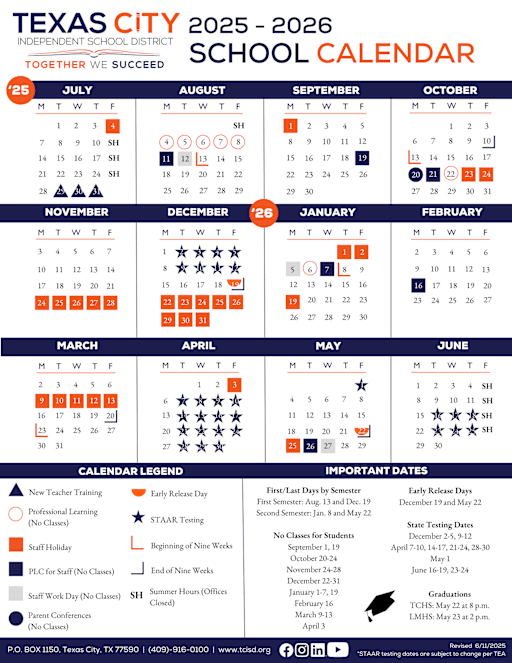
Texas schools generally kick off their academic year in mid-August, a pattern that profoundly impacts the rhythm of travel and leisure. This timing dictates when families are free to travel, when attractions see their biggest crowds, and when resorts and hotels adjust their pricing. For those seeking a quieter, more budget-friendly escape, or for families aiming to maximize their vacation time without clashing with school commitments, knowing these start dates—and the associated breaks—is paramount. This comprehensive guide will delve into the intricacies of Texas school schedules, exploring how they influence travel patterns, accommodation choices, and the overall lifestyle experience within this diverse state.
Understanding Texas School Calendars: A Traveler’s Perspective
The educational landscape in Texas is characterized by its decentralized nature, with over 1,200 independent school districts (ISDs) each setting their own specific academic calendars. While a general trend emerges, precise dates can vary significantly from one district to another, making local research essential for accurate planning.
The “August Rule” and Local Variations
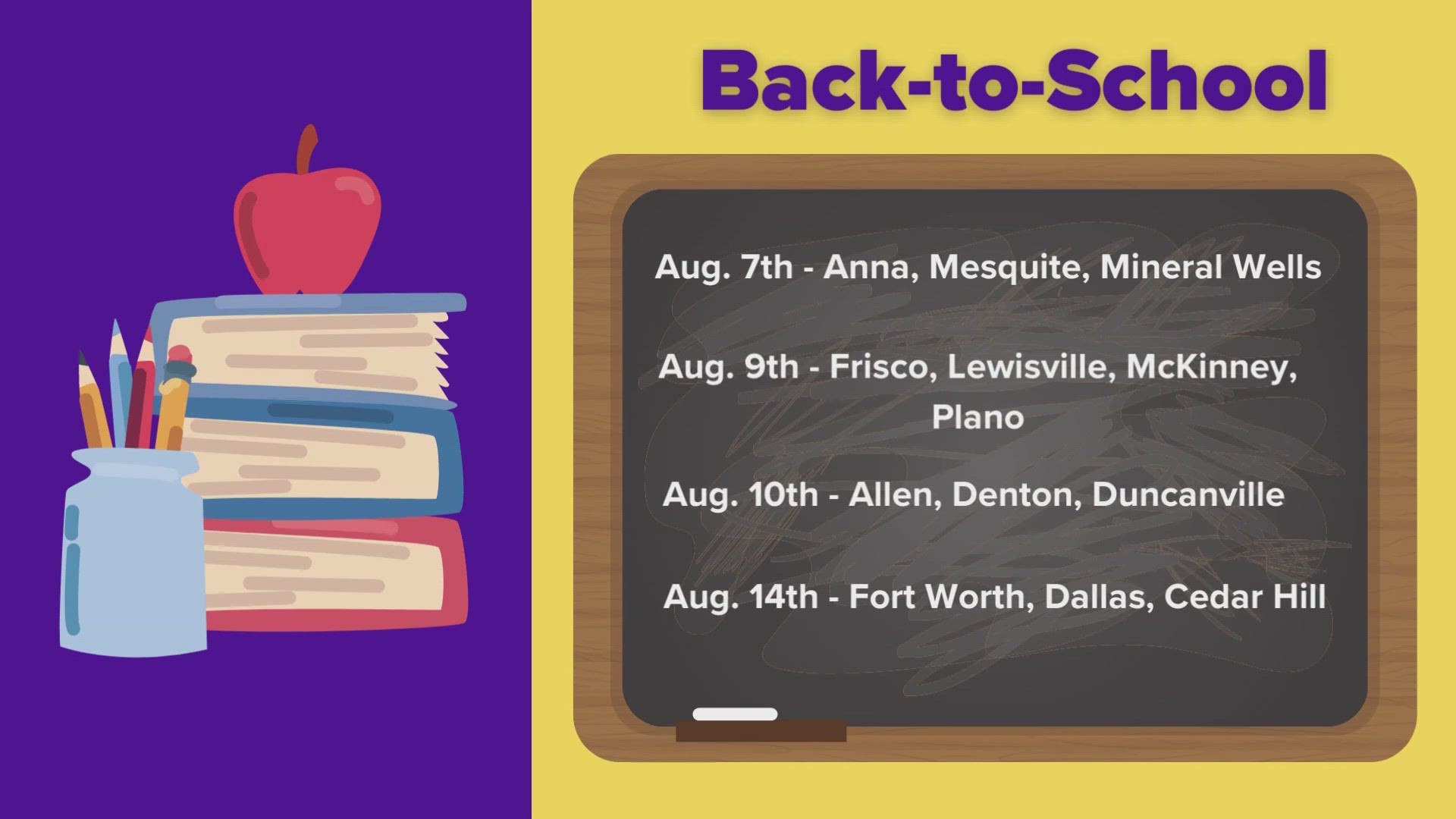
The vast majority of Texas public schools begin their academic year in the third or fourth week of August. This mid-August start has become a de facto standard, influenced by state regulations and local preferences. For instance, major metropolitan ISDs like Dallas ISD, Houston ISD, Austin ISD, San Antonio ISD, and Fort Worth ISD typically follow this pattern, often commencing classes around August 15th to August 20th. However, it’s not uncommon for some rural districts or charter schools to start a week earlier or later.
This variation means that a traveler planning a visit to Dallas in mid-August might encounter different crowd levels than someone visiting Houston at the exact same time, depending on their respective school start dates. The key takeaway for any traveler or new resident is to consult the specific calendar of the relevant ISD website for the most accurate and up-to-date information, particularly if your plans revolve around family activities or school-aged children. These calendars are typically published well in advance, often a year or more out, allowing ample time for meticulous planning.
Key Dates Beyond the First Bell
Beyond the initial school start date, other significant periods in the academic calendar profoundly influence travel and tourism. These include:
- Winter Break: Generally spanning two weeks, usually from mid-December through the first week of January. This period coincides with Christmas and New Year’s holidays, making it a peak travel time statewide.
- Spring Break: Typically one week in March, varying by district. Common times are the second or third week of March, though some districts may align with Easter. This is another major travel surge, particularly for coastal destinations and theme parks.
- Summer Vacation: The longest break, usually from late May or early June until mid-August. This is the ultimate peak season for family travel, with attractions, hotels, and flights experiencing maximum demand.
- Student Holidays/Teacher Workdays: Scattered throughout the year, these single-day or long-weekend breaks can create mini-travel opportunities for families, leading to localized spikes in tourism.
Each of these breaks creates a distinct ripple effect across Texas’s tourism industry. Knowing when they occur allows for smarter planning, whether you’re aiming to join the festive crowds or deliberately avoid them.
Impact on Family Travel Planning
For families with school-aged children, the Texas school calendar is the bedrock of their vacation planning. Traveling during designated school breaks, such as summer, winter, or spring break, is often the only option. However, this comes with its own set of challenges: higher prices for flights and accommodation, larger crowds at popular attractions, and increased competition for prime bookings.
Conversely, families with pre-schoolers or those who can travel outside of traditional school holidays gain a significant advantage. The weeks immediately following the mid-August school start, or the month of May before summer break, offer a “shoulder season” experience with fewer crowds and often more favorable pricing. Understanding these dynamics is crucial for any family looking to maximize their travel budget and enhance their vacation experience in Texas.
Navigating Texas Tourism During Peak and Off-Peak Seasons
The ebb and flow of the academic year create distinct peak and off-peak seasons for tourism across Texas. Recognizing these patterns is key to crafting a travel itinerary that aligns with your preferences for crowd levels, pricing, and overall atmosphere.
Summer’s End: The Last Rush
The period from late July through the second week of August represents the final push of summer vacation before schools resume. This is a super-peak time for family-centric destinations. Water parks like Schlitterbahn Waterpark in New Braunfels and Galveston, amusement parks such as Six Flags Over Texas in Arlington, and major educational attractions like Space Center Houston experience their highest attendance. Families are eager to squeeze in one last adventure, leading to longer lines, fully booked tours, and elevated accommodation rates.
Even non-traditional family attractions, like the underground wonders of Natural Bridge Caverns near San Antonio, see a surge in visitors. For those who don’t mind the bustling atmosphere and are prepared for higher costs, this period offers a vibrant, lively experience. However, travelers seeking tranquility or better value might find it challenging during this final summer sprint.
The Tranquil Shoulder Seasons: September and May
Once the school bells ring in mid-August, Texas tourism undergoes a noticeable shift, entering a serene “shoulder season.” September, after the initial school start, and May, prior to the mass exodus for summer vacation, are arguably the best times to explore the state for many types of travelers.
- September Advantages: The oppressive summer heat begins to subside, yet the weather remains warm and pleasant in many parts of the state. Crowds at major attractions significantly diminish. Destinations like Big Bend National Park and Guadalupe Mountains National Park become much more accessible and enjoyable without the intense summer sun and throngs of visitors. Coastal areas, such as Padre Island National Seashore near Corpus Christi, offer beautiful beach days with fewer people. Hotel prices generally decrease, and a wider range of accommodation options become available.
- May Advantages: Similar to September, May offers pleasant weather before the summer heat truly sets in and before schools let out. It’s an excellent time for exploring city sights in Austin’s Zilker Park or San Antonio’s Riverwalk and The Alamo, enjoying outdoor festivals, or touring the Texas Hill Country’s vineyards and scenic drives. Both September and May represent an ideal balance of good weather, manageable crowds, and often better value.
Holiday Travel and School Breaks
While the shoulder seasons offer respite, winter and spring breaks represent specific spikes in travel demand.
- Winter Break: The festive period from mid-December to early January transforms cities like Dallas, Houston, and San Antonio into winter wonderlands with elaborate holiday displays, ice skating rinks, and special events. Accommodation and attractions see high demand, driven by both local families and out-of-state visitors. Resorts, especially those in warmer climates or offering holiday packages, are often fully booked months in advance.
- Spring Break: This one-week hiatus in March triggers a migration, particularly to coastal havens like South Padre Island and Galveston, which become hubs of student activity. Major cities also see an influx, with families heading to theme parks, museums like the Museum District Houston, or cultural centers such as the Dallas Arts District. Travelers not seeking a lively, crowded atmosphere are strongly advised to avoid these popular destinations during March.
Accommodation, Budget, and Lifestyle Considerations
The academic calendar’s influence extends deeply into the realms of accommodation choices, budget management, and broader lifestyle decisions for anyone residing in or visiting Texas.
Strategic Hotel Booking and Accommodation Choices
Understanding school start dates and breaks is a superpower for strategic accommodation booking. During peak seasons – summer vacation, winter break, and spring break – demand for hotels, resorts, and vacation rentals skyrockets. Consequently, prices are at their highest, and availability dwindles rapidly. Iconic establishments like The Driskill Hotel in Austin, the Hyatt Regency Dallas, the JW Marriott San Antonio Hill Country Resort & Spa, or The Post Oak Hotel at Uptown Houston often require bookings months, if not a year, in advance during these times. Last-minute deals are rare, and budget travelers will find their options severely limited.
Conversely, the shoulder seasons (September-November and February-May, excluding Spring Break) offer significant advantages. Hotels and resorts, facing reduced demand from families, often roll out promotional rates, package deals, and greater flexibility. Vacation rental platforms also see increased availability and more competitive pricing. This allows travelers to enjoy higher-end accommodations or longer stays for a more reasonable cost. For those seeking long-term stays or considering a temporary relocation, understanding these fluctuations can result in substantial savings on furnished apartments or villas.
Budget Travel and Avoiding the Rush
For budget-conscious travelers, aligning travel plans with Texas school schedules is paramount. Avoiding peak travel periods is the simplest way to cut costs on flights, accommodation, and even some attraction tickets. Traveling in the off-season or shoulder season can unlock hidden gems and experiences that are otherwise overshadowed by crowds.
Consider exploring less-traveled parts of the Texas Hill Country, visiting smaller towns and their local attractions, or focusing on outdoor activities like hiking or kayaking during the quieter months. Many state parks, while popular year-round, offer a more serene experience outside of the major school breaks. Additionally, restaurants and local businesses in tourist-heavy areas might offer more personalized service and shorter wait times during these periods. Budget travel in Texas is less about deprivation and more about intelligent timing.
Lifestyle Implications: Relocation and Family Dynamics
Beyond travel, school start dates are a crucial consideration for families contemplating a move to Texas. Timing a relocation to coincide with the beginning of the academic year in mid-August is often preferred, allowing children to start fresh with their peers. However, this also means house hunting, moving logistics, and school enrollment must be completed during the busy summer months. Conversely, moving during a school break, such as winter or spring break, can offer a smoother transition with less disruption to a child’s education, though it might impact finding available housing.
Understanding the school calendar also affects local community life. Town festivals, local sports leagues, and community events often revolve around the school schedule, with a lull during the busiest academic periods and a surge of activity during breaks. For new residents, this knowledge helps them integrate more smoothly into their chosen community and plan their family’s activities effectively.

Beyond Families: Business Travel and Solo Explorers
Even business travelers and solo explorers can benefit from understanding Texas school schedules. Conference and event planners often take school calendars into account to maximize attendance, influencing hotel demand. During school breaks, business travelers might find hotels busier and roads more congested, especially in major cities. Conversely, traveling during the school year can mean lighter traffic, quieter restaurants, and a generally more relaxed atmosphere in metropolitan areas. This impacts everything from navigating through Houston’s sprawling highways to securing a coveted dinner reservation in Austin.
In conclusion, “When do schools in Texas start?” is a question with far-reaching implications, extending well beyond the classroom. From influencing the ebb and flow of tourism to dictating accommodation pricing and shaping family lifestyle decisions, the Texas academic calendar is a powerful, yet often overlooked, factor in planning any visit or move to the state. By recognizing the general mid-August start, along with the subsequent holiday and summer breaks, travelers and residents alike can make informed choices that lead to more enjoyable, efficient, and often more affordable experiences across the diverse landscapes of Texas. Always remember to check specific ISD websites for the most precise dates relevant to your plans.