
For anyone planning a trip to the Lone Star State, especially families, understanding the rhythm of the school year in Texas is far more than just a trivial detail. It’s a critical piece of information that can profoundly influence your travel experience, from the availability and cost of hotels and accommodation to the crowds at popular landmarks and attractions. Texas, a vast state known for its diverse landscapes, rich history, and vibrant culture, operates with a decentralized school system, meaning there isn’t one single “start date” for all students. This variability, however, presents unique opportunities for savvy travelers to either dive into the bustling energy of peak season or discover the tranquil charm of off-peak exploration.
Whether you’re mapping out a family vacation, a romantic getaway, a business trip, or an adventurous solo journey, knowing when schools resume classes can be your secret weapon for unlocking the best of Texas. It dictates everything from the traffic you’ll encounter on scenic drives through the Texas Hill Country to the ease of securing a coveted suite at a luxury resort in Austin or a charming villa near Fredericksburg. This guide will delve into the nuances of the Texas school calendar and show you how to leverage this knowledge to craft unforgettable travel experiences, optimize your accommodation choices, and immerse yourself in the local tourism scene, all while considering your preferred lifestyle—be it budget-conscious adventure or opulent indulgence.
Understanding Texas School Calendars: A Key to Travel Planning
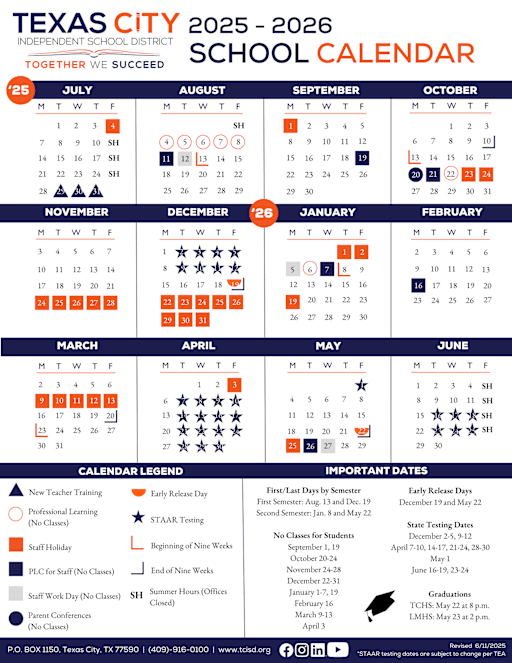
The first step in planning any Texas adventure is to grasp the fundamental truth: school start dates are not uniform across the state. Unlike some states with centralized education systems, Texas empowers its numerous local school districts with significant autonomy in setting their academic calendars. While the Texas Education Agency (TEA) provides general guidelines, the specific dates for the first day of school, holidays, and breaks are decided at the local level. This decentralized approach creates a patchwork of schedules, primarily revolving around a general timeframe.
Typically, most Texas public schools begin their academic year in mid-August, with some districts opting for late August and a few even pushing into early September. The precise date can shift slightly year to year, often aligning with a Monday closest to a specific week in August. This variability has a direct and significant impact on travel patterns, turning particular weeks into peak travel periods and others into windows of opportunity for quieter, more economical trips. Understanding these nuances is crucial for any traveler seeking to navigate the state efficiently and enjoyably, whether they are visiting the bustling Dallas-Fort Worth metroplex or the serene landscapes of Big Bend National Park.
The Decentralized System: Why Dates Vary
The reason behind the diverse school calendars across Texas lies in its commitment to local control. Each of the over 1,000 school districts operates under the guidance of its elected school board, which is responsible for setting the district’s annual calendar. Factors influencing these decisions include local community preferences, traditional holiday observances, professional development days for teachers, and state-mandated instructional day requirements. While the Texas Education Agency sets broad parameters, such as a minimum number of instructional days or minutes, districts have the flexibility to schedule them as they see fit.
For travelers, this means that while one city might see its schools resume in the second week of August, a neighboring one might not start until the third or fourth week. This staggered return to school can create micro-seasons within the broader summer travel period. For instance, families from districts that start earlier might seek late-summer getaways in areas where schools are still out, potentially extending the peak season in some specific destinations while others begin to quiet down. Conversely, those traveling from out-of-state might find that by delaying their trip into late August, they can enjoy significantly reduced crowds and more favorable pricing at popular attractions and accommodations across Texas.
Typical Start Dates Across Major Cities
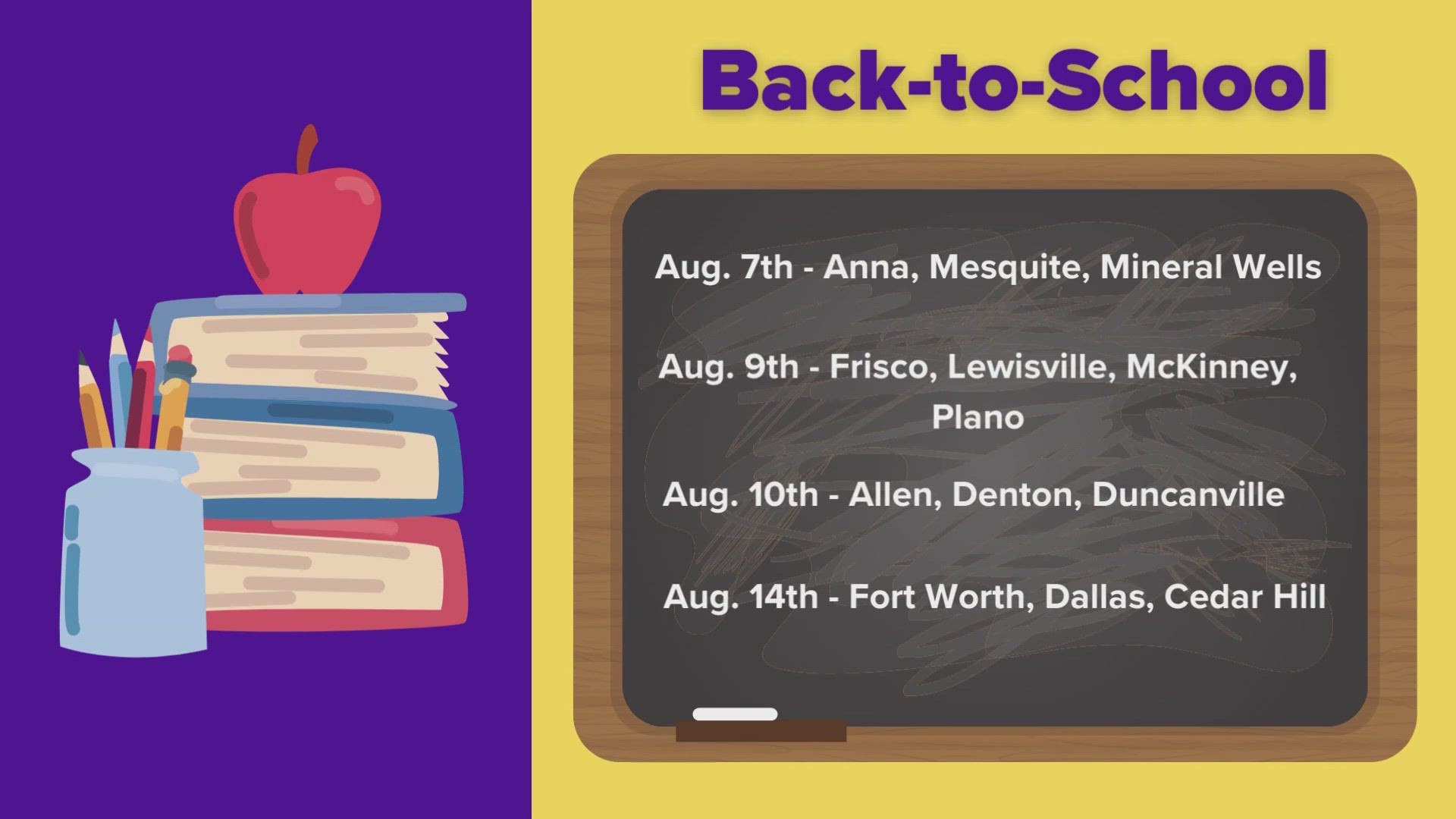
To give a clearer picture, let’s look at the general trends for school start dates in some of Texas’s major urban centers. These dates are approximate and subject to annual changes, so always check specific district calendars if your travel plans are highly sensitive to school schedules.
In Houston, one of the largest school districts in the state, schools typically start in the third or fourth week of August. This timing often coincides with the peak of the summer heat but also marks the beginning of the winding down of the traditional summer vacation period. For those visiting Houston and its attractions like Space Center Houston, knowing this helps gauge crowd levels.
Dallas and Fort Worth, forming the massive Dallas-Fort Worth metroplex, also tend to kick off their school years in mid-to-late August. The timing here can significantly impact traffic and the vibrancy of family-oriented attractions such as Six Flags Over Texas. Business travelers might notice a slight increase in activity as the traditional work-life rhythm resumes.

Austin, the state capital and a hub for music and technology, often sees its schools starting in the third week of August. The end of summer break in Austin can sometimes be celebrated with local events or last-minute family excursions to places like Barton Springs Pool before the academic year begins.
San Antonio, home to the historic The Alamo and the enchanting San Antonio Riverwalk, also typically starts its school year around mid-August. Travelers visiting this historic city during late summer might find a pleasant shift in crowd dynamics as local families transition back to school routines, opening up opportunities for more leisurely exploration of its iconic landmarks and vibrant local culture.
Maximizing Your Texas Travel Experience Around School Schedules
Understanding when Texas schools start and, by extension, when they are on break, is invaluable for strategic travel planning. This knowledge allows you to anticipate crowd levels, predict accommodation availability, and even influence the pricing of your entire trip. The rhythm of the school year dictates the flow of family travel, significantly impacting destinations, attractions, and the overall atmosphere of various regions across the state. From the sunny beaches of Galveston to the rugged trails of Big Bend National Park, every corner of Texas experiences different ‘seasons’ not just due to weather, but also due to human movement driven by school calendars.
For those focused on travel, knowing these dates helps in deciding when to embark on that epic road trip, when to fly to avoid the busiest airport days, or when to book specialized tours that might be oversubscribed during peak times. In terms of accommodation, the impact is immediate: hotel suites, resort villas, and even apartments for short-term stays see dramatic fluctuations in demand and price. Tourism experiences, too, are affected; local festivals might be scheduled during school breaks to maximize attendance, while certain attractions might offer special programs or extended hours during these periods. By aligning your travel with school schedules, you can optimize your visit for fewer crowds, better deals, or a more vibrant atmosphere, depending on your preference.
Summer Break: The Peak Family Travel Season
The summer months, particularly from late May through early August, before schools universally resume, represent the undisputed peak family travel season in Texas. During this time, families flock to popular destinations, leading to higher prices for flights and accommodations, increased competition for hotel suites and resort bookings, and larger crowds at major attractions. Beaches like those on South Padre Island and Galveston become vibrant hubs of activity, while theme parks such as Six Flags Over Texas see their highest attendance.
If your travel plans are confined to the summer, anticipate the need for early booking for hotels, especially for family-friendly resorts offering amenities like large pools or kids’ clubs. Consider visiting during the earlier weeks of summer (May and early June) to potentially beat the absolute peak rush of July and early August. While crowds are inevitable, embracing the lively atmosphere and planning your visits to attractions for opening hours can help mitigate some of the busiest periods. Despite the crowds, summer in Texas offers a unique energy, with outdoor concerts, water activities, and a general sense of festive freedom that makes it a memorable time to visit, particularly for families.
Fall and Spring: Ideal Times for Off-Peak Exploration
For many travelers, the sweet spot for visiting Texas lies in the shoulder seasons of fall (September-November) and spring (March-May), after school starts and before summer break. These periods, often coinciding with school breaks like Thanksgiving, Christmas, or Spring Break, offer a multitude of advantages. The weather is generally more pleasant, crowds are significantly thinner at most non-Spring Break destinations, and prices for hotels, flights, and other accommodations tend to be more favorable.
Fall is particularly enchanting, with cooler temperatures making it ideal for exploring outdoor landmarks like Big Bend National Park or enjoying the wine trails around Fredericksburg. The State Fair of Texas also kicks off in Dallas during late September, offering a unique cultural experience. Spring brings wildflowers, mild weather perfect for hiking in state parks, and vibrant city life without the intense summer heat. These seasons are prime for experiencing local culture through food festivals, art events, and historical tours that are often more intimate and accessible. Booking a charming apartment in Austin or a boutique hotel in San Antonio becomes easier and often more affordable, allowing for a deeper immersion into local life and attractions.
Winter Holidays: Festive Getaways and Urban Escapes
The winter holiday season, encompassing Thanksgiving, Christmas, and New Year’s, represents another concentrated period of travel, largely dictated by school breaks. While the overall duration of these breaks is shorter than summer, they create intense demand for specific types of travel experiences. Cities like San Antonio with its famously illuminated San Antonio Riverwalk, or towns like Grapevine known as the “Christmas Capital of Texas”, become premier destinations.
Travelers looking for festive urban escapes will find Dallas-Fort Worth and Houston adorned with holiday lights and hosting special events. During this time, booking accommodation, especially hotel suites or resorts, well in advance is paramount, as popular spots fill up quickly. However, for those seeking a quieter experience, certain natural landmarks might be less crowded, offering a unique perspective of Texas’s diverse landscapes in cooler temperatures. This period also presents an opportunity for unique cultural tourism, experiencing local holiday traditions and culinary delights that reflect the diverse heritage of the state.
Accommodation and Booking Strategies for Texas Travelers
Successfully navigating the Texas travel landscape, particularly when it comes to securing the best accommodation, heavily relies on understanding school calendars. The interplay between school schedules and travel demand directly influences the availability, pricing, and overall booking experience for everything from luxury suites to budget-friendly apartments. Whether you’re planning a short weekend getaway or considering a long-term stay, being strategic about when and how you book can significantly enhance your trip. Savvy travelers will leverage this knowledge to compare options, read reviews with seasonal context, and secure ideal lodging that perfectly complements their itinerary and budget.
During peak school break periods, such as summer vacation or Spring Break, demand for hotels and resorts, particularly those near major attractions or coastal areas like Galveston or South Padre Island, skyrockets. This often leads to higher prices and limited availability, making early booking not just a recommendation but a necessity. Conversely, during the weeks when schools are in session, especially outside of major holiday weekends, travelers can often find more competitive rates and greater flexibility in booking. This understanding empowers you to make informed decisions, ensuring your accommodation is not only comfortable but also cost-effective, aligning perfectly with your overall travel lifestyle.
Family-Friendly Stays: Resorts, Suites, and Vacation Rentals
For families traveling with children, the type of accommodation chosen is paramount, especially during school breaks. Resorts across Texas, often boasting extensive amenities like water parks, kids’ clubs, and multiple dining options, become incredibly popular during these times. Locations in the Texas Hill Country near San Antonio or Austin are prime examples. Securing family suites or interconnected rooms is advisable for comfort and space, but these options are usually the first to be booked during peak season. Therefore, planning 6-12 months in advance for major summer or Spring Break trips is highly recommended.
Vacation rentals, including apartments and villas found through various booking platforms, offer another excellent alternative for families. They often provide more space, privacy, and the convenience of a full kitchen, which can lead to significant savings on dining out. This is particularly appealing for long-term stays or for those seeking a “home away from home” experience. When schools are out, these rentals in destinations like Fredericksburg or coastal towns also experience high demand. When booking, always scrutinize reviews that specifically mention family experiences and proximity to relevant attractions or amenities.
Budget-Friendly Options and Long-Term Stays
For budget-conscious travelers or those considering long-term stays in Texas, timing your visit around the school calendar can unlock significant savings. During the school year, outside of specific holiday weekends, many hotels and accommodations offer lower rates, making luxury travel more accessible or budget travel even more affordable. This is an ideal time to explore major cities like Houston or Dallas and find great deals on hotels that might be prohibitively expensive during the summer.
Extended stays in serviced apartments or month-to-month rentals also become more feasible and economical when student populations are largely settled back into their academic routines. This allows for deeper immersion into local culture, perhaps attending local events or exploring hidden gems that aren’t typically on the tourist radar. Consider staying in areas slightly outside the immediate city center during peak season for better rates, or opt for more central locations during the quieter school weeks. Always compare different types of accommodation—from boutique hotels to guesthouses—as each may offer unique advantages depending on the season and your specific travel needs.
Exploring Texas Landmarks and Attractions Without the Crowds
The timing of school starts in Texas has a profound impact on the experience of visiting the state’s iconic landmarks and popular attractions. For many, the ideal travel experience involves fewer crowds, shorter lines, and a more intimate connection with the destination. By strategically planning your visit outside of the major school holiday periods, you can transform a potentially bustling trip into a serene and deeply rewarding journey. This approach allows for unhurried exploration of historical sites, immersive museum visits, and tranquil communion with Texas’s stunning natural beauty, all while enhancing your overall tourism experience.
From the solemn halls of The Alamo to the star-gazing opportunities near Big Bend National Park, every landmark has its peak and off-peak seasons. Understanding when local families and out-of-state visitors are most likely to be present (i.e., when schools are out) empowers you to make informed decisions about your itinerary. This not only applies to avoiding crowds but also to finding better parking, securing reservations at popular restaurants, and enjoying a generally more relaxed pace, contributing to a truly memorable and stress-free travel experience across Texas.
Iconic Landmarks: When to Visit Them
Many of Texas’s most famous landmarks draw significant crowds, especially during summer and major school breaks. The Alamo in San Antonio, a symbol of Texas independence, can be particularly crowded. To experience its historical significance without feeling rushed, aim for visits during the school year (September-November or February-April, excluding Spring Break). The same applies to the enchanting San Antonio Riverwalk, which offers a more leisurely stroll and easier access to river boat tours outside of peak times.
Space Center Houston, a popular educational attraction, sees a massive influx of visitors when schools are out. To get the most out of its exhibits and tram tours, consider a weekday visit during the school year. Similarly, the Sixth Floor Museum at Dealey Plaza in Dallas, a poignant historical site, can be explored more contemplatively when the crowds are smaller. The Houston Museum District and Dallas Arts District also offer a richer, more peaceful experience on weekdays when students are in class, allowing you to absorb the culture and history at your own pace.
Nature and Outdoors: Seasonal Considerations
Texas’s natural landmarks and outdoor spaces, from sprawling national parks to serene state parks and beaches, also benefit from off-peak visitation. Padre Island National Seashore, the longest undeveloped barrier island in the world, offers a more pristine and solitary experience during the school year. While summer is popular for beachgoers, the spring and fall provide milder weather, fewer people, and excellent opportunities for birdwatching or fishing.
For hikers and nature enthusiasts, national and state parks like Big Bend National Park in West Texas are best visited in the fall, winter, or spring to avoid the intense summer heat and larger crowds. These seasons offer comfortable hiking temperatures and a better chance to spot wildlife without the disturbance of high visitor numbers. Even local urban green spaces, such as Barton Springs Pool in Austin, become more enjoyable on a weekday when schools are in session, allowing for a more relaxed swim or sunbathing experience. Planning your outdoor adventures around school calendars ensures you can truly appreciate the vast and varied natural beauty of Texas in tranquility.
Lifestyle Choices: Tailoring Your Texas Trip to School Schedules
The decision of when schools start in Texas isn’t just a logistical concern; it’s a fundamental element in defining the entire lifestyle of your trip. Whether you envision a lavish escape filled with exclusive experiences or a thrifty adventure designed for maximum exploration, school schedules significantly influence your options. Understanding these timelines allows you to tailor your travel to match your personal preferences, optimizing everything from the ambiance of your chosen hotels to the types of activities available for family trips versus business stays or solo adventures.
For those pursuing luxury travel, off-peak seasons can mean exclusive access to high-demand suites or bespoke tours that are less crowded. Conversely, during peak family travel seasons, luxury might mean splurging on amenities that provide refuge from the bustling crowds. For budget travel, timing is everything; avoiding peak school holidays can translate into substantial savings on accommodation, flights, and even attractions. Ultimately, the school calendar is a powerful tool to shape your Texas journey into a reflection of your desired lifestyle, ensuring that every aspect of your experience, from the serene morning coffee on your hotel balcony to the vibrant evening entertainment, aligns with your expectations.
Family Trips: Balancing Education and Exploration
For families, the school calendar is the bedrock of trip planning. Summer, Winter, and Spring Breaks are the prime windows for family travel, offering extended periods to bond and explore. During these times, destinations like San Antonio with The Alamo and Space Center Houston become popular for their blend of education and entertainment. Theme parks like Six Flags Over Texas in Arlington are at their peak, offering thrilling rides and shows. The challenge during these periods is managing crowds and higher costs. Booking family suites at resorts with dedicated kids’ activities, or securing vacation rentals with ample space and kitchens, becomes crucial for a comfortable and budget-conscious experience.
Beyond the major breaks, some families might consider “educational travel” during the school year, leveraging a few days off for specific cultural or historical immersion. Visiting the Sixth Floor Museum at Dealey Plaza or exploring the Houston Museum District on a less crowded weekday can provide a more focused learning experience. This approach requires careful planning with school administrators but can offer unique opportunities for children to learn through travel without the distractions of peak-season crowds.
Business Stays and Solo Travel: Leveraging Off-Peak Advantages
For business travelers or solo adventurers, the school calendar presents entirely different opportunities. When schools are in session, and families are not traveling en masse, cities like Dallas, Houston, and Austin become less congested for general tourism. This translates to quieter hotels, easier access to business districts, and more readily available services. Business travelers might find it easier to secure preferred hotels, experience smoother commutes, and enjoy less crowded dining experiences when students are in school. Conference centers like the George R. Brown Convention Center in Houston might also be less impacted by general leisure travel, ensuring a more focused and productive business environment.
Solo travelers can leverage these off-peak periods for a more introspective and authentic experience. Exploring the vibrant Dallas Arts District or embarking on a hiking trip in Big Bend National Park becomes more peaceful. Boutique hotels and unique accommodations that might be fully booked during family travel seasons often have better availability and more attractive pricing. This allows solo travelers to indulge in luxury travel on a slightly smaller budget or stretch their budget further for extended stays, enjoying the diverse offerings of Texas without the bustling energy of peak tourist season. The school schedule, therefore, acts as a dynamic guide, helping every type of traveler curate their ideal Texas adventure.
LifeOutOfTheBox is a participant in the Amazon Services LLC Associates Program, an affiliate advertising program designed to provide a means for sites to earn advertising fees by advertising and linking to Amazon.com. Amazon, the Amazon logo, AmazonSupply, and the AmazonSupply logo are trademarks of Amazon.com, Inc. or its affiliates. As an Amazon Associate we earn affiliate commissions from qualifying purchases.