
The crisp air, the scent of pine, and the vibrant tapestry of colors – autumn in Maine is an experience that beckons travelers from around the globe. Renowned for its spectacular fall foliage, the Pine Tree State transforms into a breathtaking spectacle of reds, oranges, and yellows, painting the landscape with an artist’s palette. But for those planning a pilgrimage to witness this natural wonder, a crucial question arises: when exactly do the leaves begin their magnificent transformation? Timing is everything when it comes to experiencing the peak of fall color, and understanding the nuances of Maine’s autumnal display can make the difference between a fleeting glimpse and an unforgettable immersion.
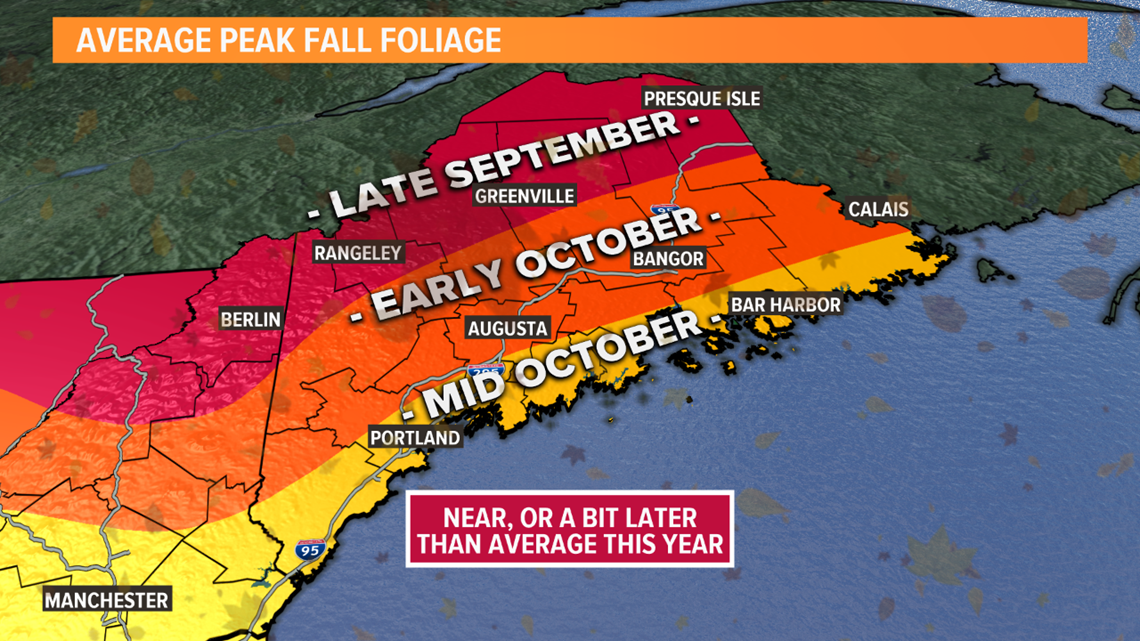
The answer, like the foliage itself, is not a single, definitive date but rather a beautiful gradient, influenced by a symphony of factors. Generally, the fall color season in Maine kicks off in late September and extends through mid-October. However, this broad window is further refined by the specific region you plan to explore. From the rugged coastlines to the sprawling inland forests and the majestic peaks of the Appalachian Mountains, each area experiences its own unique timeline for this breathtaking natural event.
Decoding the Autumnal Calendar: Regional Variations in Foliage
The magic of Maine’s fall foliage is not a monolithic event. Instead, it’s a dynamic and unfolding masterpiece that progresses across the state, offering distinct viewing opportunities depending on your location and timing. Understanding these regional variations is key to planning the perfect autumn escape.
Northern Maine: The Vanguard of Color
For those eager to be among the first to witness the autumnal splendor, the northern reaches of Maine are your prime destination. Here, the cooler temperatures arrive earlier, prompting the trees to begin their dazzling transformation sooner.
Aroostook County and Baxter State Park
Aroostook County, the largest county in Maine, and the iconic Baxter State Park are typically the vanguard of the fall color season. By the third week of September, visitors can often start to see hints of color emerging, with the peak foliage in these northern territories frequently occurring around the late September to the first week of October. The vast expanses of forests in Aroostook County, interspersed with potato fields, create a unique visual contrast as the leaves change. Meanwhile, the untamed wilderness of Baxter State Park, home to Mount Katahdin, offers a more rugged and remote experience. Hiking trails within the park provide unparalleled vantage points for observing the chromatic cascade. Imagine standing at the summit of Mount Katahdin, gazing out at a sea of vibrant foliage stretching to the horizon – it’s a view that etches itself into memory.
Central and Western Maine: The Heart of the Spectacle
As September draws to a close and October begins to bloom, the heart of Maine awakens with an intensified display of fall colors. This central and western region often experiences the most classic and widely celebrated foliage.
The Inland Lakes and Mountains
Areas surrounding the inland lakes and mountains, such as the Moosehead Lake region and the Western Mountains, enter their prime foliage period from the first to the second week of October. This is when the maples, oaks, and birches truly ignite the landscape. The reflections of the fiery foliage on the still waters of lakes like Moosehead Lake create postcard-perfect scenes, doubling the visual impact. Exploring scenic byways that wind through these regions, like the Rangeley Lakes Scenic Byway, offers an immersive experience, with pull-offs and overlooks providing ample opportunities to stop and absorb the beauty. The mountainous terrain adds a dramatic dimension, with higher elevations often showing color slightly before lower valleys. This creates a layered effect, where different shades of autumn unfold at varying altitudes.
Coastal Maine: A Late but Luminous Finale
While the inland areas might be the first to don their autumn coats, the Maine Coast offers its own distinct and often later-blooming charm. The moderating influence of the Atlantic Ocean means that the temperatures here remain milder for longer, delaying the peak foliage.
From Portland to Acadia National Park
The southern and coastal regions, including the charming city of Portland and the world-renowned Acadia National Park, typically reach their peak foliage in the second and third weeks of October. While the vibrant reds and oranges might be slightly less intense than in the interior, the coastal backdrop adds an unparalleled element of beauty. Imagine vibrant fall colors framing historic lighthouses, or the fiery hues contrasting with the deep blue of the ocean. Acadia National Park, with its dramatic granite cliffs and scenic drives like the Park Loop Road, provides a spectacular setting for late-season foliage viewing. The evergreen trees, like fir and spruce, offer a steadfast green backdrop against which the deciduous trees put on their final, brilliant show. Exploring Acadia during this period allows for a unique blend of natural beauty and coastal charm, offering a different perspective on Maine’s fall spectacle. Even as the inland colors begin to fade, the coast can offer a lingering, luminous finale to the season.
Factors Influencing Foliage Timing and Intensity
The beautiful, dynamic nature of Maine’s fall foliage is not solely dictated by geography. A complex interplay of environmental factors conspires to create the vibrant spectacle we eagerly anticipate each year. Understanding these elements can deepen your appreciation for the magic of autumn.
The Role of Weather: Sunshine, Rain, and Temperature
The weather plays a pivotal role in determining both the timing and the intensity of the fall foliage. The ideal conditions for vibrant fall colors involve a combination of sunny, mild days and cool, crisp nights.
Sunshine and Chlorophyll Production
During the growing season, sunlight is crucial for photosynthesis, the process by which trees produce chlorophyll, the pigment responsible for their green color. As days shorten and temperatures drop in the autumn, trees begin to shut down their chlorophyll production. The sugars produced during photosynthesis become trapped in the leaves, and it is these trapped sugars that react with other pigments in the leaves – anthocyanins (reds and purples) and carotenoids (yellows and oranges) – to create the stunning fall colors. More sunlight during the growing season generally leads to a richer production of these pigments.
Rainfall and Drought
Adequate rainfall throughout the spring and summer is also essential for healthy tree growth and vibrant foliage. A balanced amount of moisture ensures that trees are well-hydrated and can produce abundant chlorophyll. Conversely, periods of severe drought can stress trees, leading to premature leaf drop or duller colors. However, a moderate amount of dry weather in late summer and early autumn can sometimes intensify the reds by concentrating the sugars in the leaves.
Temperature Fluctuations
The magic truly happens with the onset of cool temperatures. Frost, in particular, can accelerate the leaf-changing process. However, the ideal scenario is a gradual cooling. Sudden, harsh frosts can sometimes damage the leaves, leading to brown, rather than vibrant, colors. The contrast between warm, sunny days and cold, clear nights is what really triggers the vibrant red hues. This temperature fluctuation promotes the production of anthocyanins, the pigments responsible for the brilliant scarlets and crimsons that make Maine’s foliage so famous.
Tree Species and Their Unique Contributions
Maine’s forests are a diverse mosaic of tree species, each contributing its unique palette to the fall landscape. The abundance and distribution of these species significantly influence the overall color display.
The Stars of the Show: Maples, Oaks, and Birches
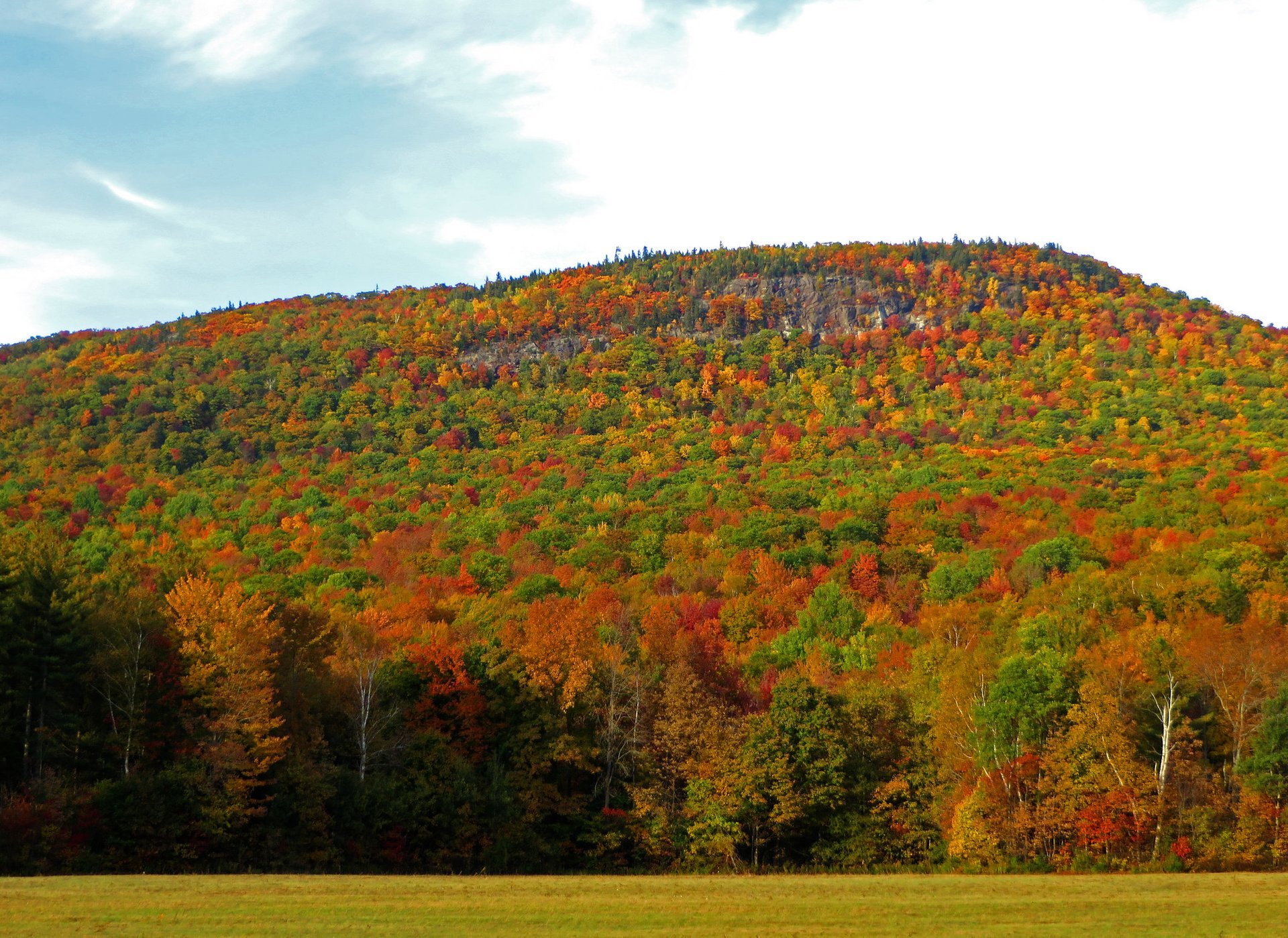
Maple trees, particularly the sugar maple, are often considered the superstars of fall foliage. Their leaves turn brilliant shades of scarlet, crimson, and bright orange, creating some of the most dramatic displays. Oak trees typically offer a spectrum of colors ranging from russet and deep red to reddish-brown, often persisting on the branches longer than other species. Birch trees, with their characteristic white bark, contribute warm golden yellows and bright lemon hues, adding a luminous quality to the forests. The presence of these species in large numbers is what makes certain areas of Maine particularly renowned for their fall colors.
Conifers and Other Deciduous Trees
While the deciduous trees steal the show with their vibrant transformations, the evergreen conifers, such as spruce, fir, and pine, provide a steadfast backdrop of deep green throughout the season. This contrast between the brilliant deciduous colors and the rich evergreen hues enhances the overall visual impact. Other deciduous trees, like aspens and beeches, also contribute to the tapestry with their own shades of yellow, gold, and bronze, creating a complex and layered visual experience.
Planning Your Perfect Foliage Trip to Maine
To fully embrace the magic of Maine’s fall foliage, careful planning is essential. From choosing your accommodation to selecting the best viewing spots and considering additional activities, a little foresight can transform a good trip into an extraordinary one.
Selecting Your Base: Hotels, Resorts, and Unique Stays
Maine offers a wide array of accommodation options to suit every traveler’s style and budget, ensuring you’re perfectly positioned to witness the autumn splendor.
Cozy Inns, Lakeside Cabins, and Luxury Resorts
For a quintessential New England experience, consider staying in one of Maine’s charming inns or bed and breakfasts, often located in historic villages and offering a warm, personal touch. If your focus is on immersion in nature, renting a lakeside cabin or a rustic lodge provides direct access to scenic beauty and outdoor activities. For those seeking comfort and amenities, numerous hotels and resorts are scattered throughout the state. In Portland, you’ll find a range of boutique hotels and larger chains, perfect for exploring the city’s vibrant culinary scene and historic architecture. Further north, near Acadia National Park, options range from charming guesthouses in Bar Harbor to more upscale resorts. Consider booking well in advance, especially if you plan to travel during the peak foliage weeks, as accommodations tend to fill up quickly. For families or groups, vacation rentals and apartments offer more space and flexibility.
Experiencing the Colors: Scenic Drives and Hiking Trails
Once you’ve settled in, it’s time to embark on your foliage adventure. Maine boasts an abundance of scenic byways and hiking trails that offer unparalleled views of the changing leaves.
Iconic Routes and Hidden Gems
The Kancamagus Highway (though technically in New Hampshire, it’s a popular and easily accessible route for those exploring western Maine) is legendary for its breathtaking fall vistas. Within Maine, the Western Mountains offer numerous scenic drives, such as the Route 17 loop through Rangeley, which provides stunning lake and mountain views. The Acadia National Park Loop Road is a must-do for anyone visiting the coast, offering dramatic coastal scenery interspersed with vibrant autumnal colors. For a more immersive experience, lace up your hiking boots. Trails in Baxter State Park, such as the Appalachian Trail sections or routes leading to the summit of Mount Katahdin, offer challenging yet incredibly rewarding views. Shorter, more accessible trails are available throughout state parks and nature preserves, allowing visitors of all fitness levels to enjoy the beauty.
Beyond the Foliage: Local Culture and Activities
While the fall colors are the main draw, Maine in autumn offers a rich tapestry of experiences that go beyond the visual spectacle.

Culinary Delights and Local Traditions
Take advantage of the season’s bounty by indulging in Maine’s renowned culinary scene. This is the time for delicious apple cider, fresh apple cider donuts, and hearty New England stews. Many farms and orchards offer apple picking experiences, a fun activity for families. Don’t miss out on enjoying fresh seafood, particularly lobster, a year-round staple. Explore local farmers’ markets for seasonal produce and handcrafted goods. Many towns host fall festivals and craft fairs during this period, offering a glimpse into local culture and traditions. Consider visiting historical sites and landmarks that are less crowded in the autumn, such as the Portland Head Light or the historic streets of Kennebunkport. The combination of stunning natural beauty, delicious food, and engaging local culture makes an autumn trip to Maine a truly unforgettable experience.