
Embarking on a journey through the vast and vibrant landscapes of Texas offers an unforgettable experience, rich with diverse cultures, breathtaking attractions, and a culinary scene that tantalizes every palate. Whether you’re planning a luxurious resort stay in San Antonio, exploring the vibrant nightlife of Austin, or indulging in the metropolitan delights of Dallas and Houston, understanding the local customs and regulations is key to a smooth and enjoyable trip. Among the many considerations, knowing the ins and outs of alcohol sales in the Lone Star State is particularly important for travelers.
Texas has a fascinating and sometimes complex history with alcohol, a legacy that continues to shape its current laws. From the lingering effects of Prohibition to the modern nuances of on-premise versus off-premise sales, the rules can vary significantly depending on the type of alcohol, the day of the week, and even the specific county or city you find yourself in. This comprehensive guide aims to demystify these regulations, providing essential information for tourists, business travelers, and anyone looking to fully experience all that Texas has to offer, from unwinding at a luxurious hotel bar to stocking up for a scenic picnic.
Understanding Texas’s Alcohol Landscape: A Traveler’s Guide
Before diving into the specifics of when sales stop, it’s crucial to grasp the fundamental distinctions in Texas alcohol laws. The regulations are not uniform across all types of alcoholic beverages, nor are they consistent for all vendors. This layered system often surprises visitors who are accustomed to more straightforward rules in other states or countries.
The Basics of Alcohol Sales in the Lone Star State
The primary governing body for alcohol sales and distribution in Texas is the Texas Alcoholic Beverage Commission (TABC). The TABC oversees everything from licensing establishments to enforcing sales hours and ensuring compliance across the state. Their regulations dictate not only when alcohol can be sold but also where and by whom. Understanding the distinction between “on-premise” and “off-premise” sales is fundamental. Off-premise sales refer to alcohol purchased for consumption elsewhere, such as from grocery stores, convenience stores, or liquor stores. On-premise sales involve alcohol consumed at the location where it’s purchased, like bars, restaurants, hotels, or breweries. This distinction is paramount as the sales hours for each category differ significantly. Historically, Texas has maintained stricter controls over liquor (distilled spirits) compared to beer and wine, a pattern that persists today, influencing sales schedules and availability.
Distinguishing Between Liquor, Beer, and Wine Sales
One of the most significant complexities in Texas alcohol laws lies in the different rules applied to distilled spirits (liquor), beer, and wine. These categories are treated distinctly in terms of where they can be sold and, crucially, the hours during which they are available.
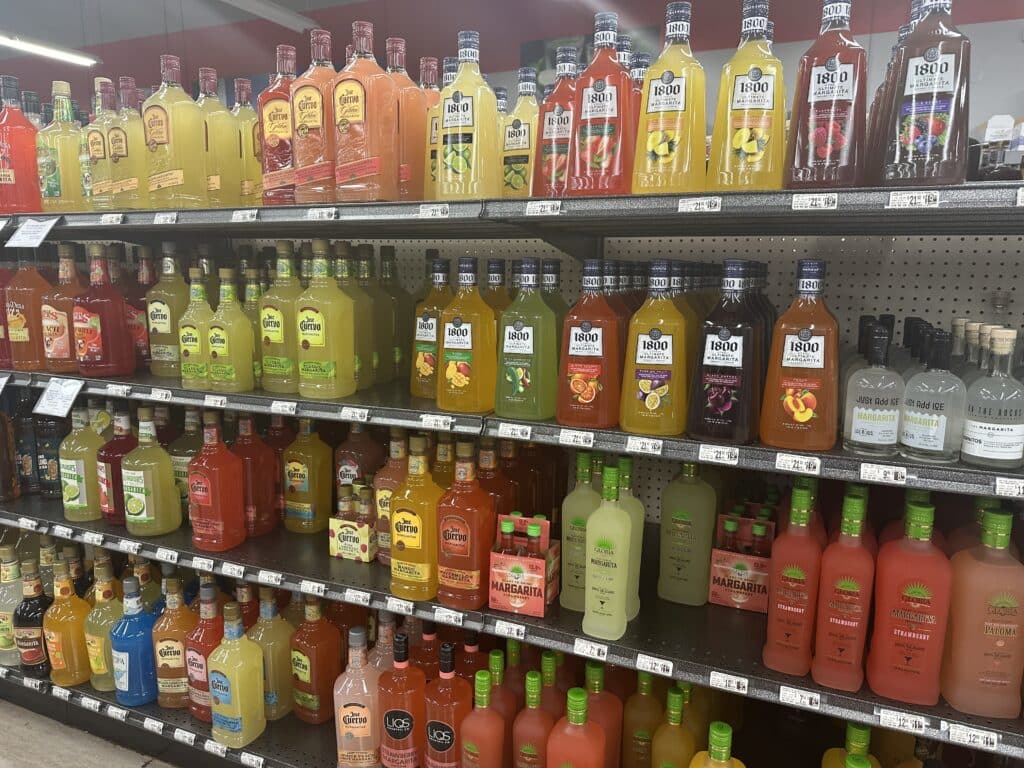
- Liquor (Distilled Spirits): This category, encompassing spirits like whiskey, vodka, rum, and tequila, is subject to the strictest regulations. In Texas, liquor can only be sold in dedicated liquor stores. These stores operate under specific licenses and are subject to rigid operating hours and days. This means you won’t find liquor on the shelves of your local grocery store or convenience store.
- Beer and Wine: These beverages generally fall under more relaxed rules. Beer and wine, including flavored malt beverages and hard ciders, can be sold in a much wider array of establishments. You’ll find them readily available in grocery stores, convenience stores, gas stations, and even some pharmacies, in addition to bars and restaurants. This broader distribution means that the cut-off times for beer and wine are often more flexible than for hard liquor, particularly on weekends.
This foundational understanding sets the stage for navigating the specific selling times as you explore the diverse offerings of Texas, whether you’re planning an evening out or simply stocking your hotel suite’s minibar.
Navigating Off-Premise Sales: Stocking Up for Your Stay
For travelers staying in apartments, villas, or even a Grand Hyatt Dallas suite with a kitchenette, knowing when and where to purchase alcohol for off-premise consumption is essential. This often means planning ahead, especially if your arrival in Texas is on a Sunday or a public holiday.
Grocery Stores and Convenience Stores: Your Beer and Wine Hubs
For beer and wine, grocery stores and convenience stores are your go-to options. These establishments offer a wide selection, making it easy to pick up your preferred beverage alongside your daily essentials or snacks for a road trip through the Texas Hill Country.
- When they start selling: Generally, beer and wine sales begin at 7:00 AM on weekdays (Monday through Friday) and 10:00 AM on Saturday.
- When they stop selling: On weekdays and Saturday, beer and wine sales typically cease at 12:00 AM (midnight).
- Sunday Sales: On Sunday, sales begin at 10:00 AM and conclude at 12:00 AM (midnight).
This means you have ample time during most days to purchase beer and wine for your accommodation or a casual gathering. However, remember that these stores cannot sell distilled spirits, regardless of the time.
Liquor Stores: The Strict Rules
Liquor stores, often referred to as package stores, are the only retail outlets for distilled spirits in Texas. These stores operate under significantly more restrictive hours compared to places selling beer and wine. If you’re planning to purchase spirits for a cocktail hour at your Omni Austin Hotel Downtown room or a barbecue in a rental home, paying close attention to these hours is crucial.
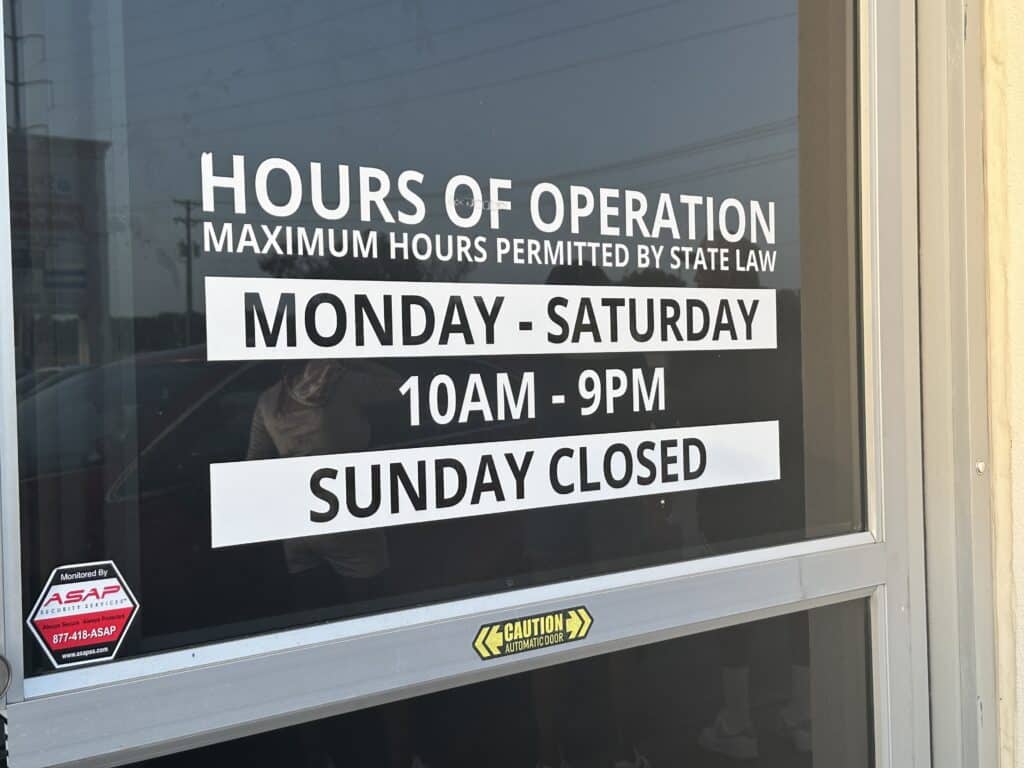
- When they start selling: Liquor stores can open their doors no earlier than 10:00 AM on weekdays and Saturday.
- When they stop selling: Sales must cease by 9:00 PM on weekdays and Saturday.
- Sunday Closures: This is perhaps the most critical rule for liquor stores: they are closed all day on Sunday. This is a long-standing Texas tradition that often catches travelers by surprise. If you arrive on a Sunday and wish to purchase liquor, you will have to wait until Monday morning.
- Holidays: Liquor stores are also typically closed on Thanksgiving Day, Christmas Day, and New Year’s Day. If any of these holidays fall on a Sunday, the store remains closed on Monday as well. Check local specific regulations for other holidays like Easter or July 4th, although the aforementioned are the most common mandatory closures.
The strict “no Sunday sales” rule for liquor stores is a key takeaway for any visitor to Texas. Planning your liquor purchases for Friday or Saturday, especially before a long weekend, is highly advisable.
Sunday Sales: What to Expect
Sunday is often the day with the most confusion surrounding alcohol sales in Texas. To reiterate and clarify:
- Liquor Stores: Completely closed on Sundays. No liquor sales whatsoever.
- Grocery/Convenience Stores (Beer & Wine): Sales are permitted from 10:00 AM to 12:00 AM (midnight). This means you can still buy beer and wine for off-premise consumption, just with a slightly later start time than on weekdays or Saturday.
- Bars/Restaurants (On-Premise Consumption): As detailed below, you can definitely enjoy alcoholic beverages at licensed establishments on Sundays.
So, while your options for buying liquor are nonexistent on Sundays, you can still easily grab a six-pack of beer or a bottle of wine to enjoy back at your accommodation after 10 AM.
On-Premise Consumption: Enjoying Texas’s Vibrant Nightlife
Texas boasts a thriving tourism industry, with vibrant cities like Austin, Houston, San Antonio, and Dallas offering a plethora of bars, restaurants, and entertainment venues. For those looking to enjoy a drink or two in a social setting, the rules for on-premise consumption are generally more generous, especially when it comes to late-night options.
Bars, Restaurants, and Breweries: Where to Drink Out
Whether you’re savoring some authentic Texas BBQ with a craft beer or enjoying fine dining with a carefully selected wine, licensed establishments provide ample opportunities for on-premise alcohol consumption.
- Weekday & Saturday Sales:
- “Regular” Bars/Restaurants: Most establishments licensed to sell alcohol can do so from 7:00 AM to 12:00 AM (midnight) on Monday through Friday, and from 7:00 AM to 1:00 AM on Saturday. This includes places with a Mixed Beverage Permit.
- Breweries and Wineries: Many local breweries and wineries also operate under specific permits allowing on-premise sales during similar hours, often extending a bit later on weekends, depending on their specific license and local ordinances.
- Sunday Sales:
- On Sunday, sales at bars, restaurants, and other licensed venues typically begin at 10:00 AM (or as early as 10:00 AM with the service of food). Sales can continue until 12:00 AM (midnight). This means brunch spots and Sunday evening venues are fully equipped to serve alcohol.
These hours provide plenty of flexibility for travelers to enjoy Texas’s diverse food and beverage scene, from lively pubs in Fort Worth to elegant rooftop bars in El Paso.
Late Night Venues and Special Permits
For those who enjoy extending their evenings, Texas offers options for later alcohol service, primarily in larger cities or entertainment districts.
- Extended Hours Permits: Establishments located in a city or county that has authorized extended hours for the sale of alcoholic beverages, and who possess an Extended Hours Permit, can sell alcohol until 2:00 AM on any day of the week, including Sunday mornings (i.e., from Saturday night into Sunday morning until 2:00 AM). This is common in major metropolitan areas like Austin’s Sixth Street, Dallas’s Deep Ellum, or Houston’s Midtown.
- Hotel Bars and Room Service: Most hotel bars will adhere to the standard or extended on-premise sales hours for their location. For guests staying at resorts such as the JW Marriott San Antonio Hill Country Resort & Spa or the historic The Driskill Hotel in Austin, room service alcohol availability will typically align with these on-premise hours, meaning you can often order drinks until late into the night.
If late-night entertainment is a priority, it’s always a good idea to confirm the closing times of specific venues or districts you plan to visit.
Special Considerations and Local Nuances
While the general rules for alcohol sales in Texas provide a solid framework, the state’s unique local options and historical context introduce a few more layers of complexity that travelers should be aware of. These nuances can significantly impact where and when you can purchase or consume alcohol.
The Enduring Legacy of Dry Counties
Perhaps one of the most surprising aspects for visitors to Texas is the existence of “dry counties” or “partially dry counties.” While the number of completely dry areas has decreased over the years, local options still allow communities to restrict or prohibit the sale of alcohol within their boundaries.
- Completely Dry: In a completely dry county, absolutely no alcohol can be sold, either on-premise or off-premise. This is rare for popular tourist destinations but can exist in more rural areas.
- Partially Dry: More commonly, you might encounter partially dry areas. For example, a county might allow beer and wine sales but prohibit liquor sales (beyond the statewide liquor store rules). Or, it might permit on-premise consumption at restaurants that meet certain food-to-alcohol sales ratios, while prohibiting stand-alone bars.
- Impact on Travelers: If you’re planning to visit a less populated area or venture off the main tourist trails, it’s highly recommended to check the local alcohol laws for that specific county or city. The TABC website offers resources for looking up local regulations. Being aware of this can prevent disappointment, especially if you were hoping to stock up on supplies for a remote cabin stay or a camping trip. Major cities like Austin, Dallas, Houston, San Antonio, Corpus Christi, and Galveston are generally “wet” and offer full alcohol services.
Holidays and Election Days
Beyond Sundays, certain holidays and special events can also influence alcohol sales.
- Mandatory Liquor Store Closures: As mentioned, liquor stores are legally required to close on Thanksgiving Day, Christmas Day, and New Year’s Day. If Christmas Day or New Year’s Day falls on a Sunday, liquor stores must also remain closed the following Monday. This is a crucial detail for travelers visiting during the holiday season.
- On-Premise on Holidays: Bars, restaurants, and other on-premise establishments generally retain their normal operating hours on most holidays, unless a specific local ordinance or the TABC issues a temporary restriction (which is rare). So, you can usually enjoy a festive drink at a restaurant on most holidays.
- Election Days: Historically, Texas had restrictions on alcohol sales during election hours. However, this is largely a thing of the past. As of recent legislative changes, alcohol sales are generally permitted during normal hours on election days, removing a past point of confusion for residents and visitors alike.
BYOB Policies and Event Venues
Some restaurants, particularly smaller, independent establishments, operate under a Bring Your Own Bottle (BYOB) policy. This can be a charming and cost-effective way to enjoy a meal, especially if you’ve purchased a unique bottle of wine from a winery in Fredericksburg.
- Check First: Always call ahead to confirm a restaurant’s BYOB policy, as it’s at the discretion of the establishment and may come with a corkage fee. Not all restaurants are permitted to allow BYOB, particularly those that have a full liquor license.
- Event Venues: For private events, weddings, or conferences at hotels or dedicated event spaces, alcohol service will typically be arranged through the venue’s catering services, adhering to their specific permits and the overall state and local regulations for on-premise consumption. If you’re attending an event, you can generally expect alcohol to be available within standard on-premise hours.
These local nuances and special considerations emphasize the importance of a quick check on specific regulations, especially if your travel plans take you beyond the major cities.
Tips for Travelers: Ensuring a Smooth Texas Experience
Navigating alcohol laws, particularly in a state as vast and varied as Texas, can seem daunting. However, with a little preparation and awareness, travelers can easily enjoy the state’s hospitality and diverse beverage offerings without any hitches.
Planning Ahead for Your Trip
Forethought is your best friend when it comes to alcohol purchases in Texas.
- Know Your Destination’s Status: Before you travel, especially to smaller towns or rural areas, quickly check if your destination is a dry county or has specific restrictions. A quick online search for “[city name] alcohol laws” or checking the TABC website can provide clarity. Major tourist hubs like Austin, San Antonio, Dallas, Houston, Fort Worth, El Paso, Corpus Christi, Galveston, and South Padre Island are generally quite liberal with alcohol sales within state guidelines.
- Sunday Arrival? Plan Your Liquor Purchases: If your flight or drive brings you into Texas on a Sunday, and you desire distilled spirits, plan to purchase them on Saturday before your trip or wait until Monday morning. For beer and wine, you’ll be fine after 10 AM on Sunday.
- Holiday Travel: If visiting during the major holidays (Thanksgiving, Christmas, New Year’s Day), remember that liquor stores will be closed. Stock up beforehand if needed.
- Hotel Amenities: Check your hotel’s amenities. Many upscale hotels and resorts, like the JW Marriott San Antonio Hill Country Resort & Spa, offer well-stocked bars, lounges, and room service that can cater to your beverage needs within on-premise operating hours.
Respecting Local Ordinances and Responsible Consumption
While knowing the laws is important, responsible consumption and respect for local ordinances are equally vital for a positive travel experience.
- Age Limits: The legal drinking age in Texas is 21. Always be prepared to show valid identification.
- Open Container Laws: Texas has strict open container laws. It is illegal to possess an open alcoholic beverage container in the passenger area of a motor vehicle on a public highway, regardless of whether the vehicle is being operated, stopped, or parked. Fines can be substantial. Enjoy your beverages responsibly at your accommodation, a licensed establishment, or a designated event.
- Public Intoxication: Be mindful of public intoxication laws. While enjoying the nightlife, ensure you remain in control and have a plan for safe transportation back to your hotel or accommodation.
Exploring Texas’s Culinary and Beverage Scene
Beyond just knowing the rules, take the opportunity to immerse yourself in Texas’s vibrant and growing beverage industry.
- Craft Breweries: Texas is home to a booming craft beer scene. Explore local breweries in Austin, Dallas, or Houston for unique tastings and tours.
- Wineries: The Texas Hill Country is rapidly gaining recognition for its excellent wineries, particularly around Fredericksburg. Consider a wine tour for a different kind of experience.
- Distilleries: Several distilleries are now producing award-winning spirits, offering tours and tastings that provide insight into the craft of making whiskey, gin, and other liquors.
By familiarizing yourself with these guidelines and embracing responsible enjoyment, your visit to Texas will undoubtedly be filled with delightful experiences and lasting memories, unmarred by unexpected alcohol-related surprises. So, plan your purchases, explore responsibly, and enjoy the true spirit of the Lone Star State.