
The delectable allure of crawfish, those tiny, crimson crustaceans, captivates palates across the Lone Star State during their prime season. For many Texans and visitors alike, the opportunity to savor a perfectly seasoned boil is a culinary pilgrimage, a vibrant experience steeped in local tradition and joyous gatherings. But as the mercury rises and the days lengthen, a common question arises: when does crawfish season truly draw to a close in Texas? Understanding the seasonality of this beloved delicacy is key to planning your perfect crawfish feast, whether you’re a seasoned connoisseur or a curious newcomer eager to dive into this unique Texas food culture.
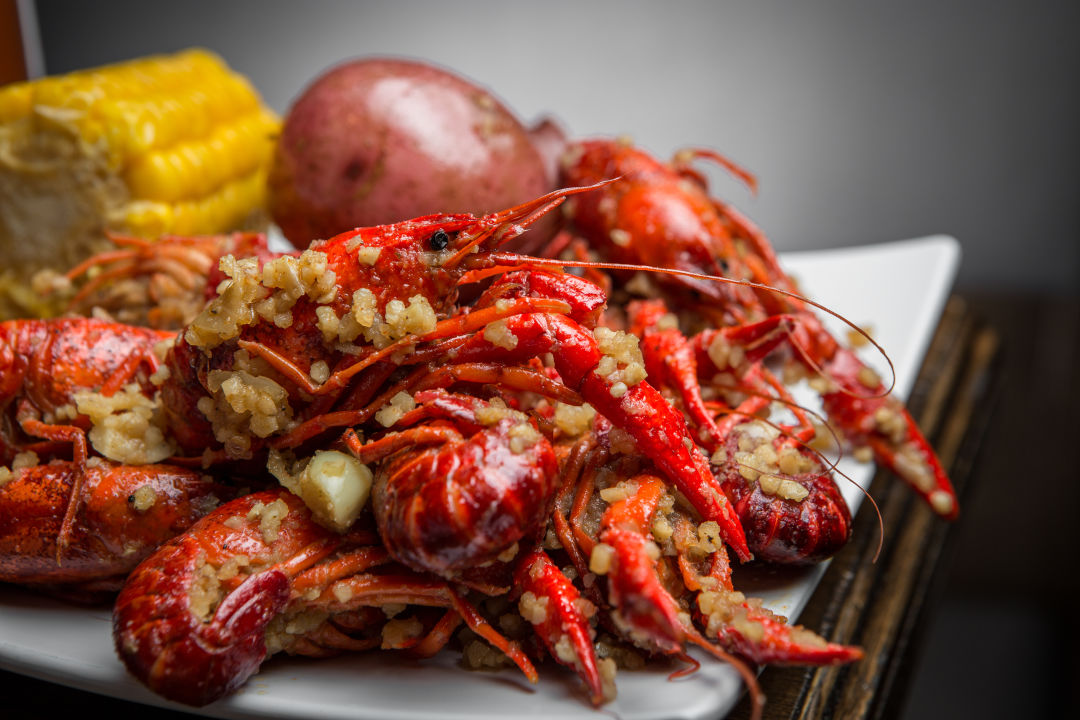
The answer, like many things in Texas, is not a simple one-size-fits-all declaration. Crawfish season is a dynamic phenomenon, influenced by a confluence of environmental factors, regional variations, and market demands. While there’s a generally accepted window for peak availability, the exact end date can fluctuate, offering windows of opportunity for those who know where and when to look. This article aims to demystify the closing chapters of crawfish season in Texas, guiding you through the factors that dictate its end and how you can still find these flavorful treasures even as the season wanes.
The Rhythms of the Crawfish Calendar
Crawfish, scientifically known as Procambarus clarkii (red swamp crawfish) and Procambarus zonangulus (white river crawfish), are freshwater crustaceans that thrive in a variety of aquatic environments. In Texas, their populations are most abundant in the southeastern regions, particularly around the Atchafalaya Basin spillway and the fertile lands bordering the Mississippi River. The life cycle and reproductive patterns of these creatures are intricately tied to water levels, temperature, and the availability of food sources.
Factors Influencing the End of Crawfish Season
Several key elements conspire to signal the approaching end of crawfish season, each playing a crucial role in the crustaceans’ readiness for harvest and the market’s ability to supply them.
Water Temperature and Reproduction
The primary driver behind crawfish seasonality is water temperature. Crawfish are cold-blooded creatures, meaning their activity levels and reproductive cycles are heavily influenced by the ambient temperature of their aquatic homes. During the cooler months, typically from November through April, water temperatures are ideal for crawfish to mate, lay eggs, and for the young to grow. As spring transitions into summer and water temperatures begin to climb significantly, usually by May and into June, this warmth can trigger a shift in their behavior.
While warmer temperatures can initially stimulate activity, prolonged heat can lead to several changes that impact the crawfish population available for harvest. Female crawfish, after mating, will carry their eggs attached to their swimmerets. As the water warms, these eggs are more likely to hatch. However, if the water becomes too warm, particularly in shallow ponds or stagnant areas, it can stress both the adult crawfish and their developing young. This stress can lead to decreased egg viability or premature hatching, resulting in smaller, less mature crawfish that are not ideal for consumption.
Furthermore, adult crawfish may seek deeper, cooler water to escape the oppressive summer heat. This natural instinct to burrow and find refuge makes them harder to catch, significantly reducing the yield for trappers. The diminishing return makes it less economically viable for commercial harvesters to continue extensive trapping operations.
Pond Conditions and Habitat Availability
The health and conditions of the crawfish ponds are paramount. Many commercial crawfish operations in Texas utilize flooded rice fields or specially constructed ponds. The ideal scenario involves a balance of water depth, vegetation, and water quality.
As the crawfish season progresses into late spring, rice farmers in areas like Acadia Parish and the Chenier Plain often begin to drain their fields to prepare for the planting of the new rice crop. This drainage is a critical factor that effectively ends the crawfish harvest in those specific locations. The receding water levels force the crawfish to congregate in remaining pools or burrow into the mud, making them inaccessible to traps.
Moreover, during drier periods, pond levels can drop naturally, concentrating the crawfish. While this might seem beneficial for harvesting, it can also lead to increased competition for food and a higher risk of disease outbreaks within the population, further impacting the health and quantity of crawfish available.
Natural Life Cycle and Molting
Crawfish, like other crustaceans, must molt to grow. This process involves shedding their old exoskeleton and growing a new, larger one. Molting is a vulnerable period for crawfish, as their new shell is soft and they are unable to move or defend themselves effectively.
During the peak of summer, when temperatures are high and food sources might become scarcer, crawfish may molt more frequently to adapt. However, the molting cycle is energy-intensive. While molting is a natural part of their life cycle throughout the year, the environmental stresses of late spring and early summer can influence the timing and success of this process. If water quality deteriorates due to heat and reduced oxygen, molting can become more difficult and less successful, leading to a decline in the overall population that is suitable for harvest.
Market Demand and Economic Viability
Beyond the biological and environmental factors, economic considerations also play a significant role in the perceived end of crawfish season. As the supply naturally dwindles due to the aforementioned reasons, the price of crawfish tends to increase. Simultaneously, as the weather heats up, consumer demand for the traditional, heavily seasoned crawfish boil, often associated with cooler months and indoor gatherings, can also decrease in favor of lighter, summer fare.
Commercial crawfish harvesters carefully monitor their catch rates and the prevailing market prices. When the cost of fuel, labor, and the effort involved in trapping outweighs the potential profit from the reduced harvest, many will simply cease operations. This economic reality often dictates the practical end of the season for many consumers, even if a small, localized supply might still be theoretically available.
When to Expect the Season to Conclude
While there isn’t a definitive, statewide “last day” for crawfish season in Texas, a general timeline can be established.
The Lingering Taste of Spring
The prime crawfish season in Texas typically kicks off in November or December and reaches its peak from January through April. During these months, you can expect the most abundant supply, the largest sizes, and the most competitive prices. Restaurants and markets will be fully stocked, and a multitude of crawfish boils will be taking place across the state.
Transitioning into Summer
As May arrives, the season begins its gradual winding down. You can still find crawfish, but the availability will likely become more sporadic, and the sizes might be smaller on average. Prices may also start to climb. Many restaurants and seafood markets will begin to reduce their crawfish offerings, and the frequency of large-scale boils might decrease.
By June, finding fresh, commercially harvested crawfish can become a challenge in many parts of Texas. While some dedicated operations might still be active, particularly in areas with access to cooler, deeper water or specific pond management techniques, it’s no longer considered peak season. If you’re craving crawfish in June, you might need to actively seek out specific suppliers or regions known for their extended seasons.
Looking for the Last Bites
For those determined to extend their crawfish enjoyment into the warmer months, there are a few strategies:
- Seek Out Specific Regions: Certain areas of Texas, especially those with a strong cajun-influenced culture and dedicated crawfish farming, might have slightly longer seasons. Exploring towns along the Gulf Coast or in the southeastern parts of the state could yield better results.
- Connect with Local Harvesters: Building relationships with local crawfish farmers or trappers can provide insider information on when they plan to wrap up their operations and if they anticipate any later catches.
- Embrace Frozen Options: While fresh is always preferred, many suppliers will freeze crawfish when they are in peak season. These frozen options can provide a taste of crawfish even after the live season has ended, though the texture and flavor might be slightly altered.
- Follow Local Events: Keep an eye on local festivals and community events. Sometimes, special crawfish boils are organized even after the main season, utilizing stored or imported catches.
Beyond the Boil: Experiencing Texas Culinary Culture
While the question of “when does crawfish season end?” is crucial for crawfish aficionados, Texas offers a rich tapestry of culinary experiences that extend far beyond this beloved crustacean. The state’s diverse culture, shaped by Tejano, Southern, and Native American influences, translates into a vibrant food scene that is a significant draw for tourists and locals alike.
A Culinary Landscape of Diversity
From the smoky allure of Texas barbecue in Central Texas to the spicy Tex-Mex delights of San Antonio and El Paso, the state is a gastronomic paradise. Exploring Texas cuisine is an adventure in itself. Consider visiting iconic barbecue joints that have perfected the art of slow-smoked brisket, or dive into the bustling markets of Houston for an international culinary journey.
When planning your travels, think about aligning your visit with other food-centric events. Texas hosts numerous food festivals throughout the year, celebrating everything from chili and barbecue to unique regional specialties. These events offer fantastic opportunities to sample local flavors and immerse yourself in the state’s rich food heritage.

Accommodation and Travel Tips for Food Lovers
For those embarking on a culinary pilgrimage, choosing the right accommodation can enhance the experience. Consider staying in boutique hotels in vibrant culinary hubs like Austin or Dallas, where you’ll be within easy reach of award-winning restaurants and lively food scenes. For a more relaxed approach, explore charming bed and breakfasts in smaller towns known for their local eateries.
When traveling for food, remember that flexibility is key. Some of the best culinary discoveries are often made by chance, by following local recommendations or stumbling upon hidden gems. Don’t be afraid to venture off the beaten path and explore the diverse gastronomic offerings that Texas has to offer, even outside the peak crawfish season.
Ultimately, understanding the ebb and flow of crawfish season in Texas is part of appreciating the seasonality of nature’s bounty. While the days of abundant, freshly boiled crawfish may eventually wane with the summer heat, the spirit of culinary exploration and the joy of sharing delicious food remain constants in the Lone Star State. So, while you might be asking when crawfish season ends, remember that Texas is always in season for incredible food experiences.