
The question “When Does Gabby Leave Chicago Fire?” has been a recurring topic of discussion among fans of the popular NBC drama, Chicago Fire. For years, Gabrielle “Gabby” Dawson, portrayed by the talented Monica Raymund, was a central figure in the Firehouse 51 narrative. Her departure from the series marked a significant turning point for the show, leaving many viewers wondering about the specifics of her exit and what the future held for her character. This article delves into the reasons behind Gabby Dawson‘s departure, the timing of her exit, and how her storylines have been addressed in the subsequent seasons of Chicago Fire.
The End of an Era for a Beloved Character
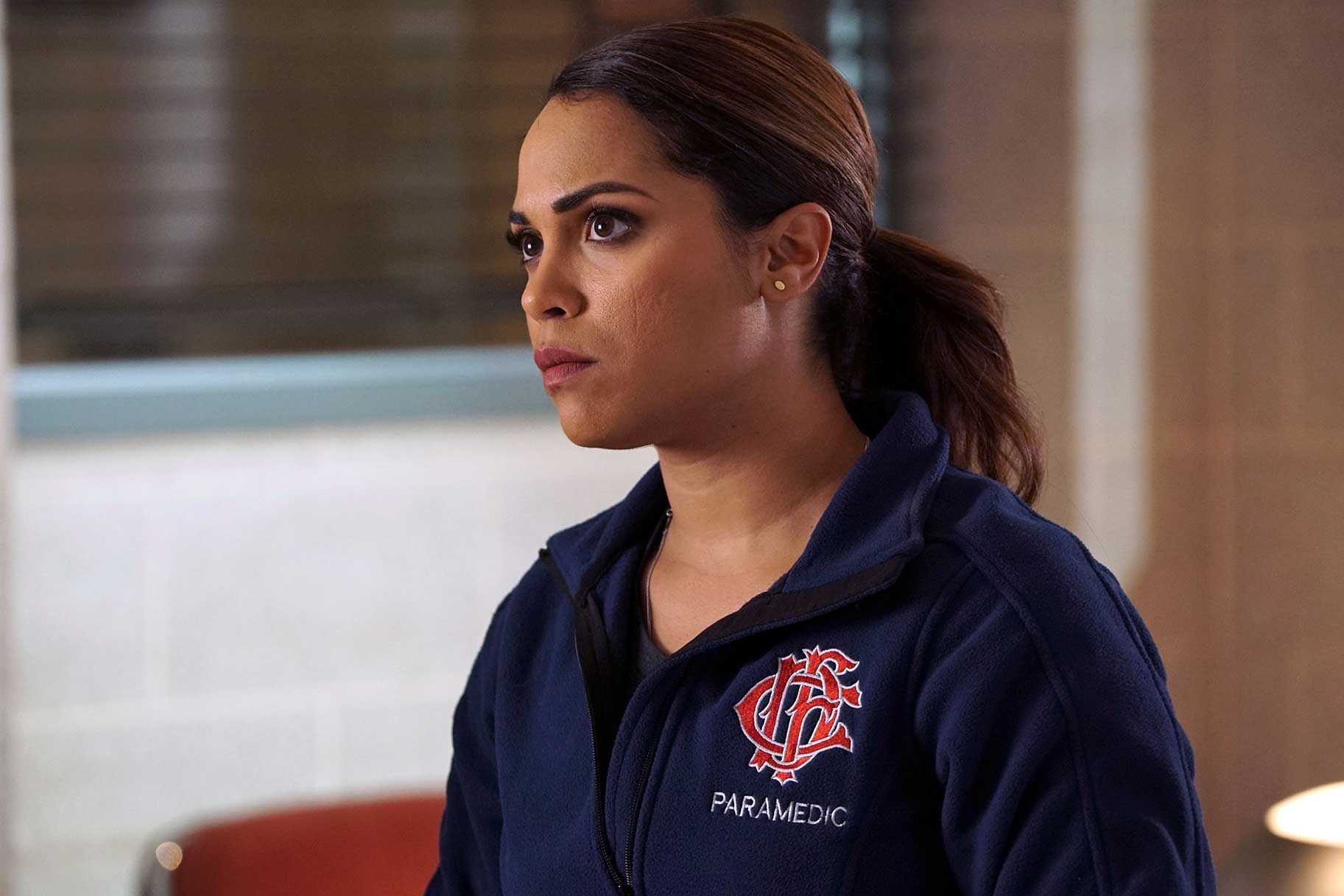
Gabrielle Dawson was introduced in the very first season of Chicago Fire as a dedicated paramedic, quickly becoming an integral part of Firehouse 51. Her character was known for her unwavering commitment to her patients, her strong moral compass, and her complex, passionate relationship with Matthew Casey (played by Jesse Spencer). Over the seasons, Dawson evolved, facing numerous challenges, both personally and professionally, including a career-threatening injury, a controversial adoption, and the constant emotional toll of working in a high-stress environment. Her journey resonated deeply with audiences, making her one of the most cherished characters on the show.
The announcement of Monica Raymund‘s departure sent ripples through the Chicago Fire fandom. While actors often move on to new projects, Raymund‘s exit felt particularly significant due to Dawson‘s established presence and the emotional investment viewers had in her story. The question of “When Does Gabby Leave Chicago Fire?” is not just about a date; it’s about understanding the narrative arc that led to her farewell and the impact it had on the show’s dynamics.
Exploring the Narrative Departure
Gabrielle Dawson‘s final appearance as a series regular occurred in the Season 6 finale, titled “The Grand Gesture.” This episode provided a poignant and impactful send-off for her character. The storyline leading up to her departure was carefully crafted to provide a logical and emotionally resonant conclusion to her tenure at Firehouse 51.
The primary catalyst for Gabby‘s exit was her decision to accept a humanitarian aid position in Puerto Rico. This opportunity arose after Dawson had been deeply affected by the aftermath of Hurricane Maria and the devastation it wrought on the island. Her passion for helping those in need, a defining trait of her character, led her to pursue this new calling.
The decision was presented as a personal choice for Dawson, driven by her desire to make a more profound difference in the world. This move allowed Raymund to explore new acting opportunities while providing Dawson with a fulfilling narrative conclusion that aligned with her established values. The writers aimed to give Dawson a departure that felt earned and true to her character’s spirit, rather than an abrupt or dissatisfying exit.
The Emotional Impact of Gabby’s Departure
The departure of Gabby Dawson was not only a narrative shift for the show but also an emotional one for the characters and the audience. Her relationships, particularly her on-again, off-again romance with Matt Casey, were central to many storylines. Casey‘s reaction to Dawson‘s departure was a significant focus in the episodes following her exit, exploring the heartbreak and the adjustments required for him to move forward.
Other members of Firehouse 51, such as Kelly Severide (played by Taylor Kinney), Sylvie Brett (played by Kara Killmer), and Wallace Boden (played by Eamonn Walker), also experienced the void left by Dawson‘s absence. Her presence had contributed to the unique camaraderie and family atmosphere of the firehouse, and her leaving necessitated a recalibration of these dynamics.
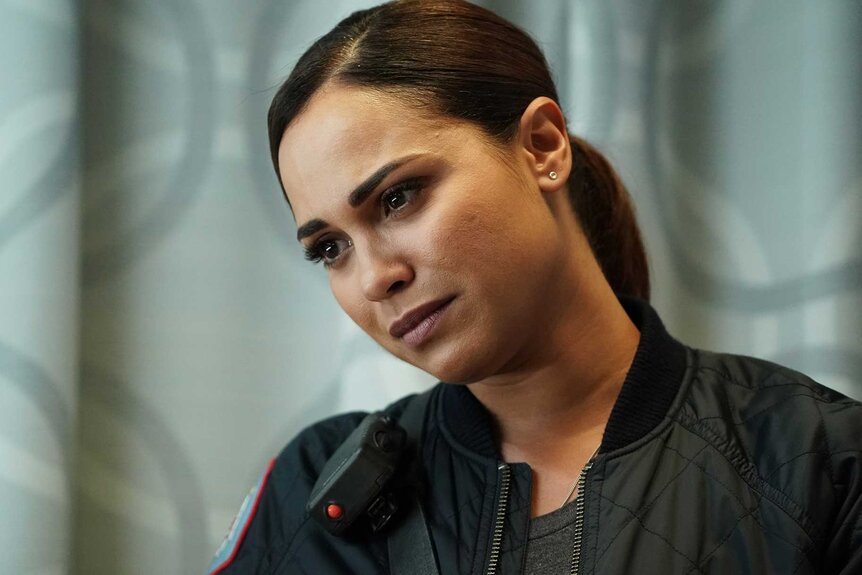
The show handled Dawson‘s absence by acknowledging it and allowing characters to grieve and adapt. Storylines were developed to fill the gap left by her character, introducing new romantic interests, professional challenges, and personal growth opportunities for the remaining cast. The enduring legacy of Dawson‘s time at Firehouse 51 was often referenced, reminding viewers of the indelible mark she left on the show.
Beyond the Finale: Gabby’s Lingering Presence
While Gabrielle Dawson officially departed as a series regular at the end of Season 6, her character did not entirely vanish from the Chicago Fire universe. The beauty of serialized television is the ability to bring back beloved characters for guest appearances, providing closure or revisiting compelling storylines.
Guest Appearances and Storyline Threads
Monica Raymund reprised her role as Gabrielle Dawson in a guest appearance in Season 7. This return was a significant event for fans, offering a chance to see Gabby again and understand her progress in Puerto Rico. Her reappearance allowed for a brief but impactful continuation of her story, reinforcing her commitment to her humanitarian work and providing an update on her life outside of Chicago.
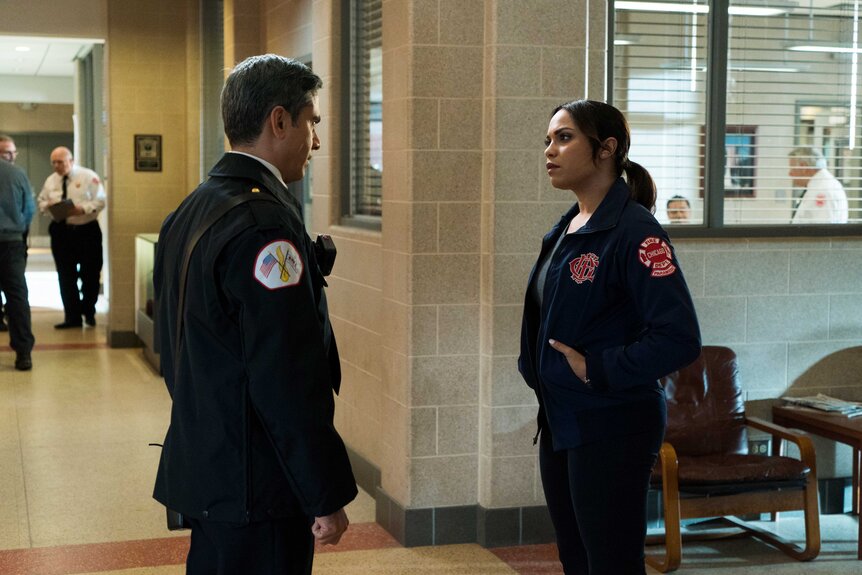
This guest appearance served to remind the audience that Dawson‘s story was ongoing, even if it was no longer a primary focus of the series. It also offered a sense of closure for many fans who had followed her journey for so long. The interaction between Dawby (the portmanteau for Dawson and Casey) was particularly poignant, showcasing the enduring affection between the two characters, despite their separation.
The nature of her departure also left room for the possibility of future returns. Because she left to pursue a noble cause, it was always conceivable that she might return to Chicago for a visit or for a specific storyline that required her expertise or presence. The showrunners have often used these guest appearances to tie up loose ends or to provide fan service, and Gabby‘s return was a prime example of this strategy.
The Future of Firehouse 51 Without Gabby
The departure of Gabby Dawson undeniably changed the landscape of Firehouse 51. The show had to navigate the absence of a key member of its ensemble, both in terms of character dynamics and the types of storylines that could be explored.
The introduction of new characters and the development of existing ones became even more crucial. Sylvie Brett, who had been a partner to Dawson in the paramedic unit, stepped further into the spotlight, taking on more responsibility and experiencing significant personal and professional growth. Her relationship with Matt Casey also evolved, offering a new romantic dynamic within the firehouse.
The writers also found ways to incorporate Dawson‘s influence even in her absence. Her dedication to her profession and her compassionate spirit served as an inspiration to the remaining characters. Discussions about her work in Puerto Rico occasionally came up, reminding viewers of her impact beyond Chicago.
Ultimately, Chicago Fire has a proven track record of adapting to character departures and maintaining its narrative momentum. The show’s ability to introduce new elements while honoring the history of its established characters has been key to its longevity. Gabby Dawson‘s exit, while a significant moment, was handled with care and ultimately allowed the series to continue exploring new facets of the lives of the firefighters and paramedics of Firehouse 51. Her story, though no longer front and center, remains a fond memory for many viewers and a testament to the strong writing and performances that have defined Chicago Fire.