
The allure of a New York winter is undeniable. Imagine the iconic skyline dusted with white, the festive lights of Times Square twinkling against a snowy backdrop, and the unique charm of Central Park transformed into a winter wonderland. For many, this picture-perfect scene is a dream vacation, and understanding when this magical transformation typically occurs is key to planning the perfect trip. While the exact timing of the first snowfall is as unpredictable as the weather itself, we can delve into historical patterns, typical periods, and the factors that influence snowfall in the Empire State.

Planning a trip to experience New York‘s winter charm involves more than just booking flights and accommodation; it’s about aligning your visit with the most probable period for snowfall. Whether you’re dreaming of ice skating on a frozen pond, witnessing the grandeur of a snow-covered Statue of Liberty, or simply enjoying a cozy afternoon in a charming boutique hotel, knowing the typical onset of winter weather is crucial. This guide will help you navigate the anticipation and prepare for the possibility of a white Christmas or a crisp January snowfall in the bustling metropolis of New York City and its surrounding regions.
The Anticipation: Early Signs and Typical First Snowfall
The question of “When does it begin to snow in New York?” is a frequent one for prospective visitors and even long-time residents. While the city experiences four distinct seasons, the transition into winter can be gradual, with a mix of cold rain, frost, and the first tentative flakes.
November: The Prelude to Winter
November in New York often serves as a prelude to winter. The vibrant fall foliage gives way to bare trees, and temperatures begin a noticeable descent. While significant snowfall is uncommon in early November, the latter half of the month can occasionally bring the first icy whispers of winter.
Early November generally sees temperatures hovering in the 40s and 50s Fahrenheit. It’s not unusual for precipitation during this time to manifest as cold rain or sleet rather than snow. However, weather patterns can be dynamic, and there have been years where late November witnessed light dustings of snow, particularly in the northern parts of New York state. For New York City, the chances of seeing snow in early November are quite slim, but it’s not entirely impossible for a stray, fleeting flake to appear, especially during a particularly cold snap.
As Thanksgiving Day approaches, the likelihood of encountering colder weather increases. This holiday often marks a turning point, with many experiencing their first taste of winter’s chill. While a full-blown snowstorm is rare on Thanksgiving, the conditions become more favorable for snow to begin accumulating. This is also a popular time for the city to begin its elaborate holiday decorations, adding to the festive atmosphere even before the snow arrives.
December: The Most Likely Month for Snowfall
December is statistically the month when New York is most likely to experience its first significant snowfall. The average temperature consistently drops into the 30s Fahrenheit, creating the perfect conditions for snow.
Early December often brings the first real signs of winter. While a heavy snowfall isn’t guaranteed, it’s common for the city to experience its initial snow events during this period. These early snowfalls can range from light, picturesque dustings that lightly coat the streets and parks to more substantial accumulations that necessitate clearing sidewalks and adjusting travel plans. For those planning a visit around the beginning of December, the probability of seeing snow is considerably higher than in November.
As the month progresses towards Christmas and New Year’s Eve, the chances of snow continue to rise. The festive period in New York is often intrinsically linked with the imagery of snow. Imagine the iconic Rockefeller Center Christmas Tree illuminated against a backdrop of falling snow, or the shops along Fifth Avenue adorned with glistening white blankets. While a white Christmas is never a certainty, December offers the best odds for experiencing this quintessential winter scene. Historical data shows that the latter half of December frequently sees snow, sometimes leading to beautiful, albeit potentially disruptive, winter storms. The average snowfall in New York City for December can vary significantly year by year, but it’s the month where residents and tourists alike begin to expect and hope for that magical white landscape.
Factors Influencing Snowfall Timing and Intensity
The arrival and intensity of snow in New York are governed by a complex interplay of atmospheric conditions. Several key factors contribute to determining when and how much snow falls.
Temperature: The Crucial Element
The most fundamental requirement for snow is cold air. For snow to form and reach the ground, the temperature in the atmosphere, from the clouds where it originates to the ground level, must be at or below freezing (32°F or 0°C).
Sub-Freezing Temperatures Aloft: Snowflakes, or ice crystals, form in clouds when temperatures are well below freezing. As these crystals grow and aggregate, they fall. If the air temperature in the clouds is cold enough, these crystals will remain frozen.
Surface Temperature: The critical factor for snow reaching the ground is the temperature of the air between the cloud base and the surface. If this entire column of air is at or below freezing, the snowflakes will descend as snow. Even if the temperature at cloud level is well below freezing, if the air near the ground is above freezing, the snowflakes will melt and reach the ground as rain or a mix of rain and sleet.
The Threshold for Snow: Therefore, for New York to see snow, the air temperature must be consistently at or below freezing for extended periods. This is why the transition from autumn to winter, with its gradually decreasing temperatures, is key. Early season snow often melts quickly if temperatures fluctuate around the freezing point, leading to slushy conditions. It’s when temperatures consistently remain in the low 30s Fahrenheit or below that accumulating snow becomes a distinct possibility. This is why understanding the average temperatures for each month is a good indicator of when to expect snow.
Moisture and Weather Systems: The Delivery Mechanism

Temperature alone does not guarantee snowfall. A sufficient supply of atmospheric moisture and the right kind of weather system are also necessary to bring snow to New York.
Moisture Availability: Snow requires moisture in the atmosphere to form clouds and precipitation. This moisture is often sourced from large bodies of water, such as the Atlantic Ocean or the Great Lakes. When cold, dry air masses interact with warmer, moister air masses, or when low-pressure systems draw in moisture from these sources, the conditions become favorable for precipitation.
Low-Pressure Systems: Winter storms in New York are typically associated with the passage of low-pressure systems. These systems can draw in cold air from the north and moist air from the south, creating a perfect recipe for snowfall. The track and intensity of these systems are critical. A storm that tracks just east of New York City might bring heavy snow, while one that passes to the west could result in rain or a wintry mix.
Nor’easters: A particularly impactful type of storm for the Northeastern United States is a Nor’easter. These powerful storms develop off the Atlantic coast and draw in abundant moisture from the ocean, often bringing heavy snowfall, strong winds, and blizzard conditions to New York and surrounding areas. The timing and strength of these Nor’easters can significantly influence the overall snowfall totals for a winter season and can bring snow at any point from late autumn through early spring.
Geographic Variations within New York State
While New York City is often the focus, it’s important to remember that New York is a large state with diverse geography, leading to variations in snowfall patterns.
Coastal vs. Inland: New York City and its coastal areas tend to experience slightly milder winters due to the moderating influence of the Atlantic Ocean. Snowfall here can be more prone to melting, especially early or late in the season. Inland areas, particularly those further upstate, often experience colder temperatures and more consistent snow cover.
Upstate Snow Belts: Regions around the Great Lakes, such as Buffalo and Rochester, are famous for receiving substantial lake-effect snow. This phenomenon occurs when cold air masses move over the relatively warmer waters of the Great Lakes, picking up moisture and depositing it as snow in downwind areas. These “snow belts” can receive significantly more snowfall than New York City, and snow can begin to accumulate there earlier in the season.
Adirondack Mountains and Catskill Mountains: Higher elevations in mountainous regions like the Adirondacks and Catskills also tend to get more snow and hold onto it longer. Ski resorts in these areas often open in late November or early December, indicating consistent cold temperatures and snowfall at higher altitudes. Therefore, if your primary goal is to experience significant snowfall and winter activities, considering destinations outside of New York City might be beneficial, and these areas might see their first snows even before the city does.
Planning Your Snowy Getaway to New York
For those dreaming of a winter escape to New York, understanding the typical snowfall patterns is a crucial part of the planning process. While a guaranteed blanket of snow is elusive, strategic timing and a flexible mindset can greatly enhance your chances of experiencing the magic.
Best Times to Visit for Snowfall Probability
Based on historical data and general climate patterns, certain periods offer a higher likelihood of encountering snow in New York.
Late November to Mid-December: This period represents the sweet spot for early winter snow enthusiasts. While not guaranteed, the chances of witnessing the first significant snowfalls, especially in New York City, are at their peak. This timing also allows for enjoying the festive holiday decorations without the peak crowds of the week leading up to Christmas. Imagine strolling through Central Park as the first delicate snowflakes begin to fall, or enjoying a warm drink in a cozy cafe after a light dusting covers the streets.
January: While December often gets the hype for holiday snow, January is frequently New York‘s snowiest month statistically. Temperatures are consistently colder, and the conditions are ripe for more substantial snow events. Visiting in January can offer a more reliable snow experience, with frozen ponds for skating, beautifully snow-covered landscapes, and fewer holiday crowds. It’s an excellent time for those seeking a more classic, winter-focused experience, perhaps with opportunities for winter sports in upstate regions.
Late Winter (February): Although the probability of significant snow might decrease slightly compared to January, February can still deliver beautiful winter scenes and snowy conditions. This month often brings a crisp, cold atmosphere and the possibility of late-season snowstorms that can transform the city once more. It’s a good option for those looking to avoid the peak holiday season altogether but still hoping for a snowy ambiance.
Accommodation and Travel Tips for Winter Visitors
When planning a winter trip to New York, choosing the right accommodation and being prepared for winter travel conditions can make all the difference.
Accommodation Choices:
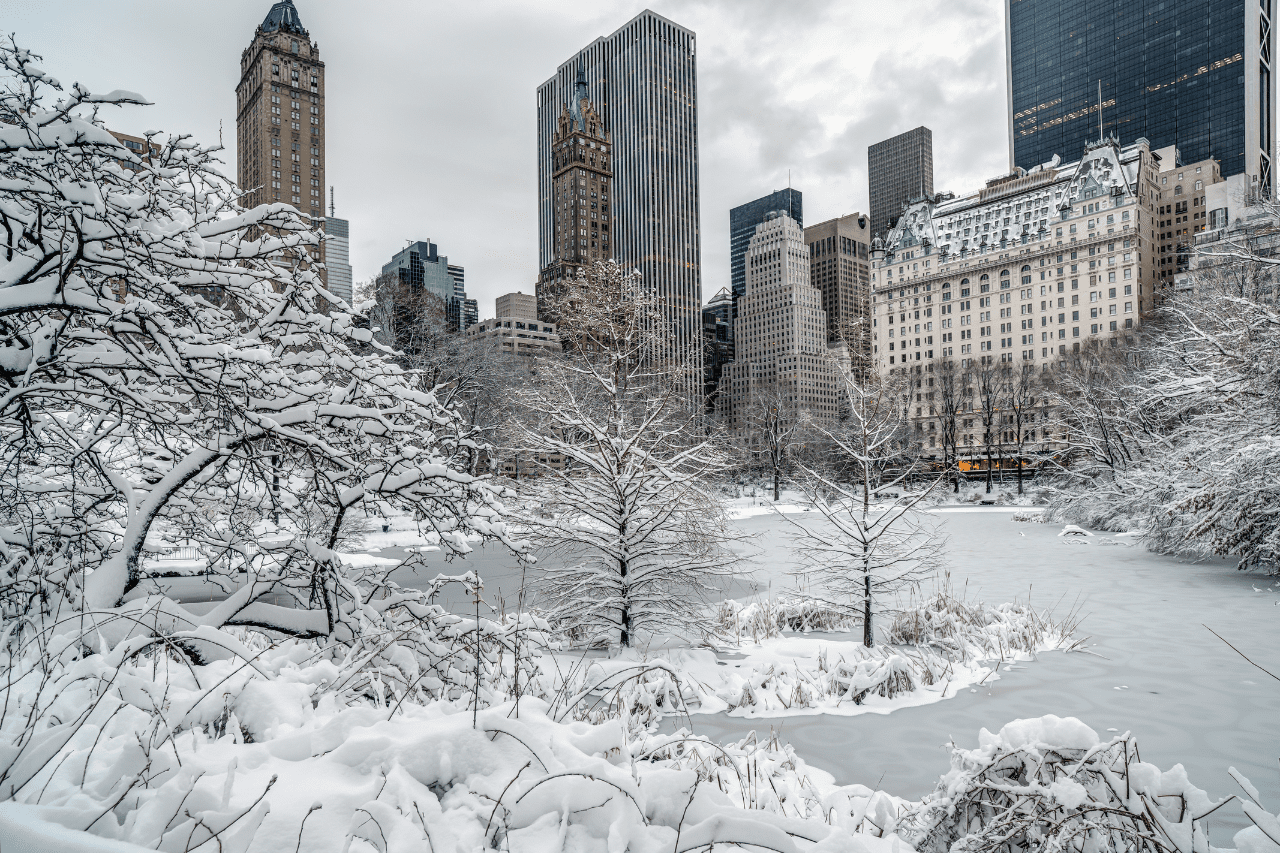
For those seeking a luxurious winter experience, consider hotels like The Plaza Hotel, known for its iconic elegance and prime location near Central Park, which is particularly stunning when dusted with snow. For a more boutique feel, The Carlyle, A Rosewood Hotel offers classic New York charm. If you prefer a resort-like experience within reach of the city, consider options in the Hudson Valley or the Catskills, which often offer amenities like fireplaces and stunning winter views. For families, apartments or suites in well-located hotels can provide extra space and convenience. Booking in advance is highly recommended, especially during the popular holiday season.
Travel Preparedness:
If snow is in the forecast, adjust your travel plans accordingly. Flights can be delayed or canceled due to severe weather, so building some flexibility into your itinerary is wise. For getting around New York City, the subway system is generally reliable even during snowstorms, providing a consistent way to navigate the city. If you plan to drive, ensure your rental car is equipped for winter conditions, or rely more heavily on public transportation. Always check weather forecasts and travel advisories before and during your trip. Dressing in warm, waterproof layers, including a good coat, hat, gloves, and waterproof boots, is essential for enjoying the winter atmosphere comfortably.
By considering these factors, you can maximize your chances of experiencing the enchanting snowfall that makes a New York winter so memorable, whether you’re staying in a bustling Manhattan hotel or exploring the winter landscapes upstate.
LifeOutOfTheBox is a participant in the Amazon Services LLC Associates Program, an affiliate advertising program designed to provide a means for sites to earn advertising fees by advertising and linking to Amazon.com. Amazon, the Amazon logo, AmazonSupply, and the AmazonSupply logo are trademarks of Amazon.com, Inc. or its affiliates. As an Amazon Associate we earn affiliate commissions from qualifying purchases.