
For many, the image of New York City, and indeed much of the state, is inextricably linked with the soft hush of falling snow. The iconic, almost magical transformation of the urban landscape or the serene beauty of a winter countryside is a draw for many travelers and a cherished experience for residents. Understanding when to expect this winter wonderland is crucial for planning any trip or simply appreciating the seasonal rhythm of this diverse state. From the bustling streets of Manhattan to the Adirondack Mountains, snowfall patterns in New York vary, offering different experiences depending on the region and the timing.

Understanding New York’s Winter Climate
New York experiences a distinct four-season climate, with winter being a significant and often dramatic part of the annual cycle. The state’s geographical diversity, stretching from the Atlantic coast to the Great Lakes and the Appalachian Mountains, influences its winter weather. Generally, the colder months arrive in earnest in December and can extend through March, with January and February typically being the coldest and snowiest. However, the precise timing and intensity of snowfall are subject to a multitude of meteorological factors.
Coastal vs. Inland Snowfall Patterns
The coastal regions, including New York City and Long Island, tend to experience slightly milder winters compared to the interior and northern parts of the state. While snow is common, it can sometimes be a mix of rain or sleet due to proximity to the ocean, which moderates temperatures. This means that snowfall in the city might be less consistent or accumulate to lesser depths than in upstate regions.
Conversely, inland and northern areas, such as the Adirondack Mountains and the areas bordering Lake Ontario and Lake Erie, are known for their more substantial and prolonged snowfall. These regions often benefit from lake-effect snow, a phenomenon where cold air masses moving over the warmer lake waters pick up moisture and deposit it as heavy snow on downwind shores. Ski resorts in areas like Lake Placid are often reliant on these consistent winter conditions.
The Influence of the Great Lakes
The Great Lakes play a pivotal role in shaping winter weather across western and northern New York. Areas downwind of Lake Erie and Lake Ontario frequently receive significant snowfall, especially during the late fall and winter months. This phenomenon, known as lake-effect snow, can result in localized heavy snow bands, leading to substantial accumulations that can impact travel and daily life. Towns and cities along these lake shores often experience some of the heaviest snowfalls in the state.
The Typical Snowfall Season
While the official start of winter is in December, the precursors to snow often begin earlier, and the season can linger well into spring. Understanding the typical monthly patterns provides a clearer picture for those planning a visit or anticipating winter activities.
November: The Early Whispers of Winter
November is a transitional month in New York. While widespread snow is not typical at the beginning of the month, especially in southern regions, it is not uncommon for the first snowflakes to appear, particularly in the northern and higher elevation areas. These early snowfalls are often light and may not accumulate significantly, serving more as a preview of the winter to come. By late November, particularly around Thanksgiving, there is a greater chance of snow, especially in upstate locales.
December: The Official Arrival of Snow
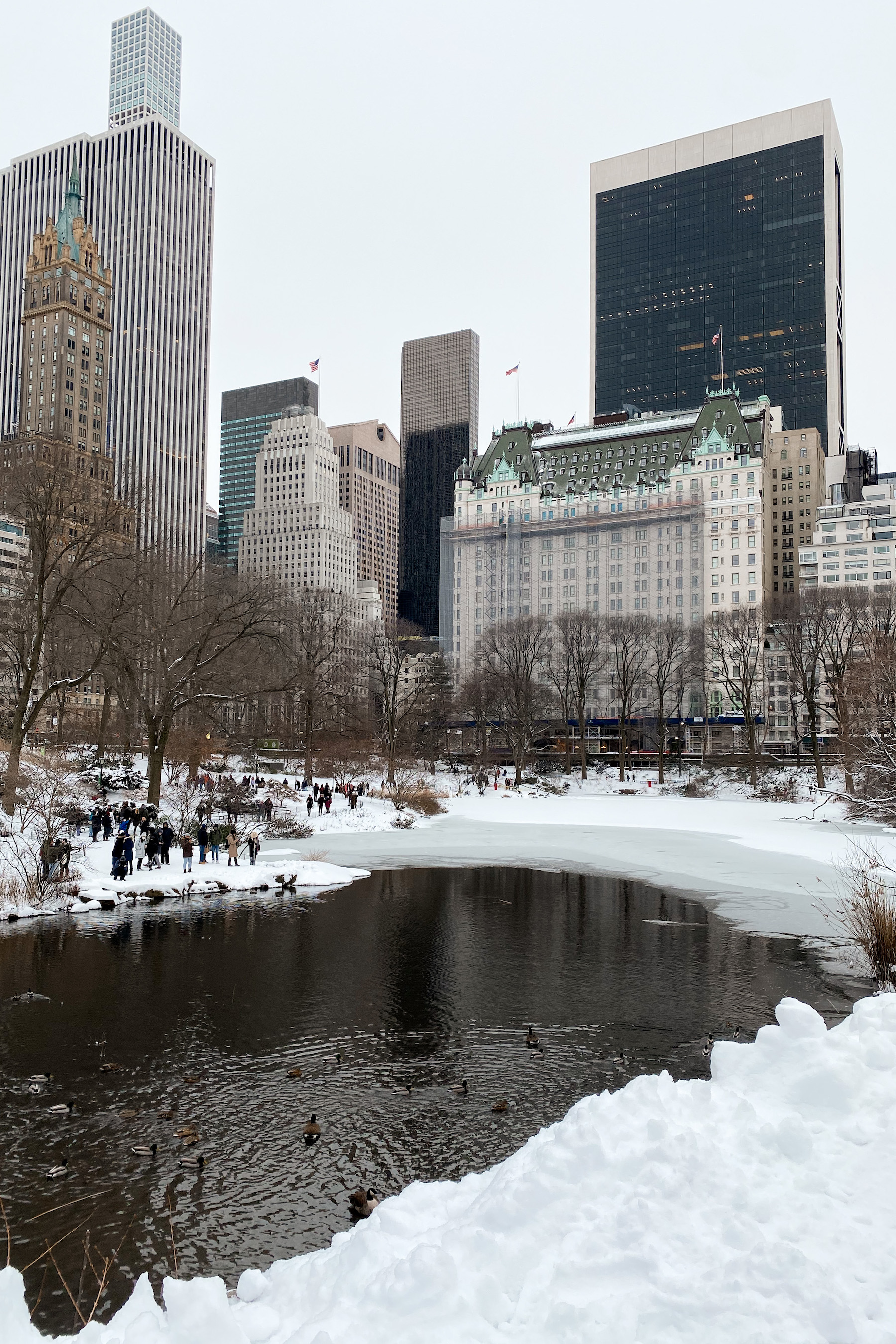
December marks the true beginning of the winter season across New York. Snowfall becomes more frequent and reliable, with accumulations starting to build. While early December might still see variable conditions, the latter half of the month typically brings more consistent snow. New York City often experiences its first significant snowfall in December, transforming its famous landmarks like Times Square and Central Park into picturesque winter scenes. Upstate, December is generally a reliable month for winter sports enthusiasts, with ski resorts opening and winter activities becoming widespread.
January: The Peak of Winter
January is unequivocally the coldest and often the snowiest month in New York. This is when the state is most likely to experience substantial snowstorms, with significant accumulations possible across all regions. For areas affected by lake-effect snow, January can bring periods of intense snowfall, creating a true winter wonderland. The Adirondack Mountains are particularly known for their heavy snowfalls in January, making it an ideal time for skiing, snowboarding, and other winter sports at destinations like Belleayre Mountain or Hunter Mountain.
February: Continued Winter Conditions

February generally continues the winter trend established in January. While temperatures may start to moderate slightly towards the end of the month, significant snowfall is still common. Many of the heaviest snowfalls and the most consistent winter conditions occur throughout February. The chance of snow remains high, and the landscape often remains blanketed in white, offering continued opportunities for winter recreation.
March: The Lingering Frost
March is another transitional month, signaling the slow retreat of winter. While the beginning of March can still bring snow, and sometimes even significant snowstorms, the frequency and intensity tend to decrease as the month progresses. Warmer temperatures begin to melt existing snow cover, and the chances of rain become more prevalent. However, in the higher elevations and northern parts of the state, snow can linger well into March, and late-season snowfalls are not unheard of.
Factors Influencing Snowfall
Several interconnected meteorological factors determine precisely when and how much snow falls in New York. Understanding these elements can help in anticipating winter weather patterns.
Temperature Thresholds
The most fundamental requirement for snow is that the atmospheric temperature must be at or below freezing (32°F or 0°C) from the clouds to the ground. Even if the ground temperature is slightly above freezing, snow can still accumulate if the air aloft is cold enough. Conversely, if temperatures rise above freezing, precipitation will fall as rain or sleet, even if snow is falling elsewhere in the state. This is why coastal regions might receive a mix of precipitation while inland areas get pure snow during the same weather system.
Moisture Availability
Snowfall requires moisture in the atmosphere to form clouds and precipitation. This moisture is often drawn from large bodies of water, such as the Atlantic Ocean and the Great Lakes, or from weather systems moving across the continent. The interaction between cold air masses and these moisture sources is critical for generating snowfall.
Storm Systems and Air Masses
The arrival of cold, moist air masses and the passage of low-pressure systems are the primary drivers of snowstorms. These systems can draw moisture from various sources and, when the temperature conditions are right, deliver significant amounts of snow. The intensity and track of these storms determine the severity and geographical distribution of snowfall. For instance, a storm tracking along the Atlantic coast might bring heavy snow to Long Island and the metropolitan area, while a storm originating from the Great Lakes will likely impact upstate regions more profoundly.
Planning Your Snowy New York Experience
Whether you’re aiming for the festive atmosphere of a snowy New York City holiday or seeking thrilling ski adventures upstate, knowing when snow is most likely to fall is key to a successful and enjoyable trip.
Winter Holiday Magic in New York City
For many, the quintessential New York winter experience involves the holiday season. From late November through December, the city is adorned with festive lights and decorations. While snow is not guaranteed for Christmas, the period between Thanksgiving and New Year’s often sees the first significant snowfalls, adding a magical touch to the city’s iconic sights like the Rockefeller Center Christmas Tree and Fifth Avenue. If your primary goal is to experience a snowy New York City, aiming for late December or January will significantly increase your chances. Consider staying at hotels like the Plaza Hotel or St. Regis New York for an immersive experience.
Upstate Winter Adventures
For those who dream of pristine snow-covered landscapes and outdoor winter activities, upstate New York is the destination. The Catskill Mountains and Adirondack Mountains are prime locations for skiing, snowboarding, snowshoeing, and ice skating. January and February are typically the most reliable months for heavy snow and excellent skiing conditions at resorts such as Lake Placid Olympic Museum region or areas around Saratoga Springs. Planning a trip during these months ensures you’ll encounter the best of what New York has to offer in terms of winter recreation. Lodging options range from cozy cabins and boutique hotels in towns like Woodstock to full-service resorts near major ski areas.
Embracing the Unexpected
While historical patterns provide a strong indication, winter weather can be unpredictable. It’s always advisable to check the forecast closer to your travel dates, especially if experiencing snow is a high priority for your visit. Sometimes, surprising early snowfalls can occur in November, or late-season snow can grace the landscape in March, offering unexpected delights for those who are prepared to embrace them. Regardless of the exact timing, winter in New York offers a unique and memorable travel experience.
LifeOutOfTheBox is a participant in the Amazon Services LLC Associates Program, an affiliate advertising program designed to provide a means for sites to earn advertising fees by advertising and linking to Amazon.com. Amazon, the Amazon logo, AmazonSupply, and the AmazonSupply logo are trademarks of Amazon.com, Inc. or its affiliates. As an Amazon Associate we earn affiliate commissions from qualifying purchases.