
The allure of a snow-dusted New York City is a captivating vision, drawing travelers from across the globe who dream of witnessing iconic landmarks cloaked in a pristine white blanket. From the glittering storefronts of Fifth Avenue to the serene landscapes of Central Park, snowfall transforms the bustling metropolis into a picturesque winter wonderland, offering a unique blend of urban charm and seasonal magic. But for those planning a visit, a crucial question arises: when exactly can one expect to experience this enchanting phenomenon? Understanding New York City’s snowfall patterns is key to planning the ultimate winter getaway, ensuring you’re there to witness the city’s most breathtaking transformation.

While the thought of snow might conjure images of extreme cold, New York City’s winter climate is surprisingly dynamic. The city, situated on the northeastern coast of the United States, experiences a humid continental climate, characterized by cold winters and warm, humid summers. This geographical positioning, coupled with oceanic influences from the Atlantic Ocean and occasional cold air masses from Canada or the Great Lakes region, sets the stage for a distinct snow season. It’s not uncommon for residents and visitors alike to experience the thrill of the first flakes dusting the urban landscape, creating memories that last a lifetime. Whether you’re a first-time visitor hoping to catch a glimpse of a snowy Times Square or a seasoned traveler looking for the best time to enjoy winter activities, delving into the city’s snowfall calendar is the perfect starting point for your adventure.
The Typical Snow Season in New York City
While the exact timing and intensity of snowfall can vary significantly from year to year due to numerous meteorological factors, there’s a general window during which New York City is most likely to receive snow. The city typically experiences its first light dusting around late November, with the bulk of its snow accumulation occurring in the heart of winter.
Early Winter: November and December
The very first signs of winter often appear in late November, though significant snowfall is rare during this month. These early snow events are typically light, amounting to little more than a flurry that might momentarily dust rooftops and trees before quickly melting away. Nevertheless, these early flakes can add a magical touch to the Thanksgiving holiday period, particularly when combined with the festive decorations and holiday markets beginning to emerge across the boroughs of Manhattan, Brooklyn, and Queens.
As December progresses, the chances of more substantial snowfall increase, especially towards the latter half of the month. Holiday visitors often dream of a white Christmas in New York City, a scene immortalized in countless films and postcards. While not guaranteed every year, a significant snowfall around Christmas and New Year’s Eve transforms the city into an utterly enchanting spectacle. Imagine strolling through Central Park with fresh snow crunching underfoot, or seeing the iconic Rockefeller Center Christmas Tree sparkle against a backdrop of falling snow. These experiences are truly unforgettable and are a major draw for tourists seeking that quintessential NYC winter experience. Local culture thrives during this time, with ice skating at The Rink at Rockefeller Center or Bryant Park‘s Winter Village becoming central to the city’s winter appeal.
Mid-Winter Peak: January and February
January and February represent the peak of New York City’s snow season. These months consistently bring the coldest temperatures and, consequently, the highest likelihood of significant snow events. It’s during this period that the city often experiences its major snowstorms, which can dump several inches, or even feet, of snow, truly transforming the urban landscape. Average monthly snowfall during these two months typically ranges from 7 to 9 inches, with historical records showing much higher totals in particularly active winters.
For travelers hoping to immerse themselves in a truly snowy NYC experience, January and February offer the best odds. While heavy snow can sometimes disrupt travel, the sight of a snow-covered Brooklyn Bridge or a serene Statue of Liberty against a snowy backdrop is well worth any minor inconvenience. This is when the city truly embraces its winter identity, with cozy cafes offering respite from the cold, and museums like the Metropolitan Museum of Art or the Museum of Modern Art providing warm and culturally enriching escapes. Accommodation options, from luxury resorts like The Plaza Hotel to budget-friendly boutique hotels, often feature special winter packages, making it an ideal time for a unique travel experience.
Late Winter/Early Spring: March and April
As winter slowly transitions into spring, the chances of significant snowfall gradually diminish. March can still bring surprising snowfalls, especially in its earlier weeks. It’s not uncommon for New York City to experience one last major snowstorm in early March before temperatures consistently rise. These late-season snows, often heavier and wetter, tend to melt more quickly but can still provide beautiful, albeit fleeting, winter scenes.
By April, snowfall is extremely rare. While a dusting might occur in the very early days of the month, it’s typically an anomaly rather than an expectation. Most of April sees the city shedding its winter coat, with cherry blossoms beginning to bloom in parks and botanical gardens, signaling the arrival of spring. For travelers seeking a snowy landscape, planning a trip beyond mid-March significantly reduces your chances of witnessing snow.
Factors Influencing Snowfall in New York City
Understanding the typical snow season is helpful, but the exact nature of New York City’s snowfall is shaped by a complex interplay of geographical, meteorological, and urban factors. These elements can determine not only when it snows but also how much and for how long.
Geographical Location and Climate Patterns
New York City’s position on the Eastern Seaboard of the United States places it squarely in a zone susceptible to winter storms known as “Nor’easters.” These powerful coastal storms form off the Atlantic Ocean and track northward, bringing significant precipitation, strong winds, and often heavy snowfall to the region. The cold air necessary for snow typically flows down from Canada or the Great Lakes, clashing with the moisture-rich air over the Atlantic. The exact track of a Nor’easter is critical: a slight shift can mean the difference between a heavy snowstorm and a cold rain event for NYC.
Furthermore, the city’s proximity to the Atlantic Ocean also plays a role in tempering temperatures, especially compared to inland areas. The ocean can keep coastal temperatures slightly warmer, sometimes leading to rain or a rain/snow mix even when inland areas experience heavy snow. This “rain line” can be a frustrating factor for snow enthusiasts in the city.
Urban Heat Island Effect
One of the most significant local influences on New York City’s winter weather is the “urban heat island effect.” This phenomenon describes how urban areas, due to their dense concentration of buildings, asphalt, and concrete, absorb and retain more heat than surrounding rural areas. This stored heat is then released, making the city several degrees warmer than its suburbs.
For snowfall, this means that while surrounding areas might receive a significant accumulation, the immediate city center, particularly heavily built-up Manhattan, might experience less snow, or even rain, during marginal temperature events. The urban heat island can cause snow to melt quickly upon hitting the ground, or for precipitation to fall as rain even when temperatures are just below freezing in the surrounding suburbs. This is why a light dusting might last longer in Central Park than on the sidewalks of Times Square.
La Niña and El Niño Phenomena

Broader climatic patterns, such as El Niño and La Niña, also exert a notable influence on New York City’s winter weather. These phenomena involve changes in Pacific Ocean temperatures that impact global weather patterns.
- El Niño: During an El Niño winter, the jet stream tends to shift southward, often leading to warmer and drier conditions across much of the northern United States. For New York City, this typically translates to milder winters with less snowfall than average. Snow lovers might find themselves disappointed during strong El Niño years.
- La Niña: Conversely, a La Niña pattern often results in a northward shift of the jet stream, bringing colder temperatures and potentially more frequent and intense snowstorms to the Northeast. La Niña winters are generally associated with a higher probability of significant snowfall in New York City, making these periods particularly exciting for those chasing a truly white winter experience.
Monitoring these global patterns can offer some predictive insight into whether a particular winter will be a snowy one for New York City.
Experiencing Winter in New York City
Regardless of the snow forecast, New York City in winter is an experience unto itself. The colder months bring a unique energy, fewer crowds than peak tourist seasons, and a calendar packed with seasonal activities that celebrate the magic of the season.
Top Winter Activities and Attractions
When snow blankets the city, certain activities become even more enchanting.
- Ice Skating: A quintessential NYC winter activity, available at iconic locations like The Rink at Rockefeller Center, the larger Winter Village at Bryant Park (which is free if you bring your own skates), and the Wollman Rink in Central Park.
- Exploring Snow-Covered Parks: Central Park is undeniably the star, offering breathtaking vistas from Bethesda Terrace to Bow Bridge. Other parks like Washington Square Park and Prospect Park in Brooklyn also transform into serene, snowy havens perfect for photography or a peaceful stroll.
- Holiday Markets: From late November through December, markets like the Union Square Holiday Market, Grand Central Holiday Fair, and Columbus Circle Holiday Market offer unique crafts, gifts, and delicious seasonal treats.
- Window Displays and Light Shows: The department stores along Fifth Avenue, such as Saks Fifth Avenue, Macy’s Herald Square, and Bloomingdale’s, are famous for their elaborate holiday window displays and mesmerizing light shows, particularly in December.
- Broadway Shows: Winter is an excellent time to catch a Broadway show. Ducking into a warm theater for world-class entertainment is a perfect escape from the cold.
- Museum Hopping: New York City’s unparalleled collection of museums, including the Guggenheim Museum, Metropolitan Museum of Art, and the Museum of Modern Art, offer a warm and enriching way to spend a chilly day.
Where to Stay: Cozy Hotels and Accommodation
Selecting the right accommodation is crucial for a comfortable winter visit. Many New York City hotels embrace the cozy winter aesthetic.
- Luxury Stays: For an indulgent experience, consider historic landmarks like The Plaza Hotel, or upscale options such as the St. Regis New York or the Ritz-Carlton New York, Central Park. These often feature fireplaces, plush interiors, and exceptional service, perfect for escaping the cold.
- Boutique Hotels: Neighborhoods like Greenwich Village, SoHo, and the Lower East Side boast charming boutique hotels like The Ludlow Hotel or Hotel Indigo Lower East Side, offering unique character and often more intimate settings.
- Mid-Range and Budget-Friendly: Options like Archer Hotel New York near Bryant Park or the efficiently designed Yotel New York provide excellent value without compromising on comfort or location. The Pod Hotels offer compact, stylish, and affordable rooms, perfect for budget-conscious travelers.
- Apartment Rentals: For longer stays or family trips, platforms like Airbnb and VRBO offer apartments and villas across the five boroughs, providing more space and the flexibility of a kitchen, which can be invaluable during cold weather. Consider areas like Brooklyn for a more local feel.
Booking in advance is always recommended, especially during the holiday season (late November through early January), even though winter generally sees fewer tourists than summer. Look for amenities like heated pools, spas, or excellent in-house dining to enhance your winter stay.
Essential Tips for Visiting NYC in Winter
Traveling to New York City during winter requires a bit more preparation, but with the right approach, it can be incredibly rewarding.
- Dress in Layers: Temperatures can fluctuate, and you’ll be moving between warm indoor spaces and the cold outdoors. Thermal base layers, a good sweater, a waterproof and windproof outer coat, hats, gloves, and scarves are non-negotiable.
- Waterproof Footwear: Snow and slush are common, so insulated, waterproof boots with good grip are essential for comfortable walking.
- Stay Hydrated and Warm: Combat the dry winter air by drinking plenty of water. Carry a thermos with hot coffee, tea, or hot chocolate for on-the-go warmth.
- Utilize Public Transportation: New York City’s subway system is largely underground, making it an excellent way to navigate the city regardless of surface weather conditions. Buses may be slower in snow, but the subway is usually reliable.
- Check Weather Forecasts: Keep an eye on local weather reports before and during your trip to anticipate snowstorms or extreme cold snaps.
- Flexibility is Key: While NYC is remarkably resilient in snow, heavy storms can cause delays or cancellations for flights, trains, and even some events. Having a flexible itinerary can help manage unexpected changes.
Planning Your Snowy Getaway to NYC
Embracing winter in New York City means preparing for both the beauty and the practicalities that come with colder weather and potential snowfall. A well-thought-out plan ensures that your trip is comfortable, enjoyable, and filled with indelible memories.
What to Pack
Your packing list for a snowy New York City trip should prioritize warmth, dryness, and comfort. Beyond the layering essentials (thermal underwear, wool socks, sweaters), invest in a high-quality winter coat. Look for one that is waterproof, insulated, and extends below the waist for maximum protection. Scarves, hats, and gloves (or mittens) are critical for protecting extremities from the biting wind. Don’t forget lip balm and a good moisturizer, as the cold, dry air can be harsh on skin. If you plan on doing a lot of walking or sightseeing in potentially snowy conditions, consider packing two pairs of waterproof boots so one can dry out if it gets wet. Lastly, pack comfortable indoor shoes or slippers for your hotel room – a welcome luxury after a day of exploring in heavy boots.
Navigating the City in Snow
Even with snow on the ground, New York City remains remarkably accessible. The Department of Sanitation works tirelessly to clear major roads and sidewalks, but side streets and less-trafficked areas might remain slushy or icy. The subway is your best friend during snowy conditions, as it runs unaffected by surface weather. However, allow extra travel time, as trains can sometimes experience minor delays, and platforms might be more crowded. Buses operate, but their routes can be slower due to traffic and road conditions. Taxis and ride-shares will be in high demand and might experience surge pricing. Walking can be delightful, but always exercise caution on potentially slippery surfaces. Iconic landmarks like the Empire State Building, Grand Central Terminal, and the vibrant Wall Street area are all open, providing opportunities to see NYC’s famous places under a unique, snowy light.
Capturing the Magic
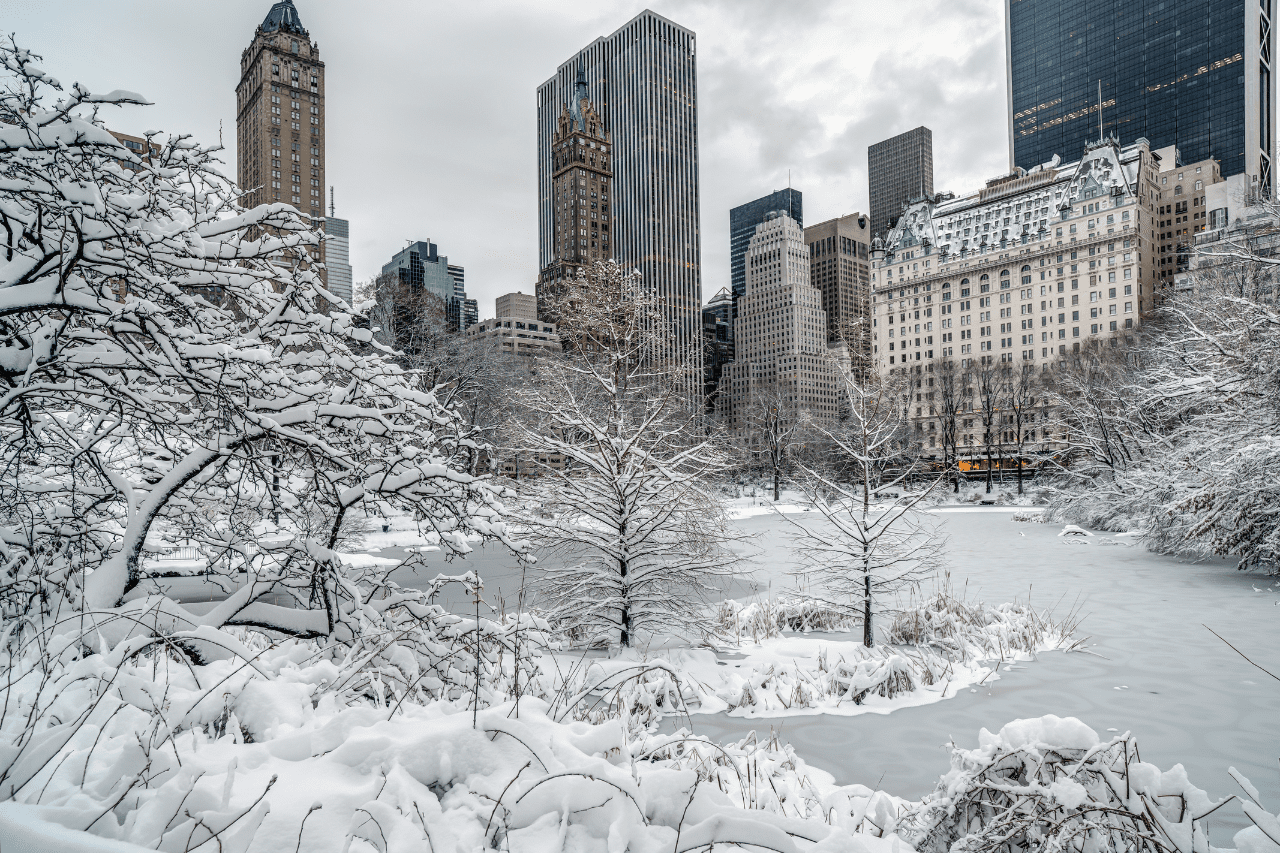
A snow-covered New York City offers unparalleled photographic opportunities. From the sweeping vistas of Central Park with the city skyline as a backdrop, to the bustling energy of Times Square with flakes falling, every corner holds a potential masterpiece. Consider bringing a waterproof case for your phone or camera to protect it from moisture. Battery life can also decrease rapidly in cold weather, so portable chargers are a wise addition to your gear. Look for reflections in puddles, the intricate patterns of snowflakes on lamp posts, or the cozy glow of shop windows against a snowy street scene. The soft, diffused light on a snowy day is perfect for capturing the city’s unique charm, making your travel photos truly stand out. Whether it’s a family trip, a romantic getaway, or a solo adventure, the memories captured against a snowy backdrop will be treasured for years to come.
In conclusion, while predicting the exact timing and intensity of snowfall in New York City is akin to predicting the future, the general window for experiencing a snowy wonderland falls predominantly between late December and February, with January and February offering the highest probability. Understanding the climatic factors and preparing adequately will ensure that your winter journey to New York City is not just a visit, but a truly magical and memorable experience. So bundle up, embrace the chill, and get ready to discover the unparalleled beauty of NYC under a blanket of snow.
LifeOutOfTheBox is a participant in the Amazon Services LLC Associates Program, an affiliate advertising program designed to provide a means for sites to earn advertising fees by advertising and linking to Amazon.com. Amazon, the Amazon logo, AmazonSupply, and the AmazonSupply logo are trademarks of Amazon.com, Inc. or its affiliates. As an Amazon Associate we earn affiliate commissions from qualifying purchases.