
California, a land of breathtaking diversity, stretches from the arid deserts of the south to the towering redwood forests of the north, encompassing iconic cities, world-renowned landmarks, and a coastline that defines the western edge of the United States. This vast state is a magnet for travelers year-round, offering everything from the glitz of Hollywood and the golden charm of San Francisco to the natural grandeur of Yosemite National Park and the sun-drenched beaches of San Diego. However, the Golden State’s climate, while often associated with perpetual sunshine, experiences distinct seasonal shifts, with rainfall playing a crucial role in its landscape and agricultural bounty. Understanding when the rains arrive is essential for planning any trip, from seeking out the lush greenery that follows the downpours to avoiding potential travel disruptions.

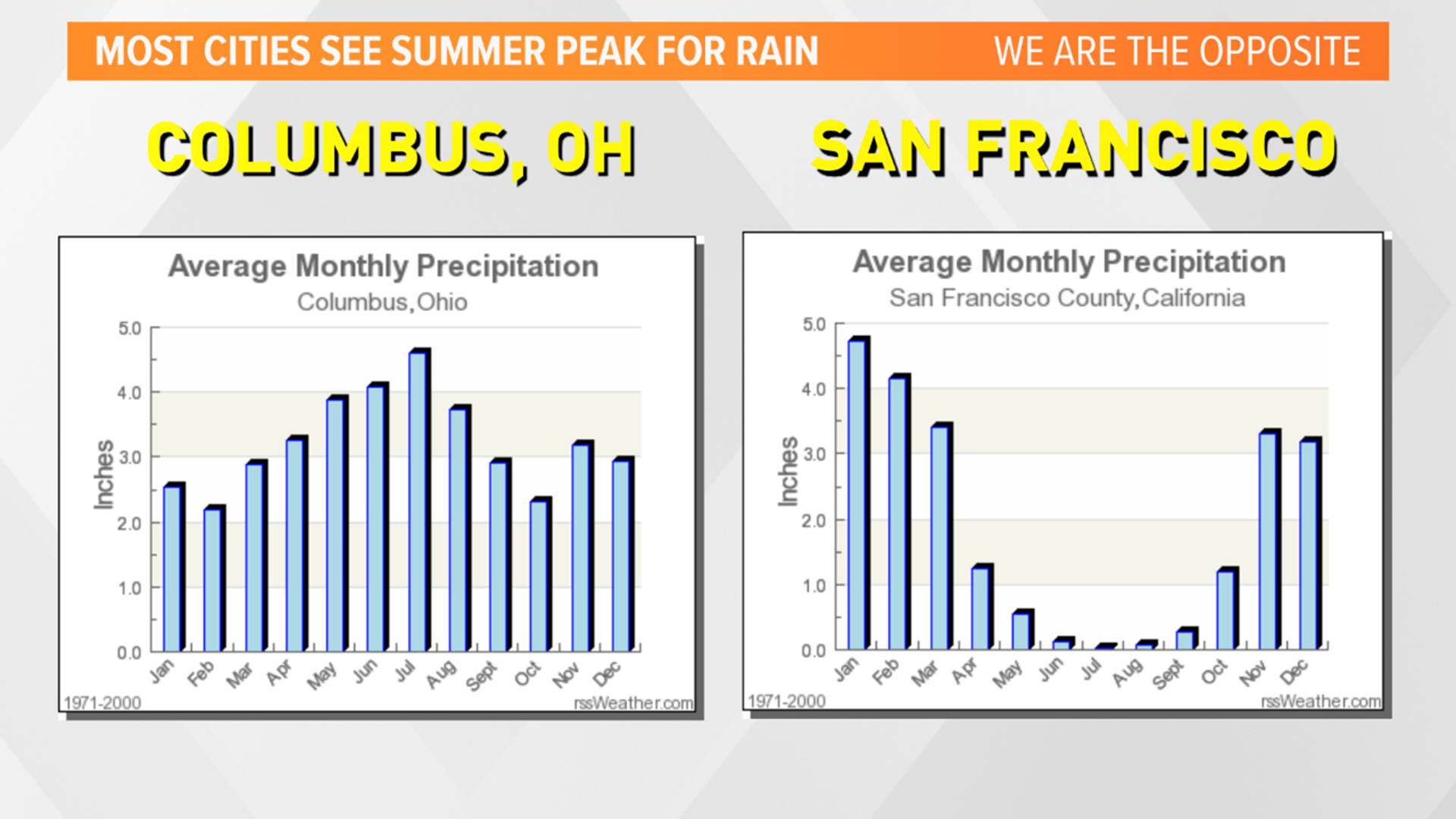
The typical perception of California is one of endless summer, a place where outdoor adventures are always on the menu. While this holds true for much of the year, particularly during the summer months, California’s rainfall patterns are primarily dictated by a Mediterranean climate in the southern half of the state and a more oceanic climate in the north. This means that the majority of the precipitation occurs during the cooler seasons. For most of California, the wettest period is generally between November and March. This winter season is when the storms roll in from the Pacific Ocean, bringing much-needed water to quench the land and fill the reservoirs.
The intensity and duration of this rainy season can vary significantly from year to year, influenced by complex weather phenomena such as El Niño and La Niña events. These oceanic and atmospheric patterns can dramatically alter precipitation levels, leading to either drought conditions or widespread flooding. Therefore, while a general timeframe exists, the exact start and end of the rainy season, as well as its severity, remain somewhat unpredictable.
Understanding California’s Rainfall Patterns by Region
California’s immense size and varied topography mean that its climate is not monolithic. The state can be broadly divided into several climatic zones, each with its own unique rainfall patterns. Understanding these regional differences is key to predicting when and where you might encounter rain.
Southern California: The Arid Embrace of Winter Rains
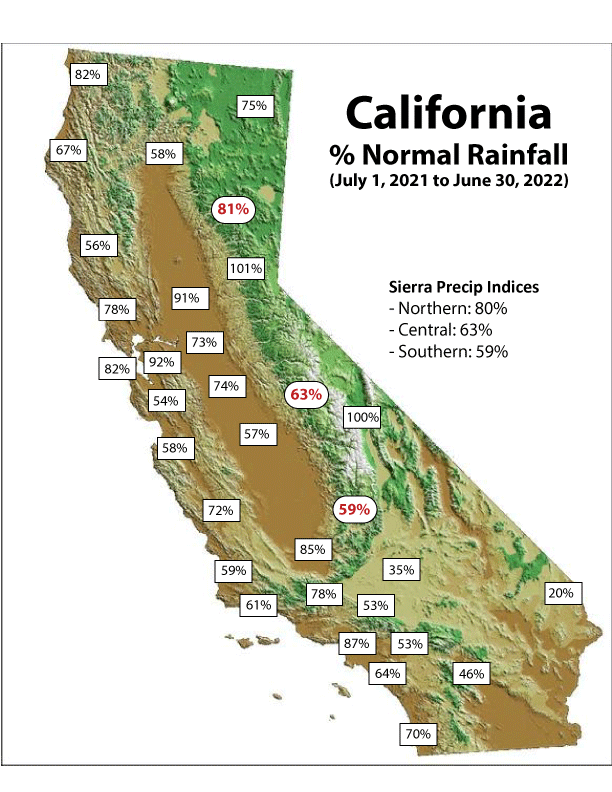
Southern California, encompassing sprawling metropolises like Los Angeles and the sunny shores of Orange County, experiences a climate characterized by hot, dry summers and mild, wet winters. The majority of its annual rainfall is concentrated between November and March. During this period, the region often experiences what are locally known as “winter storms” or “atmospheric rivers,” which can bring heavy downpours, sometimes leading to flash floods, especially in the canyons and urban areas.
The coastal plains and inland valleys of Southern California receive a moderate amount of rain, sufficient to keep the landscape from becoming completely parched. However, areas further inland, like the Mojave Desert, receive very little rainfall annually, with most of its precipitation coming in sporadic thunderstorms during the summer months or occasional winter storm systems.
Cities like San Diego, known for its pleasant year-round climate, still adhere to this general pattern, with their rainiest months typically falling between December and February. While sunshine is abundant for much of the year, travelers planning a visit to Southern California during the winter months should always be prepared for the possibility of rain, especially if their itinerary involves outdoor activities or exploring natural attractions. The rain, however, also brings a unique beauty, transforming the often-brown hillsides into vibrant shades of green, a welcome sight after the dry summer.
Central California: A Transition Zone of Rainfall
The central part of California, stretching from the agricultural heartland of the Central Valley to the rugged coastline of Big Sur, acts as a transitional zone for rainfall patterns. Here, the influence of both the northern and southern climate systems is felt. Generally, the rainy season also occurs between November and March, but the amount of precipitation can be more varied than in the south.
The Central Valley is renowned for its agricultural productivity, heavily reliant on the winter rains and snowmelt from the Sierra Nevada mountains. Cities like Fresno and Bakersfield experience a climate that is hotter and drier in the summer compared to the coast, with winters being mild and receiving the bulk of their precipitation.
Along the central coast, areas like Monterey and Carmel-by-the-Sea can experience more persistent fog, especially during the summer months, but their significant rainfall events are still predominantly in winter. The dramatic cliffs and verdant landscapes of Big Sur are a direct result of these winter rains, which sustain the diverse flora and fauna that make this region so captivating.
Northern California: Pacific Influence and Wet Winters
Northern California, including the iconic city of San Francisco, the wine country of Napa Valley and Sonoma County, and the redwood-draped coast, has a climate that is more strongly influenced by the Pacific Ocean. This leads to cooler summers and wetter winters compared to the southern parts of the state. The rainy season here typically begins earlier and lasts longer, often starting in October and extending through April.
San Francisco, while famous for its fog, also experiences a considerable amount of rain during its winter months. These rains are crucial for replenishing the reservoirs that supply water to much of the state. The areas further north, particularly along the coast and in the Klamath Mountains, receive even more substantial rainfall, supporting the dense forests and lush ecosystems that characterize this region.
The Trinity Alps Wilderness and the Redwood National and State Parks are prime examples of areas that thrive on the abundant winter precipitation. Travelers visiting Northern California during the traditional wet season should be well-prepared for frequent rain showers, which can range from light drizzles to heavy downpours. However, these rains also contribute to the dramatic beauty of the landscape, making it a prime time for photography and for experiencing the raw power of nature.
When to Plan Your Trip: Balancing Rain and Sunshine
Deciding when to visit California often hinges on the desired experience and a traveler’s tolerance for rain. While the state is synonymous with sunshine, understanding the nuances of its rainy season can help optimize your travel plans.
The Dry Season: Summer and Early Autumn (May to October)
The period from May through October is generally considered the driest time of year across most of California. Summer (June to August) is characterized by warm to hot temperatures, particularly inland, and clear, sunny skies. This is the prime time for beach activities in Southern California, exploring national parks like Yosemite and Joshua Tree National Park, and enjoying outdoor festivals and events.
Early autumn, from September to October, often offers a delightful transition. The intense heat of summer begins to subside, and the weather remains largely dry and pleasant. This can be an ideal time for visiting wine regions like Napa Valley, hiking in the mountains, or exploring cities without the peak summer crowds. While the chance of rain is low, occasional “late-season” storms can occur, especially in the northern parts of the state towards the end of October.
The Wet Season: Late Autumn Through Spring (November to April)
The period from November through April marks California’s traditional rainy season. For travelers who don’t mind occasional wet weather and are seeking dramatic landscapes, this can be a wonderful time to visit. The rain revitalizes the state, turning hillsides a vibrant green and filling waterfalls to their full glory.
November often sees the first significant storm systems rolling in, particularly in Northern California. By December and January, rainfall is typically at its peak across the state, though the intensity can fluctuate year to year. This is a time when outdoor activities might require flexibility, and booking indoor attractions or cozy accommodations becomes more appealing.
February and March can still be quite wet, especially in the northern regions. However, towards the end of March and into April, the frequency and intensity of rainfall often begin to decrease, especially in Southern California. Spring can offer a beautiful compromise, with blooming wildflowers in many areas and a lessening chance of prolonged rain. However, travelers should still be prepared for unpredictable weather patterns.
Beyond the Rainfall: Factors Influencing Your California Experience
While understanding the timing of rainfall is paramount, other factors also shape the weather and your experience in California. Awareness of these elements can further refine your travel plans.
The Impact of El Niño and La Niña
The El Niño-Southern Oscillation (ENSO) phenomenon plays a significant role in California’s weather. El Niño years are often associated with increased precipitation, sometimes leading to flooding and mudslides, particularly in Southern California. Conversely, La Niña years tend to bring drier conditions, increasing the risk of drought. These oceanic cycles are monitored by meteorologists, but their precise impact on any given winter’s rainfall can be difficult to predict with certainty months in advance. Travelers should stay updated on ENSO forecasts when planning extended trips during the fall and winter.
Microclimates and Coastal Influence
California is a land of microclimates. The presence of the Pacific Ocean significantly moderates coastal temperatures, making them milder than inland areas. Fog, common along the coast, particularly in the summer, can create its own unique atmospheric conditions, sometimes obscuring views but also contributing to the region’s mystique. For instance, San Francisco’s famous fog is a distinct weather feature, often present even when the rest of the state is experiencing clear skies. Similarly, the Sierra Nevada mountains experience a different climate altogether, with heavy snowfall in the winter, essential for the state’s water supply and a draw for winter sports enthusiasts.
Seasonal Events and Attractions
The timing of your visit can also be influenced by California’s array of seasonal events and attractions. The spring wildflower blooms, particularly in areas like Anza-Borrego Desert State Park, are a direct result of winter rains and are a fleeting spectacle worth planning around. Summer is ideal for visiting theme parks like Disneyland or enjoying outdoor concerts. The fall offers harvest festivals in wine country and the spectacular changing colors in the eastern Sierra Nevada. Even the rainy season has its charm, with dramatic coastal storm watching opportunities and cozy vineyard visits.
Ultimately, the question of “When Does It Start Raining In California?” is best answered by considering the region you plan to visit and the type of experience you seek. While the general pattern points to winter months as the wettest, California’s diverse climate ensures that there is always something to discover, rain or shine. Whether you are drawn to the sun-drenched beaches, the towering mountains, or the vibrant cityscapes, understanding California’s cyclical dance with the rain will undoubtedly enhance your journey through this extraordinary state.