
The allure of Chicago in winter is undeniable. While many associate the Windy City with its vibrant summer festivals and bustling architectural tours, a different kind of magic descends upon its streets when the snow begins to fall. For travelers planning a visit or locals eager to embrace the season, understanding when the first flakes typically grace the urban landscape is key to maximizing the winter experience. This comprehensive guide delves into the meteorological patterns, historical trends, and the delightful ways Chicago transforms when cloaked in white.
The question of “When does it start snowing in Chicago?” isn’t just about a date on the calendar; it’s about unlocking a whole new dimension of travel and tourism. From cozying up in luxurious hotels to exploring iconic landmarks dusted in frost, Chicago in winter offers a unique lifestyle experience that appeals to both seasoned travelers and those seeking a fresh perspective on a beloved metropolis.
Understanding Chicago’s Winter Climate
Chicago’s reputation for harsh winters is well-earned. Situated on the southwestern shores of Lake Michigan, the city experiences a continental climate characterized by four distinct seasons, with winter being particularly pronounced. The proximity to the lake significantly influences its weather, often leading to lake-effect snow, which can produce sudden and intense snowfall in localized areas.
The Statistical Snowfall Timeline
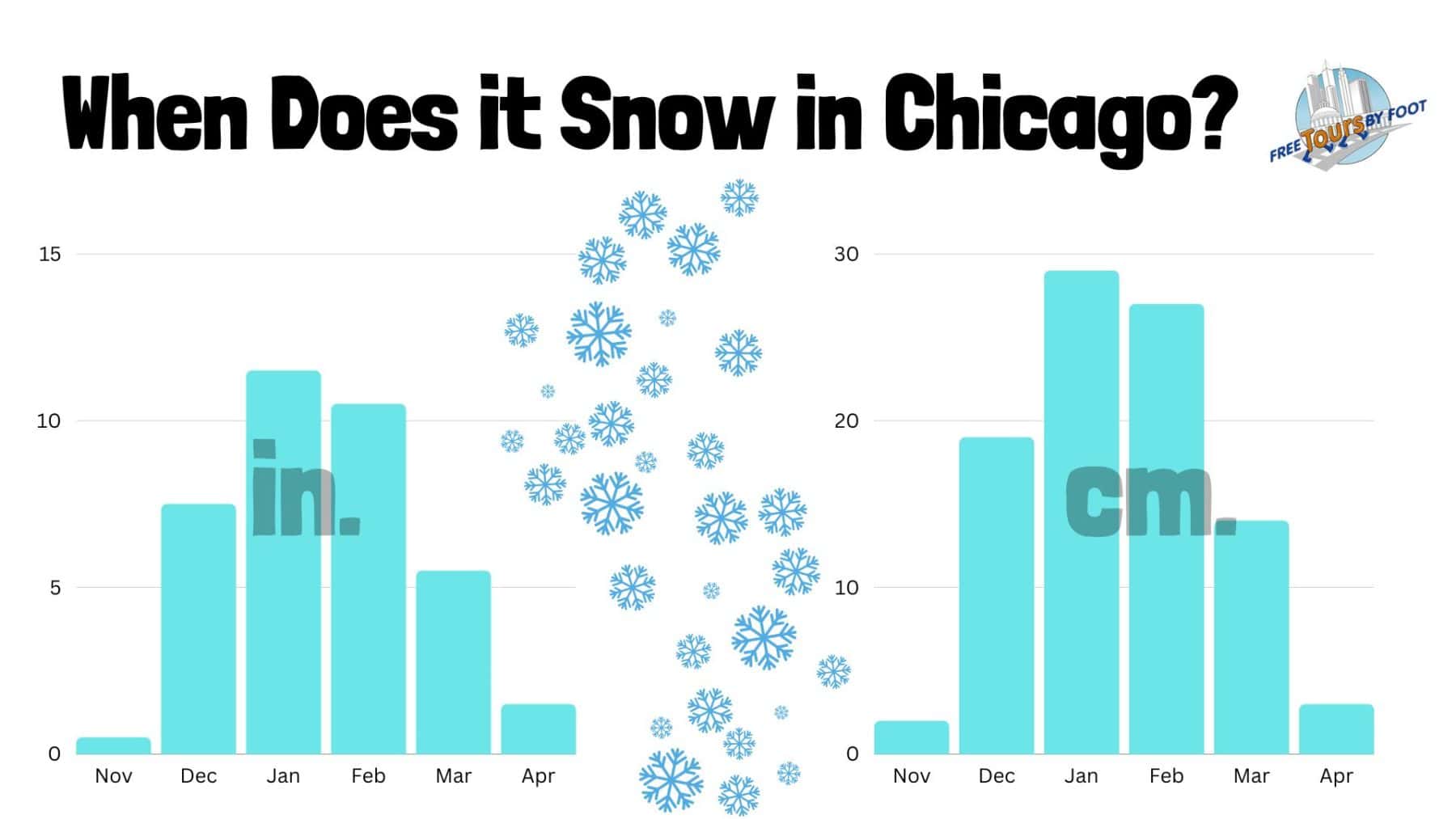
To answer when it starts snowing, we turn to historical data. While no two winters are exactly alike, statistical averages provide a reliable framework. Typically, the first snowflakes begin to appear in Chicago in late October or early November. However, these early snowfalls are often light and may not accumulate significantly, serving more as a gentle introduction to the colder months.
The more substantial and persistent snowfall usually begins in earnest in mid-to-late November. By Thanksgiving – the fourth Thursday of November – Chicagoans often expect a good dusting, if not more, transforming the city’s parks and boulevards into picturesque winter scenes.
Early Season Snowfall (Late October – Early November)
The very first whispers of winter often arrive in late October. This period is characterized by chilling winds and the possibility of light, fleeting snow showers. These early events are more atmospheric than impactful, often melting upon contact with the ground. They serve as a prelude, reminding residents and visitors that winter is indeed on its way. For those booking accommodation during this time, it’s wise to pack layers but not necessarily expect a full-blown winter wonderland just yet.
The Onset of Winter (Mid-November – Early December)
By mid-November, the likelihood of snow increases significantly. This is when the snow starts to “stick.” The temperature consistently drops below freezing, and snowfall events become more frequent and heavier. This is a prime time for experiencing Chicago’s winter beauty. Imagine strolling through Millennium Park, with Cloud Gate (the “Bean”) reflecting the muted winter light, or enjoying the festive decorations that begin to adorn the city. Hotels like the Palmer House a Hilton Hotel and The Langham, Chicago offer warm and inviting sanctuaries during these colder periods.
The transition into December often solidifies winter’s grip. By the first week of December, it is highly probable that Chicago will have experienced several significant snowfall events, laying down a more consistent blanket of snow. This period is ideal for enjoying classic winter activities and exploring the city’s rich architecture without the summer crowds.
Factors Influencing Snowfall Timing
Several meteorological factors contribute to the precise timing and intensity of Chicago’s snowfall:
- Polar Vortex: The arrival and strength of the polar vortex, a mass of cold air that typically sits over the Arctic, can significantly impact Chicago’s winter weather. When the vortex dips southward, it brings frigid temperatures and increases the chances of substantial snowfall.
- Lake-Effect Snow: As mentioned, Lake Michigan plays a crucial role. Cold air masses moving across the relatively warmer lake waters pick up moisture, which then falls as snow when the air mass reaches the land. This can lead to very localized and heavy snow bands, particularly along the lakefront.
- Storm Systems: The convergence of cold air and moisture from passing storm systems is the primary driver of major snowstorms in Chicago. The interaction of different air masses often creates perfect conditions for heavy, widespread snowfall.

Experiencing Chicago’s Winter Wonders
Once the snow begins to fall, Chicago transforms into a magical destination, offering a unique blend of cultural attractions, culinary delights, and outdoor adventures, all enhanced by the winter ambiance.
Embracing the Outdoors in the Snow
Despite the cold, Chicago offers numerous ways to enjoy the winter landscape. The city’s extensive park system, including the renowned Lincoln Park, becomes a picturesque playground.
- Ice Skating: Iconic outdoor ice rinks, such as the one at Millennium Park near Cloud Gate, offer a quintessential winter experience. The chance to skate with the city skyline as a backdrop is unforgettable. Many hotels, like the Thompson Chicago, are conveniently located near these attractions, making them ideal for budget travel or luxury travel alike.
- Winter Walks and Photography: The snow-covered streets and parks provide stunning opportunities for photographers and leisurely walkers. Iconic landmarks like Navy Pier take on a serene beauty under a blanket of snow. The Art Institute of Chicago, a must-visit attraction, is even more atmospheric when approached through a snowy landscape.
- Winter Sports: For the more adventurous, areas just outside the city offer opportunities for cross-country skiing and snowshoeing. While Chicago itself might not have major ski resorts, its surrounding nature reserves provide accessible winter sports.
Indoor Escapes and Cozy Retreats
When the chill becomes too much, Chicago’s indoor offerings are second to none, providing warm havens and enriching experiences.
- Museums and Cultural Institutions: Chicago boasts world-class museums. The Field Museum, the Shedd Aquarium, and the Adler Planetarium on the Museum Campus offer hours of engaging exploration. These are perfect family trips or even solo business stays.
- Culinary Delights: Chicago’s renowned food scene shines even brighter in winter. Warm up with a deep-dish pizza from Lou Malnati’s Pizzeria or a hearty bowl of chili. Many fine-dining restaurants offer cozy ambiances perfect for a winter evening. Consider booking a table at Girl & the Goat or Alinea for an unforgettable gastronomic experience.
- Shopping and Entertainment: The Magnificent Mile offers a premier shopping experience, with department stores like Macy’s on State Street and high-end boutiques. Catching a Broadway show at the CIBC Theatre or a performance by the Chicago Symphony Orchestra provides a dose of culture and warmth.
Planning Your Winter Visit
To make the most of a snowy Chicago adventure, careful planning is essential. Understanding the typical snowfall patterns and the city’s winter offerings ensures a seamless and enjoyable experience.
Choosing Your Accommodation
Chicago offers a diverse range of hotels to suit every preference and budget. Whether you’re seeking a luxurious suite, a charming boutique hotel, or a family-friendly resort, you’ll find it here.
- Downtown and River North: These areas are central to many attractions and offer a wide selection of hotels, from grand historic establishments like the Palmer House a Hilton Hotel to modern skyscrapers like the Trump International Hotel & Tower Chicago. They provide easy access to shopping, dining, and theaters.
- Lincoln Park and Lakeview: For a more neighborhood feel, these areas offer charming inns and smaller hotels, often closer to local eateries and unique boutiques. They provide a slightly quieter experience while still being well-connected to the city center.
- Long-term Stays: For extended visits, consider serviced apartments or villas that offer more space and amenities, such as kitchens, perfect for families or those on longer business trips. Websites specializing in accommodation booking and comparison can help you find the perfect spot.

Packing for Winter Weather
When planning your travel to Chicago during the snowy season, packing appropriately is crucial for comfort and enjoyment.
- Outerwear: A warm, waterproof, and windproof coat is essential. Look for something insulated with a hood to protect against the wind and snow.
- Layers: Dressing in layers is key. Thermal base layers, sweaters, and fleeces will allow you to adjust your clothing to the changing temperatures throughout the day.
- Footwear: Waterproof boots with good traction are a must for navigating icy sidewalks and snowy streets. Consider insulated boots to keep your feet warm.
- Accessories: A warm hat, scarf, and gloves are indispensable. Waterproof mittens often provide more warmth than gloves.
- Other Essentials: Consider packing lip balm, moisturizer, and hand warmers for extra comfort.
By understanding when the snow typically begins to fall and preparing accordingly, visitors can fully immerse themselves in the unique charm and beauty of a Chicago winter, creating lasting memories of this vibrant destination.
LifeOutOfTheBox is a participant in the Amazon Services LLC Associates Program, an affiliate advertising program designed to provide a means for sites to earn advertising fees by advertising and linking to Amazon.com. Amazon, the Amazon logo, AmazonSupply, and the AmazonSupply logo are trademarks of Amazon.com, Inc. or its affiliates. As an Amazon Associate we earn affiliate commissions from qualifying purchases.