
Colorado, often hailed as a winter wonderland, draws millions of visitors each year eager to experience its legendary snowfall. From the majestic peaks of the Rocky Mountains to the vibrant cityscapes, the arrival of snow transforms the landscape into a playground for skiers, snowboarders, and anyone seeking a picturesque winter escape. For travelers planning a trip to this stunning state in the United States, understanding the snowfall patterns is crucial for everything from booking the perfect accommodation to packing the right gear and ensuring an unforgettable experience.
The question “When does it start snowing in Colorado?” isn’t as simple as pinpointing a single date. The answer varies significantly depending on elevation, geography, and even year to year. Generally, the state’s higher elevations, particularly the renowned ski resorts, see their first significant dustings much earlier than the lower-lying cities along the Front Range. This comprehensive guide will help you decipher Colorado’s snowfall calendar, ensuring you can plan your ideal winter adventure, whether you’re chasing fresh powder, enjoying a cozy mountain retreat, or simply marveling at snow-capped peaks.

Unraveling Colorado’s Snowfall Calendar
Colorado’s diverse topography means that while some areas are still basking in autumn sunshine, others are already receiving their first blankets of snow. Understanding this seasonal progression is key to appreciating the state’s dynamic climate and planning your travel accordingly.
Early Flurries: September and October
While most people don’t associate September with snow, it’s not uncommon for the highest peaks in Colorado to receive their first dusting by late September, especially during colder fronts. This initial snowfall is often light and temporary, serving as a tantalizing preview of the winter to come. Destinations like Rocky Mountain National Park and the summits near Continental Divide are typically the first to experience these early flurries. For avid hikers and backcountry enthusiasts, these early snowfalls signal a change in trail conditions and the need for appropriate gear and caution.
October marks a more noticeable transition towards winter. By mid-October, many of Colorado’s premier ski resorts in the High Country, such as Breckenridge, Vail, and Aspen, begin to see measurable snowfall. While it might not be enough for full resort openings, these snowfalls are crucial for building up a base layer and generating excitement for the upcoming ski season. Cities like Denver, Boulder, and Colorado Springs along the Front Range also experience their first significant snow events in October, though these often melt quickly. Travel during this time offers unique opportunities: you might catch vibrant fall foliage in the lower elevations while simultaneously witnessing snow-covered peaks in the distance. This shoulder season can be an excellent time for budget travel, as accommodation rates are often lower before the peak winter crowds arrive.
The Heart of Winter: November to March
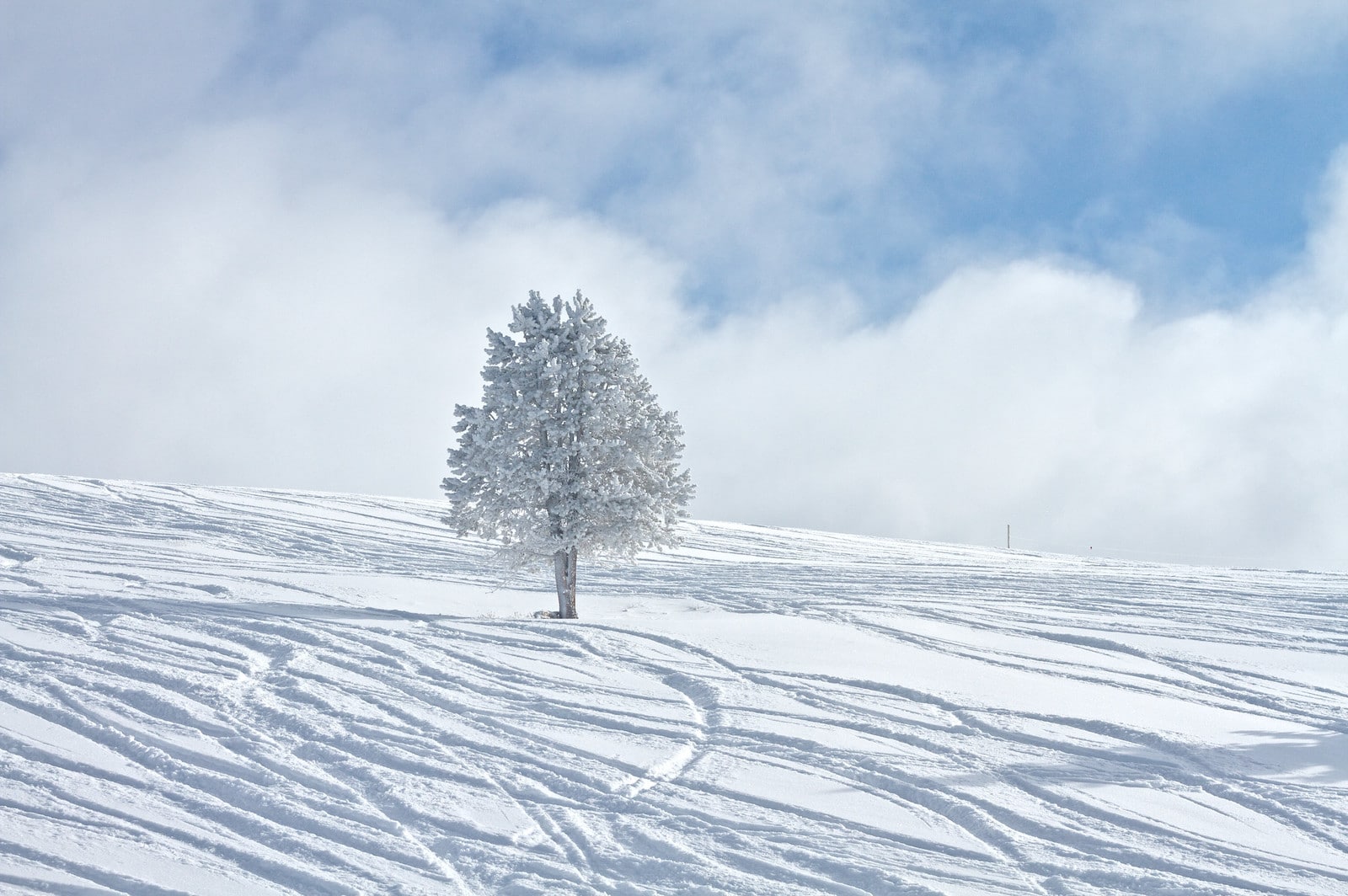
November is when Colorado truly embraces winter. Most major ski resorts aim to open by Thanksgiving, thanks to consistent natural snowfall and extensive snowmaking operations. Resorts like Keystone Resort, Copper Mountain, Winter Park Resort, and Steamboat Springs become bustling hubs of activity, attracting visitors from around the globe. By mid-November, heavy snowfalls become a regular occurrence in the mountains, leading to fantastic ski and snowboard conditions. Cities like Durango and Telluride in the San Juan Mountains also accumulate substantial snow, transforming into postcard-perfect winter towns.
December, January, and February are the peak months for snowfall across most of Colorado, particularly in the high country. This is when the state experiences its deepest snowpacks and most consistent powder days. January often brings the coldest temperatures and some of the heaviest snowstorms. Resorts such as Vail Ski Resort, Aspen Snowmass, and Breckenridge Ski Resort are in full swing, offering unparalleled skiing and snowboarding experiences. For tourism, this period is synonymous with vibrant winter festivals, cozy lodge atmospheres, and a full calendar of activities. However, it’s also the busiest and most expensive time to visit, especially around holidays. Accommodation options, from luxury resorts to charming cabins, book up quickly, necessitating early planning for those looking for prime suites or resort stays.
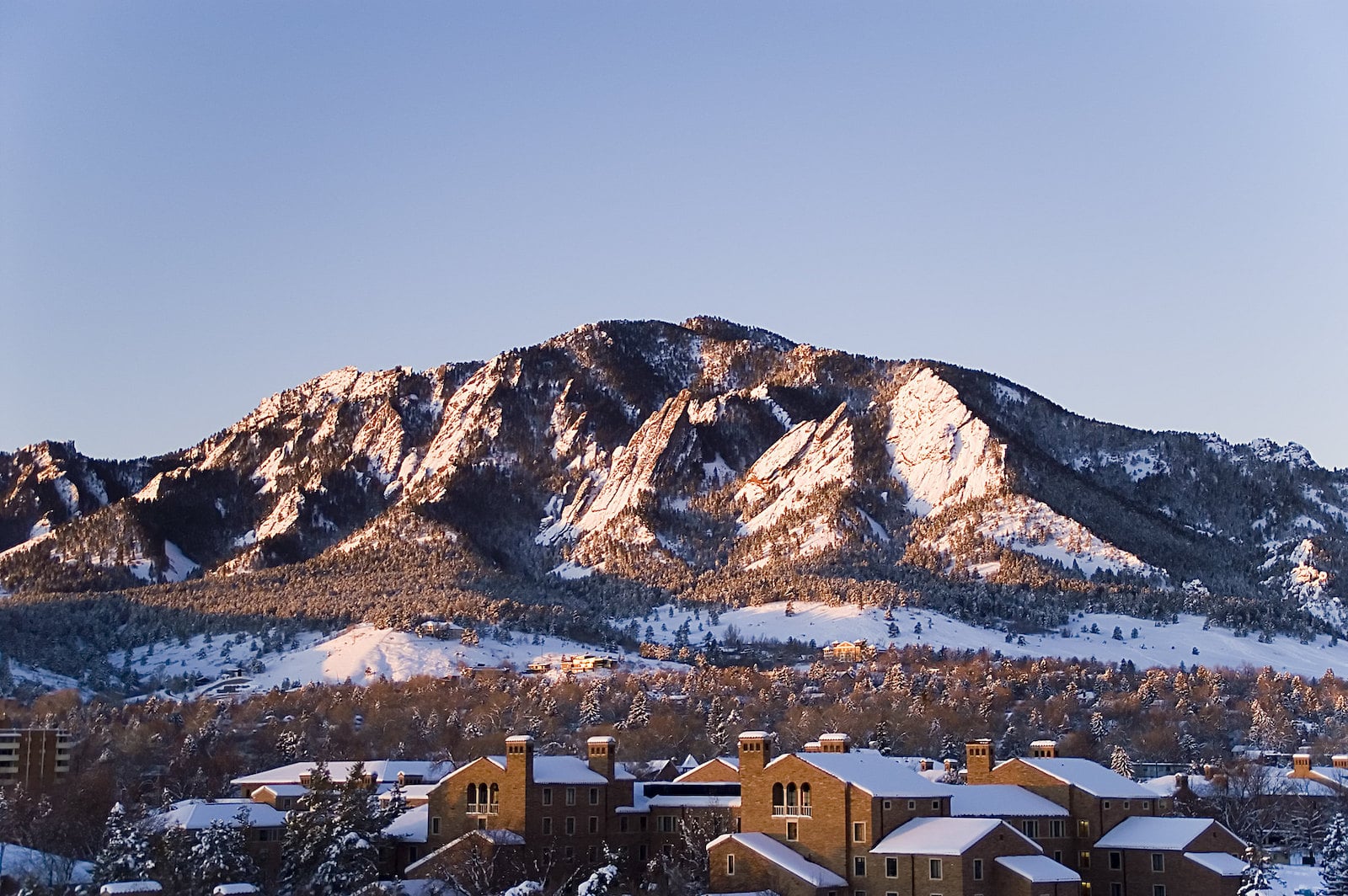
March, surprisingly, can often be one of the snowiest months in Colorado. While temperatures begin to subtly climb, the state frequently experiences large, wet snowstorms that dump significant amounts of powder, especially in the mountains. This “spring skiing” period offers a unique appeal: warmer temperatures, longer daylight hours, and often fewer crowds than the peak holiday season, yet with excellent snow conditions. Resorts like Arapahoe Basin Ski Area and Loveland Ski Area are particularly known for their extended seasons, sometimes staying open well into May or even June. This shoulder season can be ideal for those seeking a balance of good conditions and potentially better deals on hotels and other accommodation.
Lingering Snows: April and Beyond
While the major winter season winds down by early April, snow can certainly persist and even fall anew throughout the month, particularly at higher elevations. Many ski resorts operate into April, with some, like Arapahoe Basin Ski Area, sometimes offering skiing through Memorial Day. Lower elevations and cities like Grand Junction on the Western Slope might see occasional wet snowfalls, but these typically melt quickly. By May, snow is largely confined to the highest peaks, creating dramatic contrasts with blossoming wildflowers in the valleys. This transition period is fantastic for scenic drives and photography, showcasing Colorado’s breathtaking natural beauty as it shifts from winter white to spring green. For nature lovers and those interested in diverse landscapes, this period offers a unique travel experience.
Planning Your Winter Escape: Activities and Destinations
Knowing when the snow falls is just the first step; the next is deciding how to make the most of it. Colorado’s winter offerings extend far beyond just skiing, catering to every type of traveler and lifestyle.
Skiing and Snowboarding Havens
For many, the mention of Colorado in winter immediately conjures images of world-class skiing and snowboarding. With over two dozen ski resorts, the state offers slopes for all skill levels, from gentle beginner runs to challenging expert terrain.
- Early Season (Late October – November): If you’re eager to get on the slopes early, focus on resorts known for their snowmaking capabilities and high elevations. Keystone Resort and Breckenridge Ski Resort are often among the first to open.
- Mid-Season (December – February): This is prime time. Resorts like Vail Ski Resort, renowned for its vast terrain, Aspen Snowmass with its glamorous reputation, and Telluride Ski Resort, famous for its stunning views, are at their best. Expect robust tourism infrastructure, including ski-in/ski-out hotels, luxury suites, and a plethora of dining and entertainment options.
- Late Season (March – April+): Enjoy spring skiing conditions with abundant sunshine. Arapahoe Basin Ski Area and Loveland Ski Area are legendary for their long seasons. This period can offer excellent value for accommodation and lift tickets, making it a great option for budget travel.
Beyond the Slopes: Winter Adventures
Colorado’s winter charm isn’t exclusive to skiers and snowboarders. The snowy landscape provides a backdrop for a myriad of other activities:
- Snowshoeing and Cross-Country Skiing: Explore serene trails in Rocky Mountain National Park or at dedicated Nordic centers near Frisco and Breckenridge. This is a fantastic way to experience nature’s tranquility and is often a more budget-friendly option than downhill skiing.
- Snowmobiling and Sledding: Many mountain towns offer guided snowmobile tours through pristine wilderness or designated sledding hills for family fun. Look into rentals and tours near Steamboat Springs or Vail.
- Hot Springs: Relax and rejuvenate in natural geothermal hot springs, even amidst falling snow. Glenwood Hot Springs Resort and those near Ouray offer a unique and luxurious way to warm up. These often come with resort amenities that enhance the experience.
- Ice Skating: Many mountain towns, including Aspen and Keystone, feature outdoor ice skating rinks, often accompanied by festive lights and music, perfect for families.
- Winter Festivals: Throughout the winter, Colorado towns host charming festivals, like the International Snow Sculpture Championships in Breckenridge or the Winter Carnival in Steamboat Springs, offering a glimpse into local culture and vibrant community life.
Iconic Winter Landmarks
Even in winter, Colorado’s famous landmarks offer breathtaking views and unique experiences.
- Pikes Peak near Colorado Springs remains accessible, offering panoramic snow-dusted vistas.
- Garden of the Gods, with its striking red rock formations, takes on a magical quality when dusted with snow, creating a stunning contrast against the white.
- While some areas of Rocky Mountain National Park become inaccessible, the main roads and lower trails remain open for snowshoeing, cross-country skiing, and wildlife viewing.
- For those interested in history and nature, Mesa Verde National Park offers a stark and beautiful winter landscape for exploring ancient cliff dwellings, often with fewer crowds.
Navigating Colorado’s Winter Travel & Accommodation
Successful winter travel to Colorado requires careful planning, especially when it comes to transportation and where you’ll lay your head. The state’s popularity means that peak season demands attention to detail.
Essential Travel Tips for Snowy Conditions
- Road Conditions: Always check road conditions before heading into the mountains, especially during and after snowstorms. Interstate 70 (I-70) is the main artery to many ski resorts and can experience significant delays. Many mountain passes require four-wheel drive or all-wheel drive vehicles, and often traction laws (chains or snow tires) are in effect during heavy snowfall. Rental cars should be equipped for winter driving.
- Altitude Sickness: Remember that many of Colorado’s destinations are at high altitudes. Stay hydrated, avoid excessive alcohol, and take it easy on your first day to acclimatize.
- Layer Up: Colorado weather can change rapidly. Dress in layers, including waterproof outer layers, to stay comfortable in varying temperatures and conditions.
- Travel Insurance: Given the potential for travel delays due to weather, travel insurance is a wise investment, especially if you’ve booked non-refundable accommodation or flights.
Choosing Your Perfect Winter Accommodation
Colorado offers an incredible array of accommodation options, catering to every lifestyle and budget. Booking in advance is highly recommended, especially for peak season and holiday travel.
- Luxury Resorts: Destinations like Aspen, Vail, and Telluride boast world-class luxury resorts offering ski-in/ski-out access, opulent suites, gourmet dining, and spa amenities. Examples might include The Ritz-Carlton, Denver for city luxury or Hotel Jerome, Auberge Resorts Collection in Aspen for historic elegance. The Broadmoor in Colorado Springs offers a historic luxury experience even in winter.
- Boutique Hotels and Charming Lodges: Many smaller towns and ski villages feature unique boutique hotels and cozy lodges, offering a more intimate and local cultural experience. These often provide excellent amenities and personalized service.
- Condos and Vacation Rentals: Ideal for families or groups, these offer more space, kitchens for self-catering, and often provide better value for longer stays. Many are available near popular resorts in Breckenridge or Winter Park.
- Budget-Friendly Options: For budget travel, consider staying in towns slightly further from the main resorts, such as Frisco or Silverthorne, and commuting to the slopes. Denver and Fort Collins also offer a wide range of affordable hotels, and are good bases for day trips to nearby mountain areas like Eldora Mountain Resort.
- Unique Stays: Look for apartments, villas, or cabins that offer unique experiences, such as secluded mountain retreats or properties with private hot tubs. Comparison sites can help find the best deals and reviews.
Lifestyle Considerations: Luxury, Budget, and Family Trips
Colorado’s winter tourism ecosystem caters to a wide range of lifestyles.
- Luxury Travel: For those seeking an indulgent experience, Colorado delivers. Think private ski instructors, chauffeured transfers, exclusive resort access, high-end dining, and designer shopping in towns like Aspen and Vail. Many resorts offer premium suites and comprehensive packages.
- Budget Travel: It is possible to enjoy Colorado’s winter magic without breaking the bank. Consider visiting during shoulder seasons (late October, early December, or late March/April), staying in hostels or more affordable hotels, packing your own lunches for the slopes, and taking advantage of free activities like snowshoeing on public trails.
- Family Trips: Colorado is incredibly family-friendly. Many resorts offer excellent ski schools for children, kid-specific activities, and family-friendly accommodation with amenities like indoor pools and game rooms. Look for resorts with dedicated children’s areas and family lift ticket deals. Keystone Resort is particularly known for its family-focused offerings.
In conclusion, the start of snowing in Colorado is a dynamic, evolving process that begins subtly on the highest peaks in September and escalates into a full-blown winter spectacle by November. The peak months from December to February offer reliable, deep snow, ideal for a classic winter holiday, while the extended seasons in March and April provide excellent value and unique conditions for spring skiing. By understanding these patterns and planning accordingly, travelers can ensure their journey to Colorado is a seamless blend of thrilling adventures, luxurious relaxation, or budget-conscious exploration, making the most of one of the most beautiful winter destinations in the world.
LifeOutOfTheBox is a participant in the Amazon Services LLC Associates Program, an affiliate advertising program designed to provide a means for sites to earn advertising fees by advertising and linking to Amazon.com. Amazon, the Amazon logo, AmazonSupply, and the AmazonSupply logo are trademarks of Amazon.com, Inc. or its affiliates. As an Amazon Associate we earn affiliate commissions from qualifying purchases.