
Florida, often affectionately known as the Sunshine State, beckons millions of travelers each year with its pristine beaches, world-class theme parks, and vibrant cultural scenes. However, anticipating the best time for a visit often involves understanding its distinct weather patterns, particularly the transition into its famous rainy season. Far from being a continuous downpour that could dampen travel plans, Florida’s rainy season is a unique meteorological phenomenon that shapes the local lifestyle, tourism experience, and even the natural landscape. Knowing when this period begins and what to expect is crucial for planning an unforgettable trip, whether you’re seeking a luxurious resort stay, a budget-friendly family adventure, or an immersive cultural exploration.

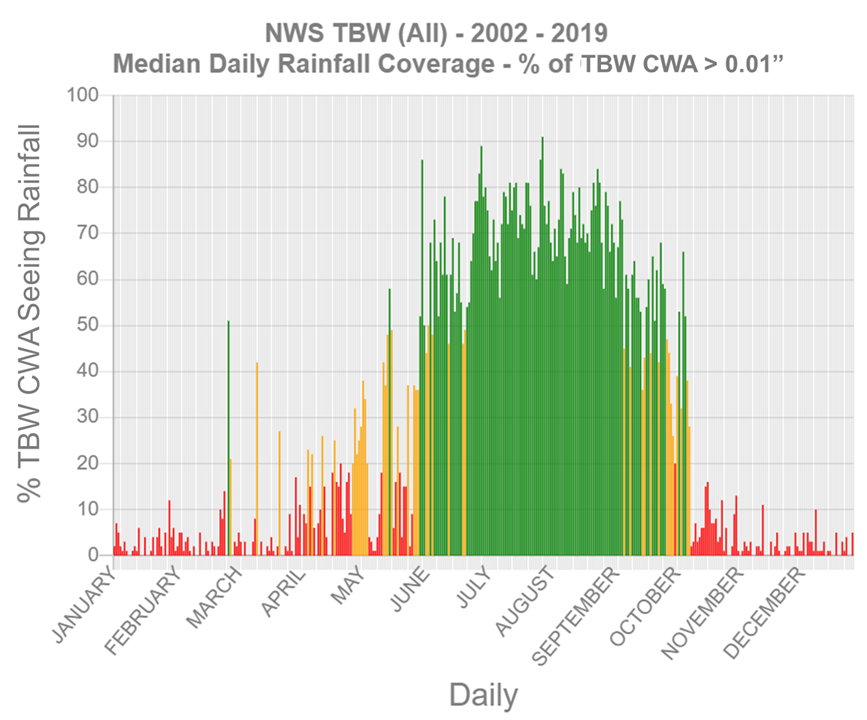
For most of Florida, the shift from the relatively cool and dry winter months—dubbed the Dry Season—to the hot and humid summer, also known as the Wet Season or rainy season, typically occurs in late May or early June. This transition isn’t marked by a single, definitive date but rather a gradual increase in humidity and daily convective thunderstorms. By mid-June, the rainy season is firmly established across much of the state, fueled by warm ocean waters from the Gulf of Mexico and the Atlantic Ocean, abundant moisture, and intense solar radiation. This period usually extends through late September or early October, giving way once more to cooler, drier air.
Understanding this annual cycle allows visitors to optimize their travel arrangements, from booking the perfect accommodation with suitable amenities to crafting itineraries that seamlessly blend indoor and outdoor activities. The rainy season, while seemingly a deterrent, offers its own set of advantages, from fewer crowds to lush, vibrant scenery, making it a distinctive time to experience the true essence of Florida.
Understanding Florida’s Unique Climate
Florida’s climate is subtropical to tropical, meaning it experiences two primary seasons: the Dry Season and the Wet Season. The latter, often referred to as the rainy season, is characterized by its warmth, high humidity, and consistent afternoon thunderstorms. This climatic rhythm is driven by a complex interplay of geographical factors and atmospheric conditions, resulting in a predictable yet dynamic weather pattern that visitors should be prepared for.
The Official Start and End Dates
While there isn’t a precise, calendar-mandated start date that applies uniformly across the entire state, meteorologists and locals generally recognize the beginning of the rainy season to occur between late May and early June. The shift is typically heralded by a noticeable increase in humidity and dew points, followed by the emergence of daily showers and thunderstorms. These storms are primarily convectional, meaning they form due to the intense heating of the ground, causing moist air to rise, cool, and condense.
For example, in Central Florida, which includes popular destinations like Orlando, the pattern often solidifies by the first or second week of June. Further south, in regions like South Florida, encompassing cities such as Miami and Key West, the transition might happen slightly earlier due to its more tropical classification. The season typically concludes in late September or early October, as cooler, drier air masses begin to push south, reducing the daily thunderstorm activity and ushering in the pleasant Dry Season conditions.
Decoding Daily Weather Patterns
During the Wet Season, a typical day often starts with clear skies and rising temperatures. As the morning progresses, humidity builds, and by early to mid-afternoon, dark clouds begin to gather. This is the cue for the day’s thunderstorm, which usually lasts anywhere from 30 minutes to a couple of hours. These storms are often intense, bringing heavy rain, lightning, and sometimes strong winds. However, they are generally localized, meaning one area might experience a downpour while a neighborhood just a few miles away remains dry.
Crucially, these storms are usually not all-day events. Following the rain, the skies often clear, revealing a refreshed landscape and sometimes breathtaking sunsets. This pattern allows for significant outdoor activity during the mornings and evenings, making it entirely feasible to enjoy beaches, theme parks, and other attractions with proper planning. Travelers staying at hotels or resorts during this period often appreciate amenities such as covered walkways, indoor pools, and on-site dining, which provide shelter and entertainment options during the brief but intense afternoon deluges. Choosing accommodation that understands this local rhythm can significantly enhance the travel experience, transforming potential inconveniences into opportunities for relaxation and indoor enjoyment.
Regional Nuances: A State of Diverse Forecasts
While Florida’s rainy season shares common characteristics across the state, subtle yet significant regional variations exist. These differences can influence the intensity, duration, and even the exact timing of the wet season, making it important for travelers to consider their specific destination when planning a trip. From the tip of the Panhandle to the southernmost keys, each region offers a slightly different take on Florida’s summer weather.
South Florida’s Tropical Deluge
South Florida, encompassing vibrant cities like Miami and Fort Lauderdale, and extending down to Key West, experiences the most tropical manifestation of the rainy season. Here, the season can start slightly earlier, sometimes in mid-May, and often brings heavier, more prolonged downpours. The humidity levels are consistently high, contributing to the lush, verdant environment that defines this part of the state.
Visitors to South Florida during this time should be prepared for intense afternoon storms that can sometimes lead to localized street flooding, particularly in urban areas. However, these storms are also instrumental in maintaining the unique ecosystems of places like Everglades National Park, which thrives on the seasonal inundation. Accommodation in this region, from boutique hotels to luxury resorts, often features excellent indoor amenities, including art galleries, spas, and gourmet restaurants, perfect for enjoying during a passing shower. Exploring local culture, such as the Art Deco Historic District in Miami or the Vizcaya Museum & Gardens, can be strategically timed for mornings or after the rain. The Phillip and Patricia Frost Museum of Science also offers an engaging indoor experience.
Central Florida’s Afternoon Showers and Theme Park Preparedness
Central Florida, home to global tourism magnets like Orlando and Tampa, experiences the classic daily afternoon thunderstorm pattern. The rainy season typically kicks off in early June and continues through September. These storms are generally short-lived but intense, often occurring between 2 PM and 5 PM. For those planning a trip centered around the theme parks, such as Walt Disney World Resort, Universal Orlando Resort, SeaWorld Orlando, or Busch Gardens Tampa Bay, understanding this pattern is paramount.
Many theme park visitors strategically plan to tackle outdoor rides and attractions in the morning, taking advantage of the usually clear skies. When the afternoon storms roll in, it’s an opportune time to explore indoor shows, air-conditioned shops, or enjoy a meal at one of the many themed restaurants. Resorts in Orlando are expertly designed to manage rainy conditions, offering extensive indoor entertainment options, covered pathways, and shuttle services, ensuring that guests remain comfortable and entertained regardless of the weather. Local tourism guides emphasize flexibility and preparedness, suggesting ponchos and waterproof bags as essential items.
The Panhandle’s Shorter, Sharper Storms
Florida’s Panhandle, stretching from Jacksonville west to Pensacola, presents a slightly different scenario. While it still adheres to the summer rainy season, its proximity to other Southern states gives it a somewhat milder version of tropical humidity. The rainy season here might start a bit later, perhaps mid-June, and can sometimes feel less intense than its southern counterparts, though localized heavy downpours are still common.
The storms in the Panhandle tend to be more influenced by frontal systems pushing south from the mainland, in addition to the convective heat-driven storms. This can sometimes lead to more widespread rain events, though the “pop-up” afternoon shower is still the norm. Travelers exploring the historic streets of St. Augustine or the beaches near Jacksonville will find that morning excursions are best for outdoor sightseeing at landmarks like Castillo de San Marcos. The region’s hotels often cater to both beachgoers and business travelers, offering diverse accommodation options and amenities designed to provide comfort in any weather.
Navigating Your Florida Vacation During Rainy Season
A visit to Florida during the rainy season doesn’t mean your vacation will be a washout. With a strategic approach and a flexible mindset, this period can offer a distinct and equally rewarding travel experience. The key lies in understanding the weather patterns and adjusting your plans accordingly, allowing you to fully embrace the state’s diverse attractions.
Packing Smart and Staying Dry
Preparation is crucial for a comfortable rainy season trip. Essential items include:
- Lightweight, quick-drying clothing: Opt for fabrics that wick away moisture.
- Rain gear: A compact umbrella or a lightweight poncho is indispensable, especially for theme park visits.
- Waterproof bags: Protect electronics, documents, and other valuables.
- Waterproof footwear: Sandals or water shoes can be more practical than traditional sneakers.
- Sunscreen: Even on cloudy days or after the rain, UV rays in Florida can be intense.
- Insect repellent: The increased humidity and standing water can lead to more mosquitoes, particularly around dawn and dusk, or after rainfall.
Many resorts and hotels are well-equipped to assist guests with these needs, often offering umbrellas or even ponchos for sale. Planning outfits that can transition easily from sunny mornings to rainy afternoons, and then to cooler evenings, ensures maximum comfort and enjoyment.
Embrace Indoor Attractions and Activities
Florida boasts an impressive array of indoor attractions, perfect for those afternoon showers. This is where the website’s themes of Tourism and Landmarks truly come alive.
- Museums and Galleries: From the Dali Museum in St. Petersburg to the Ringling Museum in Sarasota, Florida offers world-class cultural institutions. In Orlando, the Kennedy Space Center Visitor Complex provides an awe-inspiring indoor journey through space exploration.
- Shopping Centers: Mega-malls like The Florida Mall or Sawgrass Mills offer endless retail therapy and dining options.
- Aquariums and Science Centers: These are fantastic options for families. The Florida Aquarium in Tampa or SeaWorld Orlando’s indoor exhibits provide fascinating insights into marine life.
- Resort Amenities: Many luxury resorts offer extensive indoor facilities such as spas, fitness centers, indoor play areas for children, and multiple dining venues. This makes choosing accommodation with robust amenities a smart move for rainy season travel, allowing guests to pivot seamlessly from outdoor adventures to indoor relaxation.
- Live Entertainment: The state is home to numerous theaters, music venues, and dinner shows that offer fantastic indoor entertainment options, particularly in cities like Orlando and Miami.
Outdoor Adventures: Timing is Everything
Despite the rain, outdoor activities remain entirely feasible. The key is strategic timing. Plan your beach trips, golf rounds, fishing excursions, or nature walks for the mornings. The air is often cooler and clearer, and the chances of rain are significantly lower. Many outdoor attractions, like beaches such as Clearwater Beach or Siesta Key Beach, are less crowded in the mornings, allowing for a more serene experience.
Once the afternoon storms pass, the air often feels refreshed, and the humidity might temporarily drop, making evenings pleasant for outdoor dining or leisurely strolls. Always check local weather forecasts and radar before embarking on an outdoor activity, and be prepared to seek shelter if lightning is present. With a flexible itinerary, travelers can still enjoy the best of Florida’s natural beauty and outdoor recreation during the Wet Season.
The Upsides of a Rainy Season Visit
While the thought of rain might initially seem like a drawback, traveling to Florida during its rainy season actually presents several compelling advantages, particularly for those looking for a different kind of travel experience. These benefits align perfectly with various lifestyle travel preferences, from budget-conscious explorers to those seeking tranquil luxury.
Fewer Crowds and Better Deals
One of the most significant advantages of visiting Florida in the summer, during its Wet Season, is the noticeable decrease in tourist crowds. The peak tourist season in Florida typically runs from late fall through early spring, when the weather is cooler and drier. As a result, the summer months often see a drop in visitor numbers, especially once the initial rush of early summer vacations subsides.
This reduction in crowds translates directly into a more relaxed and enjoyable experience at popular attractions. Theme parks are less congested, wait times for rides are shorter, and reservations at popular restaurants are easier to secure. For those who prioritize a calmer, less frantic pace to their vacation, the rainy season offers a welcome reprieve from the bustling crowds.
Furthermore, fewer tourists often lead to better deals on accommodation and travel. Hotels, resorts, and vacation rentals, particularly those catering to families or luxury travelers, may offer discounted rates, special packages, or extended stay promotions to attract visitors. Airlines might also have more competitive fares during these months. This makes the rainy season an excellent time for budget-conscious travelers or those seeking a luxury experience at a more accessible price point. It allows for the possibility of staying at a high-end resort or booking an opulent suite that might be out of reach during peak season, aligning with the website’s focus on both budget and luxury travel.
Lush Landscapes and Stunning Sunsets
The regular rainfall profoundly impacts Florida’s natural environment. The state transforms into a vibrant, verdant paradise, with foliage at its most lush and green. Parks, gardens, and natural preserves burst with life, offering a stunning backdrop for nature walks and photography once the rain clears. The fresh, clean air after a summer shower adds to the invigorating atmosphere, providing a sensory experience that differs significantly from the dusty, drier conditions of other seasons.
Perhaps one of the most unexpected delights of the rainy season is the phenomenon of Florida’s sunsets. The moisture and particulate matter in the atmosphere, often left behind by afternoon thunderstorms, act as natural filters and refractors of light. This creates exceptionally dramatic and colorful sunsets, painting the sky with intense hues of orange, purple, pink, and red. These spectacular displays, often visible from beaches like Daytona Beach or from waterfront restaurants and hotel balconies, become a memorable highlight of a summer visit. Capturing these moments with photography or simply soaking in the natural beauty adds a unique dimension to the travel experience, emphasizing the experiential aspect of tourism.

Beyond the Rain: A Note on Hurricane Season
It’s important to mention that Florida’s rainy season largely overlaps with the Atlantic Hurricane Season, which officially runs from June 1st to November 30th. While daily summer thunderstorms are a normal occurrence and generally pose little risk beyond temporary inconvenience, hurricanes are a far more serious weather event.
Peak hurricane activity typically occurs between mid-August and late October. Travelers visiting during this period should remain aware of potential tropical storm and hurricane developments. It’s advisable to purchase travel insurance that covers weather-related disruptions and to stay informed about forecasts from the National Hurricane Center. Most hotels and resorts in Florida have comprehensive hurricane preparedness plans and will communicate with guests about any necessary precautions or evacuation orders. While the vast majority of rainy season days are free from hurricane threats, being informed and prepared is always the best approach for a safe and enjoyable trip.
In conclusion, the question “When does rainy season start in Florida?” leads to a deeper understanding of the state’s unique climate and how to best enjoy its offerings year-round. Far from being a reason to avoid travel, the Wet Season presents a distinct charm, inviting visitors to experience Florida in a different light. With smart planning, an appreciation for indoor attractions, and a willingness to embrace the refreshed landscapes and dramatic skies, a rainy season vacation can be just as fulfilling, if not more so, than a trip during the traditional Dry Season. It’s an opportunity to dive into local culture, enjoy excellent value on accommodation, and witness the natural beauty of the Sunshine State at its most vibrant.
LifeOutOfTheBox is a participant in the Amazon Services LLC Associates Program, an affiliate advertising program designed to provide a means for sites to earn advertising fees by advertising and linking to Amazon.com. Amazon, the Amazon logo, AmazonSupply, and the AmazonSupply logo are trademarks of Amazon.com, Inc. or its affiliates. As an Amazon Associate we earn affiliate commissions from qualifying purchases.