
For any traveler eyeing the Sunshine State for their next getaway, understanding the rhythm of local life, particularly the school calendar, is as crucial as checking the weather forecast. Florida, a perennial favorite for vacations, family trips, and romantic escapes, transforms significantly between its peak and off-peak seasons. The primary driver behind these shifts in crowds, prices, and availability of accommodations is often the academic calendar. Knowing “When Does School Start In Florida?” is the key to unlocking the best travel experiences, whether you’re seeking bustling theme park adventures, serene beach retreats, or a deep dive into local culture without the throngs.
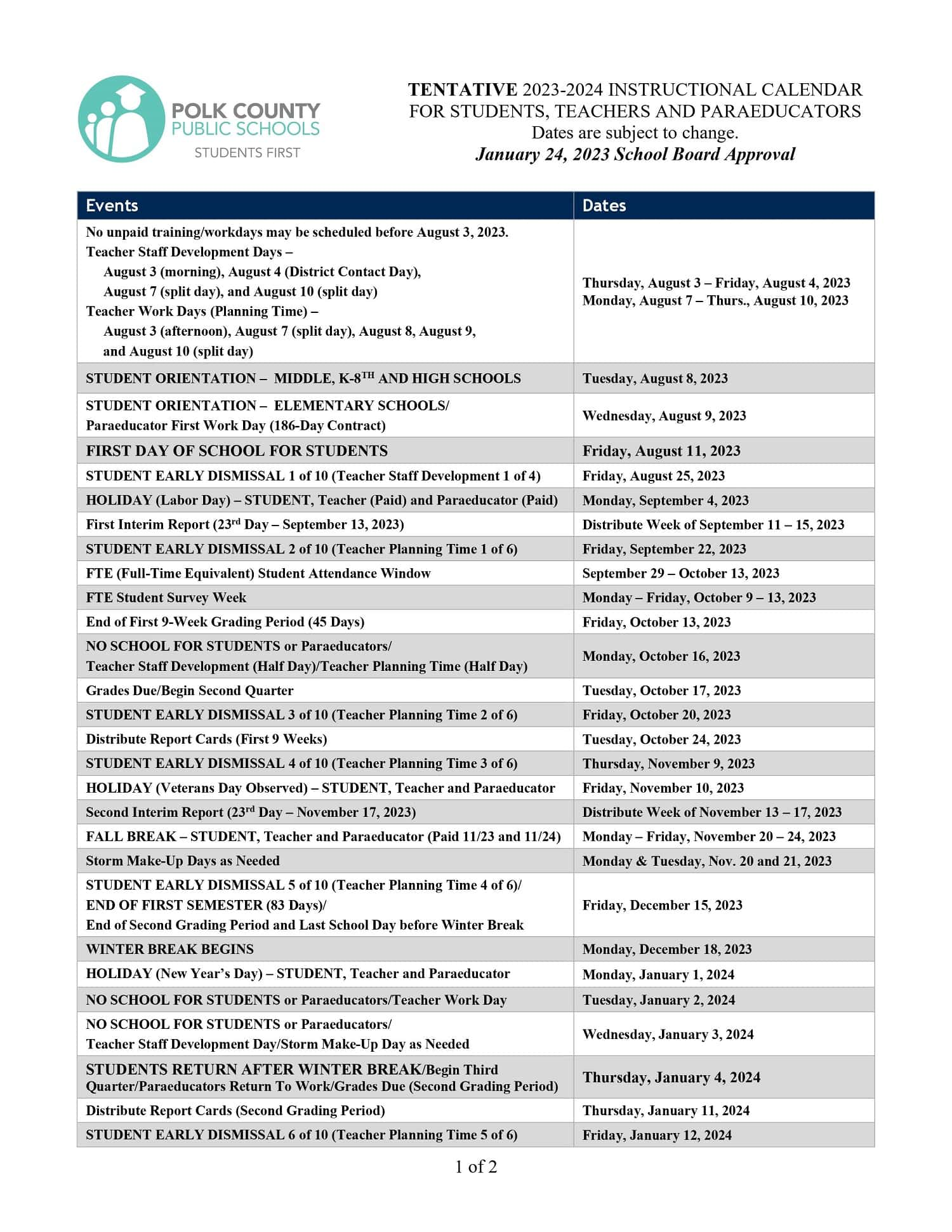
The start of the school year in Florida is not a monolithic event; it varies across its numerous school districts, encompassing both public and private institutions. However, a general trend emerges, providing a valuable framework for prospective visitors. Most public schools across the state typically commence their academic year in mid-August. This is a critical piece of information for anyone planning a trip, as it marks a noticeable transition from the frenetic energy of the summer tourist season to the slightly calmer, though still vibrant, atmosphere of the fall.
Understanding Florida’s Diverse School Calendar
Florida is a vast and varied state, and its educational landscape reflects this diversity. While a mid-August start is common, specific dates can fluctuate, sometimes by a week or two, depending on the county and the type of school. This regional variation, coupled with the distinction between public and private education, plays a significant role in determining when various parts of the state experience their peak and off-peak seasons.
Public vs. Private Schools: A Key Distinction
Public schools in Florida are governed by individual county school boards, which set their own calendars. For instance, Miami-Dade County Public Schools, one of the largest districts in the nation, might have a slightly different schedule than Orange County Public Schools, which serves the Orlando area, or Hillsborough County Public Schools in Tampa. These districts generally aim to maximize instructional days while also incorporating traditional holidays like Labor Day, Thanksgiving, Christmas, and Spring Break.
Private schools, on the other hand, often enjoy more flexibility in setting their academic calendars. Some may start earlier in August, while others might align closely with their public counterparts or even begin a week or two later in late August or early September. This nuanced difference can mean that certain areas might see a staggered return to school, slightly impacting local traffic and amenities even as the larger public school populations return to classrooms. For travelers, this means that while the general mid-August timeframe is a good benchmark, diving deeper into specific county calendars can offer an even more precise understanding of local crowd dynamics.
Regional Variations Across the Sunshine State
The sheer geographical span of Florida means that regional considerations also come into play. Coastal communities, heavily reliant on tourism, might experience subtle shifts in their off-peak seasons as school starts impact local families’ travel habits.
For example, the bustling theme park capital of Orlando is heavily influenced by school schedules not just within Florida but across the entire United States. When schools nationwide are out, Orlando’s attractions, from Walt Disney World to Universal Studios Florida and SeaWorld Orlando, see immense crowds. Conversely, when Florida schools are in session, especially in the typically quieter periods of September, January, and February (outside of Spring Break and other major holidays), the parks can be significantly less crowded.
Beach destinations like Clearwater Beach, St. Pete Beach, Naples, and the Florida Keys also experience distinct seasonal shifts. While the summer months are universally busy, the immediate weeks following the mid-August school start often bring a perceptible lull. This creates a sweet spot for visitors seeking serene beaches and easier access to popular restaurants and attractions. Even more northern Florida destinations like St. Augustine or Amelia Island, with their unique historical charm and natural beauty, observe similar patterns as families return to their routines.
Navigating Florida Travel Seasons: The Impact of School Breaks
Understanding when schools begin in Florida isn’t just about avoiding crowds; it’s about strategically planning your trip to align with your preferences and budget. The school calendar effectively segments the year into distinct travel seasons, each offering a unique set of pros and cons for visitors.
Avoiding the Peak Season Rush: Post-Labor Day Perks
The period immediately following the mid-August school start, particularly after the Labor Day holiday in early September, is often considered a shoulder season or even an unofficial “off-season” in many parts of Florida. This window, stretching through much of September and October, presents an incredible opportunity for travelers.
Crowds at major attractions like Legoland Florida Resort and Busch Gardens Tampa Bay significantly thin out. Hotels, resorts, and vacation rentals often drop their rates, and flights into hubs like Orlando International Airport or Miami International Airport can be considerably cheaper. The weather, while still warm, begins to mellow, offering pleasant conditions for exploring outdoor landmarks and enjoying Florida’s stunning natural beauty, from Everglades National Park to the beaches of Sanibel Island. This is an ideal time for couples getaways, adults-only trips, or those seeking a more relaxed, unhurried experience.
Embracing Shoulder Seasons: The Sweet Spot for Savings
Beyond the post-Labor Day lull, other shoulder seasons exist. Late April and May, before the summer school break kicks in, offer a similar advantage. Spring Break crowds have dissipated, and the intense summer heat hasn’t fully arrived. Similarly, the period between New Year’s and the onset of Spring Break (typically late January through February) can be another fantastic time to visit. While some northern visitors flock to Florida for warmth during their winter breaks, the overall volume is generally lower than the summer peak.
These shoulder seasons are the “sweet spot” for many budget travelers and those who prioritize value without sacrificing the quality of their experience. You can often find better deals on accommodations, from luxurious suites to quaint villas, and enjoy shorter lines at popular destinations. This flexibility allows for more spontaneous travel experiences and the chance to discover hidden gems without feeling rushed.
Summer Holiday Travel: What to Expect
Conversely, the summer months, from late May to mid-August, coinciding with the universal school holidays, represent Florida’s undeniable peak season. This is when families flock to the state, turning Orlando’s theme parks into bustling hubs, and Florida’s beaches, from Daytona Beach to Key West, become vibrant stretches of sun-seekers. While the energy is infectious and all attractions are in full swing, travelers during this time should expect:
- Higher Prices: Nearly everything, from flights and hotels to rental cars and park tickets, will be at a premium.
- Larger Crowds: Longer lines at attractions, busier restaurants, and crowded public spaces are the norm.
- Hotter Weather: Florida’s summers are notoriously hot and humid, with frequent afternoon thunderstorms.
Despite these challenges, summer remains a magical time for many families, especially those with school-aged children. Careful planning, including booking accommodations and attractions well in advance, utilizing fast passes or early entry options, and building in downtime, can help mitigate some of the peak season stresses.
Planning Your Perfect Florida Getaway: Tips for Every Traveler
Armed with the knowledge of Florida’s school calendar, you can tailor your travel plans to match your ideal lifestyle and budget.
Family Adventures: Timing is Everything
For families with school-aged children, summer and major holidays are often the only viable travel windows. To make the most of these busy times, consider:
- Booking Early: Secure your preferred hotels, resorts, or apartments and park tickets months in advance.
- Mid-Week Visits: If possible, schedule your theme park days on Tuesdays, Wednesdays, or Thursdays, which are generally less crowded than weekends.
- Utilize Amenities: Look for accommodations with great family-friendly amenities like pools, kids’ clubs, and complimentary shuttles to attractions. Many Florida resorts, especially around Orlando and the Gulf Coast, cater specifically to families.
- Consider Lesser-Known Parks: While Walt Disney World and Universal Studios Florida are iconic, explore Discovery Cove for a unique marine experience, or Kennedy Space Center Visitor Complex for an educational adventure.
Budget-Conscious Exploration: Finding Off-Peak Deals
If your travel dates are flexible, targeting the shoulder seasons (late August-September, May, late January-February) is your best bet for significant savings.
- Flexibility is Key: Being able to shift your dates by even a few days can result in substantial savings on flights and accommodations.
- Look for Packages: Many hotels and tourism operators offer special deals during slower periods. Keep an eye out for discounts on suites, villas, and combined attraction tickets.
- Explore Beyond Theme Parks: Use the quieter times to explore Florida’s state parks, national wildlife refuges, historic towns like St. Augustine, or vibrant cities like Tampa and Fort Lauderdale, where you can enjoy local culture and cuisine at a more relaxed pace.
- Alternative Accommodations: Consider booking apartments or smaller boutique hotels outside the main tourist strips for a more authentic and often more affordable experience.
Luxury Escapes: Seeking Serenity Amidst the Crowds
Even during peak season, luxury travelers can find tranquility in Florida. However, the timing of school starts greatly enhances the opportunity for a truly serene escape.
- Off-Season Indulgence: The post-Labor Day period is ideal for luxury travel. Imagine a quiet stay at a five-star resort in Palm Beach or Naples, enjoying pristine beaches and world-class dining without the crowds.
- Spa and Wellness Retreats: Many high-end hotels and resorts offer exceptional spa and wellness programs. These are often more enjoyable when the resort is not at full capacity.
- Private Experiences: Consider private charters for fishing or sailing in the Florida Keys, or guided tours of exclusive landmarks like Vizcaya Museum & Gardens in Miami, which can be arranged more easily during quieter times.
- Upscale Accommodations: Whether it’s a secluded villa on Anna Maria Island or a lavish suite in Miami Beach, the shoulder seasons offer better availability and potentially more competitive rates for premium accommodations.
Top Florida Destinations and Their School-Year Dynamics
Each region of Florida has its own unique charm and its own way of interacting with the academic calendar.
Orlando: Theme Park Capital Considerations
As mentioned, Orlando is perhaps the most sensitive to school schedules. The massive draws of Walt Disney World (including Magic Kingdom Park, EPCOT, Hollywood Studios, and Animal Kingdom Theme Park), Universal Orlando Resort (with Universal Studios Florida, Universal’s Islands of Adventure, and Universal’s Volcano Bay, home to The Wizarding World of Harry Potter), and SeaWorld Orlando see their busiest periods during school breaks.
To optimize an Orlando trip, visiting when Florida schools have resumed in mid-August but many other states are still on summer break (the last two weeks of August) can be a clever strategy. Similarly, late January and February (excluding Presidents’ Day weekend) offer manageable crowds and pleasant weather.
Miami and South Florida: Urban Beach Escapes
Miami and the wider South Florida region, including Fort Lauderdale and Palm Beach, operate on a slightly different rhythm. While family beachgoers are present in summer, Miami’s vibrant nightlife, Art Deco Historic District, and international appeal make it a year-round destination. However, the post-Labor Day period still brings a noticeable dip in domestic family tourism, making it a prime time for adults to explore South Beach, Key Biscayne, or the cultural offerings of Coral Gables and Coconut Grove with fewer crowds. The winter months are popular with international tourists and snowbirds, so expect higher prices from December through April.
The Gulf Coast: Relaxed Rhythms and White Sands
Florida’s Gulf Coast, from Pensacola to Naples, is renowned for its sugar-white sands and calmer, emerald waters. Destinations like Clearwater Beach, St. Pete Beach, Sarasota (home to The Ringling), Siesta Key, Captiva Island, and Boca Grande are quintessential family vacation spots. These areas experience peak family tourism in summer and during Spring Break.
The return to school in mid-August generally ushers in a more tranquil atmosphere, perfect for those seeking a laid-back beach vacation, shelling on Sanibel Island, or enjoying the vibrant arts scene in St. Petersburg (with The Dali Museum). The fall months offer consistently beautiful weather, fewer crowds, and often better deals on stunning beachfront accommodations.
Making the Most of Your Florida Visit: Beyond the Academic Calendar
While the school calendar is a powerful tool for planning, other factors contribute to a successful Florida travel experience.
Essential Booking Strategies
Regardless of when you choose to visit, proactive booking is always recommended, especially for popular destinations and unique accommodations.
- Book Flights and Hotels Early: For peak seasons, aim to book at least 6-9 months in advance. For shoulder seasons, 3-4 months is usually sufficient to secure good rates.
- Consider Travel Insurance: Especially for family trips or during hurricane season (June 1 – November 30), travel insurance can provide peace of mind.
- Research Local Events: Even during off-peak school times, local festivals, concerts, or sporting events can cause localized surges in crowds and prices. Check regional tourism boards for schedules.
Exploring Local Culture and Hidden Gems
Florida offers a wealth of experiences beyond the well-trodden tourist paths. Use the quieter times to:
- Visit State Parks: Explore the diverse ecosystems, hiking trails, and springs that define Florida’s natural beauty.
- Discover Historic Towns: Wander the cobblestone streets of St. Augustine, America’s oldest city, and visit Castillo de San Marcos, or explore the charm of Winter Park near Orlando.
- Indulge in Local Cuisine: From fresh seafood in coastal towns to vibrant Cuban food in Miami, Florida’s culinary scene is rich and varied.
- Seek Out Local Markets: Engage with local artisans and farmers, experiencing the true flavor of Florida life.
Ultimately, understanding “When Does School Start In Florida?” provides a strategic advantage for any traveler. It empowers you to make informed decisions that can significantly enhance your travel experience, whether you’re chasing thrilling theme park adventures, unwinding on pristine beaches, or delving into the vibrant culture of the Sunshine State. By aligning your visit with the academic ebb and flow, you can unlock the full potential of your Florida getaway, creating memories that last a lifetime.