
The crisp mountain air, the thrill of carving fresh powder, and the breathtaking vistas of the Rocky Mountains make a ski trip to Colorado an unforgettable experience. Renowned globally for its world-class resorts and abundant snowfall, Colorado draws millions of skiers and snowboarders each winter. But as the days grow longer and the sun warms the slopes, a common question arises for those planning their winter escape or a late-season adventure: When exactly does ski season end in Colorado?
The answer, much like the mountain weather itself, is not a fixed date but rather a dynamic period influenced by a myriad of factors, offering a diverse timeline across different resorts. Generally, the ski season in Colorado typically winds down from late March through April, with some high-elevation resorts extending their operations well into May or even early June. Understanding these nuances is key to planning the perfect mountain getaway, whether you’re chasing the last powder days or looking to experience the vibrant transition from winter wonderland to spring bloom.

The Shifting Snows: Understanding Colorado’s Ski Season Finale
While the official opening dates for Colorado’s ski resorts are usually set months in advance, the closing dates are often more fluid, subject to Mother Nature’s whims and various operational considerations. This flexibility ensures that resorts can maximize snow conditions while safely managing operations as the season progresses.
General Trends and Influencing Factors
Several elements play a crucial role in determining when a ski season concludes:
- Snowfall and Base Depth: This is arguably the most significant factor. Resorts with a deep snow base and consistent late-season snowfall can often extend their operations. A strong winter typically translates to a longer spring ski season.
- Elevation: Higher-elevation resorts naturally retain snow longer due to colder temperatures. Resorts like Arapahoe Basin (often referred to as A-Basin) are famous for their extended seasons, largely thanks to their lofty perch in the Rocky Mountains.
- Spring Weather Patterns: Warm temperatures and abundant sunshine can accelerate snowmelt, leading to earlier closures. Conversely, a cooler, wetter spring can prolong the season.
- Resort Policy and Infrastructure: Some resorts have the infrastructure and operational capacity to remain open longer, while others might opt for an earlier closure to transition to summer activities or begin maintenance. Economic factors, such as demand and staffing, also play a role.
- Historical Data: While not a guarantee, looking at past closing dates provides a good general idea. Most resorts follow a similar pattern year after year, adjusting based on current conditions.
For most Colorado resorts, the traditional closing period falls between late March and mid-April. This timeframe marks a transition where the consistent cold of winter gives way to more variable spring conditions.
Key Dates for Major Resorts
To help you plan, here’s a general overview of typical closing dates for some of Colorado’s most beloved ski destinations. It’s crucial to remember that these are estimates, and checking the official resort websites closer to your planned visit is always recommended for the most up-to-date information.
- Late March/Early April Closures: Many resorts target this window, especially those with slightly lower elevations or a focus on family-friendly early-season skiing. These might include:
- Keystone
- Copper Mountain
- Eldora Mountain Resort
- Steamboat Springs
- Winter Park
- Mid-April Closures: A significant number of Colorado’s premier resorts often aim for a mid-April closing, providing ample opportunity for spring skiing. These include:
- Vail
- Breckenridge
- Aspen (and its sister mountains Snowmass, Aspen Highlands, Buttermilk)
- Beaver Creek
- Telluride
- Late April/May/June Closures: For those truly dedicated to extending their ski season, a few resorts are renowned for their exceptionally long seasons, often due to high elevation and north-facing slopes.
- Loveland Ski Area: Frequently open until early May, Loveland offers a classic Colorado spring skiing experience.
- Arapahoe Basin: The undisputed champion of extended seasons, Arapahoe Basin often remains open until late May or even early June, making it a hotspot for late-season enthusiasts and spring festivals. Its high altitude ensures snow sticks around much longer than anywhere else.
Late-Season Skiing: A Unique Experience
Visiting Colorado in the late ski season offers a distinctly different, yet equally rewarding, experience compared to the peak winter months. The atmosphere transforms from a frigid, powder-hunting mission to a more relaxed, sun-soaked celebration of winter’s last hurrah.
- Weather and Snow Conditions: Expect warmer temperatures, abundant sunshine, and softer, often “corn snow” conditions. While fresh powder days are less common, the softer snow can be incredibly fun to carve, especially in the mornings before it gets too slushy. It’s the perfect time for lighter layers and sunglasses.
- Fewer Crowds: As many visitors head home after spring break, the slopes often become less crowded. This means shorter lift lines, more open space, and a generally more laid-back vibe on the mountain.
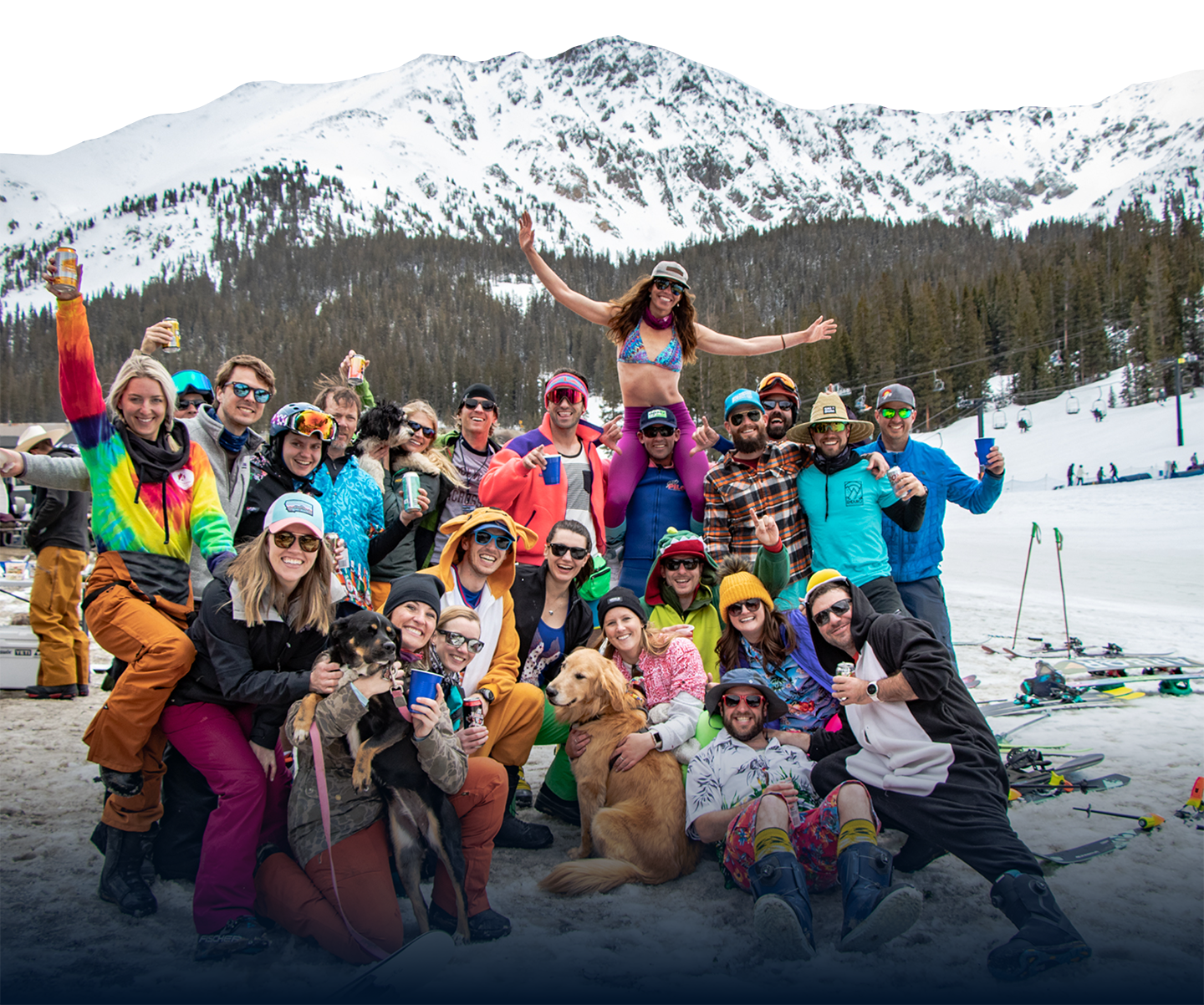
- Spring Festivals and Events: Resorts often host vibrant spring festivals, concerts, pond skims, and themed parties to celebrate the end of the season. These events add a lively, festive atmosphere to the mountain experience, combining skiing with entertainment and local culture.
- Value and Accommodation: The shoulder season often brings more attractive pricing for accommodation and certain travel packages. This can be a boon for budget travelers looking to experience Colorado’s iconic resorts without the peak-season price tag. From cozy boutique hotels to luxurious resorts like those offered by Hyatt or Marriott brands, you might find better deals.
Late-season skiing is ideal for those who enjoy sunny days, a relaxed pace, and a festive environment. It’s a chance to savor the lingering winter beauty before the mountains fully transition to their summer splendor.
Beyond the Slopes: What to Expect Post-Ski Season
Even after the last chairlift stops spinning, the adventure in Colorado’s mountains is far from over. The transition from winter to summer offers its own unique charm and a completely different set of activities, appealing to a wide range of travelers and lifestyles.
Spring’s Embrace: Melt, Mud, and Emerging Beauty
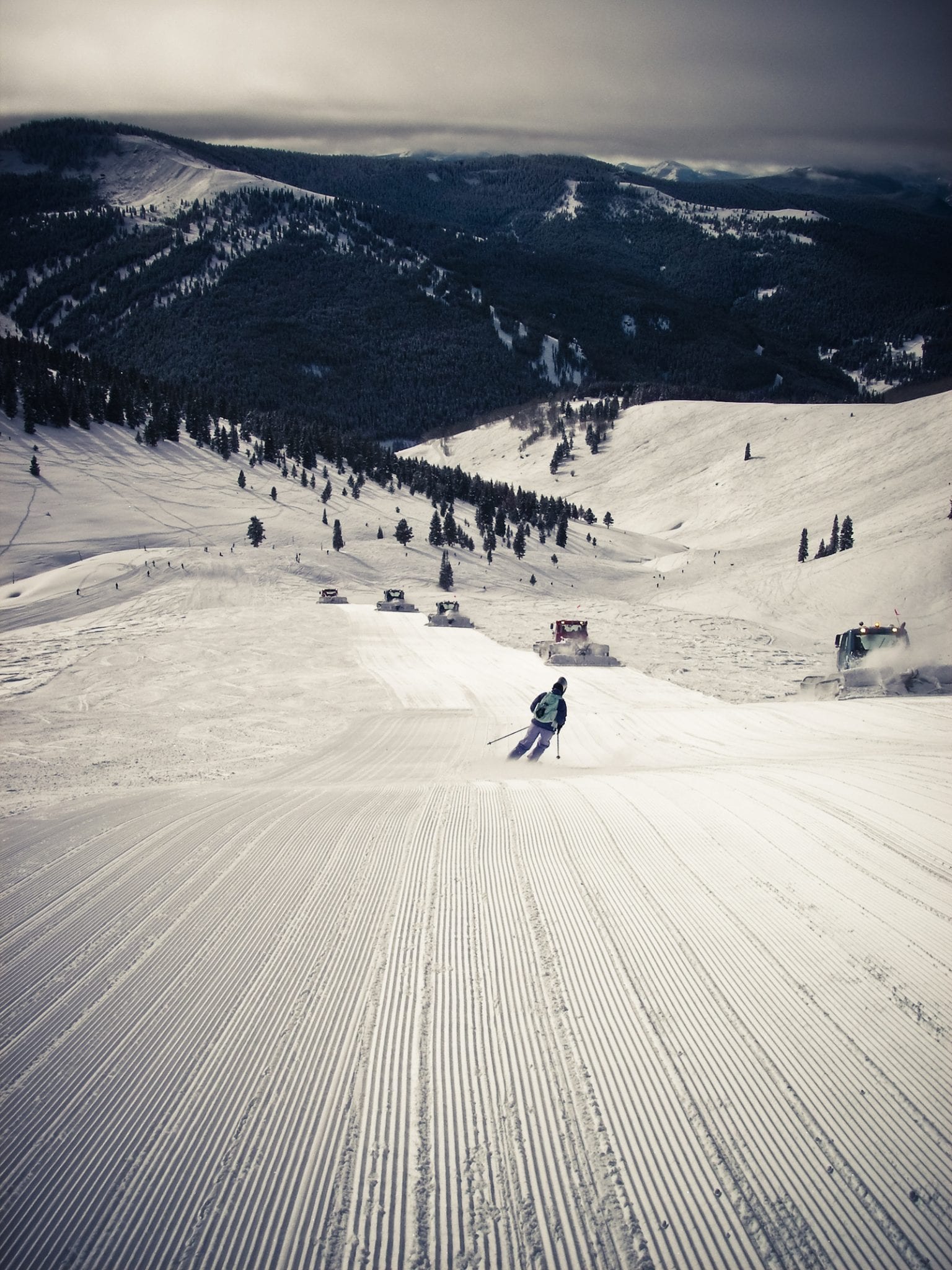
The period immediately following the ski season is often referred to as “mud season” or “shoulder season.” While some might view this as an off-peak time, it holds its own allure, especially for those seeking tranquility, value, and a glimpse into the raw beauty of the mountains’ awakening.
- Quiet Towns: Mountain towns like Breckenridge, Vail, and Aspen become quieter, offering a more intimate experience. Many local businesses might have reduced hours or close temporarily, but those that remain open provide a genuine sense of local community.
- Lower Prices: This is an excellent time for budget travel, as hotel rates, vacation rentals, and even some dining options are significantly more affordable than during peak ski season or high summer. It’s an opportune moment to enjoy luxury accommodation, perhaps at a Four Seasons property, at a fraction of the cost.
- Melting Landscapes: While higher elevations might still be snow-covered, lower valleys begin to green up. Waterfalls swell with snowmelt, and early wildflowers start to emerge. Hiking at lower altitudes becomes feasible, offering invigorating spring walks amidst a landscape in transition.
- Unique Experiences: It’s a prime time for scenic drives through budding valleys, exploring charming small towns, or visiting attractions like the hot springs in Glenwood Springs without the crowds.
This period is perfect for those who appreciate serene landscapes, cultural immersion, and finding great travel deals.
Summer Adventures in the Rockies
Once the snow has fully melted from the valleys and most trails, Colorado transforms into an unparalleled summer playground. The mountains shed their white blanket to reveal lush forests, alpine meadows bursting with wildflowers, and crystal-clear lakes.
- Hiking and Backpacking: The extensive trail networks across the Rocky Mountains open up, from gentle strolls suitable for family trips to challenging multi-day backpacking expeditions. Iconic destinations like Rocky Mountain National Park become accessible, offering stunning vistas and wildlife viewing.
- Mountain Biking: Colorado is a mecca for mountain biking, with trails ranging from thrilling downhill runs at resorts (many of which operate their lifts for bikers) to scenic cross-country routes. Towns like Moab (though primarily in Utah, it’s a popular extension for visitors to western Colorado) and Durango are renowned for their biking culture.
- Whitewater Rafting and Kayaking: The spring snowmelt feeds Colorado’s rivers, creating exhilarating conditions for whitewater rafting. Options range from mild family-friendly floats to intense Class V rapids, offering diverse experiences for thrill-seekers.
- Fishing: Fly fishing in pristine alpine streams and lakes is a popular pastime. The abundant trout populations make for rewarding days on the water.
- Rock Climbing and Mountaineering: With the snow gone, the granite walls and peaks of the Rockies beckon climbers of all skill levels.
- Scenic Drives and Photography: Roads like the Trail Ridge Road in Rocky Mountain National Park (when open, typically late May/early June to October) offer unparalleled photographic opportunities and panoramic views.
- Festivals and Events: Summer brings a vibrant calendar of music festivals, art fairs, rodeos, and farmers’ markets to mountain towns, showcasing local culture and community spirit.
Summer in Colorado is a prime time for active travelers, families, and anyone who appreciates the natural beauty and outdoor adventures the region has to offer.
Planning Your Colorado Mountain Escape
Regardless of whether you aim to catch the last powder day or embrace the summer splendor, meticulous planning will enhance your Colorado mountain escape. From choosing the right place to stay to understanding local customs, a little foresight goes a long way.
Choosing Your Accommodation
Colorado offers a vast array of accommodation options to suit every preference and budget, aligning perfectly with various lifestyle choices, be it luxury travel or a budget-friendly adventure.
- Ski-in/Ski-out Resorts: For ultimate convenience during the ski season, especially in places like Vail or Breckenridge, consider hotels or condos that offer direct access to the slopes. These often come with premium pricing but provide unparalleled access to the mountain experience.
- Hotels and Suites in Town: Staying in the heart of a mountain town offers access to restaurants, shops, and nightlife. Many hotels provide shuttle services to the slopes. Options range from charming boutique hotels to well-known brands that cater to business stays and family trips alike.
- Vacation Rentals (Apartments, Villas, Cabins): For families, groups, or those planning a longer-term stay, renting a condo, apartment, villa, or rustic cabin can be a cost-effective and comfortable choice. These often come with amenities like full kitchens, multiple bedrooms, and living spaces, offering a home-away-from-home feel. Websites for booking and reviews are invaluable here.
- Budget-Friendly Options: For budget travelers, consider staying slightly outside the main resort areas or visiting during the shoulder season. Hostels, motels, and camping (in summer) can also provide affordable alternatives without sacrificing access to the region’s attractions.
When making your choice, consider the amenities you desire (spa, pool, fitness center), proximity to activities, and whether you prefer the hustle and bustle of a town or the quiet solitude of a more secluded setting.
Maximizing Your Visit: Tips and Considerations
To make the most of your trip, whether it’s late winter or early summer, keep these tips in mind:
- Book in Advance: Especially if traveling during peak times (even late spring holidays), accommodation and popular activities can fill up quickly. Booking hotels, flights, and even guided tours well in advance is highly recommended.
- Check Weather and Road Conditions: Mountain weather is notoriously unpredictable. Always check the forecast and road conditions (especially for passes that may close) before heading out. Websites like Colorado Department of Transportation (CDOT) provide real-time updates.
- Layer Your Clothing: Even in late spring, temperatures can fluctuate wildly between morning and afternoon, and between sun and shade. Dressing in layers is essential for comfort and adaptability.
- Stay Hydrated and Protect from the Sun: Colorado’s high altitude and intense sun require extra hydration and sun protection (sunscreen, sunglasses, hats), even on cloudy days.
- Explore Local Culture and Food: Beyond the slopes and trails, delve into the local culture. Sample craft beers, enjoy farm-to-table dining, and visit local art galleries or museums. Each town has its unique character and culinary scene.
- Consider Travel Insurance: For longer trips or those involving expensive activities, travel insurance can provide peace of mind against unforeseen cancellations or medical emergencies.
Exploring Colorado’s Iconic Destinations
While the ski resorts are a major draw, Colorado is dotted with other incredible destinations and landmarks that are worth incorporating into your travel plans, enhancing the overall tourism experience.
- Denver: The vibrant capital city, Denver, offers urban attractions, renowned museums, a thriving food scene, and is often the main gateway for international and domestic travelers flying into the state.
- Boulder: Known for its outdoor lifestyle, Boulder combines a picturesque setting at the base of the Flatirons with a lively downtown, excellent dining, and a strong emphasis on health and wellness.
- Estes Park and Rocky Mountain National Park: As mentioned, this park is a majestic natural landmark, offering stunning scenery, abundant wildlife, and endless opportunities for hiking and nature photography. Estes Park serves as the charming gateway town.
- Hot Springs: From the large commercial pools in Glenwood Springs to more rustic, secluded springs, soaking in the mineral-rich waters is a quintessential Colorado experience, perfect for relaxation after a day on the slopes or trails.
In conclusion, the ski season in Colorado is a dynamic annual cycle, concluding primarily from late March to mid-April for most resorts, with high-elevation gems like Arapahoe Basin often extending into early summer. This transition period offers unique opportunities, from sunny spring skiing to the burgeoning beauty of mud season and the full spectrum of summer adventures. By understanding these seasonal shifts and planning accordingly, you can craft an unforgettable journey to the heart of the Rocky Mountains, experiencing the diverse landscapes and vibrant culture Colorado has to offer year-round.