
For many travelers, understanding the rhythm of a region is key to planning the perfect getaway. Whether you’re seeking the vibrant energy of a city undergoing significant change or aiming to avoid the potential crowds associated with political gatherings, knowing the ins and outs of local schedules is paramount. In the Lone Star State, this often means understanding when its legislative sessions conclude, as these periods can influence travel plans, especially in the state capital.
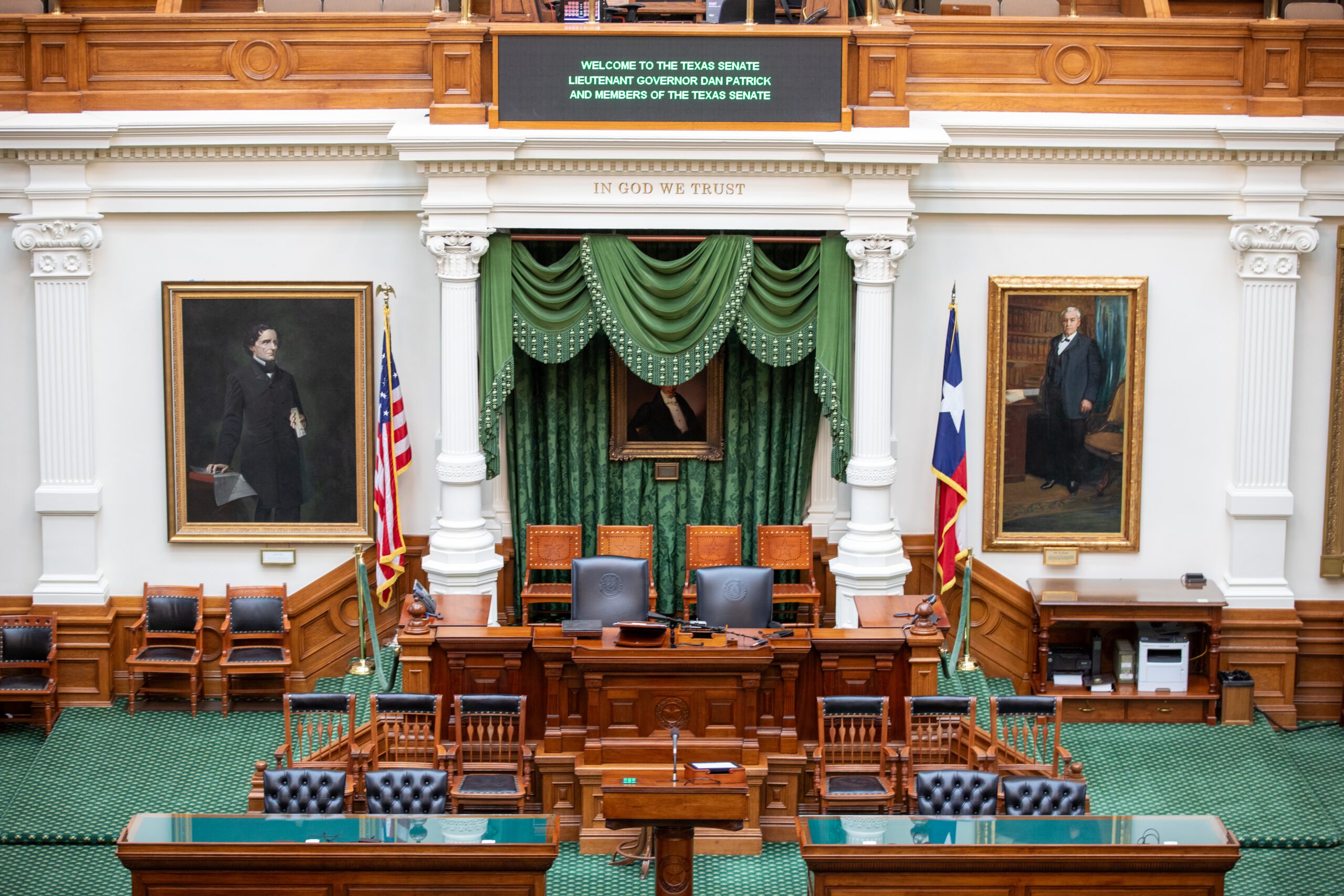
The Texas Legislature convenes for a regular session every odd-numbered year, beginning on the second Tuesday in January. This session is a crucial period where lawmakers address the state’s budget, create new laws, and revise existing ones. The constitutionally mandated duration for a regular legislative session is 140 days. This means that the session officially concludes in late May or early June. However, the exact end date can fluctuate slightly depending on the calendar. For those planning trips to Austin, the state capital, understanding this timeframe can be beneficial.

The Rhythms of Governance and Their Impact on Travel
The legislative session in Texas is a significant event, shaping the future of the state and influencing various aspects of life, including the atmosphere of its major cities. For travelers, particularly those interested in experiencing the local culture and exploring landmarks, the timing of the legislative session can have subtle but noticeable effects.
Navigating the Legislative Calendar
The Texas Legislature operates on a specific schedule that is vital for anyone interested in the state’s political landscape or simply planning their visit to avoid or engage with its workings.
Regular Sessions: A Biennial Event
The regular session of the Texas Legislature is a biennial event, meaning it occurs every two years, specifically in odd-numbered years. It officially kicks off on the second Tuesday in January. The Texas Constitution dictates that these sessions can last no longer than 140 days. This 140-day period is a hard limit, and while lawmakers aim to wrap up their business within this timeframe, the final day is a matter of careful calculation.
- Start Date: Second Tuesday in January of odd-numbered years.
- Maximum Duration: 140 days.
- Approximate End Date: Typically late May or early June.
This predictable cycle allows residents and visitors alike to anticipate when the state’s primary lawmaking body will be in full swing. For visitors to Austin, this means the city can experience a heightened sense of activity during these months, with more government officials, lobbyists, and interested citizens present. While this can inject a dynamic feel into the city, it’s also worth considering for accommodation bookings and navigating public spaces.
Special Sessions: The Governor’s Prerogative
Beyond the regular biennial sessions, the Texas Governor also has the authority to call special sessions. These are extraordinary meetings of the Legislature that can be convened at any time, regardless of whether it’s a regular session year or not. Special sessions are typically called to address specific, urgent issues that could not wait for the next regular session.
- Trigger: Called by the Texas Governor.
- Purpose: To address specific, urgent matters.
- Duration: Limited to 30 days each.

These special sessions, though shorter, can also bring increased activity to Austin. While less common than the regular sessions, their occurrence can be a surprise, and their presence adds another layer to the state’s legislative calendar that travelers might want to be aware of, especially if planning last-minute trips.
Implications for Travelers and Tourism
The timing of the legislative sessions, whether regular or special, can subtly influence the travel experience in Texas, particularly in the capital city of Austin. Understanding these nuances can help visitors optimize their trips, whether they’re seeking a bustling urban environment or a more tranquil experience.
Accommodation and Booking Considerations
During legislative sessions, Austin can see an increased demand for hotel rooms, particularly in the downtown area and near the Texas State Capitol complex. Government employees, lobbyists, and individuals involved in advocacy often book accommodations well in advance. For tourists, this can mean:
- Higher Prices: Expect hotel rates, especially in prime locations, to potentially increase due to higher demand.
- Limited Availability: Popular hotels and accommodations might fill up quickly. It is advisable to book well in advance, especially if your travel dates coincide with the legislative session.
- Alternative Areas: Consider looking for accommodation in neighborhoods slightly further from the immediate downtown core or exploring options like vacation rentals or apartments for longer stays, which can sometimes offer better value and availability.
Experiencing Austin’s Culture and Landmarks
The presence of lawmakers and related personnel can also add a unique energy to Austin. For those interested in political history, the Texas State Capitol is a must-see landmark. During sessions, the building is a hub of activity, and public access might be managed differently.
- Capitol Tours: While tours generally continue, increased security or scheduled events might affect the flow. Checking the official Texas Capitol Visitor Center schedule is recommended.
- Local Dining and Nightlife: Austin‘s vibrant food scene and live music venues continue to thrive. While some establishments might be frequented by legislators and their guests, the overall experience for tourists remains largely the same. Popular spots like Franklin Barbecue or the venues on Sixth Street are always drawing crowds, regardless of legislative activity.
- Avoiding Congestion: If a more relaxed pace is desired, planning a visit after the legislative session concludes can be advantageous. This period often sees a return to more typical tourist crowd levels.
Planning Around Key Dates
For the most accurate information on the exact end date of the current legislative session, it is always best to consult official Texas government sources or legislative calendars. However, the general rule of thumb remains: the regular session, which begins in January of odd-numbered years, will conclude approximately 140 days later, typically in late May or early June.
When planning a trip that might be affected by legislative proceedings, consider the following:
- Check the Calendar: Identify the exact start and end dates for the current regular session.
- Book in Advance: Especially for Austin, secure your accommodation and popular tour bookings early.
- Consider Alternatives: If Austin is your destination and the session is ongoing, explore surrounding areas or cities like San Antonio for a different, potentially less politically charged, experience. San Antonio offers its own rich history, including the iconic Alamo, and a distinct cultural charm.
By understanding the legislative calendar, travelers can make more informed decisions, ensuring a smoother and more enjoyable journey through the diverse landscapes and vibrant cities of Texas. Whether you’re drawn to the state for its iconic landmarks, its burgeoning culinary scene, or its unique lifestyle offerings, a little planning around the legislative schedule can go a long way in crafting the perfect travel experience.