
California, a land of sun-drenched beaches, towering redwoods, and vibrant cities, operates under a unique rhythm that shifts twice a year: Daylight Saving Time (DST). For travelers planning an unforgettable journey through the Golden State or residents simply navigating their daily routines, understanding when and why the hour changes is crucial. This seasonal adjustment, often a source of confusion, significantly impacts everything from flight schedules and hotel check-ins to the timing of your visits to iconic landmarks and the overall ambiance of your California experience.
Whether you’re exploring the bustling streets of Los Angeles, marveling at the Golden Gate Bridge in San Francisco, or relaxing on the shores of San Diego, being aware of the time change ensures a seamless and enjoyable trip. This comprehensive guide will delve into the specifics of California’s hour change, its historical context, and most importantly, how it influences travel, tourism, and lifestyle across the state.
Understanding Daylight Saving Time in California
The concept of shifting clocks forward and backward originated to make better use of daylight, conserve energy, and align waking hours with natural light cycles. In California, like most of the United States, this practice has been a fixture for decades, shaping the rhythm of life for millions.
The Rationale Behind the Time Change
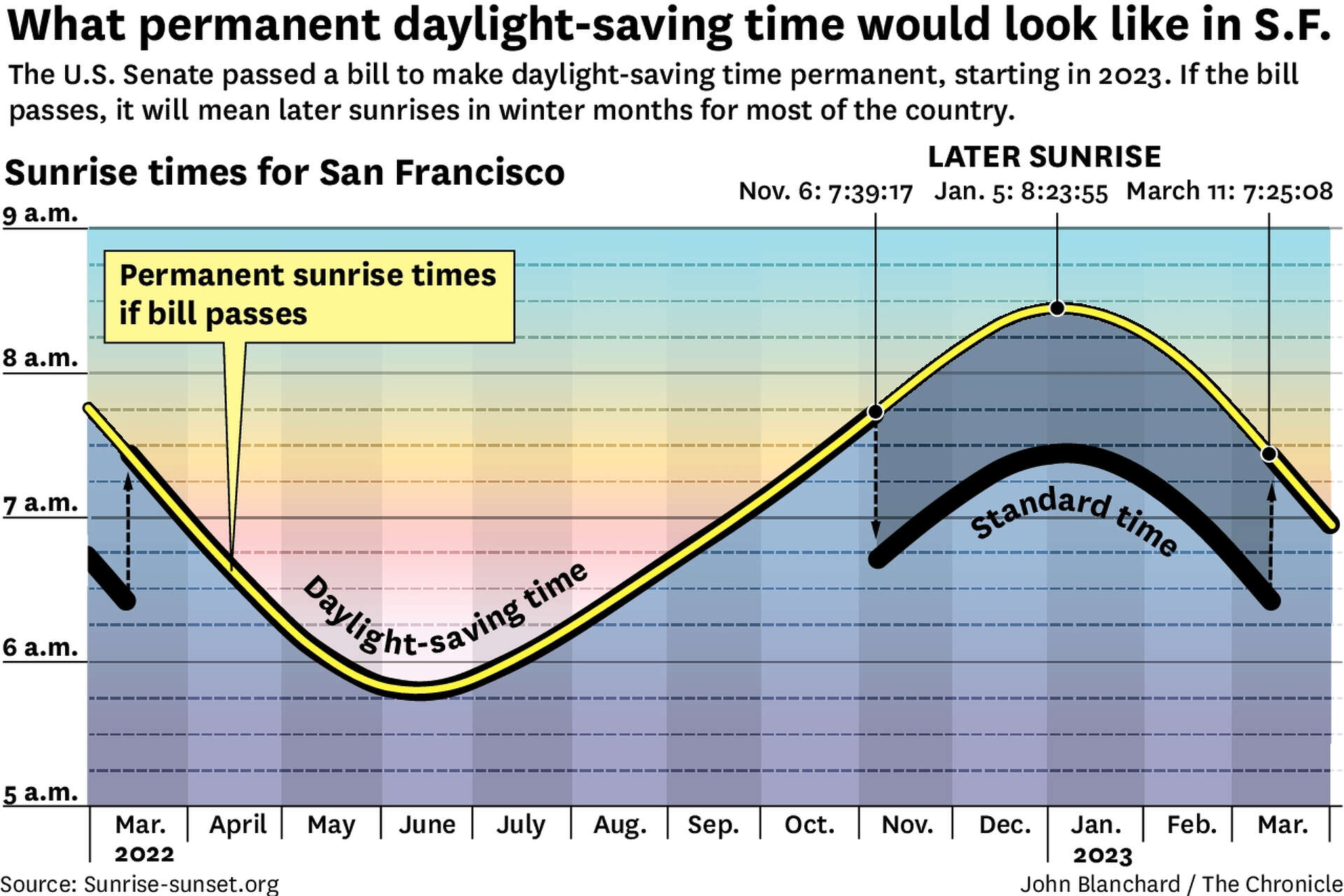
The primary goal of Daylight Saving Time is to shift an hour of daylight from the early morning to the evening during warmer months. The idea is that by moving the clock forward in spring, evenings have more natural light, reducing the need for artificial lighting, thereby theoretically saving energy. While the energy-saving benefits are debated, many appreciate the extended daylight for outdoor activities, recreation, and later evening events. When the clocks “fall back” in autumn, it allows for more daylight in the mornings as winter approaches. This adjustment aims to synchronize human activity with the natural day-night cycle, impacting everything from commuting patterns to the operating hours of tourist attractions.
Key Dates for the Hour Change
In California, the hour changes reliably on two specific dates each year:
- Spring Forward (Loss of an Hour): Clocks are moved forward by one hour on the second Sunday in March at 2:00 AM local time. This means 2:00 AM instantly becomes 3:00 AM, effectively “losing” an hour. For instance, if you’re planning an early morning flight or an exciting sunrise hike in Yosemite National Park, remember that that hour will vanish!
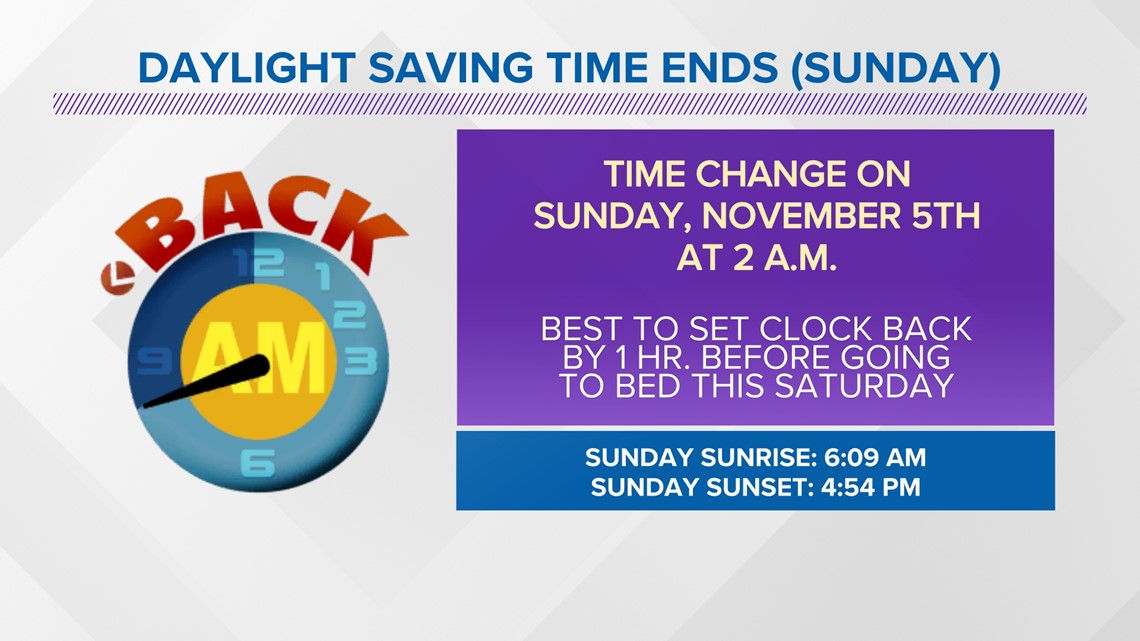
- Fall Back (Gain of an Hour): Clocks are moved backward by one hour on the first Sunday in November at 2:00 AM local time. This means 2:00 AM reverts to 1:00 AM, giving everyone an extra hour. This “extra” hour can be a welcome bonus for travelers adjusting to a new time zone or locals enjoying an extended weekend lie-in. It’s also a critical detail for overnight hotel stays or early morning departures.
It’s crucial to note that while most modern devices like smartphones and computers automatically update, traditional clocks, watches, and car systems will need to be adjusted manually. This small detail can have a surprisingly large impact on travel plans and daily schedules if overlooked.
Historical Context and Recent Developments
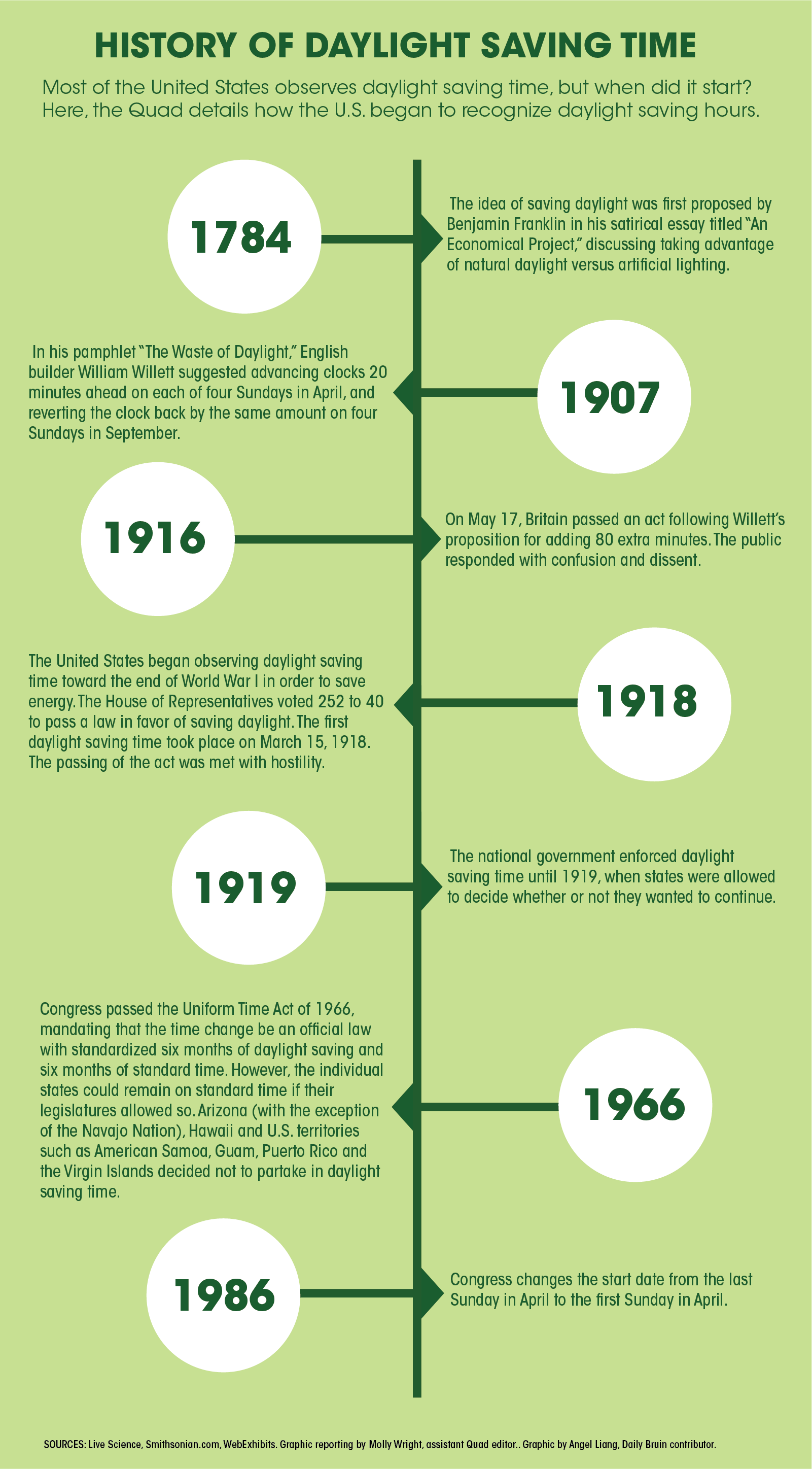
The concept of Daylight Saving Time in the United States has a history dating back to the Standard Time Act of 1918, though it wasn’t uniformly adopted until the Uniform Time Act of 1966. California has been a participant in DST for many decades. However, in recent years, there has been a significant movement to abolish the practice.
In 2018, California voters overwhelmingly approved Proposition 7, which gave the state legislature the power to vote to end Daylight Saving Time permanently, provided it aligns with federal law. While this proposition passed, the legislative process to implement such a change is complex and requires a two-thirds vote in both the State Assembly and State Senate, and potentially a change in federal law. As of now, California continues to observe Daylight Saving Time, meaning the annual hour changes remain a reality. Travelers and residents alike should stay informed of any future legislative developments that could alter this long-standing tradition.
Navigating the Time Change: Impact on Travel and Tourism
For the millions who visit California each year, the hour change is more than just a minor inconvenience; it’s a critical factor that can affect everything from transportation logistics to leisure activities. Awareness and preparation are key to a smooth travel experience.
Planning Your California Itinerary
The hour change can have a ripple effect on travel arrangements. Flight schedules, particularly for those arriving or departing around the changeover weekend, can be subtly affected. While airlines typically adjust their systems, verifying your flight times close to the date is always a good practice. Similarly, train schedules, bus services, and even the coordination of car rentals might be impacted. A missed connection or a delayed pickup due to a misunderstanding of the time change can quickly derail a carefully planned itinerary. When road-tripping along the stunning Pacific Coast Highway or navigating from Los Angeles to Lake Tahoe, ensure your navigation devices and car clocks are updated.
Accommodation Adjustments
Hotels, resorts, apartments, and other forms of accommodation are at the forefront of managing the time change for guests. While reputable establishments like The Beverly Hills Hotel or the Fairmont San Francisco will proactively adjust their internal clocks and guest services, individual room clocks might still need manual adjustment.
- Check-in/Check-out: If your check-out time is, for example, 11:00 AM on the “spring forward” Sunday, you effectively have one less hour of sleep. Conversely, on the “fall back” Sunday, you gain an extra hour, which could be a pleasant surprise.
- Wake-up Calls: Always confirm any wake-up calls with the front desk on the night before or morning of the time change to avoid missing an early departure or an important tour.
- Amenities: Pool hours, spa appointments, and restaurant reservation times within your hotel might also be affected, so it’s wise to double-check.
For those staying in villas or long-term stays with self-catering options, remember to adjust all household clocks manually.
Attractions and Activities
California’s myriad attractions and activities are deeply influenced by the availability of daylight. Theme parks like Disneyland Resort in Anaheim or Universal Studios Hollywood in Hollywood often extend their operating hours during the DST period to capitalize on the longer evenings, allowing for more rides, shows, and fireworks displays. Conversely, in autumn, their hours might shorten.
- Museums and Galleries: While less affected by daylight, always verify the opening and closing times of cultural institutions like the Getty Center or the de Young Museum around the time change.
- Outdoor Landmarks: Visiting places like Alcatraz Island, Griffith Observatory, or taking a scenic drive through Big Sur can benefit immensely from extended daylight, offering more time for exploration and photography. When the clocks “fall back,” remember that daylight fades earlier, so plan your outdoor excursions accordingly to avoid being caught in the dark.
- Guided Tours and Experiences: Tour operators typically adjust their schedules, but it’s always prudent to reconfirm meeting times for city tours, wine tours in Napa Valley, or whale watching excursions.
Dining and Entertainment
California’s vibrant food scene and entertainment options also feel the subtle shift. Restaurant reservations made months in advance might need a mental recalibration for the “spring forward” weekend, especially if you’re trying to catch a pre-show dinner. Similarly, performance times for Broadway shows, concerts, or stand-up comedy at clubs in West Hollywood will adhere to the new official time. Plan accordingly to avoid missing your table or the opening act. The “fall back” period can sometimes create a slightly quieter early evening atmosphere as people adjust to the earlier sunset, but it also means an extra hour to enjoy a leisurely dinner.
Lifestyle and Local Culture During the Hour Change
Beyond the logistical challenges, the time change in California subtly influences the daily lifestyle and local culture, creating different rhythms for residents and long-term visitors.
Adjusting to the New Schedule
The loss or gain of an hour, while seemingly minor, can disrupt circadian rhythms, leading to what some call “DST jet lag.” Residents, particularly parents of young children, often find the “spring forward” transition challenging as everyone’s internal clock struggles to adjust to waking up an hour earlier. For travelers already battling jet lag from different time zones, this adjustment can exacerbate the feeling of fatigue. It’s advisable to ease into the new schedule a few days before the change, adjusting bedtime slightly each night. Hydration, healthy eating, and minimizing caffeine can also aid the transition.
Embracing the Extra Daylight
One of the most celebrated aspects of Daylight Saving Time in California is the gift of extended daylight in the evenings. From March through November, cities like San Diego, Santa Monica, and Sacramento truly come alive. People flock to beaches like Santa Monica Pier for sunset strolls, enjoy outdoor dining on patios that sparkle under the lingering light, and engage in a myriad of evening sports and recreational activities.
- Outdoor Activities: Hikers can explore trails in Runyon Canyon Park or Joshua Tree National Park later into the evening. Cyclists enjoy extended rides, and families have more time for park visits after school or work.
- Social Life: The extra hour of daylight encourages more vibrant evening social scenes, from rooftop bars in Hollywood to casual gatherings at Pier 39 in San Francisco. This period truly embodies the laid-back, outdoor-focused California lifestyle.
- Events and Festivals: Many spring and summer festivals, concerts, and outdoor markets take full advantage of the longer evenings, enhancing the overall tourist experience.
Conversely, the “fall back” period signals the winding down of these extended outdoor activities, with evenings growing darker earlier, shifting the focus towards indoor entertainment and cozier dining experiences.
Community Impact and Local Traditions
The time change is deeply woven into the fabric of California communities. Schools adjust their schedules, businesses adapt their operating hours, and local events take the shift into account. While there’s a collective grumble about losing an hour of sleep in spring, there’s also an anticipation of the brighter evenings. The “fall back” is often welcomed for the extra hour of rest, signaling the transition into the holiday season. Many local traditions, from farmers’ markets to neighborhood gatherings, subtly adjust to these seasonal shifts, reflecting a collective adaptation to the ebb and flow of daylight.
Practical Tips for Travelers and Residents
Navigating the hour change doesn’t have to be stressful. A little foresight and preparation can ensure your plans remain on track, whether you’re embarking on a luxurious trip or simply managing daily life.
Before You Travel
- Confirm Bookings: Double-check flight, train, bus, and rental car schedules for the days around the time change. Don’t assume everything will automatically align with your expectations.
- Update Devices: Ensure your smartphone, tablet, and laptop are set to automatically update their time zones. This is usually the default, but it’s worth verifying. Manually adjust any traditional watches or clocks.
- Plan for Jet Lag/Sleep Adjustment: If you’re arriving from a different time zone, factor in the potential for added fatigue from the hour change. Try to adjust your sleep schedule gradually in the days leading up to your arrival.
- Check Attraction Hours: Before visiting specific landmarks like the Hollywood Walk of Fame, Rodeo Drive shops, or theme parks, verify their operating hours on their official websites, especially on the Sunday of the time change.
During Your Stay
- Verify Local Time: When making reservations or planning activities, always confirm the time with local staff or by checking a reliable local source.
- Public Transport: Be aware that public transportation schedules may have minor adjustments. Apps like Google Maps or local transit apps are usually up-to-date.
- Hotel Clocks: Even if your phone updates automatically, don’t solely rely on the clock in your hotel room; it might need manual adjustment.
- Embrace the Light: When Daylight Saving Time is active, make the most of the extended daylight. Plan evening outdoor activities, enjoy sunset views from a Cavallo Point Lodge viewpoint, or simply take a leisurely evening stroll.
Staying Informed
While this guide provides general information, legislative efforts to potentially eliminate Daylight Saving Time in California are ongoing. To stay completely up-to-date, it’s wise to check official California government websites or reputable news sources for any announcements that could impact the future of the hour change. As of now, the “spring forward” and “fall back” traditions continue.
Understanding when the hour changes in California is an essential piece of knowledge for anyone visiting or residing in the state. While it can introduce a minor adjustment to schedules, it’s also a fascinating aspect of California’s rhythm, influencing everything from the operational hours of iconic landmarks to the cherished evening activities of its communities. By being prepared and informed, travelers can seamlessly integrate into the local flow, maximizing their time and enjoyment in this magnificent state, regardless of what the clock says.