
For travelers planning a vibrant journey through the sprawling landscapes and dynamic cities of the Lone Star State, understanding the local rhythm extends beyond cultural nuances and culinary delights – it involves knowing when the clocks adjust. Texas, like the majority of the United States, observes Daylight Saving Time (DST). This annual shift can subtly impact everything from flight schedules and hotel check-ins to the timing of your planned sightseeing and evening entertainment. Whether you’re exploring the historic charm of San Antonio, the bustling urban core of Dallas, the vibrant live music scene in Austin, or the coastal allure of Galveston, being aware of these time changes is key to a seamless travel experience.
Understanding Daylight Saving Time in the Lone Star State
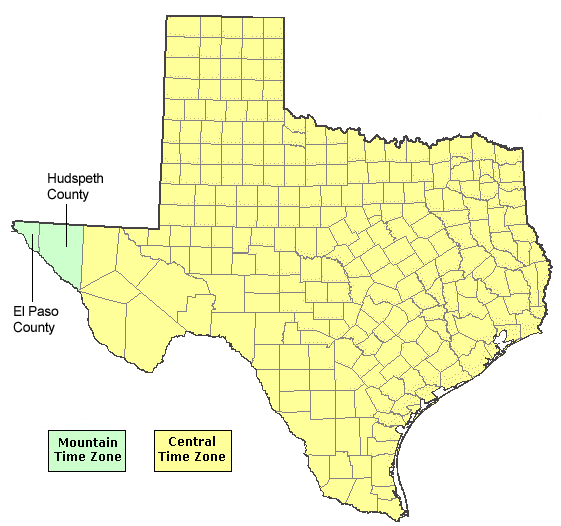
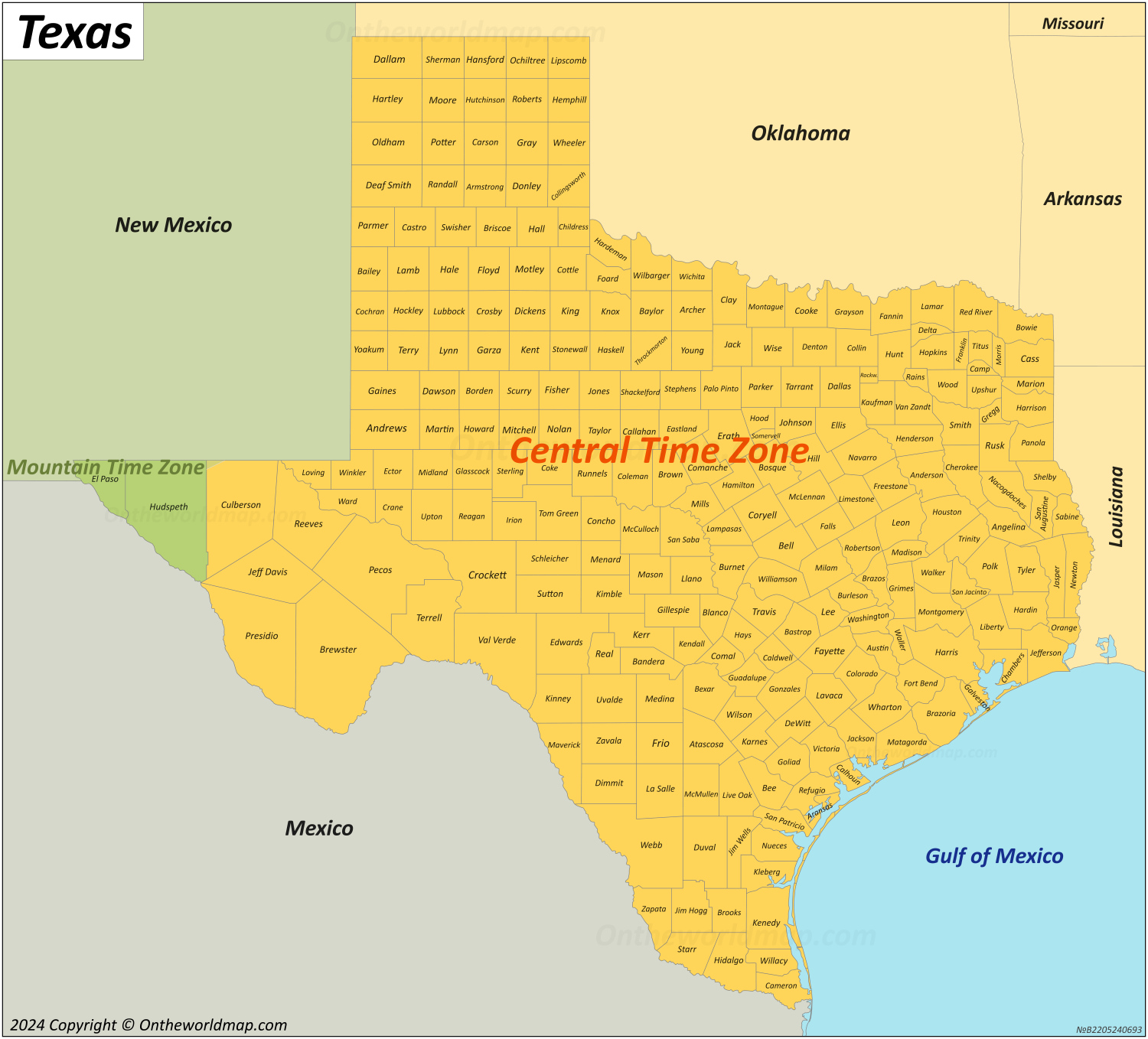
Daylight Saving Time is a practice where clocks are advanced by one hour during warmer months so that evening daylight lasts longer, and morning daylight begins later. The general aim is to make better use of natural daylight. For those venturing into Texas, this means that twice a year, the state’s time zone undergoes a noticeable shift. While most of Texas operates within the Central Time Zone (CT), a small western sliver, including the city of El Paso and its surrounding county, observes Mountain Time Zone (MT). Both of these time zones, however, adhere to the same Daylight Saving Time schedule.
The Annual Shift: Spring Forward, Fall Back
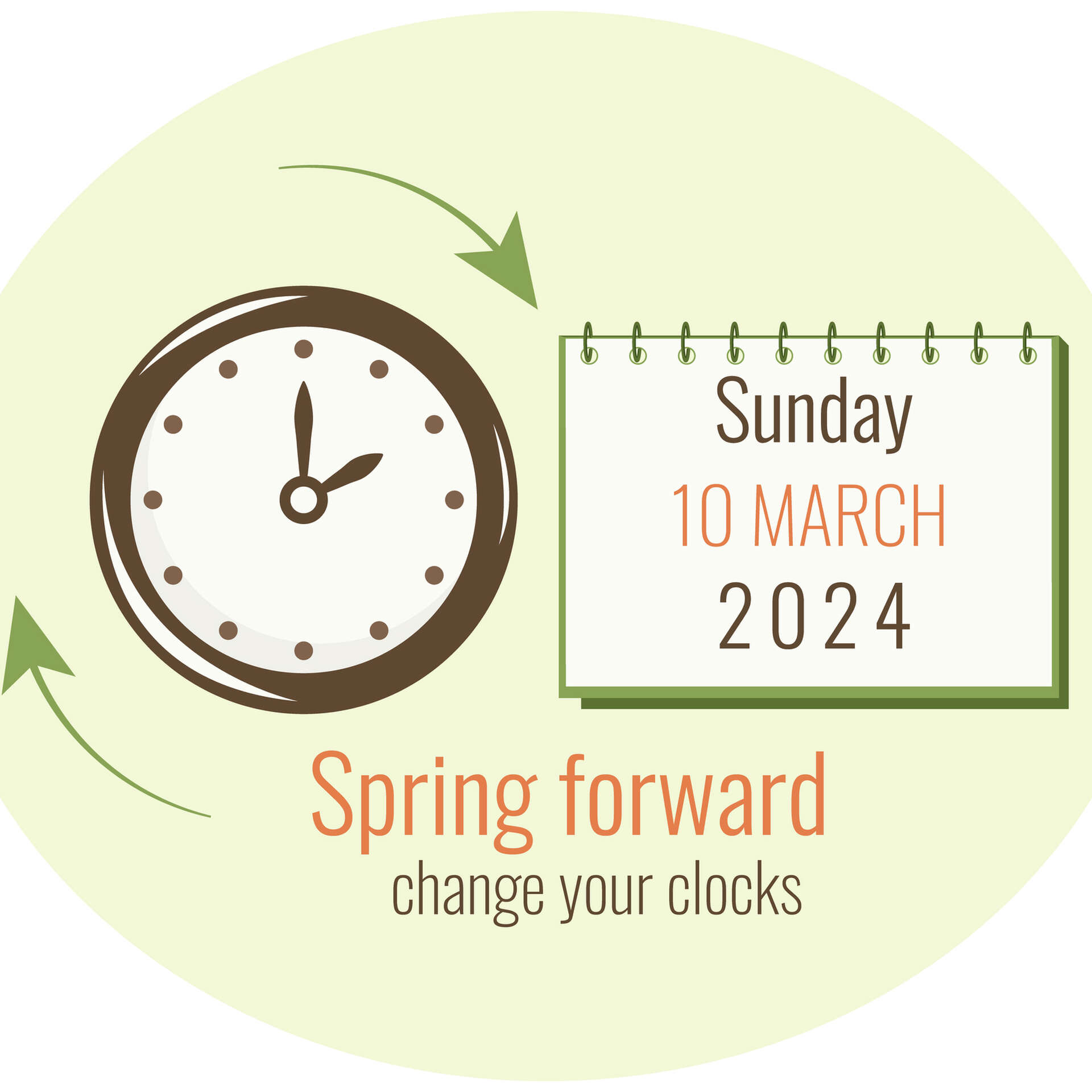
The mechanism of Daylight Saving Time is simple yet impactful. In Texas, as across most of the United States, clocks “spring forward” one hour on the second Sunday in March. This transition typically occurs at 2:00 AM local time, meaning 2:00 AM instantly becomes 3:00 AM, effectively “losing” an hour of sleep or an hour from your night. This change marks the beginning of the longer daylight evenings, perfect for outdoor activities and extended sightseeing during your Texas adventures.
Conversely, the clocks “fall back” one hour on the first Sunday in November. Again, this change happens at 2:00 AM local time, with 2:00 AM reverting to 1:00 AM. This transition “gains” an hour, often celebrated by travelers and locals alike for the extra hour of rest. This shift signifies the return to standard time and heralds the shorter days of late autumn and winter, although Texas winters are often mild and inviting for tourism.
For example, if you’re planning a weekend getaway to Houston in early March, ensure you account for the “spring forward” when booking early morning flights or planning an early start for an attraction like the Space Center Houston. Similarly, a late October trip to Fort Worth’s historic stockyards will require remembering the “fall back” to avoid missing your morning chuck wagon breakfast or an early flight out of Dallas/Fort Worth International Airport.
Historical Context and the Modern Debate
The concept of Daylight Saving Time is not new, tracing its modern implementation back to various countries during World War I to conserve coal. In the United States, it was standardized by the Uniform Time Act of 1966, which established the current system of time zones and the annual DST schedule. This act delegated the authority to states to opt out, leading to two non-observing states: Arizona (with the exception of the Navajo Nation) and Hawaii.
Despite its widespread adoption, DST remains a topic of ongoing debate, particularly in states like Texas. Proponents often cite energy conservation (though modern studies dispute this), increased evening leisure time, and reduced traffic accidents and crime rates. Opponents, however, point to disruptions in sleep patterns, potential health impacts, and the inconvenience for industries tied to fixed schedules.
Over recent years, Texas has seen numerous legislative attempts to either abolish Daylight Saving Time entirely or make it permanent, effectively keeping the state on either permanent standard time or permanent DST. Bills such as Texas House Bill 146 and Texas Senate Bill 1129 have been introduced, reflecting a growing sentiment among some residents and lawmakers to end the biannual clock change. While none of these initiatives have yet passed into law, the discussion continues, indicating that future changes could always be on the horizon. For the contemporary traveler, however, planning around the established “spring forward” and “fall back” remains essential.
Navigating Time Changes for Travelers and Tourists
Understanding when time changes in Texas is not merely a trivial detail; it’s a crucial aspect of travel planning that can significantly influence the efficiency and enjoyment of your trip. From coordinating flights and rental car pickups to maximizing your time at key attractions and ensuring smooth hotel stays, being prepared for the time shift will save you potential headaches.
Planning Your Texas Itinerary: Flights, Drives, and Attractions
When Daylight Saving Time begins or ends, the impact on travel logistics can be profound. For air travel, while airlines and airports generally adjust their schedules well in advance, a flight departing at 1:00 AM on the “spring forward” day might effectively be an hour shorter than expected, or a flight arriving at 3:00 AM might feel like 2:00 AM if you’re traveling from a location that hasn’t changed time yet. Always double-check your flight itineraries with the airline directly closer to the date, especially if your travel coincides with the time change weekends. The same meticulousness applies to train or bus schedules if you’re exploring regional Texas routes.
Road trips across Texas are legendary, offering vast distances and diverse scenery, from the rugged beauty of Big Bend National Park to the sandy shores of South Padre Island. If your journey involves traversing time zones, such as traveling from El Paso (MT) to Dallas (CT), remember you already gain an hour entering Central Time and lose one entering Mountain Time, regardless of DST. Layering DST on top means you could experience a two-hour shift for a short period if one area adjusts before the other is technically considered to have done so. While this is rare for the general population, it’s worth being mindful of. Most importantly, ensure your vehicle’s clock, and your phone’s time are updated automatically or manually to align with your current location.
Visiting Texas landmarks and attractions like the historic Alamo in San Antonio, the Sixth Floor Museum in Dallas, or Moody Gardens in Galveston can also be impacted. While major attractions usually publish their operating hours, their interpretation of “morning” or “evening” might subtly shift. An attraction opening at 9:00 AM on the “spring forward” day will effectively feel like 8:00 AM to your body clock. Always verify opening and closing times directly on the attraction’s website or by calling ahead, especially for smaller museums, local shops, or specific tour times. This small proactive step can prevent arriving too early or too late for a cherished experience.
Accommodation Considerations: Check-ins and Wake-Up Calls
For travelers, hotels and other accommodations form the backbone of a comfortable stay. When time changes, these establishments typically handle adjustments seamlessly, but a few considerations can enhance your experience. Standard check-in times (e.g., 3:00 PM) and check-out times (e.g., 11:00 AM) are usually set to local time. On the “spring forward” day, if your check-in is at 3:00 PM, it will feel like 2:00 PM to your body clock, potentially making the wait feel longer. Conversely, check-out might feel an hour earlier.
Leading hotel brands like Hyatt Regency, Marriott, and Hilton across Texas are well-versed in these transitions. Most modern hotels use systems that automatically update room clocks and internal schedules. However, it’s always prudent to confirm your wake-up call settings with the front desk if you rely on hotel services. If you’re staying in an apartment or villa booked through a short-term rental service, ensure that the property’s manual clocks are adjusted. Your smartphone and laptop will automatically update, but wall clocks or appliances might not.
For those planning an extended stay or booking a resort experience, such as at a Four Seasons Austin or a boutique property like Hotel ZaZa in Dallas, the subtle shift can impact your internal rhythm, especially if you’re coming from a different time zone. Give yourself an extra buffer on travel days and for important appointments on the Monday following the time change. Being well-rested and aware will allow you to fully enjoy the luxurious amenities and exceptional service offered by Texas hotels.
Embracing the Texas Lifestyle Through Seasonal Time Adjustments
The Texas lifestyle is rich and varied, offering everything from vibrant city nightlife to serene natural escapes. Daylight Saving Time plays a subtle yet significant role in how locals and visitors alike experience these facets of the state. Adapting to these time shifts can enhance your ability to dive deep into local culture, enjoy outdoor activities, and participate in community events.
Maximizing Your Texas Experiences: Dining, Events, and Outdoor Adventures
With the “spring forward” in March, Texas benefits from an extra hour of daylight in the evenings. This is a boon for tourism, encouraging visitors to extend their day. Imagine enjoying a leisurely stroll along the San Antonio Riverwalk as the sun sets an hour later, or lingering over a delicious barbecue dinner in Austin before heading to a live music venue. Outdoor activities, from hiking in Guadalupe Mountains National Park to paddleboarding on Lady Bird Lake, become more accessible into the late afternoon and early evening. This extended daylight is particularly valuable for family trips, allowing children more time to play outdoors before bedtime.
Conversely, the “fall back” in November means earlier sunsets. While this shortens the evening daylight, it can create a cozy atmosphere, perfect for enjoying Texas’s renowned culinary scene or catching an early show. Winter festivals, holiday markets, and sporting events often adjust their schedules, so planning ahead is crucial. For instance, attending a Dallas Cowboys game at AT&T Stadium might mean a slightly earlier start for tailgating, but the overall experience remains just as thrilling.
Regardless of the season, embracing the local rhythm includes understanding how time changes influence social activities. Dining experiences, for example, might see restaurants in bustling districts like Bishop Arts District in Dallas or South Congress Avenue in Austin remain vibrant later into the evening during DST. When the clocks fall back, an early dinner reservation might feel more natural, allowing you to enjoy the meal and still have time for evening leisure.
Local Perspectives: Adapting to the Rhythm of Texas
For permanent residents and those considering a long-term stay in Texas, adapting to Daylight Saving Time becomes part of the annual routine. While the initial “spring forward” can feel abrupt, many appreciate the brighter evenings for after-work activities, school sports, and community gatherings. Children often adjust quickly, especially with consistent bedtime routines.
Businesses, from small boutiques to large corporations headquartered in Houston or Dallas, integrate these time changes into their operations. This includes scheduling meetings, managing supply chains, and coordinating with partners in different time zones. For remote workers or digital nomads utilizing Texas as a base, being mindful of DST becomes crucial when collaborating with teams across the globe, or even just across the United States.
The “fall back” brings a shift back to standard time, often welcomed for the lighter mornings, especially for those with early commutes or school runs. This period encourages a shift towards more indoor activities as the daylight shortens. Understanding these local adaptations not only helps visitors blend in but also provides insight into the practicalities of living in such a diverse and dynamic state. Whether you’re considering budget travel or luxury travel, the shared experience of Daylight Saving Time binds the community.
Beyond the Clock: Future of Time in Texas and Travel Tips
The debate surrounding Daylight Saving Time is unlikely to subside soon, and for Texas, the possibility of opting out or making DST permanent remains a recurring legislative topic. For now, however, travelers and residents must navigate the current system. Being prepared and informed is the best strategy for a seamless experience.
Legislative Efforts and Potential Changes
As mentioned, various legislative bills have been introduced in Texas to reconsider the state’s participation in Daylight Saving Time. These efforts often reflect a desire for consistency, citing potential health benefits of avoiding seasonal sleep disruptions and the economic arguments about time-sensitive industries. Some proposals suggest moving to a permanent Daylight Saving Time, which would mean longer evenings year-round, while others advocate for permanent standard time.
Any change to Texas’s time observation would require an act of the state legislature and potentially approval from the U.S. Department of Transportation, which oversees time zones. Until such legislation is passed and enacted, Texas will continue to observe the “spring forward” and “fall back” schedule. Travelers planning future trips should keep an eye on news from the Texas State Capitol in Austin for any potential changes that could affect their visit.
Essential Tips for a Seamless Texas Trip During Time Shifts
To ensure your Texas adventure is unaffected by the biannual time changes, here are some practical tips:
- Verify All Schedules: Confirm flight, train, bus, and tour schedules directly with providers, especially around the second Sunday in March and the first Sunday in November.
- Adjust Digital Devices: Ensure your smartphone, tablet, and laptop are set to automatically update their time based on your location. Most modern devices do this by default, but it’s worth checking.
- Manual Clocks: If you’re relying on analog watches, alarm clocks, or vehicle clocks, remember to manually adjust them.
- Buffer Time: Build extra buffer time into your itinerary for travel days that coincide with the time change, particularly if you have early morning flights or crucial appointments.
- Accommodation Check: Confirm with your hotel or accommodation provider about wake-up calls and any specific procedures they have in place for the time change.
- Stay Hydrated and Rested: Time changes can disrupt sleep patterns, leading to mild fatigue. Prioritize hydration and rest, especially during the “spring forward” transition, to minimize any jet lag-like effects.
- Embrace the Light: When clocks “spring forward,” take advantage of the extended daylight for outdoor activities, evening strolls, and al fresco dining. When they “fall back,” appreciate the brighter mornings and plan cozy evening activities.
- Local Awareness: Pay attention to local news or ask hotel staff about any specific events or opening hours that might be temporarily altered due to the time change.
By keeping these points in mind, your journey through Texas will be as smooth and enjoyable as the friendly hospitality for which the state is famous. Whether you’re staying in a luxurious suite in Houston, a charming boutique hotel near the Austin Capitol Building, or a cozy long-term rental in Corpus Christi, understanding “When Does Time Change For Texas?” is a small detail that makes a big difference in the quality of your travel and lifestyle experience.