
For many, Florida conjures images of pristine beaches, exhilarating theme parks, and a laid-back lifestyle. It’s a premier destination for travel, offering everything from bustling Miami nightlife to the serene natural beauty of the Everglades National Park. Whether you’re planning a short vacation, considering a long-term stay, or perhaps even contemplating a permanent move to the Sunshine State, understanding the rhythm of life here extends beyond just knowing the best attractions or hotels. For those who call Florida home, even seasonally, civic engagement is an integral part of the local culture.
The question “When does voting start in Florida?” is more nuanced than a single date, encompassing a series of deadlines for registration, mail-in ballots, and early voting, all culminating in Election Day. For visitors, particularly those from other states or countries like Canada or Europe, navigating the electoral calendar can seem complex. However, being informed is crucial for residents and those with vested interests in the state’s future. This comprehensive guide aims to demystify Florida’s voting process, helping you align your travel plans, understand civic duties, or simply appreciate the democratic fabric of this vibrant state.
Navigating Florida’s Election Landscape: A Guide for Residents and Visitors
Florida, like all states in the United States, operates on a well-defined electoral schedule. While Election Day itself is a single date, the “start” of voting is much earlier, encompassing periods for voter registration, requesting absentee ballots, and participating in early voting. These options provide flexibility, which is particularly beneficial for Florida’s diverse population, including snowbirds, seasonal workers, and those who frequently travel for business stays or extended family trips. Understanding these phases is not just about casting a ballot; it’s about appreciating the infrastructure that supports active participation in governance, a key aspect of living within any community, whether it’s Miami or Sarasota.
Understanding the Florida Election Cycle
Florida typically holds several types of elections:
- General Elections: These occur in even-numbered years (e.g., 2024, 2026) on the first Tuesday after the first Monday in November. This is when voters choose the President, members of Congress, the Governor, state legislators, and various local officials.
- Primary Elections: Held before the General Election, usually in August of even-numbered years. These elections determine which candidates from each political party (e.g., Republican Party, Democratic Party) will advance to the General Election. Florida has a “closed primary” system, meaning you can only vote for candidates from the party you are registered with. Independent voters can vote only in non-partisan races during the primaries.
- Municipal Elections: Many cities, such as Orlando, Tampa, or Jacksonville, hold their own local elections, often in odd-numbered years or at different times than state and federal elections. These focus on city commissioners, mayors, and other local issues.
- Special Elections: These are less common and are held to fill vacancies outside of the regular election cycle, such as a sudden vacancy in a congressional seat.
Each election type comes with its own specific deadlines, which can fluctuate slightly depending on the year and the particular election being held. For anyone embracing the Florida lifestyle, keeping these different cycles in mind is important for staying informed and prepared. Resources from the Florida Department of State and your local Supervisor of Elections office are invaluable for precise dates.
Key Dates and Deadlines: Planning Your Florida Civic Engagement
To ensure your participation in Florida’s electoral process, it’s essential to mark several key dates on your calendar. These deadlines are mandated by Florida Statutes and are strictly enforced. Missing a deadline, whether for registration or returning a ballot, means forfeiting your opportunity to vote in that particular election. For those who enjoy the flexibility of travel or maintain homes in multiple locations, proactive planning is crucial.
Voter Registration: Ensuring Your Voice is Heard
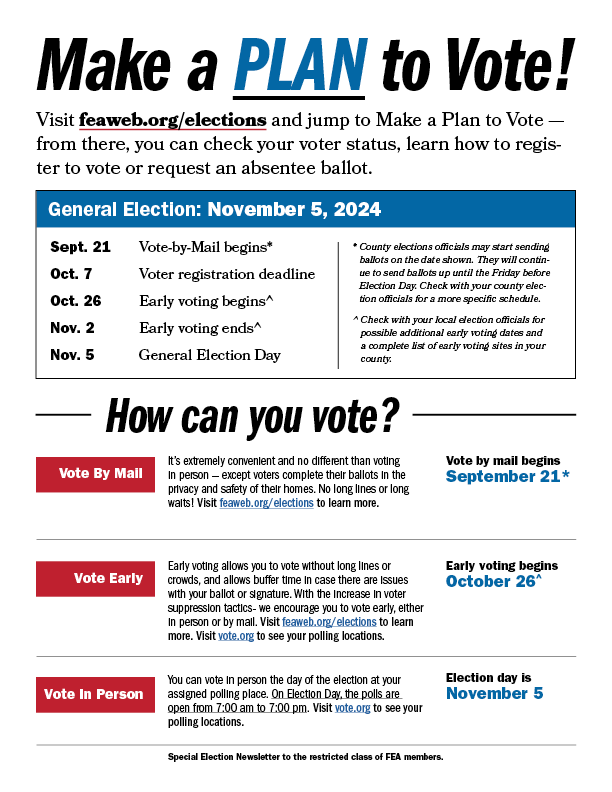
Before you can cast a ballot in Florida, you must be a registered voter.
- Eligibility: To register, you must be a citizen of the United States, a legal resident of Florida and the county in which you intend to vote, and at least 18 years old (you can pre-register at 16). You must not have been adjudicated mentally incapacitated without having the right to vote restored, and you must not have been convicted of a felony without having your civil rights restored.
- Registration Deadline: The deadline to register to vote (or update your party affiliation or address) for any election in Florida is always 29 days before that election. This is a non-negotiable cutoff. If you’ve moved from, say, Orlando to Tampa, you must update your registration to your new county.
- How to Register: You can register online through the Florida Department of State website, in person at your county Supervisor of Elections office, at any driver’s license office, or at various public assistance agencies. It’s a straightforward process, but ensure you meet the deadline.
Absentee Ballots: Voting by Mail for Convenience
Voting by mail, also known as casting an absentee ballot, is a popular option in Florida, offering immense convenience for those who travel, are away for work, or simply prefer the comfort of voting from home.
- Requesting a Mail Ballot: You can request a mail ballot from your county Supervisor of Elections office. This can typically be done online, by phone, or in writing. Requests are valid for all elections through the end of the calendar year of the next regularly scheduled general election.
- Request Deadline: The deadline to request that a vote-by-mail ballot be mailed to you is no later than 5:00 p.m. on the 10th day before the election. After this, you might still be able to pick up a ballot in person from your local Supervisor of Elections office until Election Day.
- Returning Your Mail Ballot: Completed mail ballots must be received by the Supervisor of Elections office no later than 7:00 p.m. on Election Day. Postmarks do not count. Many counties offer secure drop boxes at early voting sites and the Supervisor of Elections office for convenience. This is particularly important for snowbirds who might be returning to Florida just before or on Election Day, or those taking advantage of various travel experiences that take them away from home.
Early Voting: Flexibility for Your Florida Schedule
Florida also offers an early voting period, allowing registered voters to cast their ballots in person at designated early voting sites before Election Day. This period typically runs for several days, often including weekends, providing flexibility for those with busy schedules or specific travel plans.
- Early Voting Period: The early voting period begins a minimum of 10 days before a general election and ends a minimum of 3 days before the election. For primary and special elections, the minimum period is 8 days, ending 3 days before the election. Specific dates and hours are announced by each county’s Supervisor of Elections.
- Locations: Early voting sites are generally set up in convenient public locations within each county, such as libraries, community centers, and even some government buildings. Unlike Election Day where you must vote in your assigned precinct, during early voting, you can cast your ballot at any early voting site within your registered county. This is a significant advantage for those commuting across areas like Broward County or Orange County for work or leisure.
- What to Bring: When voting early, you’ll need to bring a valid photo and signature identification. Acceptable forms include a Florida driver’s license, a Florida identification card, or a United States passport.
Election Day: What to Expect at the Polls
For those who prefer the traditional method or simply miss the early voting windows, Election Day remains the primary opportunity to cast your vote.
- Date and Hours: As mentioned, General Elections are held on the first Tuesday after the first Monday in November. Polls in Florida are open from 7:00 a.m. to 7:00 p.m. If you are in line by 7:00 p.m., you are entitled to cast your ballot.
- Precinct Voting: On Election Day, you must vote at your assigned precinct. Your precinct number and location are listed on your voter information card, which your county Supervisor of Elections mails to you. You can also easily find this information online through your county’s election website.
- Identification: Just like with early voting, you will need a valid photo and signature identification to vote at the polls.
- Atmosphere: Election Day often brings a unique atmosphere, with volunteers for various campaigns present outside the polling place (adhering to designated distances) and a sense of collective civic participation. For those experiencing Florida’s local culture, it’s a glimpse into the democratic process.
Beyond the Ballot Box: Why Voting Matters in Florida’s Lifestyle
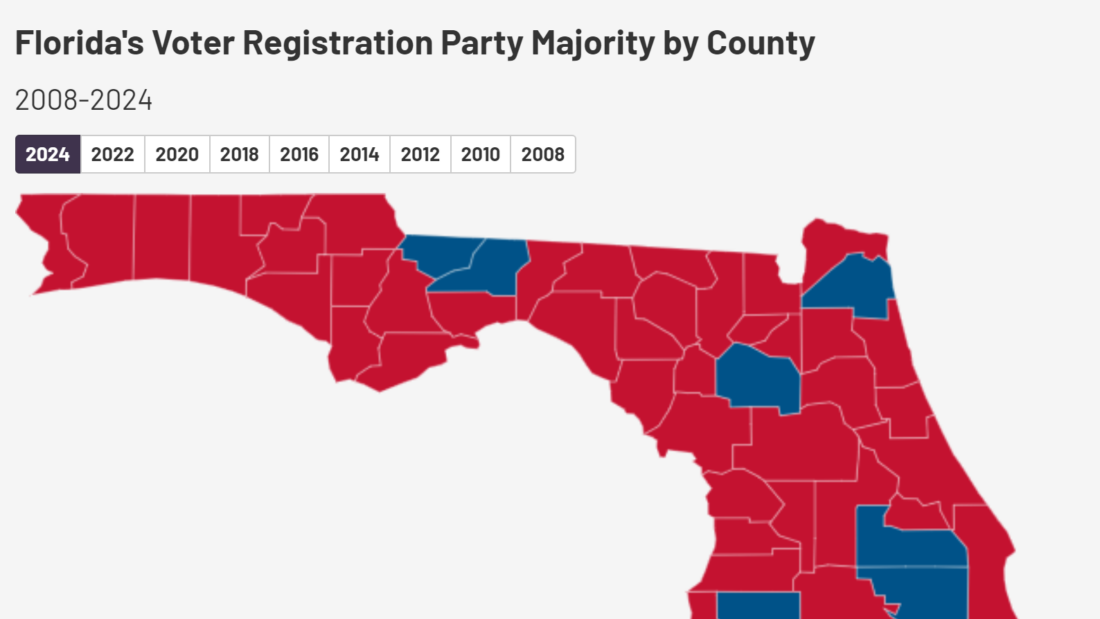
While the act of voting might seem like a simple civic duty, its implications for the Florida lifestyle, tourism, and overall community are profound. The outcomes of elections directly influence policies related to infrastructure, environmental protection, education, healthcare, and local development — all factors that impact the quality of life for residents and the experience for visitors.
Consider the thriving tourism industry in areas like Orlando, home to Walt Disney World Resort and Universal Studios Florida, or the bustling port cities of Miami and Fort Lauderdale. Local and state elections determine the allocation of resources for public transportation, maintenance of landmarks, environmental regulations protecting Florida’s unique nature (from the Everglades National Park to the beaches of Key West), and the very framework that supports local businesses and accommodation options, from luxury travel resorts in Palm Beach to budget travel apartments in Gainesville.
For those considering a move or a seasonal stay in Florida, understanding the local political climate and participating in it through voting is a critical step in integrating into the community. It allows you to shape the environment you live in, whether it’s influencing zoning laws in Naples, supporting conservation efforts in Pinellas County, or ensuring adequate funding for local schools in Tallahassee. The policies chosen by elected officials can impact everything from property taxes and public services to the availability of activities and the overall appeal of various destinations across North Florida, Central Florida, South Florida, and the Panhandle, from Pensacola to Daytona Beach on the Space Coast.
Ultimately, “When does voting start in Florida?” is a question that opens the door to understanding the democratic pulse of the state. It’s a reminder that beneath the allure of sun-drenched beaches and world-class attractions, there’s a dynamic community shaping its future through active participation. Whether you’re a long-time resident, a new transplant from Puerto Rico or Cuba, or a global citizen from South America planning a seasonal retreat to St. Petersburg, being informed about the election process is a fundamental aspect of truly experiencing and contributing to the rich tapestry of Florida lifestyle. Always consult the official website of the Florida Department of State or your local county Supervisor of Elections for the most current and accurate election information.
LifeOutOfTheBox is a participant in the Amazon Services LLC Associates Program, an affiliate advertising program designed to provide a means for sites to earn advertising fees by advertising and linking to Amazon.com. Amazon, the Amazon logo, AmazonSupply, and the AmazonSupply logo are trademarks of Amazon.com, Inc. or its affiliates. As an Amazon Associate we earn affiliate commissions from qualifying purchases.