
The mere mention of Hawaii conjures images of pristine beaches, lush volcanic landscapes, and the gentle rhythm of aloha. This archipelago of eight major islands, nestled in the heart of the Pacific Ocean, stands as a beacon for travelers seeking an unparalleled blend of adventure, relaxation, and cultural immersion. But with such a diverse array of experiences on offer, the pivotal question for many aspiring visitors often becomes: “When Hawaii?” Choosing the right time to visit can significantly shape your experience, influencing everything from the weather and crowd levels to the availability of specific activities and the overall cost of your trip.
This comprehensive guide aims to peel back the layers of Hawaii’s seasonal allure, helping you pinpoint the perfect window for your dream vacation. We’ll explore the nuances of its climate, delve into the ebb and flow of tourist traffic, highlight unmissable cultural festivals, and offer insights into selecting the ideal island and accommodation to match your travel style and budget. Whether you envision a serene escape basking on sun-drenched sands, an adrenaline-fueled surf adventure, or a deep dive into the rich Hawaiian heritage, understanding the “when” is the first step towards crafting an unforgettable journey to the Aloha State.
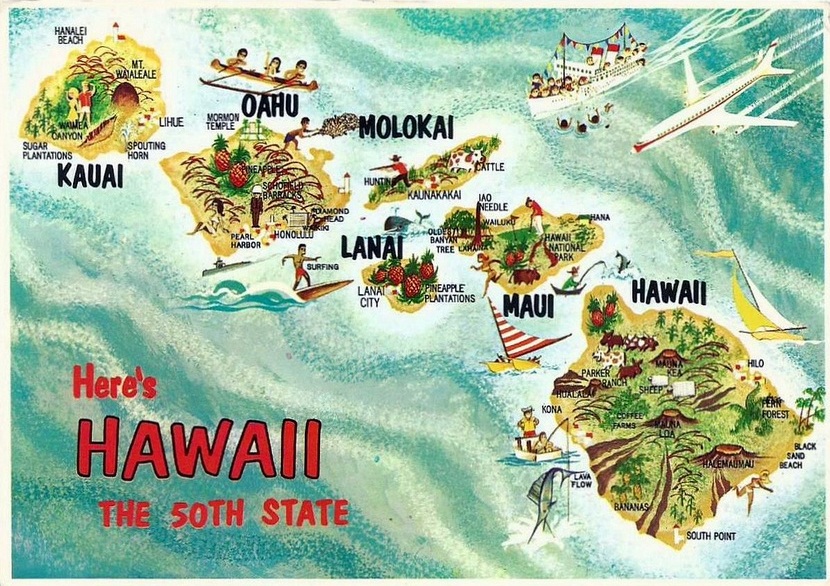
Unlocking the Best Time to Visit the Aloha State
Hawaii’s appeal is perennial, thanks to its consistent tropical climate. However, subtle shifts in weather patterns, combined with the rhythm of tourism, create distinct advantages and disadvantages throughout the year. Understanding these cycles is crucial for optimizing your visit.
Navigating Peak and Off-Peak Seasons
The flow of visitors to Hawaii largely dictates prices and crowd density. Generally, the islands experience two main peak seasons:
- Winter (Mid-December to April): This is arguably the most popular time to visit, especially around the holidays and during spring break. Travelers from colder climates flock to Hawaii seeking warmth and sunshine. Expect higher prices for flights and accommodation, with resorts like the Grand Wailea on Maui or the Hilton Hawaiian Village Waikiki Beach Resort on Oahu often fully booked months in advance. The atmosphere is vibrant, but popular attractions can be crowded. This period also coincides with prime whale watching season, particularly from January to March, when humpback whales migrate to the warm Hawaiian waters to breed and calve.
- Summer (June to August): Family vacations drive this second peak season, as schools are out. While not as expensive as winter, prices remain elevated, and popular spots like Waikiki Beach or the Road to Hana can see significant tourist activity. The weather is consistently warm and sunny, ideal for beach activities and water sports.

For those seeking a more tranquil and budget-friendly experience, the shoulder seasons offer a compelling alternative:
- Spring (Mid-April to May): Following the spring break rush, this period sees a dip in crowds and prices. The weather is still excellent, with warm temperatures and less rain than winter. It’s a fantastic time for exploring national parks like Haleakala National Park or Hawaii Volcanoes National Park without the throngs.
- Fall (September to Mid-December): This is often considered the sweet spot for many savvy travelers. With children back in school, crowds significantly thin out, and travel costs decrease. The weather remains delightful, with warm ocean temperatures perfect for swimming and snorkeling. This period is also host to several cultural festivals, offering a deeper dive into local traditions.
Weather Wisdom: Sunshine, Rain, and Surfing Swells
Hawaii’s climate is remarkably consistent, with average daytime temperatures ranging from the mid-70s to mid-80s Fahrenheit (24-29°C) year-round. However, there are subtle seasonal variations that can influence your activities:
- Rainfall: The islands have a “wet season” (November to March) and a “dry season” (April to October). During the wet season, expect more frequent, but typically brief, tropical showers, especially on the windward (eastern) sides of the islands. The leeward (western) coasts, where most major resorts like those in Wailea and Kaanapali are located, tend to be much drier. Don’t let the wet season deter you entirely; even during these months, plenty of sunshine abounds.
- Ocean Temperatures: Water temperatures are consistently warm, ranging from 75-80°F (24-27°C) throughout the year, making swimming and snorkeling always inviting.
- Surf Seasons: Hawaii is globally renowned for its surfing. The monumental waves that attract professional surfers to Oahu’s North Shore (e.g., Banzai Pipeline, Waimea Bay) primarily occur during the winter months (November to February). If catching or watching big waves is a priority, winter is your window. Conversely, summer (May to September) offers calmer waters, ideal for beginner surfers, paddleboarding, and snorkeling in generally gentler conditions across most beaches.
Seasonal Events and Festivals to Enhance Your Trip
Beyond the natural beauty, Hawaii’s vibrant cultural calendar offers unique opportunities to experience the local lifestyle and traditions.
- Spring (March – May): The Merrie Monarch Festival in Hilo on the Big Island in April is a world-renowned hula competition and cultural event, celebrating Hawaiian heritage. Early spring also brings various food festivals, showcasing local produce and culinary talents.
- Summer (June – August): June 11th marks King Kamehameha Day, a statewide holiday celebrating the monarch who unified the Hawaiian Islands. Expect parades, floral lei draping ceremonies, and cultural performances.
- Fall (September – November): This is a particularly rich period for cultural events. The month-long Aloha Festivals (September) on Oahu and other islands celebrate Hawaiian music, dance, and history with street parties, parades, and block parties. The Hawaii Food & Wine Festival (October) draws top chefs and food enthusiasts, while the Kona Coffee Cultural Festival (November) on the Big Island celebrates the region’s famous coffee. The Hawaii International Film Festival (November) offers a cinematic exploration of Pacific Rim cultures.
- Winter (December – February): Christmas and New Year’s are festive, albeit crowded, times. The winter surf season brings major competitions like the Vans Triple Crown of Surfing to Oahu’s North Shore, attracting spectators from around the globe.
Attending one of these events can significantly enhance your appreciation for Hawaiian culture and provide unique memories.
Crafting Your Hawaiian Itinerary: Beyond Just Dates
While “when” is a crucial starting point, “where” and “what” you plan to do are equally important in shaping your Hawaiian adventure. Each island offers a distinct personality and range of experiences.
Island Hopping: Choosing Your Perfect Paradise
Hawaii is not a monolithic destination; it’s a collection of unique worlds.
- Oahu: The Gathering Place – Home to the bustling capital of Honolulu and iconic Waikiki Beach, Oahu blends urban sophistication with natural beauty. It’s perfect for first-time visitors who want a mix of city life, history (Pearl Harbor), world-class dining, and surf culture (North Shore). Landmarks include Diamond Head, Hanauma Bay, and the Polynesian Cultural Center. Hotels like the Sheraton Waikiki offer stunning ocean views and immediate access to the beach.
- Maui: The Valley Isle – Renowned for its luxurious resorts, stunning beaches like Wailea Beach and Kaanapali Beach, and incredible natural landscapes. Visitors flock to witness the sunrise from Haleakala National Park, drive the scenic Road to Hana, or explore historic Lahaina. Maui offers a balance of adventure and upscale relaxation, with options like the Four Seasons Resort Maui at Wailea or The Ritz-Carlton, Kapalua providing top-tier accommodation.
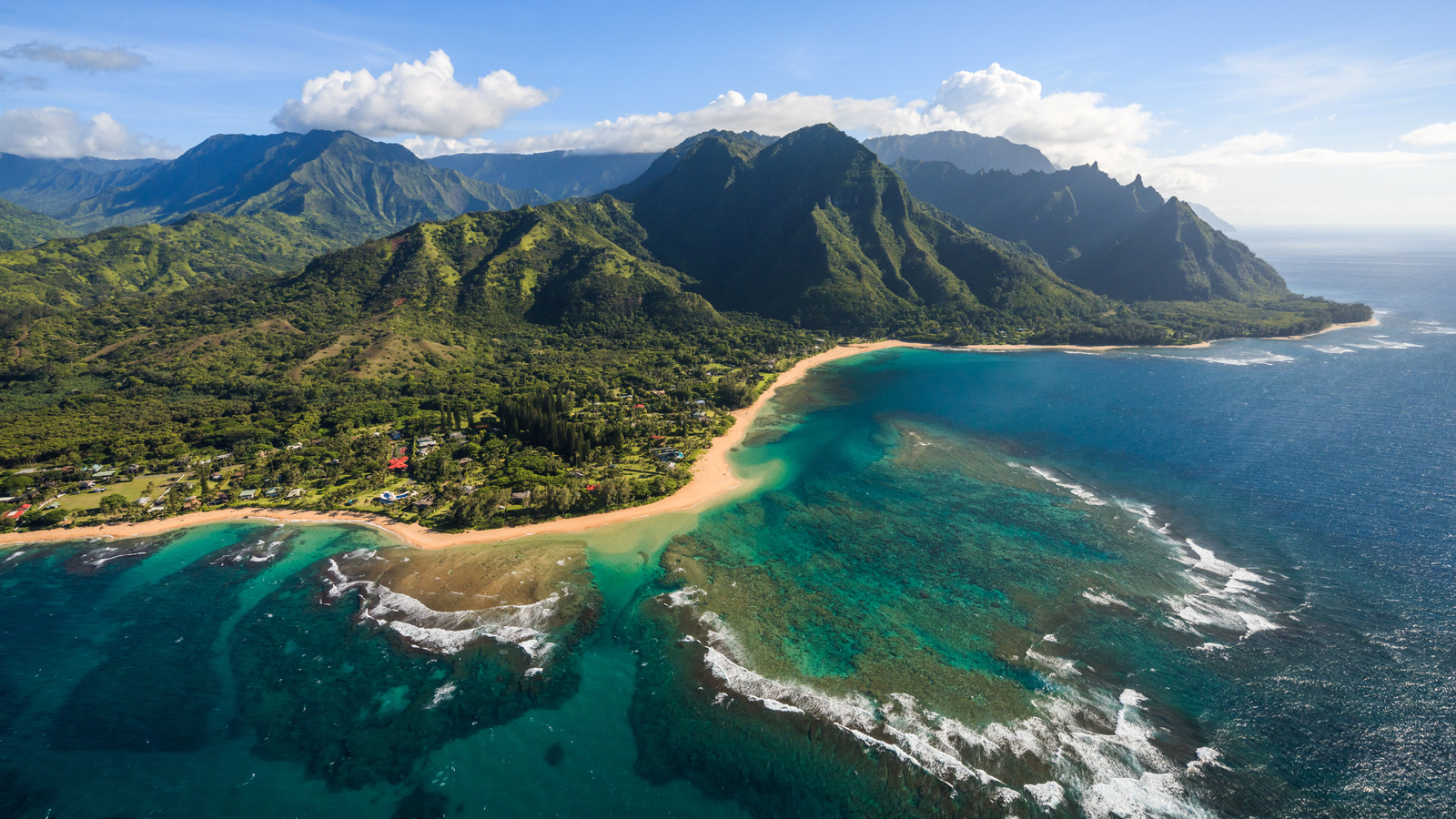
- Kauai: The Garden Isle – A haven for nature lovers and adventurers, Kauai is characterized by its dramatic cliffs, lush rainforests, and cascading waterfalls. The majestic Na Pali Coast is best explored by helicopter or boat, while Waimea Canyon, often called the “Grand Canyon of the Pacific,” offers breathtaking vistas. This island is perfect for hiking, kayaking, and experiencing raw, untamed beauty. Accommodation ranges from charming vacation rentals to the luxurious Princeville Resort on the north shore.
- Big Island (Island of Hawaii): The Orchid Isle – The youngest and largest of the islands, the Big Island boasts incredible ecological diversity, from active volcanoes in Hawaii Volcanoes National Park (home to Kilauea) to snow-capped peaks like Mauna Kea. It offers black sand beaches, vibrant coral reefs, and the famous Kona coffee region. It’s ideal for those seeking geological wonders, stargazing, and snorkeling.
- Molokai & Lana’i: The Secluded Isles – For a truly off-the-beaten-path experience, these smaller islands offer tranquility and a glimpse into old Hawaii. Molokai boasts the highest sea cliffs in the world and pristine Papohaku Beach. Lana’i, often dubbed “Pineapple Isle,” provides a luxurious, secluded retreat with world-class golf and pristine natural beauty.
Consider combining two islands for a longer trip to experience different facets of Hawaii. For example, start with the energy of Oahu then unwind on the serene beaches of Maui or Kauai.
Accommodations: From Luxury Resorts to Budget-Friendly Stays
Hawaii offers a vast spectrum of accommodation options to suit every lifestyle and budget.
- Luxury Resorts: Predominantly found on Maui (Wailea, Kapalua), Oahu (Waikiki, Ko Olina), and the Big Island (Kona Coast), these properties provide unparalleled amenities, from spas and golf courses to multiple dining options and oceanfront suites. Examples include Aulani, A Disney Resort & Spa for families or the tranquil Four Seasons Resort Hualalai on the Big Island.
- Mid-Range Hotels: Available across all islands, these offer comfortable stays with a good balance of amenities and value. Many are located conveniently near popular attractions and beaches.
- Vacation Rentals (Condos, Villas, Apartments): Ideal for families or longer stays, these provide more space, privacy, and often kitchens, allowing for self-catering and potential cost savings on dining. Websites specializing in accommodation booking offer extensive options, from a cozy apartment in Kona to a private villa overlooking the Na Pali Coast.
- Budget-Friendly Options: Hostels, smaller local hotels, and campgrounds provide affordable alternatives for backpackers and budget travelers. These are more common in less touristy areas or specific towns like Hilo.
When booking, remember to check reviews and comparison sites, and always factor in resort fees and taxes.
Experiences That Define a Hawaiian Journey
Regardless of when you visit, Hawaii offers an abundance of quintessential experiences:
- Beach Life: From the famous shores of Waikiki and Kaanapali to secluded coves like Makena Beach on Maui or Poipu Beach on Kauai, beach time is a must. Enjoy swimming, sunbathing, snorkeling, or simply relaxing.
- Water Sports: Learn to surf, paddleboard, kayak, or go deep-sea fishing. Take a catamaran cruise along the Na Pali Coast or a snorkeling tour to Molokini Crater.
- Hiking: Explore verdant trails leading to waterfalls (Manoa Falls on Oahu), volcanic craters (Diamond Head), or ancient sites.
- Cultural Immersion: Attend a traditional luau, visit historical sites like Pearl Harbor, explore the Polynesian Cultural Center, or simply engage with locals to learn about the “aloha spirit.”
- Volcanic Exploration: Witness the raw power of nature at Hawaii Volcanoes National Park on the Big Island or experience a sunrise/sunset at Haleakala on Maui.
- Food Tourism: Savor fresh poke, kalua pig, shave ice, and tropical fruits. Explore farmers’ markets and enjoy farm-to-table dining experiences. From casual food trucks to luxury fine dining, Hawaiian cuisine is a highlight.
Practical Planning for a Seamless Hawaiian Adventure
Once you’ve decided on “when” and started dreaming of “what,” the practicalities of planning come into play. A well-organized trip ensures a smoother, more enjoyable experience.
Budgeting for Your Dream Vacation
Hawaii can be an expensive destination, but smart planning can help manage costs.
- Flights: Airfare is often the largest single expense. Flying during the shoulder seasons (spring and fall) can offer significant savings. Booking several months in advance is generally recommended.
- Accommodation: As discussed, prices fluctuate with demand. Consider vacation rentals with kitchens to save on food costs. Booking early, especially for popular resorts, is essential.
- Car Rental: Renting a car is highly recommended for exploring most islands, offering flexibility to visit remote beaches or scenic drives like the Road to Hana. Reserve well in advance, especially during peak seasons.
- Food: Dining out frequently can add up. Balance restaurant meals with groceries from local supermarkets or farmers’ markets. Explore food trucks for delicious and often more affordable local fare.
- Activities: Many natural landmarks are free to explore (beaches, hiking trails). Budget for paid attractions like luaus, surf lessons, snorkeling tours, or helicopter rides. Consider multi-activity passes if available.
- Travel Insurance: Given the investment, travel insurance is a wise consideration to protect against unforeseen cancellations, medical emergencies, or lost luggage.
Essential Packing and Travel Tips
- Pack Light & Smart: Hawaii is casual. Bring swimwear, light clothing, reef-safe sunscreen, a reusable water bottle, a hat, sunglasses, and comfortable walking shoes. A light rain jacket is useful during the wet season or for higher elevations like Haleakala.
- Reef-Safe Sunscreen: Protect Hawaii’s delicate coral reefs. The state has banned sunscreens containing oxybenzone and octinoxate. Look for mineral-based sunscreens with zinc oxide and titanium dioxide.
- Respect the Culture: Embrace the “aloha spirit” by being respectful of the land (aina), local customs, and fellow visitors. Learn a few basic Hawaiian phrases like “mahalo” (thank you) and “aloha.”
- Stay Hydrated: The tropical heat can be intense. Drink plenty of water.
- Early Starts: Beat the crowds at popular attractions by starting your day early, especially for sunrise at Haleakala or visiting Hanauma Bay.
- Connectivity: While many resorts and hotels offer Wi-Fi, consider a local SIM card or portable hotspot if you need consistent connectivity for navigation or work.
- Local Time: Hawaii observes Hawaii Standard Time (HST) and does not observe Daylight Saving Time. Adjust your internal clock accordingly to avoid jet lag.
In conclusion, “When Hawaii?” is a question with many wonderful answers, each offering a unique flavor of this island paradise. Whether you chase the winter swells, bask in the summer sun, or seek the tranquility of the shoulder seasons, careful planning—from understanding seasonal nuances to choosing the right island and accommodation—will ensure your Hawaiian adventure lives up to every expectation. The spirit of aloha awaits, whenever you choose to answer its call.