
For many travelers drawn to the Sunshine State, the allure of encountering Florida’s iconic American alligators is undeniable. These ancient reptiles are synonymous with the state’s wild landscapes, and witnessing them in their natural habitat can be a truly unforgettable experience. However, if your goal is to observe these fascinating creatures, particularly during their most active and visible periods, understanding their annual cycle is key. Specifically, knowing when alligator mating season occurs in Florida is crucial for both optimizing your wildlife viewing opportunities and ensuring a safe and respectful interaction with these powerful animals. This guide delves into the nuances of the alligator breeding cycle, offering insights for tourists looking to plan their perfect Florida adventure around this significant natural event. From ideal viewing locations to essential safety tips and accommodation considerations, we’ll cover everything you need to know to make your visit both thrilling and responsible.
Understanding the Alligator Mating Cycle in Florida
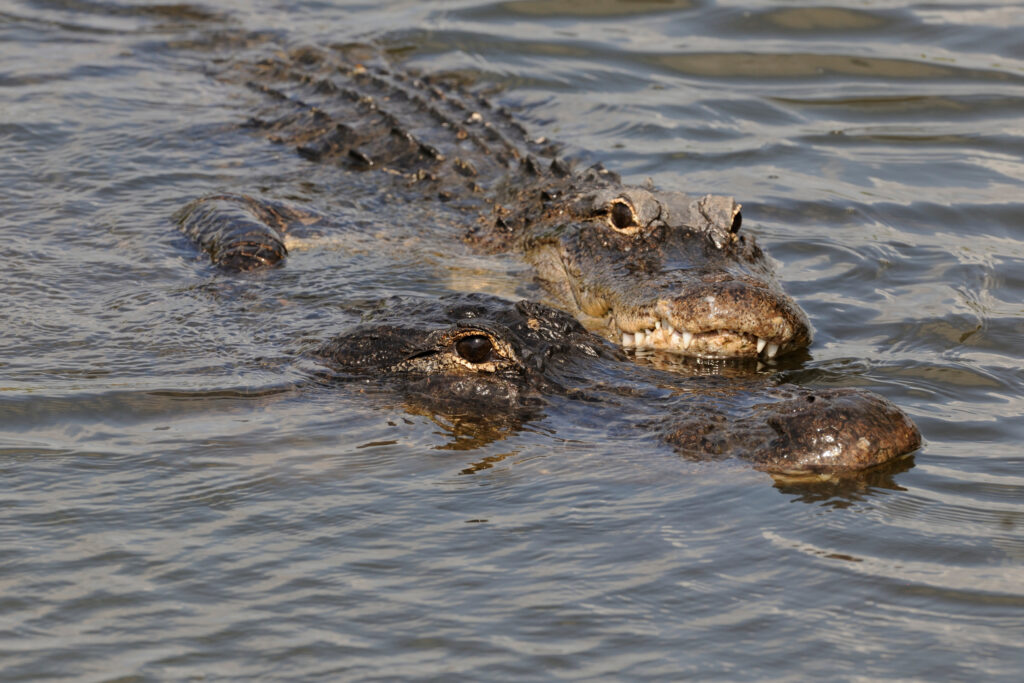
The alligator mating season in Florida is a fascinating annual event driven by rising temperatures and the instinct to reproduce. It’s not a single, fixed date but rather a period that typically spans several months, with distinct stages of activity. Knowing these stages can significantly enhance your chances of observing specific behaviors and understanding the dynamics of these incredible predators. The season generally kicks off as the cooler winter months give way to the warmth of spring, signaling to alligators that it’s time to become more active and seek out mates.
The Early Stages: Courtship and Nesting Preparation
The initial phase of the mating season typically begins in April, sometimes even as early as late March, depending on the specific weather patterns across Florida. As water and ambient temperatures rise steadily, alligators, which are cold-blooded, emerge from their less active winter states. During this time, they become more visible, basking in the sun and actively seeking food to build up energy reserves for the strenuous breeding period ahead. This is when courtship rituals begin to unfold. Male alligators, in particular, become highly vocal, emitting deep, guttural roars and head-slaps that reverberate across the wetlands. These powerful displays serve multiple purposes: attracting females, asserting dominance over rival males, and marking territory. Females, in turn, respond to these calls, assessing potential mates. It’s a period of intense communication and display, making it an exciting time for observers.
This pre-mating period is also characterized by increased movement. Alligators will travel across their territories, sometimes venturing into areas they might not typically frequent, as they search for partners. For visitors, this means a higher likelihood of spotting them in various water bodies, from canals and lakes to rivers and marshes. While actual mating might not be in full swing, the precursors to it—the displays, sounds, and heightened activity—are abundant, offering a unique glimpse into their social structure.
Peak Mating Activity
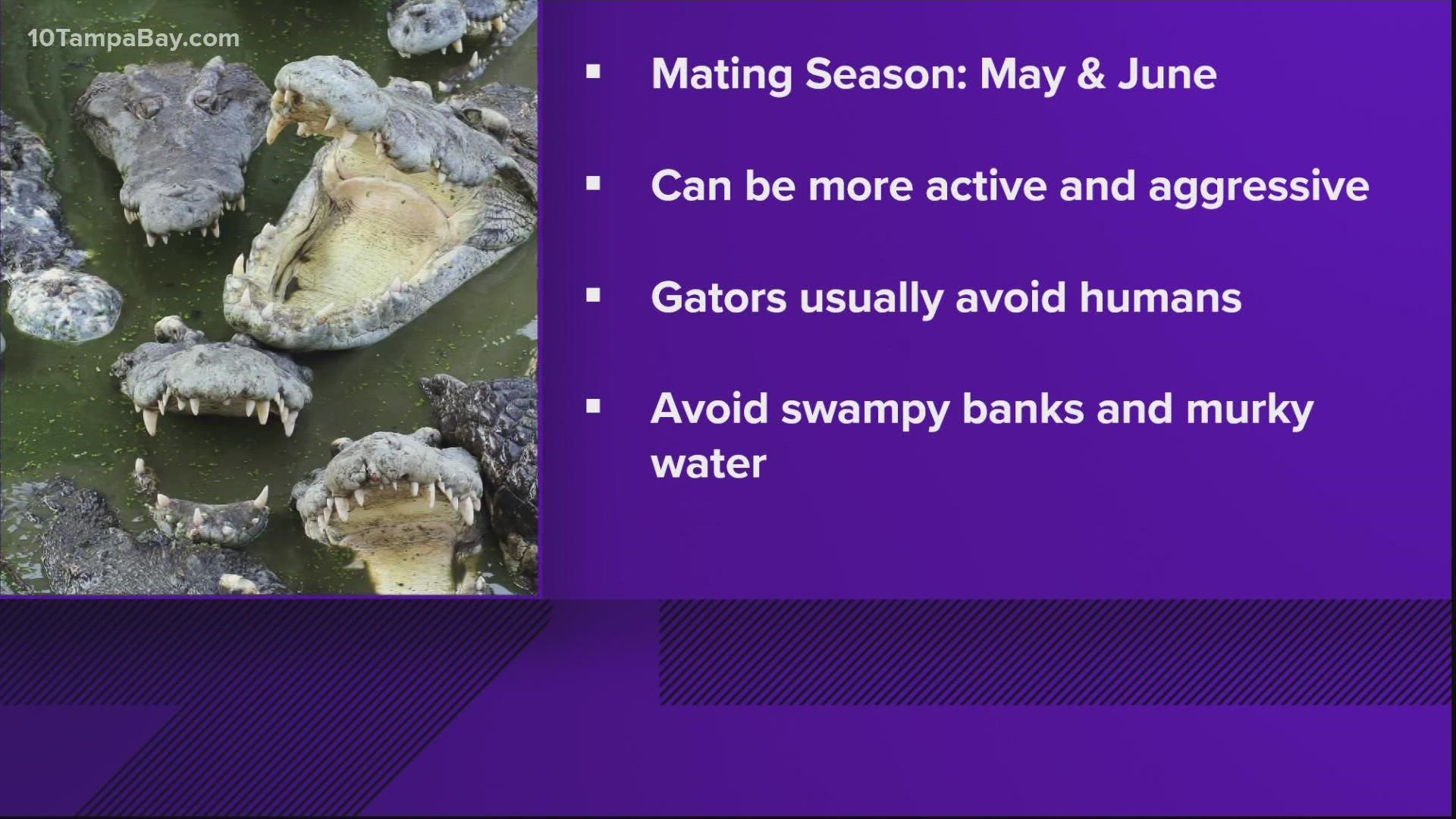
The true peak of alligator mating season in Florida typically occurs from May through early June. During these months, the courtship intensifies, leading to the actual act of mating. Temperatures are consistently warm, providing the ideal conditions for alligators to be at their most active. Males continue their roaring and head-slapping, often engaging in physical confrontations to secure mating rights with females. These interactions, while potentially intimidating, are a natural part of their breeding cycle and showcase the raw power of these creatures.
The actual mating process usually takes place in the water and can be a brief but significant event. Females will then seek suitable nesting sites, a crucial part of the reproductive process. This high-activity period means that alligators are often seen more frequently and in greater numbers, particularly in sun-drenched areas or along the edges of water bodies. Their focus on breeding makes them more visible and less concerned with human presence than they might be at other times of the year, although caution is always paramount. For wildlife photographers and nature enthusiasts, this is arguably the most rewarding time to visit, offering unparalleled opportunities to witness alligator behavior up close, albeit from a safe distance.
Nesting and Hatching: The Next Generation
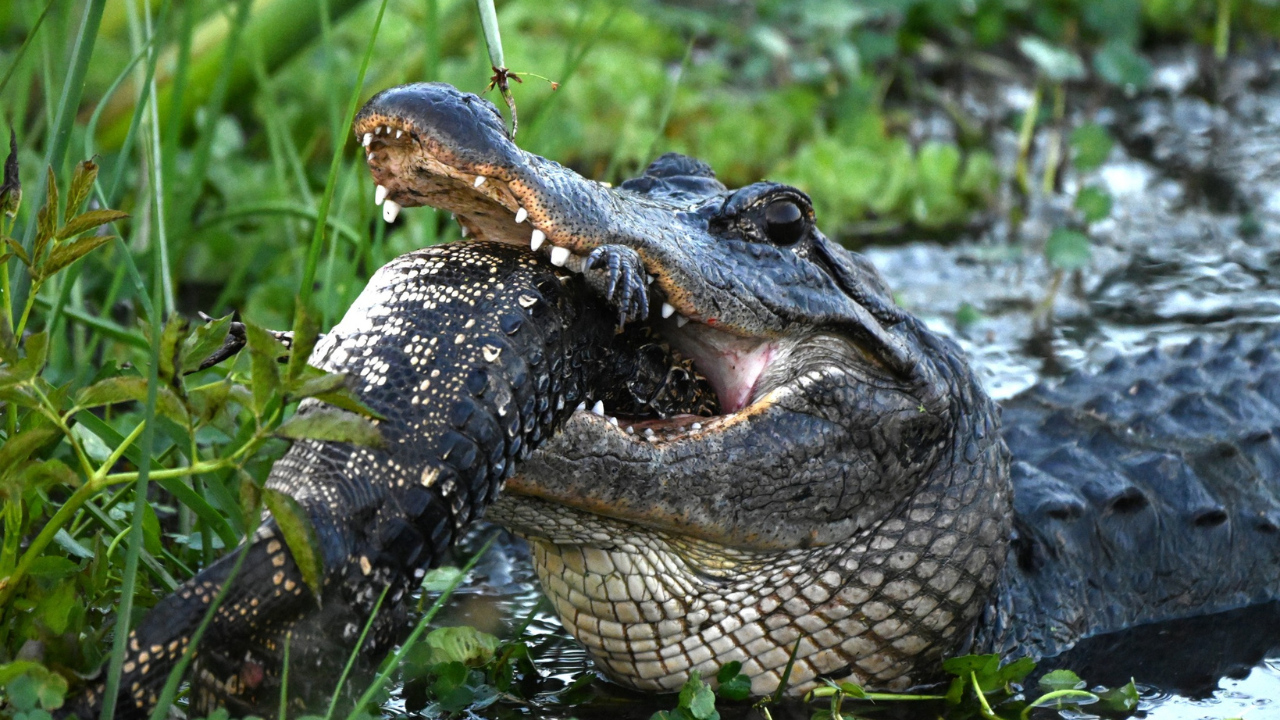
Following the peak mating period, female alligators turn their attention to nesting. This phase primarily occurs from late June through July. Females meticulously build large nests, typically mounds of mud, vegetation, and debris, in elevated spots near water sources. These nests, often several feet high and wide, are carefully constructed to protect the eggs from predators and ensure optimal incubation temperatures. A single female can lay anywhere from 20 to 50 eggs, burying them within the mound. The decomposition of the vegetation within the nest generates heat, which is vital for the development of the embryos. Interestingly, the temperature at which the eggs incubate determines the sex of the hatchlings—cooler temperatures tend to produce females, while warmer temperatures result in males.
The incubation period lasts for approximately 60 to 70 days. This means that alligator hatchlings typically emerge from their nests in late August and September. When the time comes, the mother alligator often assists her young by gently excavating them from the nest in response to their squeaks. Once hatched, the tiny alligators, often no larger than eight to ten inches, remain under the protective care of their mother for several months, sometimes up to two years. This period of maternal care, while not always directly observable, is a critical part of their early survival. Witnessing a mother alligator with her clutch of hatchlings is a rare and heartwarming sight for lucky visitors. While the adults may be less focused on mating during this time, their protective instincts towards their young can make them particularly vigilant, requiring even greater caution from observers.
Where to Observe Alligators Safely and Responsibly
Florida is replete with incredible natural areas where alligators thrive, making it an ideal destination for wildlife viewing. However, not all locations are created equal, especially when considering safety and responsible tourism practices. Choosing the right spot, whether it’s a national park, a wildlife refuge, or a dedicated attraction, is paramount for a fulfilling and secure experience.
Prime Alligator Habitats and Landmarks
- Everglades National Park: Arguably the most famous alligator habitat in the world, the Everglades is a sprawling subtropical wilderness in South Florida. Here, you can find alligators in abundance in sloughs, canals, and ponds. Popular viewing spots include the Anhinga Trail at Royal Palm, Shark Valley (where tram tours offer excellent opportunities), and along the Tamiami Trail. The sheer size and pristine nature of the Everglades provide an authentic glimpse into the alligator’s world.
- Myakka River State Park: Located near Sarasota on Florida’s Gulf Coast, Myakka River State Park is renowned for its alligator populations. The Myakka River itself and Upper Myakka Lake are excellent places to spot them. The park offers boat tours (airboat and pontoon) that bring visitors close to wildlife, as well as extensive boardwalks that allow for safe viewing from above the water.
- Gatorland: Known as the “Alligator Capital of the World,” Gatorland in Orlando is a dedicated wildlife park that offers guaranteed alligator sightings. While not a wild habitat, it provides close-up viewing, educational shows, and unique experiences like zip-lining over gators. It’s an excellent option for families or those who prefer a more controlled environment.
- St. Johns River: Running through Central and Northeast Florida, the St. Johns River is a prime location for alligators. Areas like Blue Spring State Park (more famous for manatees but has gators) and numerous public boat ramps along the river offer opportunities for sightings, especially during warmer months.
- Big Cypress National Preserve: Adjoining Everglades National Park to the north, Big Cypress offers a similar wilderness experience with excellent alligator viewing, particularly along the Loop Road Scenic Drive and at various roadside canals.
- Arthur R. Marshall Loxahatchee National Wildlife Refuge: Located west of Boynton Beach, this refuge offers boardwalks and canoe trails where alligators are frequently spotted. It’s a fantastic option for those exploring Southeast Florida.
- Lake Okeechobee: Florida’s largest freshwater lake is home to a massive alligator population. Airboat tours are popular here and offer incredible wildlife viewing experiences that frequently include close encounters with alligators.
When visiting any of these landmarks, always respect designated viewing areas, follow park rules, and maintain a safe distance. The best approach for safe and responsible viewing is often through guided tours or from elevated boardwalks.
Guided Tours and Ecotourism Experiences
Opting for a guided tour is one of the best ways to observe alligators safely and learn more about their behavior during mating season. Experienced guides not only know the prime locations for sightings but also understand alligator behavior, ensuring a respectful distance and providing valuable insights into the ecosystem.
- Airboat Tours: These exhilarating tours are a quintessential Florida experience, particularly in the Everglades, around Lake Okeechobee, and near Orlando. Airboats can navigate shallow waters, allowing access to remote areas where alligators are abundant. Companies like Everglades Safari Park or Wild Florida offer fantastic experiences.
- Kayak and Canoe Rentals: For a quieter, more intimate encounter, many parks offer kayak or canoe rentals. However, this option requires a higher level of caution, especially during mating season. Always choose designated paddling trails, go with a partner, and maintain a very wide berth from any alligator, particularly if you see nests or young. This option is best for experienced paddlers who understand wildlife etiquette.
- Ranger-Led Programs: State parks and national parks often host ranger-led walks, talks, and tram tours that provide educational context and safe viewing opportunities. These are invaluable for learning about alligator ecology and responsible viewing practices.
- Wildlife Viewing Platforms and Boardwalks: Many Florida parks have elevated boardwalks and observation decks that allow for excellent, safe viewing of alligators in their natural environment without disturbing them. Examples include the Anhinga Trail in the Everglades and the boardwalks at Myakka River State Park.
When booking any ecotourism experience, choose reputable operators who prioritize animal welfare and safety. Look for companies with good reviews and those that emphasize minimal environmental impact.
Essential Safety Tips for Visitors During Mating Season
While alligator mating season presents an unparalleled opportunity for wildlife viewing, it also necessitates heightened awareness and adherence to safety protocols. Alligators, like any wild animal, can be unpredictable, and their behavior during breeding can be more assertive. Visitors must remember that they are guests in the alligator’s home.
Understanding Alligator Behavior
During mating season, alligators are more active and vocal. Males are focused on attracting females and establishing dominance, which means more roaring, head-slapping, and potentially territorial displays. Females, after mating, become preoccupied with nesting, and later, fiercely protective of their eggs and hatchlings. This increased activity and focus can make them less tolerant of perceived threats or disturbances.
- Increased Visibility: You’re more likely to see alligators during this time, often basking on shorelines, swimming actively, or traversing land in search of mates or nesting sites.
- Territoriality: Males can be highly territorial. While rare, approaching too closely could be perceived as a challenge.
- Maternal Protection: Female alligators are extremely protective of their nests and young. If you encounter a nest or small alligators, assume the mother is nearby and will defend them vigorously.
Staying Safe in Alligator Country
Following these simple yet critical rules will ensure your safety and minimize disturbance to the alligators:
- Maintain a Safe Distance: The golden rule of wildlife viewing. Never approach an alligator, especially a nesting female or one with young. A general guideline is to stay at least 30-50 feet away. If an alligator hisses or lunges, you are too close.
- Never Feed Alligators: This is illegal in Florida and incredibly dangerous. Feeding alligators makes them lose their natural fear of humans, leading them to associate people with food. This habituation is the primary cause of alligator attacks and often results in the alligator needing to be euthanized.
- Swim Only in Designated Areas: Alligators inhabit all freshwater bodies in Florida. Assume any body of water could contain an alligator. Only swim in areas clearly marked as safe, and avoid swimming at dusk, dawn, or night when alligators are most active.
- Keep Pets on a Leash and Away from Water Edges: Pets often resemble natural prey to alligators. Many alligator incidents involve pets that were off-leash or allowed to swim in alligator-infested waters. Keep your furry companions safe by keeping them close and away from the water.
- Be Vigilant Around Water: When walking or biking near canals, lakes, or ponds, be aware of your surroundings. Do not dangle hands or feet in the water, even from a dock or boat.
- Do Not Harass or Provoke Alligators: Never throw objects at them, try to poke them, or otherwise antagonize them. This can provoke an aggressive response.
- If You See a Nuisance Alligator: If an alligator appears to be approaching people, aggressively displays unusual behavior, or is in an area it shouldn’t be (like a residential swimming pool), do not attempt to handle it yourself. Contact the Florida Fish and Wildlife Conservation Commission (FWC) at 866-FWC-GATOR (866-392-4286).
By practicing responsible and respectful wildlife viewing, visitors can enjoy the incredible sight of alligators during mating season without endangering themselves or the animals.
Planning Your Florida Adventure Around Alligator Mating Season
Integrating alligator viewing into your Florida vacation requires a bit of strategic planning. Considering the timing, location, and the type of experience you seek will ensure a smooth and memorable trip. Florida offers a diverse range of attractions and accommodations, allowing for a customizable lifestyle travel experience that suits everyone from luxury travelers to budget-conscious families.
Accommodation Options and Travel Tips
When planning your trip for alligator viewing, consider accommodation options that offer convenient access to prime viewing locations.
- Resorts and Hotels near Natural Areas: For those focusing on the Everglades or Big Cypress, consider staying in gateway cities like Miami, Fort Lauderdale, or even smaller towns like Homestead or Everglades City. Many resorts in these areas offer comfortable suites and modern amenities.
- Orlando and Kissimmee for Family Trips: If you’re combining alligator viewing with theme park visits, staying in Orlando or Kissimmee provides easy access to Gatorland and numerous airboat tours on the outskirts. There’s a vast array of hotels, apartments, and villas suitable for family trips of all budgets.
- Vacation Rentals: For a more immersive or long-term stay, consider booking a villa or apartment through vacation rental platforms. This can be particularly beneficial for family trips or those seeking a more local lifestyle experience.
- Budget Travel: Florida also caters to budget travelers. Look for motels or campgrounds near state parks for affordable options.
- Booking and Reviews: Always use reputable booking sites and check reviews for hotels and tours to ensure quality and reliability.
- Best Time to Visit: While mating season is prime for alligator viewing, Florida’s spring months (April-May) generally offer pleasant weather conditions, avoiding the intense heat and humidity of peak summer. However, the early summer (June) is still excellent for observing peak mating activity.
Beyond Alligators: Other Florida Attractions
Florida is a state rich with diverse tourism opportunities that extend far beyond alligator viewing. When planning your trip around alligator mating season, consider incorporating other iconic Florida attractions and experiences to create a well-rounded vacation.
- World-Class Theme Parks: Orlando is home to some of the planet’s most famous theme parks, including Walt Disney World Resort and Universal Orlando Resort. These offer unparalleled entertainment for family trips and thrill-seekers alike. Busch Gardens Tampa Bay in Tampa combines thrill rides with an accredited zoo experience.
- Stunning Beaches: From the pristine white sands of the Panhandle to the vibrant shores of South Beach in Miami and the relaxed atmosphere of the Florida Keys, Florida’s coastlines are legendary. Destinations like Clearwater Beach, Siesta Key, and Key West offer sun, surf, and relaxation, perfectly complementing a wildlife adventure.
- Historic Cities: Explore the nation’s oldest continuously inhabited European-established settlement in St. Augustine, with its charming cobblestone streets, historic fortress (Castillo de San Marcos), and rich history. Miami offers a vibrant local culture with its Art Deco architecture and Latin influences, while Tampa boasts a bustling waterfront and historic Ybor City.
- Natural Springs: Florida is dotted with hundreds of crystal-clear freshwater springs, perfect for swimming, snorkeling, diving, and kayaking. Wakulla Springs, Ginnie Springs, and Weeki Wachee Springs State Park offer unique opportunities to see manatees and other aquatic life in incredibly beautiful settings.
- Arts and Culture: From the Salvador Dalí Museum in St. Petersburg to the Art Basel festival in Miami, Florida has a thriving arts and culture scene. Galleries, museums, and performing arts venues are abundant across the state.
- Food Tourism: Indulge in Florida’s diverse culinary scene. Savor fresh seafood, explore Cuban cuisine in Miami’s Little Havana, enjoy farm-to-table experiences, or delight in the famous Key Lime Pie in the Florida Keys.
By balancing your desire to witness the raw power of alligators during their mating season with other incredible Florida experiences, you can craft a comprehensive and truly unforgettable travel itinerary. Whether you’re seeking luxury travel, a budget-friendly family trip, or a unique ecotourism adventure, Florida has something to offer every discerning traveler. Always remember to travel responsibly, respect wildlife, and embrace the natural beauty and vibrant culture that make Florida such a captivating destination.
LifeOutOfTheBox is a participant in the Amazon Services LLC Associates Program, an affiliate advertising program designed to provide a means for sites to earn advertising fees by advertising and linking to Amazon.com. Amazon, the Amazon logo, AmazonSupply, and the AmazonSupply logo are trademarks of Amazon.com, Inc. or its affiliates. As an Amazon Associate we earn affiliate commissions from qualifying purchases.