
Planning a dream getaway or an essential business trip to the Golden State? Understanding the nuances of Daylight Saving Time (DST) in California is more than just a matter of adjusting your watch; it’s a vital component of seamless travel planning, hotel bookings, and maximizing your exploration of this diverse region. As a premier destination for global tourism, California attracts millions with its stunning landmarks, vibrant cities, and unparalleled lifestyle offerings. Navigating the annual time shift ensures you make the most of every moment, from catching the perfect sunrise over the Pacific Ocean to securing those coveted dinner reservations in Los Angeles or San Francisco. This comprehensive guide is designed to equip travelers with all the essential information regarding California’s DST schedule, its historical context, and crucial tips for a hassle-free experience.
Understanding Daylight Saving Time in California
The concept of shifting clocks twice a year has a long and somewhat complex history, especially in a state as dynamic as California. For travelers, knowing when these changes occur is paramount, as it influences everything from flight schedules to the timing of your visit to iconic attractions.
The Annual Shift: Dates and Times
In alignment with the majority of the United States, California observes Daylight Saving Time according to the federal schedule. This means:
-
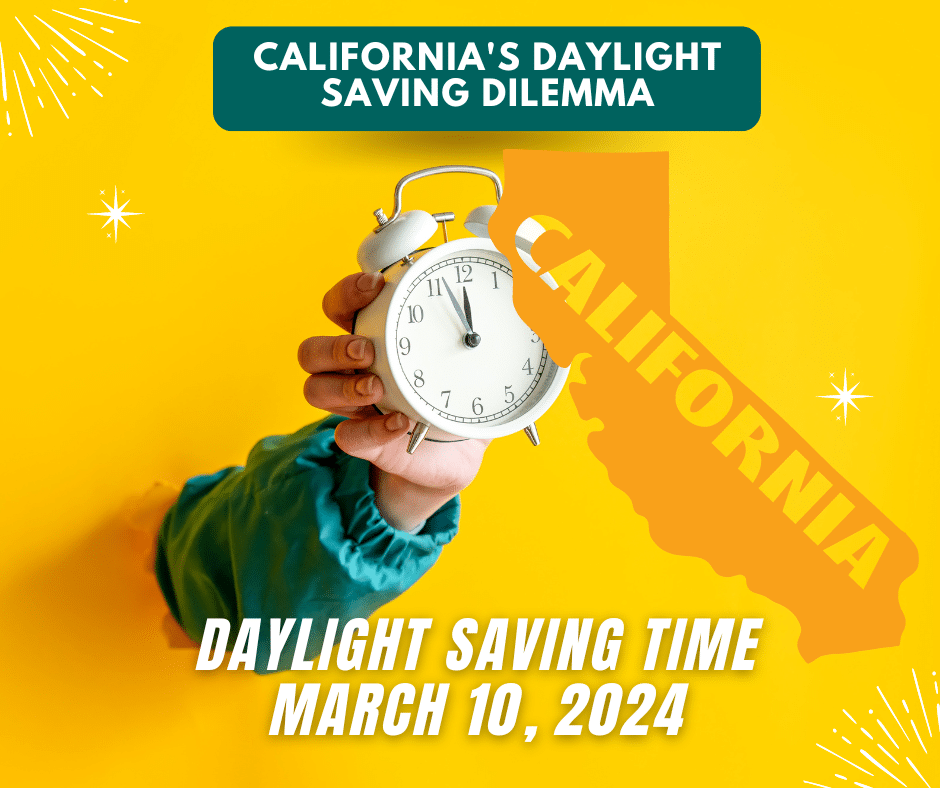
Spring Forward: Daylight Saving Time begins on the second Sunday in March. On this day, clocks are moved forward by one hour at 2:00 AM local time. This results in an immediate loss of one hour of sleep but grants an extra hour of daylight in the evening, perfect for enjoying California’s outdoor activities and vibrant nightlife. For instance, if you’re planning a trip to San Diego in early spring, be mindful that your phone and other devices should automatically adjust, but double-checking is always wise, especially for early morning flight departures or tour bookings.
-
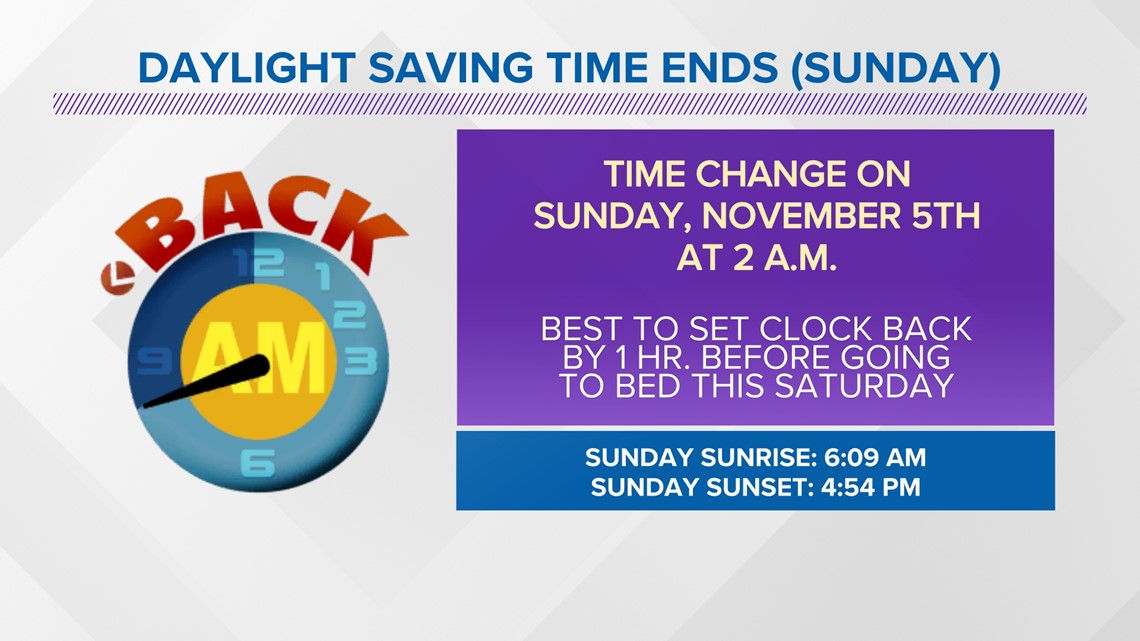
Fall Back: Daylight Saving Time ends on the first Sunday in November. On this day, clocks are moved back by one hour at 2:00 AM local time. This offers a welcome extra hour of sleep and an earlier sunrise, though it means evenings will arrive sooner. If you’re visiting Napa Valley for a wine-tasting tour in late fall, an earlier sunset might mean planning your vineyard visits accordingly to catch the best light.
These two annual shifts have become a predictable rhythm for residents and a key planning consideration for visitors. Whether you’re heading to the beaches of Santa Monica or the slopes of Lake Tahoe, understanding these dates is fundamental.
A Brief History of DST in the Golden State
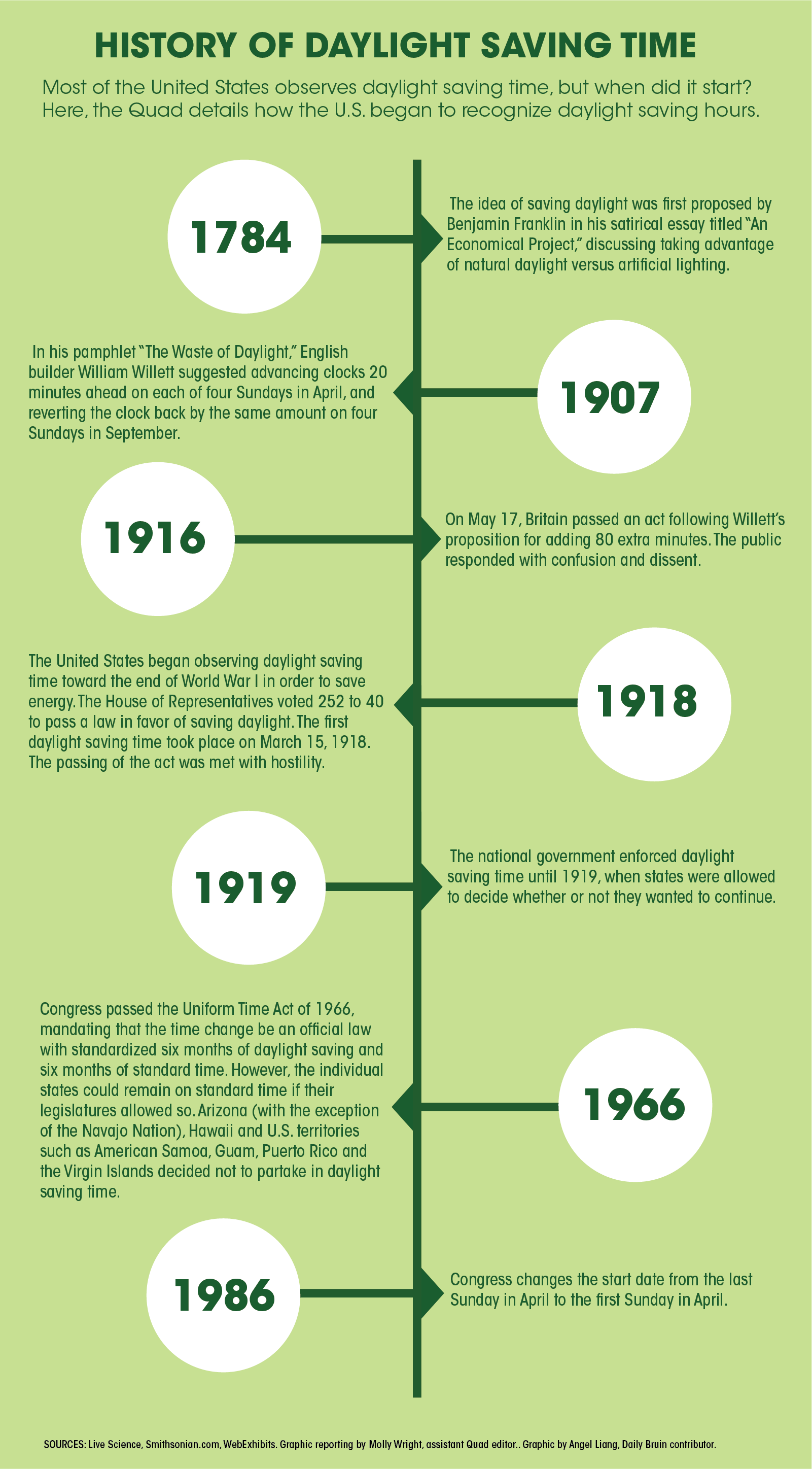
Daylight Saving Time was first introduced in the United States during World War I to conserve energy, initially formalized by the Standard Time Act of 1918. While not universally adopted immediately, California has a history of embracing the concept. It became more standardized with the passage of the Uniform Time Act of 1966, which established a consistent national system for DST, though states could opt out. Since then, California has largely followed this federal framework, adjusting its clocks biannually.
The rationale behind DST has evolved over time. While energy conservation was a primary driver, arguments for increased daylight for recreation, retail sales, and reduced traffic accidents have also been put forward. For a state renowned for its outdoor lifestyle and tourism industry, the extended daylight hours in the warmer months are often seen as a boon, allowing visitors and residents more time to enjoy everything from hiking in Yosemite National Park to strolling along the Hollywood Walk of Fame.
Proposition 7 and the Future of DST
The conversation around Daylight Saving Time in California took an interesting turn in 2018 with the passing of Proposition 7. This ballot measure gave the California State Legislature the authority to change the state’s DST law, potentially abolishing it or moving to year-round Daylight Saving Time, provided that any such change is consistent with federal law.
Despite the passing of Proposition 7, California continues to observe the traditional “spring forward, fall back” schedule. The reason for this lies in the federal requirement that states wishing to abolish DST must instead switch to permanent Standard Time, or they need congressional approval to adopt permanent Daylight Saving Time. Several bills have been introduced in the California State Legislature since 2018 to implement Proposition 7’s intent, but as of now, none have successfully navigated the legislative process and obtained the necessary federal clearance.
For travelers, this means the current status quo remains: expect the time shifts in March and November. However, staying informed about potential future legislative changes is always a good practice, especially if you plan frequent or long-term stays in the state. Reputable news sources and official state government websites are the best places to monitor any developments that could impact your travel plans.
Navigating Your California Journey: DST’s Impact on Travel and Tourism
For any traveler, precise planning is the cornerstone of a memorable trip. Daylight Saving Time directly influences several key aspects of your California adventure, from coordinating transportation to optimizing your sightseeing schedule.
Planning Your Itinerary: Time Changes and Logistics
The most immediate impact of DST is on transportation schedules. Flights, trains, and buses operating into or out of California around the transition dates can experience adjusted departure or arrival times. While most reputable carriers and booking platforms account for these changes automatically, it’s always prudent for travelers to double-check their itineraries, particularly for early morning flights on the “spring forward” Sunday or late-night arrivals on the “fall back” Sunday. Missing a connection or arriving at an airport like Los Angeles International Airport an hour early or late can disrupt your entire journey.
Beyond major transportation hubs, regional travel across diverse areas like Orange County or Sonoma County also requires attention. If you’re renting a car and relying on GPS, ensure your device’s time settings are correctly synchronized. Tour operators, especially those offering day trips to landmarks such as the Golden Gate Bridge or themed experiences at Disneyland, will also factor DST into their schedules, so confirm timings directly with them.
Accommodations and Check-Ins: What to Expect
Hotels, resorts, and other accommodation providers in California are well-versed in DST transitions. Most will have their internal clocks, reception systems, and wake-up call services automatically adjusted. However, minor discrepancies can occur.
- Check-in/Check-out: If you’re checking in or out on a DST transition day, confirm your exact times. For example, if you have a 12:00 PM checkout on the “spring forward” Sunday, you might technically lose an hour, so it’s good to be prepared. Conversely, on “fall back” Sunday, you might gain an hour, potentially allowing for a more relaxed morning, though most hotels still enforce their standard checkout times.
- Amenities: Pay attention to schedules for hotel amenities like breakfast service, gym opening hours, or shuttle services, especially in the immediate hours following a time change. A luxurious breakfast buffet might start an hour “earlier” (by the old clock) on spring forward day if the hotel hasn’t fully adjusted internal operations, leading to confusion.
- Long-term stays: For those enjoying an extended stay in a California apartment or villa, coordinating daily routines with local friends or business contacts will necessitate awareness of the time change.
When booking your accommodation or upon arrival, a quick inquiry at the front desk about any DST-related adjustments to services can save you minor inconveniences.
Local Attractions and Activities: Maximizing Your Daylight Hours
One of the greatest advantages of Daylight Saving Time for tourism is the extended evening daylight, particularly from spring through early fall. This extra hour of sunlight allows visitors to pack more into their day, enhancing their travel experiences.
- Sightseeing: Iconic landmarks like the Santa Monica Pier, the Hollywood sign, or the majestic trees of Redwood National Park can be enjoyed later into the evening. This flexibility means you might fit in an extra museum visit or linger longer at a scenic overlook without feeling rushed by an early sunset.
- Outdoor Activities: California’s diverse landscapes, from the beaches of Malibu to the hiking trails of Big Sur, beckon adventurers. Longer daylight hours are perfect for evening hikes, surfing sessions, beach volleyball, or enjoying a leisurely bike ride along coastal paths. During the “fall back” period, while evenings get shorter, the earlier sunrise can be ideal for photographers hoping to capture golden hour shots without an extremely early start.
- Events and Entertainment: Many outdoor festivals, concerts, and evening events capitalize on the extended daylight. Checking event schedules in cities like San Francisco or San Diego for springtime or summer visits is essential to catch the performances and cultural experiences that thrive in the extended twilight.
Understanding how DST impacts the timing of these attractions allows you to plan your days efficiently, ensuring you don’t miss out on any of California’s incredible offerings.
Lifestyle and Leisure: Embracing California’s Extended Evenings
California’s lifestyle is synonymous with outdoor living and vibrant social scenes. Daylight Saving Time amplifies these aspects, creating unique opportunities for visitors to immerse themselves in the local culture.
Dining and Nightlife: Making the Most of Longer Days
The extra hour of daylight in the evening during DST significantly enhances California’s dining and nightlife scene.
- Al Fresco Dining: From charming cafes in Carmel-by-the-Sea to rooftop restaurants in Downtown Los Angeles, California boasts an incredible array of outdoor dining options. With DST, you can enjoy picturesque sunsets over the Pacific Ocean while savoring your meal, creating truly memorable experiences. Reservations at popular spots, especially those with scenic views, are highly recommended.
- Evening Entertainment: Whether it’s catching a show in San Francisco’s theater district, enjoying live music in Hollywood, or exploring the bustling nightlife of Gaslamp Quarter in San Diego, the later sunset allows for a more relaxed transition from daytime activities to evening leisure. Tourists can attend matinee shows and still have ample daylight afterward for dinner and a leisurely stroll.
Outdoor Adventures and Scenic Views
California’s natural beauty is a major draw for tourism, and DST maximizes the opportunities to experience it.
- Sunset Chasing: The extended daylight hours are perfect for chasing breathtaking sunsets. Imagine watching the sun dip below the horizon from Point Reyes National Seashore, the cliffs of La Jolla, or the Griffith Observatory in Los Angeles. These iconic vistas become even more accessible.
- Park Visits: National and State Parks across California, such as Joshua Tree National Park or Big Basin Redwoods State Park, are often enjoyed best in the late afternoon and early evening when temperatures are cooler and the light is softer. DST means these optimal conditions last longer, allowing for more extensive hikes, picnics, and wildlife viewing.
- Water Activities: Boating, kayaking, paddleboarding, and surfing can all be extended later into the evening, providing more chances to enjoy California’s extensive coastline and beautiful lakes.
Business Travel Considerations
For those traveling to California for business, DST presents its own set of considerations.
- Meeting Schedules: If you’re coordinating meetings with colleagues or clients outside of California, especially those in other time zones, the DST shift can affect your common working hours. Be sure to confirm meeting times explicitly, stating the time zone (Pacific Daylight Time – PDT) to avoid confusion. For instance, a 9 AM meeting in San Francisco will be noon in New York, but this relationship shifts during DST transitions.
- Travel Fatigue: The “spring forward” transition can exacerbate jet lag for business travelers arriving from eastern time zones or international destinations, potentially impacting productivity in the initial days. Planning for a slightly later start or a more relaxed first day can be beneficial.
- Networking and Events: Business travelers can take advantage of the extended daylight for after-work networking events, dinners, or exploring local cultural offerings, blending work and leisure more effectively.
Essential Tips for Travelers During DST Transitions
Whether you’re a seasoned globetrotter or planning your first trip to California, being prepared for DST transitions can significantly enhance your experience.
Adjusting Your Internal Clock: Health and Wellness
The “spring forward” change, in particular, can be disruptive to your sleep cycle, similar to mild jet lag.
- Gradual Adjustment: If possible, try to adjust your sleep schedule by 15-30 minutes a few days before the “spring forward” date.
- Hydration and Light: Stay well-hydrated and expose yourself to natural light during the day to help reset your circadian rhythm. Avoid heavy meals and excessive caffeine or alcohol close to bedtime.
- Mind Your Melatonin: For those susceptible to sleep disruptions, consulting a doctor about natural sleep aids like melatonin might be an option.
- Embrace the “Fall Back”: The “fall back” shift is generally easier, as it grants an extra hour of sleep. Use this to your advantage for a relaxed morning before embarking on your day’s travel adventures in California.
Staying Informed: Reliable Sources for Time Updates
While most modern devices automatically adjust for DST, relying solely on them can sometimes lead to minor misalignments, especially if you’re traveling across time zones.
- Verify Important Timings: For crucial appointments like flight departures, train schedules, hotel check-ins, or pre-booked tours, always double-check the local time with the provider directly.
- Official Sources: Refer to reputable time zone websites or the official California state government pages for definitive DST dates and times.
- Ask Locals: Don’t hesitate to ask hotel staff or local guides if you have any doubts about the current time or how it affects local operations.
The Unwavering Charm of California
Ultimately, while Daylight Saving Time requires a little extra thought, it’s a minor detail in the grand scheme of experiencing California. The state’s incredible diversity—from the bustling cities of Los Angeles and San Francisco to the serene beauty of Yosemite National Park and the world-class vineyards of Napa Valley—remains as captivating as ever.
Whether you’re exploring historic landmarks, indulging in luxury travel, or seeking budget-friendly family trips, California offers an unparalleled array of experiences. By understanding and anticipating the annual time shifts, you can ensure your trip is smooth, enjoyable, and packed with every memorable moment the Golden State has to offer. So, mark your calendars for the “spring forward” and “fall back” dates, prepare for an amazing adventure, and let California’s magic unfold before you, regardless of what time the clock says.