
Understanding the ebb and flow of time, especially with the biannual shift of Daylight Saving Time (DST), is crucial for anyone planning to visit or reside in the Golden State. California, a land of diverse landscapes from sun-drenched beaches to snow-capped mountains, bustling metropolises to serene national parks, operates on a specific schedule that directly impacts travel plans, daily activities, and the overall experience. For globetrotters, business travelers, or families embarking on a dream vacation, knowing “when” these time changes occur is not just a matter of setting your watch; it’s about optimizing itineraries, avoiding missed connections, and fully embracing the extended daylight or preparing for earlier sunsets.
This guide delves into the specifics of Daylight Saving Time in California, exploring its history, practical implications for tourism and lifestyle, and offering invaluable tips to ensure your trip remains seamless and enjoyable. From coordinating flights and hotel check-ins to maximizing your time at iconic landmarks and world-class attractions, understanding DST is a key component of savvy travel planning.
Decoding Daylight Saving Time in California
The concept of Daylight Saving Time, initially conceived to make better use of daylight and conserve energy, has a long-standing history. In California, its observance is a deeply ingrained annual tradition that shifts the rhythm of daily life twice a year.
The Annual Shift: Dates and Mechanics
For most of the United States, including California, Daylight Saving Time begins in the spring and concludes in the fall. During the standard time period, California observes Pacific Standard Time (PST), which is UTC-8. When DST is in effect, it switches to Pacific Daylight Time (PDT), which is UTC-7.
-
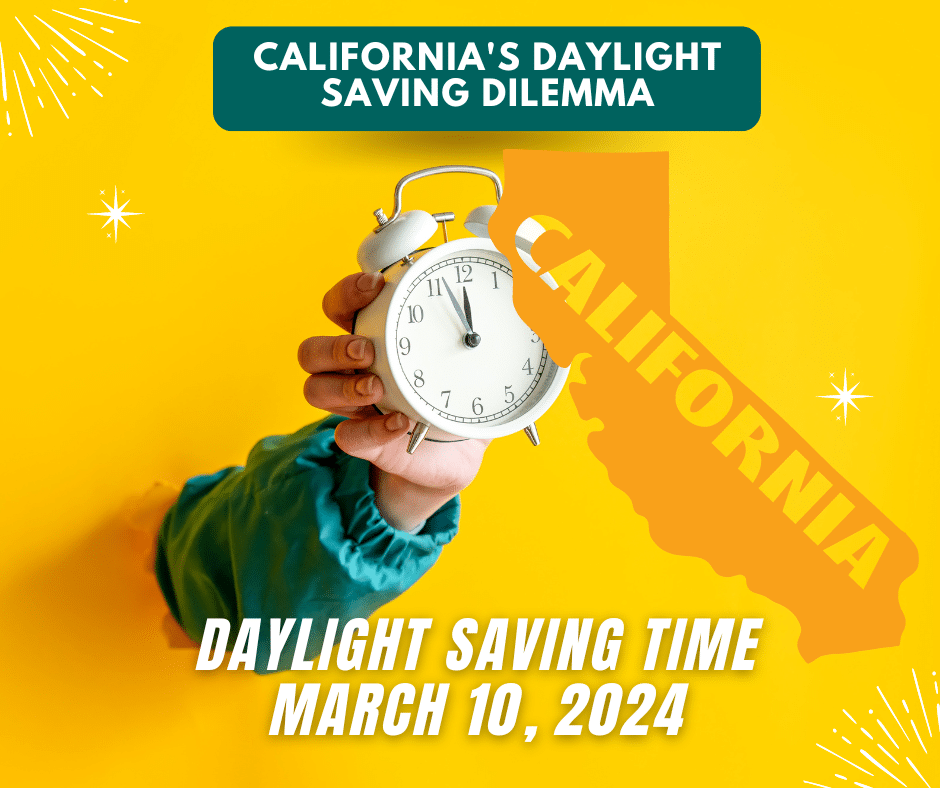
Spring Forward: The transition into Daylight Saving Time occurs on the second Sunday in March. At 2:00 AM PST, clocks are advanced forward by one hour to 3:00 AM PDT. This means an hour of sleep is “lost,” but the reward is later sunsets and extended daylight into the evening hours, perfect for after-work activities or longer sightseeing tours. For travelers arriving around this time, it’s crucial to adjust to the new time zone immediately to avoid confusion with schedules.
-
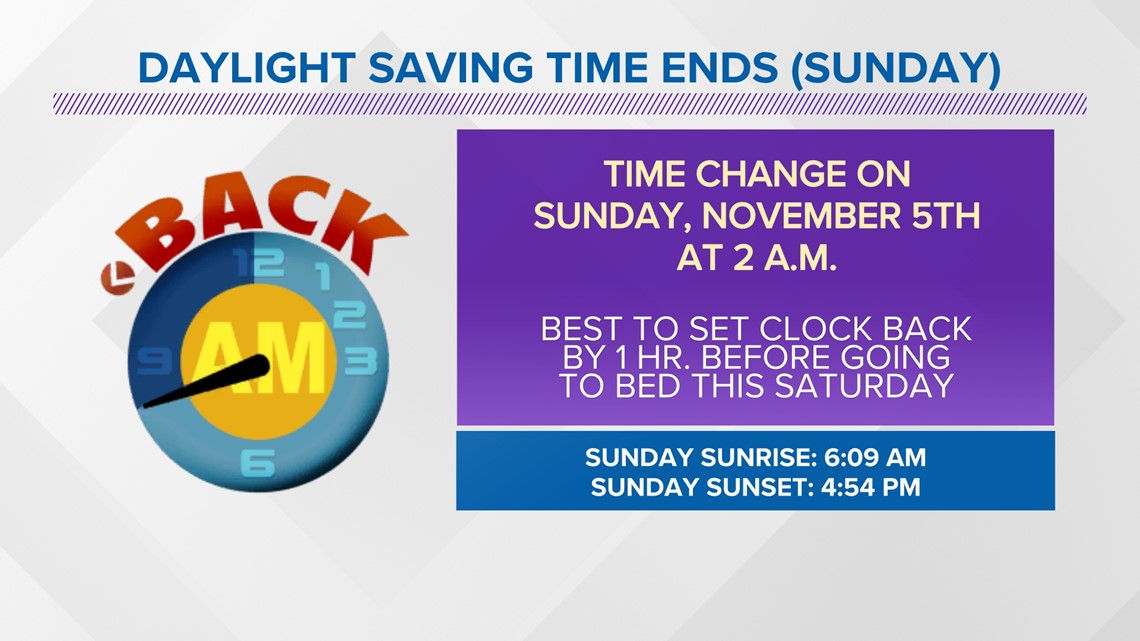
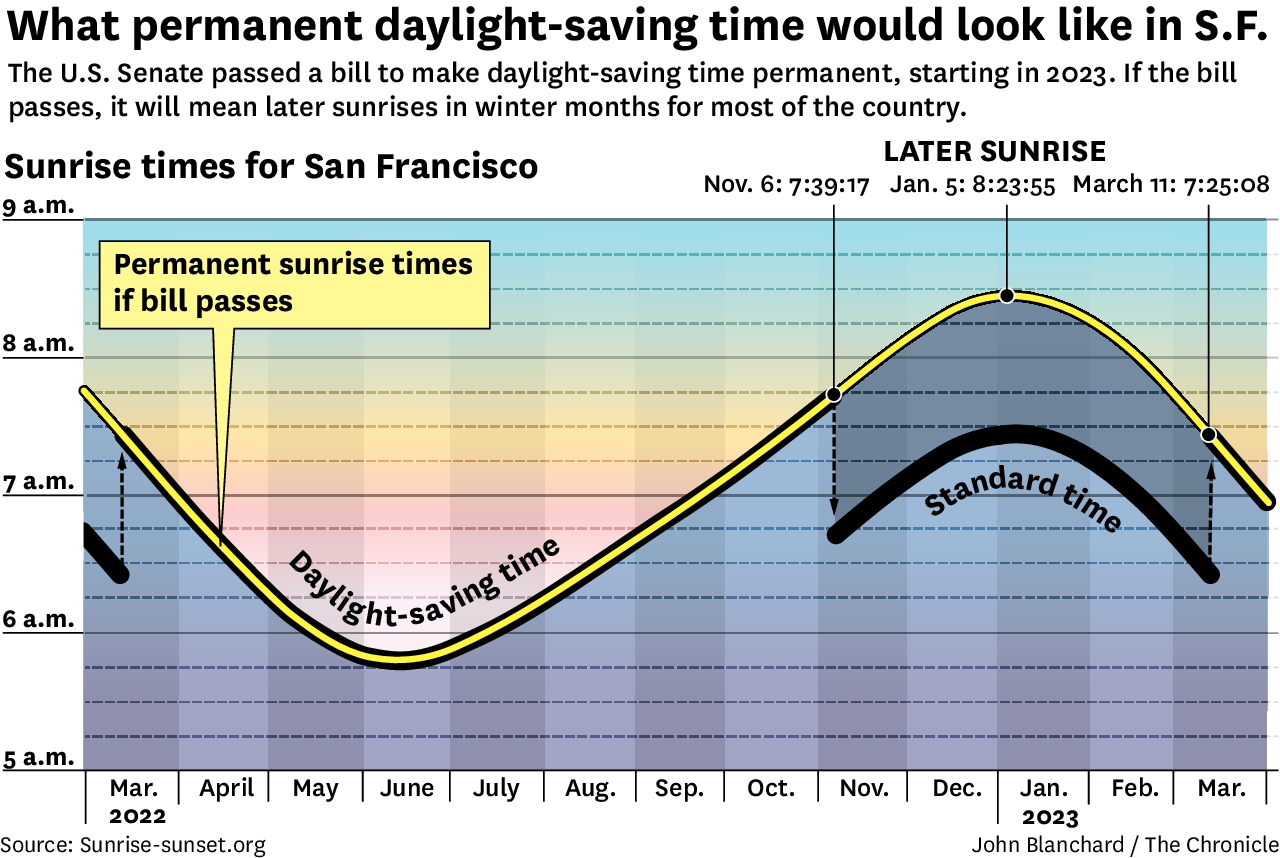
Fall Back: The return to Standard Time happens on the first Sunday in November. At 2:00 AM PDT, clocks are moved back one hour to 1:00 AM PST. This provides an extra hour of sleep and results in earlier sunrises and earlier sunsets. While the evenings grow darker sooner, the morning light can be advantageous for early risers looking to hit the hiking trails or catch a sunrise over the Pacific Ocean.
These shifts are automatic on most modern devices like smartphones and computers, but analog clocks and some car systems may require manual adjustment. Always double-check your personal devices and itinerary against official times, especially when traveling.
A Brief History and the California Context
The origins of Daylight Saving Time can be traced back to various proposals in the late 19th and early 20th centuries, most notably from Benjamin Franklin (though his proposal was satirical) and later seriously advocated by William Willett. The primary motivations included saving coal during wartime, reducing energy consumption, and enhancing productivity by aligning waking hours with daylight.
In the United States, DST was first implemented nationally during World War I and later made permanent by the Uniform Time Act of 1966. California has consistently participated in this federal observance, adapting its lifestyle and economy around these biannual changes.
However, the debate surrounding DST is an ongoing one, with various arguments for and against its continuation. Critics cite potential negative impacts on public health, sleep patterns, and increased accidents, while proponents highlight the benefits for retail, outdoor recreation, and perceived energy savings. In 2018, California voters passed Proposition 7, which grants the state legislature the power to change DST by a two-thirds vote. While this does not mean California has abolished DST, it indicates a potential future for the state to either remain on permanent standard time or permanent daylight time, should federal law allow it. As of now, California continues to observe the “spring forward, fall back” schedule. This ongoing discussion underscores the importance for travelers to stay informed, as future changes could significantly alter the timing of visits.
The Traveler’s Guide: How DST Impacts Your California Journey
For anyone venturing into California, Daylight Saving Time is more than just a chronological detail; it’s a practical consideration that weaves into almost every aspect of your trip. From the moment you book your flight to the last sunset you chase along the coast, DST subtly influences your experience.
Travel Logistics and Transportation
The most immediate impact of DST for travelers is often felt in transportation.
- Flights: When “springing forward,” international travelers arriving from Europe or Asia might find their jet lag exacerbated, as the time difference effectively increases by an hour. Domestic flights generally adjust automatically, but it’s vital to confirm flight times, especially for early morning departures or late-night arrivals around the changeover weekends. Airlines and airports like Los Angeles International Airport or San Francisco International Airport are well-versed in these transitions, but cross-referencing your tickets with the local time is always a good practice.
- Road Trips: For those planning an epic California road trip, such as along the Pacific Coast Highway from San Francisco to San Diego, the spring forward means longer daylight hours, allowing for more scenic driving and less rushing to reach your destination before dusk. Conversely, “falling back” in autumn means earlier sunsets, requiring earlier starts or planning for more night driving.
- Public Transportation: Major urban transit systems like BART in the San Francisco Bay Area or Metro in Los Angeles typically adjust their schedules seamlessly. However, if you’re relying on specific regional Amtrak routes or local bus services, a quick check of their updated schedules around the change dates can prevent any missed connections.
Accommodation and Hotel Stays
Your choice of accommodation, whether a luxury resort or a budget-friendly apartment, can also be affected.
- Check-in/Check-out: While most hotels, from a Fairmont San Francisco to a quaint Big Sur inn, operate on local time, arriving or departing around a time change can subtly alter your plans. Confirming your check-in time and ensuring it aligns with your arrival is key. For example, if you arrive an hour “early” after the spring forward, your room might not be ready.
- Hotel Amenities and Services: Dining hours for breakfast buffets, spa appointments at a The Ritz-Carlton, or pool closing times can all subtly shift. It’s a good idea to confirm these schedules upon arrival, especially if you have pre-booked services.
- Long-term Stays: For those opting for Airbnb rentals or extended stays in apartments or villas, managing your own schedule becomes more critical. Ensure your smart home devices or appliances that operate on a timer automatically adjust or are manually updated.
Attractions, Activities, and Local Culture
This is where DST truly shines or casts a shadow on your planned activities.
- Theme Parks & Entertainment: Visiting attractions like Disneyland Resort in Anaheim or Universal Studios Hollywood in Los Angeles during DST’s “spring forward” means longer operating hours and more time to enjoy rides and shows under daylight. This is a significant boon for families and thrill-seekers.
- Museums and Historical Sites: Cultural institutions such as the Getty Center, the de Young Museum, or historical landmarks like Alcatraz Island often adjust their closing times with the seasons. Confirming hours ahead, especially for timed entry tickets, is always wise.
- National Parks and Outdoor Adventures: California’s stunning national parks, including Yosemite National Park, Joshua Tree National Park, and Death Valley National Park, are best explored with ample daylight. The extra hour in spring and summer allows for longer hikes, better photography opportunities at places like Tunnel View in Yosemite, and extended enjoyment of natural beauty. Conversely, falling back means you’ll need to start your outdoor excursions earlier to complete them safely before dark.
- Dining and Local Events: From gourmet experiences in Napa Valley to vibrant street food scenes in Los Angeles, dining times can feel different. With later sunsets, outdoor dining and evening strolls become more appealing. Local festivals, concerts, and cultural events also often leverage the extended daylight of PDT, offering richer evening programming.
Maximizing Your Experience: Tips for Navigating DST in California
A little foresight and preparation can turn the minor inconvenience of Daylight Saving Time into an opportunity to enhance your California adventure.
Pre-Trip Planning and Booking
The key to a smooth DST transition lies in meticulous planning before you even depart.
- Confirm All Times: Double-check flight departure and arrival times, hotel check-in/out schedules, tour start times, and attraction opening hours against the local time in California around the DST change dates. Many booking confirmations automatically adjust, but a manual cross-reference provides peace of mind.
- Adjust Your Internal Clock: If you’re traveling from a different time zone, especially internationally, start adjusting your sleep schedule a few days before your trip. For the “spring forward,” try going to bed an hour earlier. For “fall back,” enjoy the extra hour, but be mindful that your body clock might still want to operate on the old time.
- Booking Advantage: Consider booking flights that arrive well after the time change, or tours that start a bit later on the Sunday of the change, to give yourself ample buffer time to adjust without feeling rushed.
Personal Well-being and Adjustment
Your comfort and enjoyment depend heavily on how well you adapt to the time shift.
- Mitigate Jet Lag: The “spring forward” can feel like an abrupt leap into potential jet lag, even domestically. Stay hydrated, avoid excessive caffeine and alcohol, and try to expose yourself to natural light upon waking to help reset your circadian rhythm. Melatonin can be a helpful, short-term aid for some.
- Utilize Extra Daylight: Embrace the longer evenings during PDT. Plan sunset visits to iconic spots like the Santa Monica Pier or the Golden Gate Bridge. Schedule outdoor dining, beach activities in San Diego, or leisurely strolls through charming neighborhoods like Santa Barbara’s State Street.
- Prepare for Earlier Darkness: In the fall, when clocks “fall back,” evenings become darker sooner. If you’re planning outdoor activities, ensure you start earlier in the day to finish before dusk. Carry appropriate lighting if you anticipate being out after dark, especially in hiking areas in Redwood National Park or Lake Tahoe.
Embrace the California Lifestyle
Ultimately, Daylight Saving Time is part of the California experience. Locals have adapted to it, and so can visitors.
- Flexibility is Key: While planning is essential, maintain a degree of flexibility in your itinerary. If an attraction unexpectedly closes earlier or a dinner reservation feels rushed, allow yourself to pivot and discover something new.
- Enjoy the Outdoors: California’s climate and natural beauty are its greatest assets. DST, especially the “spring forward” period, extends the window for enjoying these. From kayaking in La Jolla to exploring the Hollywood Walk of Fame or stargazing at Griffith Observatory, the Golden State beckons with its longer, sun-filled evenings.
- Local Culture: Observe how locals adjust. Many restaurants in cities like San Francisco or Sacramento extend patio seating, and community events leverage the extended light. Integrating into the local rhythm can enhance your travel experience.
In conclusion, knowing “When Is Daylight Savings In California?” is fundamental for any well-planned trip. While it introduces a slight shift in the calendar, understanding its mechanics and preparing for its implications ensures that your focus remains on exploring the unparalleled beauty, vibrant culture, and diverse experiences that California has to offer. So, set your clocks, pack your bags, and get ready to embrace the rhythm of the Golden State, whatever time it may be.