
The question of “When is DST in California?” is a common one for travelers planning a trip to the Golden State, as well as for residents navigating their daily schedules. Daylight Saving Time (DST), a practice of advancing clocks during warmer months so that darkness falls at a later hour, significantly impacts planning and daily life. In California, like much of the United States, DST follows a standardized schedule, but understanding its nuances is key to a seamless experience. This article will delve into the specifics of DST in California, exploring its history, its impact on travel and tourism, and how to stay informed.
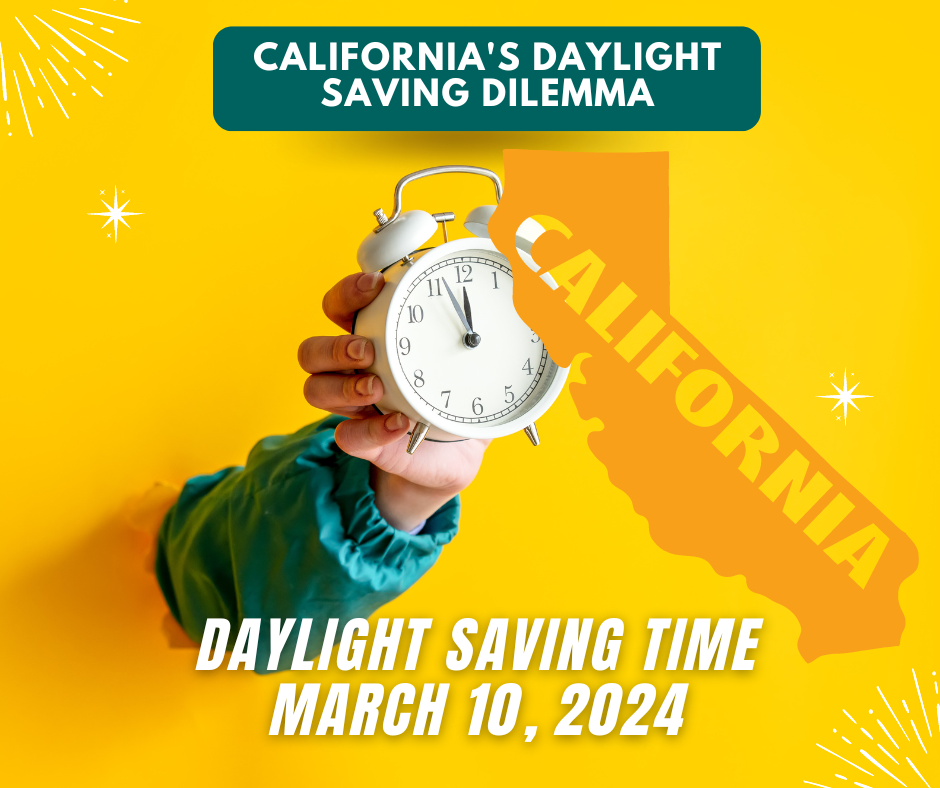
Understanding Daylight Saving Time in California
Daylight Saving Time, often abbreviated as DST, is a fascinating phenomenon with roots stretching back centuries. The core idea is to maximize the use of natural daylight. By pushing the clocks forward by an hour in the spring and backward in the fall, we effectively shift an hour of daylight from the morning to the evening. This can lead to perceived benefits such as reduced energy consumption, fewer traffic accidents, and decreased crime rates, though the actual impact of these benefits is a subject of ongoing debate.
The History and Rationale Behind DST
The concept of DST has been attributed to various individuals throughout history. While Benjamin Franklin is often cited for a satirical essay suggesting it, the modern implementation is largely credited to George Hudson, a New Zealand entomologist, and William Willett, an Englishman. Hudson proposed the idea in 1895 as a way to have more daylight for his insect-collecting expeditions. Willett, concerned about the wasted daylight in the evenings during summer, advocated for moving clocks forward in 1907.
The first widespread adoption of DST occurred during World War I, primarily as a measure to conserve coal. Later, in the United States, the Standard Time Act of 1918 established time zones and DST, though it was repealed during peacetime only to be reinstated during World War II. The Uniform Time Act of 1966 solidified the current system, allowing states to opt out of DST but mandating a uniform start and end date for those that participate.
California’s Participation in DST
California has, for the most part, adhered to the federal guidelines for DST. This means that when DST is observed across the United States, it is also observed in California. The state has not opted out of this practice. The current federal law dictates that DST begins on the second Sunday in March and ends on the first Sunday in November.
Key Dates and Transitions
The transition into and out of DST can be a point of confusion for many. Here’s a breakdown of what to expect:
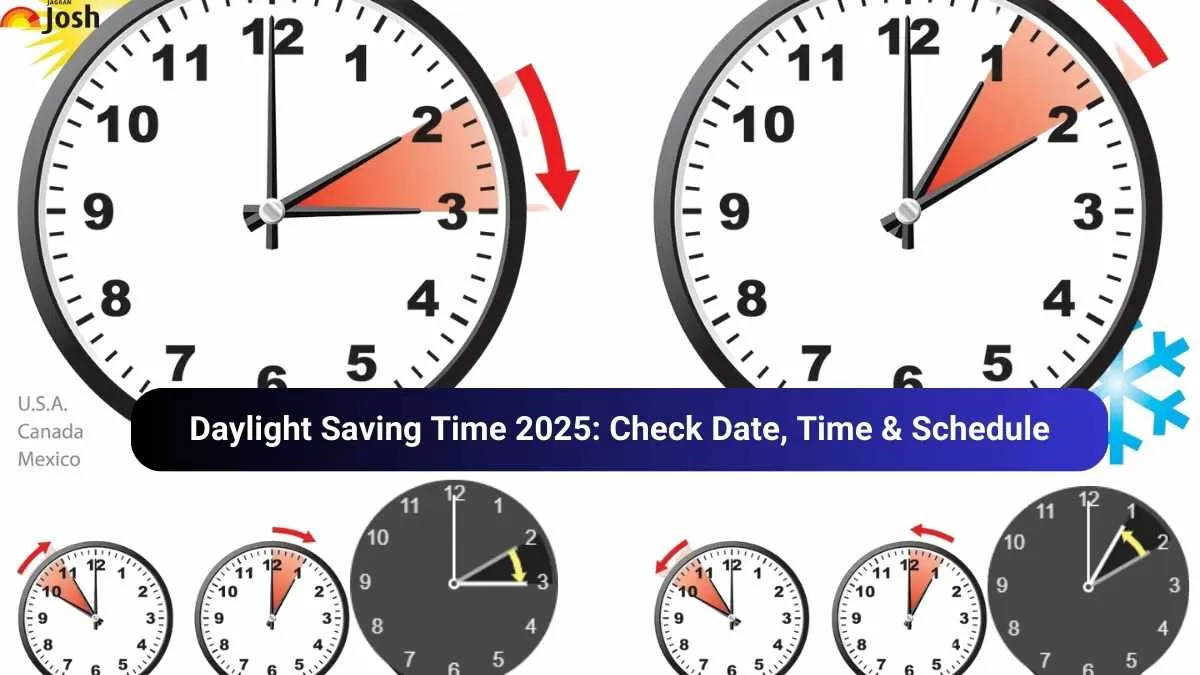
- Spring Forward: On the second Sunday in March, at 2:00 AM local time, clocks are advanced by one hour. This means you “lose” an hour of sleep but gain an extra hour of daylight in the evening. For example, if it’s 1:59 AM on Sunday, it will immediately become 3:00 AM.
- Fall Back: On the first Sunday in November, at 2:00 AM local time, clocks are set back by one hour. This is often referred to as “gaining” an hour of sleep. If it’s 1:59 AM on Sunday, it will revert to 1:00 AM.
These dates are crucial for travelers and locals alike. Booking flights, scheduling meetings, or simply planning your day requires an awareness of these time shifts. For instance, a flight scheduled to depart from Los Angeles on the day DST begins will depart at a time that feels an hour later than usual, even though the clock has been adjusted.
The Impact of DST on Travel and Tourism in California
Daylight Saving Time has a significant ripple effect on the travel and tourism industry in California. From planning itineraries to experiencing the state’s attractions, understanding DST is essential for a smooth and enjoyable visit.
Planning Your California Adventure
When planning a trip to California, especially during the spring and fall, it’s vital to consider the DST changes.
- Booking Flights and Accommodations: Airlines and hotel booking sites automatically adjust for DST. However, it’s always wise to double-check your booking confirmation for the correct local times. For example, if you book a flight for March 10th, 2024 (which is the second Sunday in March), a departure time of 10:00 AM will effectively be 11:00 AM once DST begins. This can impact airport arrival times and onward transportation. Similarly, hotel check-in and check-out times will adhere to local DST.
- Itinerary Planning: The extended daylight hours during DST can be a boon for sightseeing. You’ll have more time to explore iconic landmarks like the Golden Gate Bridge in San Francisco, wander through Disneyland Park in Anaheim, or hike in Yosemite National Park. Longer evenings are perfect for enjoying outdoor dining in San Diego or catching a sunset over the Pacific Ocean.
- Activities and Tours: Many tour operators, especially those offering outdoor activities like vineyard tours in Napa Valley or whale watching excursions from Monterey, schedule their departures based on daylight. The extra evening light can allow for later tour times, providing more flexibility for visitors.
Experiencing California’s Attractions
The presence of DST can influence how you experience California’s diverse attractions.
- Extended Evening Enjoyment: The most obvious benefit is the extra hour of daylight in the evenings. This means you can enjoy attractions like the Griffith Observatory in Los Angeles for longer, taking in the panoramic city views as dusk settles. Beaches remain inviting for longer, and evening strolls along the boardwalks of Santa Monica or Venice Beach become more appealing.
- Seasonal Events and Festivals: Many of California’s renowned festivals and events are timed to take advantage of the weather and daylight. While DST itself doesn’t dictate these events, the extended daylight hours during DST periods can enhance the experience, allowing for more outdoor activities and longer enjoyment of evening entertainment. For example, outdoor concerts or nighttime art walks often benefit from the later sunsets.
- Adapting to Time Changes: For international travelers, the transition to California’s time zone, which is already several hours behind, can be compounded by DST. Jet lag might feel more pronounced or confusing when clocks are adjusted. It’s advisable to give yourself a day to adjust to the new time upon arrival, taking into account both the time difference and DST if applicable.
Staying Informed About DST in California
Navigating DST can sometimes feel like a temporal puzzle. Fortunately, staying informed is straightforward.
Official Sources and Resources
The most reliable information regarding DST in California can be found through official channels.
- Government Websites: The U.S. Department of Transportation (DOT) oversees DST in the United States. Their website provides clear explanations of the DST schedule and the laws governing it. While California has not opted out, understanding the federal framework is essential.
- State of California Resources: The official website for the State of California might offer specific information or advisories related to DST, especially if there are any legislative discussions or changes proposed.
- Local News and Media: Local news outlets in California are excellent sources for reminders about DST transitions. They will typically run stories a week or two before the “spring forward” and “fall back” dates, providing timely information to residents and visitors.
- Weather and Travel Apps: Most modern smartphones and travel apps automatically update for DST. However, it’s always a good practice to ensure your device’s software is up to date, and to cross-reference critical travel times with official sources.
Tips for Travelers and Residents
To ensure a smooth experience with DST in California, consider these practical tips:
- Set Reminders: About a week before the DST change, set reminders on your phone or calendar for the exact date and time of the transition.
- Check All Devices: Don’t forget to adjust clocks on all your devices, including microwaves, car clocks, and alarm clocks, as not all are automatically synchronized.
- Communicate Travel Plans: If you are meeting someone or arranging pick-ups, clearly communicate the expected local time, acknowledging any DST changes.
- Embrace the Extra Daylight: During DST, make the most of the longer evenings. Plan outdoor activities, enjoy al fresco dining, or simply take a leisurely stroll as the sun sets later.
- Understand the Impact on Your Routine: For residents, be mindful of how DST might affect your morning commute or evening activities. Adjust your personal schedule accordingly to avoid feeling rushed or disoriented.
By understanding when DST occurs in California and its implications, both travelers and residents can better plan their schedules, maximize their enjoyment of the state’s abundant daylight, and navigate the transitions with ease. Whether you’re planning a visit to the iconic Hollywood Walk of Fame or simply managing your daily life, being aware of DST is a small but significant detail that contributes to a seamless experience in the Golden State.
LifeOutOfTheBox is a participant in the Amazon Services LLC Associates Program, an affiliate advertising program designed to provide a means for sites to earn advertising fees by advertising and linking to Amazon.com. Amazon, the Amazon logo, AmazonSupply, and the AmazonSupply logo are trademarks of Amazon.com, Inc. or its affiliates. As an Amazon Associate we earn affiliate commissions from qualifying purchases.