
For those planning to explore the vast and vibrant landscapes of Texas, understanding the nuances of the local climate and health advisories is paramount to ensuring a smooth and enjoyable journey. While the Lone Star State is celebrated for its diverse attractions, from the bustling metropolises of Houston and Dallas to the historic charm of San Antonio and the live music capital of Austin, it also experiences a distinct flu season that can impact travel plans. This guide aims to provide travelers with essential information on when flu season typically occurs in Texas, how to prepare for it, and what considerations to keep in mind to make your visit as healthy and memorable as possible.

Flu season in Texas, much like in other parts of the United States, is generally predictable but can vary slightly in intensity and exact timing each year. This period typically aligns with the cooler months, making it a crucial aspect to consider for anyone planning winter or early spring travel to the state. As a premier destination for both leisure and business travelers, Texas offers an array of experiences, but navigating them safely during flu season requires a proactive approach.
Understanding Flu Season in Texas: A Traveler’s Perspective
The flu, or influenza, is a contagious respiratory illness caused by influenza viruses that infect the nose, throat, and sometimes the lungs. For travelers, especially those embarking on long journeys or visiting crowded attractions, understanding its seasonal patterns is key to preventative measures.
Key Dates and Peak Periods
In Texas, the flu season typically commences in the fall, usually around October, and can extend well into the spring, often lasting until May. The peak activity for influenza cases usually occurs between December and February. However, it’s not uncommon to see significant activity earlier or later within this window.
The Texas Department of State Health Services (DSHS), in conjunction with the Centers for Disease Control and Prevention (CDC), closely monitors flu activity across the state. They provide weekly updates that can be an invaluable resource for travelers. Before you embark on your trip, consulting the latest reports from these health authorities can offer real-time insights into current flu trends in specific regions of Texas. This data can influence decisions regarding travel dates, planned activities, and the level of precautions you might need to take.
Factors influencing the onset and severity of flu season include climate conditions, vaccination rates, and the specific strains of the virus circulating in a given year. Cooler temperatures generally encourage people to spend more time indoors in closer proximity, which facilitates the spread of respiratory viruses. Therefore, if your travel plans involve visiting Texas during these colder months, awareness and preparation become even more critical.
The Importance of Vaccination for Travelers
For any traveler, the single most effective way to prevent influenza is to get an annual flu vaccine. The CDC recommends that everyone six months of age and older get a flu shot every season. This is particularly vital for travelers who might be exposed to different strains of the virus in various locations, or who may be more vulnerable due to underlying health conditions.
It takes about two weeks after vaccination for antibodies to develop and provide protection against the flu. Therefore, if you’re planning a trip to Texas during the flu season, it is advisable to get vaccinated well in advance of your departure. Many clinics and pharmacies offer flu shots, making it a convenient preventative measure to incorporate into your pre-travel checklist. Opting for vaccination not only protects you but also helps reduce the spread of the virus to others, including those who are more susceptible to severe complications.
Navigating Travel During Flu Season: Essential Tips
Traveling during flu season doesn’t have to be a deterrent to exploring the wonders of Texas, but it does require extra vigilance and adherence to health guidelines. Whether you’re planning a family vacation, a business trip, or an adventure through national parks, these tips can help you stay healthy.
Hygiene Practices for Travelers
Maintaining rigorous hygiene is a cornerstone of flu prevention. While on the go, especially when traversing airports, bus stations, or popular tourist attractions, exposure to germs is inevitable.
- Frequent Handwashing: Wash your hands often with soap and water for at least 20 seconds, especially after coughing, sneezing, or blowing your nose, and before eating. If soap and water are not available, use an alcohol-based hand sanitizer that contains at least 60% alcohol.
- Avoid Touching Your Face: Try to avoid touching your eyes, nose, and mouth. Germs spread easily when you touch a contaminated surface and then touch your face.
- Cover Coughs and Sneezes: Cover your mouth and nose with a tissue when you cough or sneeze. If you don’t have a tissue, cough or sneeze into your upper sleeve or elbow, not your hands. Dispose of used tissues immediately.
- Social Distancing: While enjoying the sights of Texas, try to maintain a reasonable distance from people who appear to be sick, especially in crowded indoor spaces like museums, restaurants, or shopping centers.
What to Do If You Get Sick While Traveling
Despite all precautions, sometimes illness can strike. Knowing what to do if you develop flu-like symptoms during your trip to Texas is crucial.
- Self-Isolate: If possible, limit contact with others to prevent spreading the virus. This might mean staying in your hotel room or accommodation.
- Seek Medical Attention: If your symptoms are severe or you are in a high-risk group (e.g., elderly, pregnant, or have chronic medical conditions), seek medical attention promptly. Texas has a robust healthcare infrastructure, and urgent care clinics are readily available in most cities. You can use online search tools or consult your hotel concierge to find the nearest medical facility.
- Inform Your Travel Companions/Hotel: Let your travel companions know you’re feeling unwell. If staying in a hotel, inform the staff, who can assist with necessary arrangements like contactless food delivery or guidance on local medical services.
- Rest and Hydrate: Get plenty of rest and drink fluids to prevent dehydration. Over-the-counter medications can help manage symptoms like fever and body aches.
Travel Insurance: A Smart Investment
Given the unpredictable nature of illness, especially during flu season, investing in comprehensive travel insurance is a wise decision. A good travel insurance policy can cover medical emergencies, trip cancellations, or interruptions due to illness. This can provide peace of mind and protect your financial investment should your flu season travel plans to Texas be affected by health issues. Always review the policy details carefully to understand what is covered, especially concerning health-related incidents.
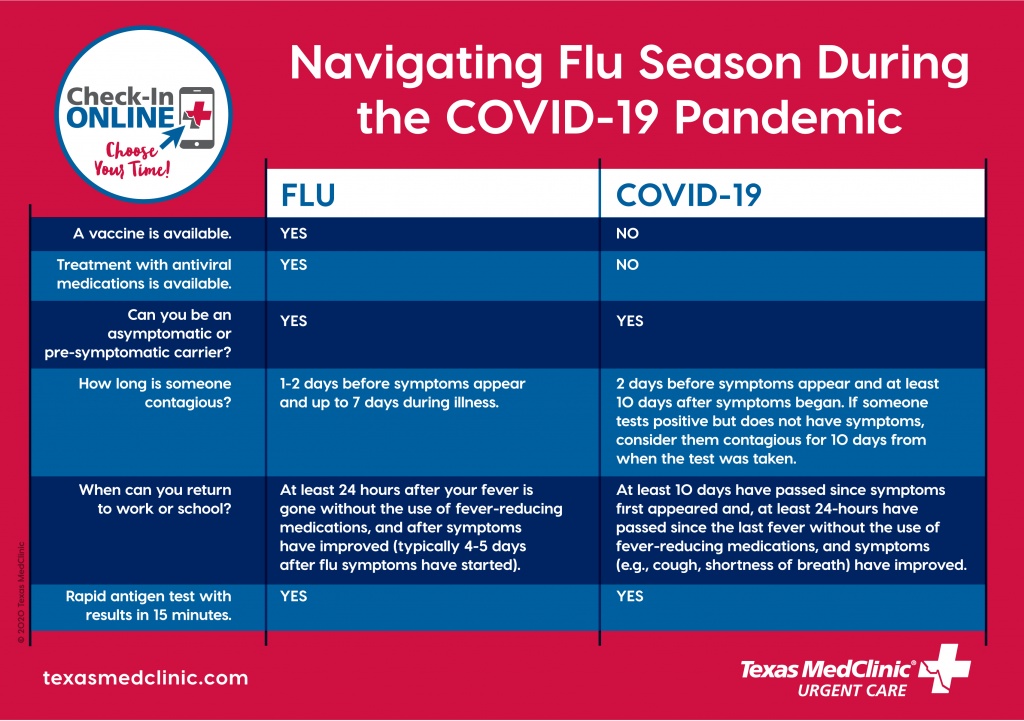
Exploring Texas Safely: Destinations and Activities During Colder Months
Texas offers a vast array of attractions suitable for various preferences, even during the cooler flu season months. Strategic planning can help minimize risks while maximizing enjoyment.
Popular Texas Destinations and Activities in Winter
While some might shy away from travel during flu season, Texas still holds immense appeal. Cities like San Antonio with its iconic Alamo and the festive River Walk, or Austin with its vibrant music scene, offer numerous indoor and outdoor activities that can be enjoyed with caution. Houston boasts world-class museums and the Space Center Houston, which often have robust hygiene protocols in place. Dallas offers cultural districts and shopping experiences.
For those seeking warmer climates within Texas, the southern parts of the state, such as South Padre Island, generally experience milder winters, potentially reducing flu transmission risks compared to colder northern regions. Outdoor activities like birdwatching, hiking, or exploring nature preserves can be more appealing here.
Balancing Indoor and Outdoor Activities
During flu season, consider favoring outdoor activities where fresh air circulation can reduce the risk of viral transmission. Texas is home to stunning natural parks such as Big Bend National Park and numerous state parks, offering opportunities for hiking, camping, and scenic drives. Even in urban areas, parks and outdoor markets can provide safer alternatives to crowded indoor venues.
If indoor attractions are on your itinerary, research their current health and safety protocols. Many museums, galleries, and entertainment venues have implemented enhanced cleaning procedures, ventilation improvements, and even timed entry to manage crowd density. Opt for off-peak hours when visiting popular indoor sites to encounter fewer people.
Accommodation and Wellness: Choosing Your Stay Responsibly
Selecting the right accommodation is a critical part of a healthy travel experience, especially during flu season.
Hotels and Health Protocols
When booking your stay in Texas, prioritize hotels and resorts that visibly emphasize health and safety protocols. Many reputable hotel chains have implemented enhanced cleaning standards, often referred to as “clean stay” or “commitment to clean” programs. Look for properties that highlight:
- Enhanced Cleaning: Frequent disinfection of high-touch surfaces in common areas and guest rooms.
- Improved Air Quality: Modern HVAC systems with filtration or increased fresh air circulation.
- Contactless Options: Mobile check-in/check-out, digital keys, and contactless food delivery services.
- Hand Sanitizer Stations: Availability of hand sanitizer in lobbies, elevators, and dining areas.
- Staff Training: Evidence that staff are trained on health and hygiene best practices.
Consider options that offer private amenities, such as apartments or villas, which might reduce interaction with large groups compared to traditional hotels with shared common spaces. For longer stays, properties with in-room kitchenettes can minimize the need to dine out frequently.
Wellness-Focused Stays
Some accommodations in Texas are increasingly focusing on wellness, offering facilities like fitness centers, spa services, and healthy dining options. While these amenities are appealing, remember to inquire about their specific hygiene practices during flu season. For example, are gym equipment regularly sanitized? Are spa treatments conducted with strict sanitary measures? Prioritizing your well-being extends beyond flu prevention to ensuring a holistic healthy travel experience.
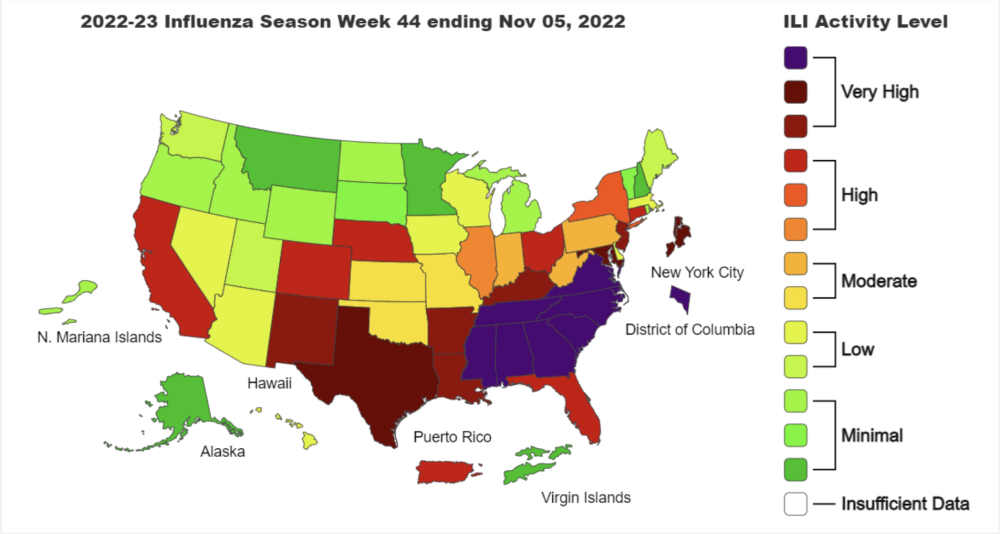
The Economic and Social Impact on Texas Tourism
Flu season, like any public health concern, can have a tangible impact on the tourism industry. While Texas remains a resilient and attractive destination, seasonal health considerations invariably influence traveler behavior and industry response.
Tourism is a significant economic driver for Texas, supporting countless jobs and local businesses. During flu season, a potential dip in visitor numbers can affect hotels, restaurants, attractions, and transportation services. However, the industry has largely adapted by implementing stringent health protocols and innovative solutions to reassure travelers. Many businesses now clearly communicate their safety measures, offering virtual tours, flexible booking policies, and contactless services to maintain visitor confidence.
For travelers, supporting local businesses that have invested in these safety measures is a responsible way to contribute to the economic vitality of the state while protecting one’s own health. Engaging with tour operators who prioritize small groups, or dining at restaurants with ample outdoor seating, can offer more peace of mind.
Ultimately, flu season in Texas is a predictable annual event, but it does not diminish the state’s allure as a travel destination. By understanding the typical timing of the season, taking proactive health measures like vaccination and good hygiene, and choosing accommodations and activities wisely, travelers can confidently plan an enriching and healthy experience. Texas continues to welcome visitors with open arms, ready to offer its unique blend of culture, history, and natural beauty, ensuring that your journey is not just memorable, but also safe and sound.