
Planning a dream vacation to the idyllic shores of Hawaii? The thought of soaking up the sun, exploring lush landscapes, and enjoying the vibrant local culture is enough to make anyone pack their bags. However, like any tropical destination, Hawaii experiences its own set of weather patterns, and understanding these is crucial for a seamless and enjoyable trip. One of the most important considerations for any traveler is the timing of hurricane season. While the Aloha State is generally considered safe and pleasant year-round, knowing when the potential for tropical storms exists can help you make informed decisions about your travel dates, accommodation, and activities.
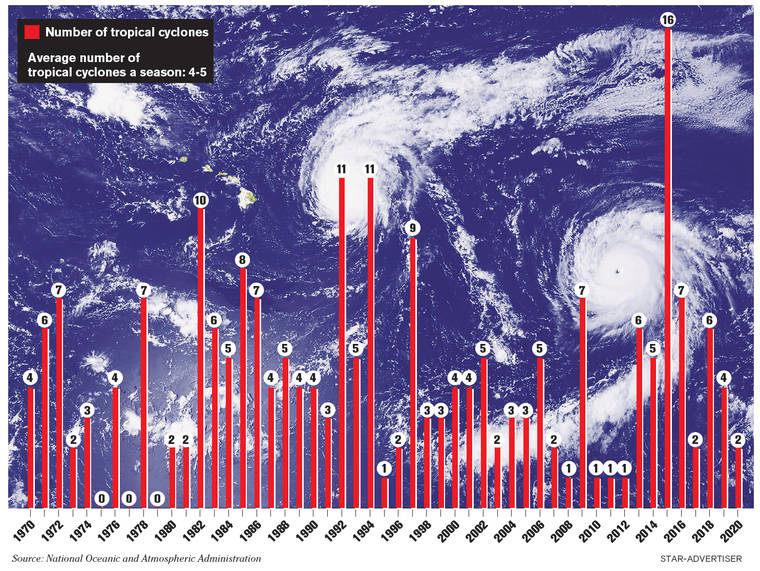
The Hawaiian Islands, known for their stunning natural beauty, from the volcanic peaks of the Big Island to the surfing meccas of Maui and Oahu, are situated in a region susceptible to tropical cyclones. But what exactly constitutes “hurricane season” in Hawaii, and how likely are these storms to impact your visit? This comprehensive guide will delve into the specifics of Hawaii’s hurricane season, providing you with the essential information to plan your trip with confidence. We’ll explore the typical timeframe, the factors influencing storm development, the potential impacts on travel and tourism, and what precautions you can take to ensure a safe and memorable experience.
Understanding Hawaii’s Hurricane Season
The hurricane season in the Eastern North Pacific Ocean, which includes the waters surrounding Hawaii, officially runs from May 15th to November 30th each year. This period encompasses the warmer months when the ocean waters are most conducive to the formation and intensification of tropical cyclones. Within this broader season, the most active period for Hawaii typically falls between August and September. These months often see the highest probability of tropical storms or hurricanes developing and potentially threatening the islands.
It’s important to understand that not every storm that forms in the Eastern North Pacific will affect Hawaii. Many systems either dissipate over the open ocean or track away from the islands. However, the potential is always there, and being aware of the timeframe is the first step in preparedness. The National Hurricane Center (NHC) closely monitors all tropical activity in the region, issuing advisories and warnings when necessary.
Factors Influencing Storm Development
The development of hurricanes in the Pacific is a complex meteorological phenomenon influenced by several key factors:
- Sea Surface Temperatures: Warmer ocean waters are the primary fuel for hurricanes. When sea surface temperatures rise above a critical threshold (around 26.5°C or 80°F), they can provide enough heat and moisture to initiate and sustain tropical storm development. During the summer and early fall months, Hawaii’s surrounding waters typically reach these elevated temperatures.
- Atmospheric Instability: For a storm to form, the atmosphere needs to be unstable, meaning that rising air parcels are warmer than their surroundings, allowing them to continue to ascend. This leads to the development of towering cumulonimbus clouds, the building blocks of thunderstorms.
- Low Vertical Wind Shear: Wind shear refers to the change in wind speed and direction with height in the atmosphere. Low vertical wind shear is crucial for hurricane development. When shear is low, the storm’s structure can remain intact, allowing it to organize and intensify. High wind shear can disrupt this organization and prevent a storm from strengthening.
- Pre-existing Disturbances: Hurricanes often form from pre-existing weather disturbances, such as tropical waves or the remnants of old weather systems. These disturbances can provide the initial spin and convergence of air needed for a storm to begin developing.
- El Niño-Southern Oscillation (ENSO): The ENSO cycle, particularly the El Niño phase, can influence hurricane activity in the Pacific. El Niño events are often associated with warmer sea surface temperatures in the central and eastern Pacific, which can lead to increased hurricane activity in the Hawaii region. Conversely, La Niña events may see less activity.
Understanding these factors helps explain why the hurricane season is concentrated during specific months. The confluence of warm ocean temperatures, atmospheric conditions, and potential disturbances during the summer and early fall months creates the perfect recipe for tropical cyclone formation.
When to Travel to Hawaii: Navigating the Hurricane Season
For many travelers, the primary concern regarding hurricane season is its potential impact on their vacation plans. While the risk of a direct hit from a major hurricane is relatively low in any given year, it’s a factor that warrants consideration.
The Peak of the Season: August and September
As mentioned, August and September represent the peak of the hurricane season in Hawaii. During these months, the likelihood of encountering a tropical storm or hurricane is at its highest. This doesn’t mean that every trip during this period will be affected, but it is the time when travelers should be most vigilant about weather forecasts and potential disruptions.
Travel during the shoulder months of the hurricane season – June, July, October, and November – generally offers a good balance between pleasant weather and a reduced risk of significant storm activity. June and July often feature calm seas and warm temperatures, making them excellent choices for beach activities and water sports. October and November can still be warm, with a decreasing chance of hurricanes as the season winds down.

Avoiding the Season: The Safest Bets
If avoiding hurricane season altogether is your priority, then the months of December through April are generally considered the safest bet for visiting Hawaii. This period coincides with Hawaii’s winter, which is characterized by cooler temperatures, higher rainfall (especially on the windward sides of the islands), and calmer seas. While occasional storms can occur outside the official season, they are rare. This winter period is also popular for whale watching, particularly from November to May, as humpback whales migrate to Hawaii’s warm waters to breed and calve.
The “Quiet” Season: Off-Season Advantages
Traveling during the shoulder months or even during the winter can offer additional benefits beyond avoiding the peak of hurricane season. You might find fewer crowds at popular attractions like Pearl Harbor or Haleakala National Park, leading to a more relaxed experience. This can also translate to better deals on flights and accommodation, especially if you book in advance.
For example, families planning a trip might find the early summer months (before schools let out for full vacation) or the late fall (after the summer rush) to be ideal. Similarly, couples seeking a romantic getaway might prefer the quieter winter months, perhaps staying at a luxurious resort like the Four Seasons Resort Maui at Wailea or a charming villa in Kauai.
Preparing for and Responding to Hurricane Threats
While the odds are in your favor for a storm-free Hawaiian vacation, it’s always wise to be prepared. The islands have robust emergency management systems, and tourism providers are experienced in handling weather-related disruptions.
Staying Informed and Prepared
- Monitor Weather Forecasts: Leading up to and during your trip, pay close attention to weather forecasts from reliable sources such as the National Hurricane Center and local news channels. Many hotels offer weather updates for their guests.
- Review Travel Insurance: Consider purchasing comprehensive travel insurance that covers trip cancellations or interruptions due to natural disasters. This can provide financial protection if your travel plans are significantly impacted.
- Familiarize Yourself with Evacuation Plans: In the unlikely event of a hurricane warning, local authorities will issue evacuation orders if necessary. Your hotel or accommodation provider will have information on local evacuation procedures. It’s wise to understand these in advance.
- Have an Emergency Kit: While not always necessary, it’s a good practice to have a small emergency kit with essentials like water, non-perishable food, a flashlight, batteries, and any necessary medications.
What to Do if a Storm Threatens
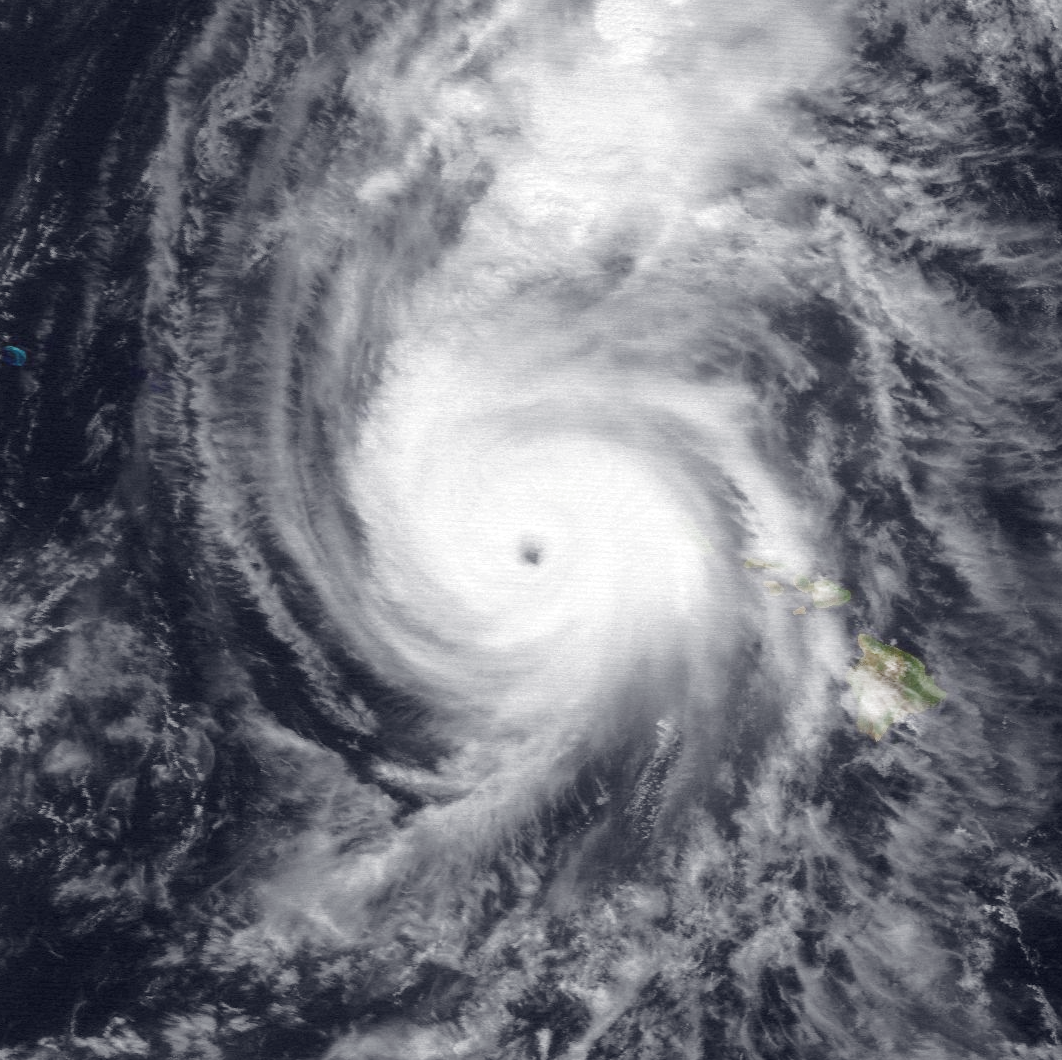
If a tropical storm or hurricane is forecast to affect Hawaii during your visit:
- Heed Official Advisories: Always follow the instructions and advisories issued by local authorities and emergency management officials.
- Secure Your Accommodation: If you are in a hotel or resort, follow their guidance regarding securing windows and doors.
- Stay Indoors: During the height of a storm, it is safest to remain indoors and away from windows.
- Conserve Resources: Be mindful of water and electricity usage, as utilities can sometimes be affected by severe weather.
- Stay Connected: Keep your mobile devices charged and have a plan for staying in touch with family and friends. Many hotels offer Wi-Fi, and local phone services generally remain operational.
The tourism industry in Hawaii is well-equipped to handle weather events. Hotels and tour operators have contingency plans in place to ensure guest safety and to minimize disruption. Often, the impact of a distant storm might be increased rainfall or rougher seas for a few days, rather than a direct threat. However, severe storms can lead to flight cancellations and temporary closures of attractions, so flexibility in your itinerary is key.
For travelers looking for a luxurious experience, resorts like the Grand Hyatt Kauai Resort & Spa and The Ritz-Carlton, Kapalua are accustomed to managing guest needs during any weather event. They provide detailed information and support to ensure comfort and safety.
In conclusion, while Hawaii’s hurricane season spans from May 15th to November 30th, with the peak typically occurring in August and September, it does not mean you should avoid visiting during these months. With careful planning, staying informed, and understanding the potential risks, you can still enjoy the unparalleled beauty and warm hospitality of the Hawaiian Islands. By choosing your travel dates wisely, perhaps opting for the shoulder seasons or the calmer winter months, and by being prepared for any eventuality, your Hawaiian adventure is likely to be filled with sunshine, unforgettable experiences, and the magic that makes this island paradise a dream destination for so many. Whether you’re exploring the volcanic wonders of Hawaii Volcanoes National Park, learning to surf on the North Shore of Oahu, or simply relaxing on the pristine beaches of Lanikai, a well-planned trip will ensure you make the most of your time in this extraordinary part of the world.