
For outdoor enthusiasts, conservationists, and those seeking an authentic Texas adventure, understanding the deer hunting seasons is paramount. The Lone Star State is renowned for its abundant wildlife, particularly its robust populations of White-tailed Deer and, in specific western regions, Mule Deer. A deer hunting expedition in Texas is not merely a sporting activity; it’s an immersive travel experience, offering a unique blend of nature, challenge, and the rich local culture that defines this vast state. From choosing the right destination to securing the perfect accommodation, planning a hunt here intertwines seamlessly with broader tourism and lifestyle considerations.

Navigating Deer Hunting Seasons in the Lone Star State
The intricate tapestry of deer hunting seasons in Texas is carefully managed by the Texas Parks and Wildlife Department (TPWD) to ensure sustainable wildlife populations and diverse opportunities for hunters. Unlike states with uniform regulations, Texas is divided into several zones, each with distinct season dates, bag limits, and specific regulations designed to reflect local deer populations and ecological conditions. This zonal approach offers flexibility but requires careful planning to ensure compliance and a successful trip.
Understanding Texas’ Diverse Hunting Zones
Texas’s geographical diversity directly influences its hunting regulations. The state is broadly categorized into major hunting zones, primarily impacting White-tailed Deer seasons:
- North Zone: Encompassing much of Central and North Texas, this zone typically sees earlier opening dates due to earlier rutting cycles and cooler weather patterns. It’s a popular choice for hunters looking to kick off their season.
- South Zone: Covering the vast and ecologically rich South Texas Brush Country, this zone has later season dates, aligning with the later rutting period characteristic of the region’s White-tailed Deer. This area is famed for producing some of the largest antlered deer in the state, drawing hunters seeking trophy animals.
- Trans-Pecos: Located in West Texas, this rugged, mountainous region is the primary habitat for Mule Deer. Mule Deer hunting seasons here are typically shorter and more restrictive, reflecting their lower population density and the unique challenges of hunting in this breathtaking terrain. White-tailed Deer are also present in some areas of the Trans-Pecos, with specific regulations.
Beyond these main zones, specific counties might have unique rules, extended seasons for antlerless deer, or youth-only dates. Hunters must consult the official TPWD Outdoor Annual, an indispensable guide for all regulations, before planning their journey. This detailed approach to zoning ensures that hunting remains a sustainable activity, contributing to the health of Texas’s natural ecosystems and supporting rural economies through robust tourism.
Key Dates for White-tailed Deer and Mule Deer
While specific dates can vary slightly year to year, the general framework for deer hunting seasons in Texas remains consistent.
White-tailed Deer (General Season):
- North Zone: Typically opens the first Saturday in November and runs through the first Sunday in January.
- South Zone: Generally opens the first Saturday in November (sometimes a week later than the North Zone) and extends through the third Sunday in January.
White-tailed Deer (Special Seasons):
- Archery Season: Statewide, this usually precedes the general season, running for roughly a month, starting the first Saturday in October. This offers bowhunters an early opportunity and a distinct challenge, contributing to a unique hunting lifestyle.
- Muzzleloader Season: Often coincides with a portion of the general season or follows immediately after, providing an additional window for traditional hunters.
- Youth-Only Seasons: Texas prioritizes introducing young people to hunting and conservation. There are typically youth-only weekends, often in late October/early November and again in early January, designed to provide a safe and educational experience. These trips are fantastic family travel opportunities, fostering a love for the outdoors from a young age.
- Special Late Season: Some counties offer an extended late season for antlerless and spike bucks, typically in January, providing further hunting opportunities and aiding in population management.
Mule Deer:
- Trans-Pecos General Season: Usually a shorter season, spanning about two weeks in late November or early December, reflecting the more limited population and rugged terrain.
- Panhandle General Season: Select counties in the Panhandle also have Mule Deer seasons, often similar in duration to the Trans-Pecos but with specific county-level variations.
Hunters should always confirm precise dates and bag limits by checking the current year’s TPWD Outdoor Annual, available online and at license retailers. This is your definitive guide to a compliant and enjoyable hunting excursion.
Essential Permits and Regulations
Participating in deer hunting in Texas requires adherence to several critical regulations, ensuring fair chase, safety, and sustainable wildlife management. These aren’t just rules; they are integral to responsible tourism and ethical engagement with the natural environment.
- Hunting License: All hunters, resident and non-resident, must possess a valid Texas hunting license. Various types exist, including annual licenses, youth licenses, and special packages. Non-residents will find specific license options tailored for their visit, often bundled with other hunting stamps.
- Deer Tags: Upon purchasing a license, hunters receive a set of deer tags. Each harvested deer must be immediately tagged. These tags are crucial for tracking bag limits and supporting wildlife management data collection. Understanding the specific tag requirements for White-tailed Deer (e.g., antlered vs. antlerless) and Mule Deer is vital.
- Hunter Education: Most hunters born on or after September 2, 1971, must complete a mandatory hunter education course. This course covers safety, ethics, and conservation principles, making it an essential part of the hunting lifestyle and promoting responsible outdoor activities.
- Bag Limits: Limits specify the maximum number of deer (and specific types, e.g., antlered vs. antlerless) a hunter can harvest within a season or across specific periods. These vary by county and zone and are strictly enforced.
- Legal Means and Methods: Regulations dictate the types of firearms, archery equipment, and other methods allowed for hunting. Prohibited acts, such as hunting from a vehicle or using artificial lights (unless otherwise specified), are also clearly outlined.
These regulations are designed to maintain the balance between sport and conservation, contributing to the overall health of Texas’s natural heritage and ensuring future generations can enjoy these experiences.
Planning Your Texas Hunting Adventure: More Than Just the Hunt
A deer hunting trip to Texas is much more than just the pursuit of game; it’s a comprehensive travel experience. The state’s vastness offers diverse landscapes, accommodation options, and cultural activities, making it an ideal destination for both seasoned hunters and families looking for an adventurous getaway. When planning, consider how your hunting objectives fit into a broader travel itinerary.
Choosing Your Destination: Premier Hunting Regions
Texas offers a kaleidoscope of hunting environments, each with its unique charm and challenges. Selecting the right region can greatly enhance your overall adventure.
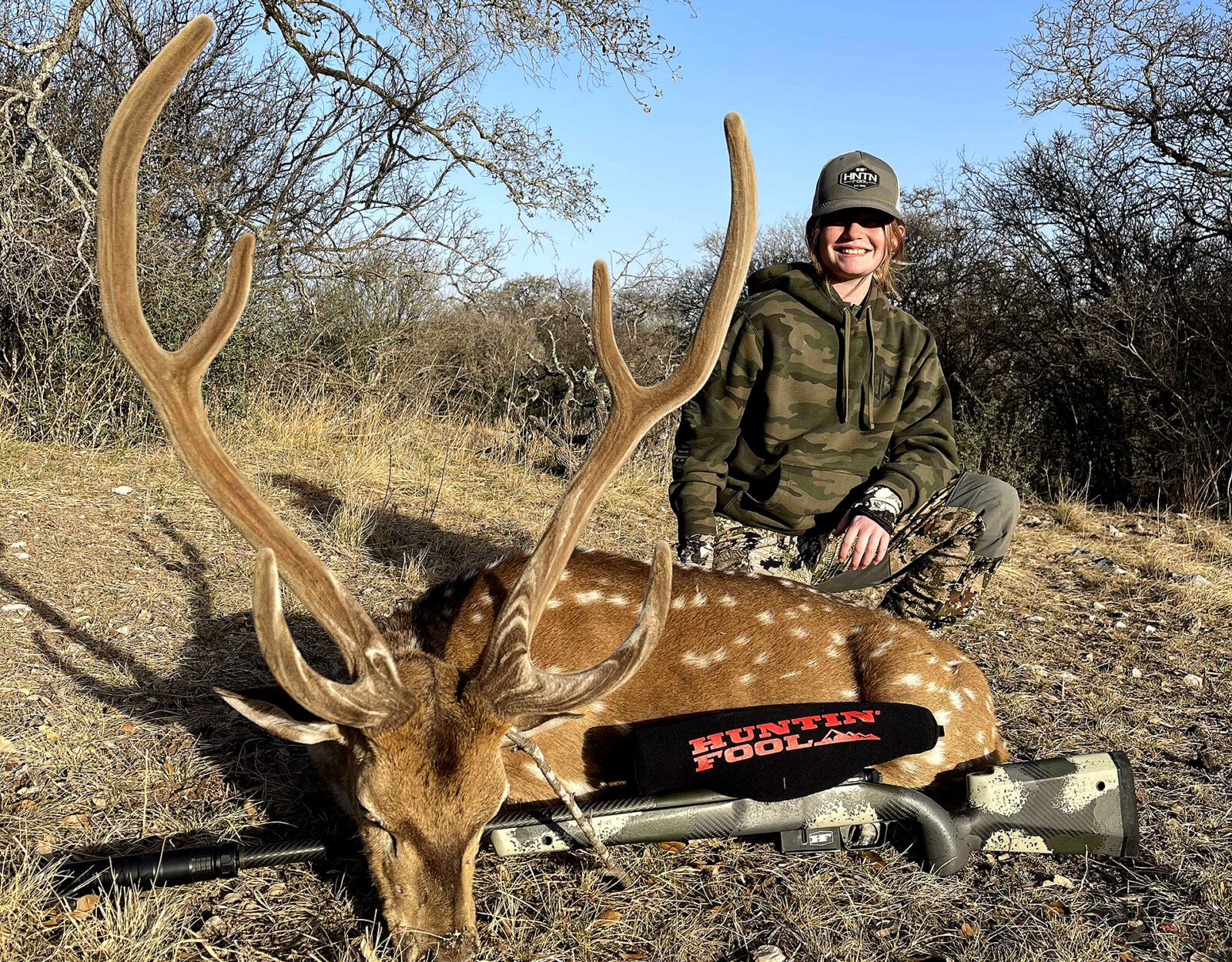
- Hill Country: Located in Central Texas, this region is arguably the most popular for White-tailed Deer. Characterized by rolling hills, live oak mottes, and juniper thickets, the Hill Country boasts an incredibly high deer population. While antler sizes might not consistently rival South Texas, the sheer number of deer and beautiful scenery make for an exciting hunt. The region is also rich in charming small towns, vineyards, and natural springs, making it a fantastic destination for non-hunting companions.
- South Texas Brush Country: Legendary for its trophy-class White-tailed Deer, this arid landscape of mesquite, prickly pear, and various thorny brush offers dense cover and nutrient-rich forage, contributing to exceptional antler growth. Hunting here often involves high-fenced ranches offering guided experiences, reflecting a more luxurious hunting lifestyle. The area also provides excellent bird hunting opportunities for those seeking variety.
- East Texas Piney Woods: A stark contrast to the western and southern parts of the state, East Texas is characterized by dense pine forests, hardwoods, and abundant rainfall. Deer populations are healthy, and the challenging terrain offers a different type of hunting experience. This region is also home to numerous state parks and lakes, perfect for fishing, boating, and exploring after the hunt.
- Trans-Pecos Mountains and Desert: For the truly adventurous, the rugged Trans-Pecos offers breathtaking scenery and the challenging pursuit of Mule Deer. This remote area, including vast expanses near Big Bend National Park and Guadalupe Mountains National Park, promises an unforgettable wilderness experience, though deer populations are sparser. The dramatic landscapes alone are a landmark worth visiting.
Each region provides a distinct travel and tourism package, from rustic charm to luxury amenities, catering to different preferences and budgets.
Accommodating Your Expedition: Lodging for Hunters
Just as diverse as its hunting grounds, Texas offers a wide array of accommodation options tailored for hunters and their families. Choosing the right lodging is crucial for comfort and convenience, transforming a basic trip into a memorable experience.
- Hunting Ranches and Lodges: Many private ranches, especially in South Texas and the Hill Country, offer all-inclusive hunting packages that include lodging, meals, guides, and often game processing facilities. These range from rustic cabins to luxurious resorts, providing a full-service experience that aligns with a “luxury travel” or specialized “adventure travel” lifestyle. They often feature communal areas, fire pits, and opportunities for camaraderie among hunters.
- Hotels and Motels in Nearby Towns: For hunters who prefer a more independent approach or are on a budget, staying in hotels or motels in towns adjacent to hunting areas is a viable option. Cities like Junction, Kerrville, or Uvalde in the Hill Country or South Texas offer a range of hotel brands from budget-friendly chains to boutique accommodations. This allows flexibility for dining out and exploring local attractions. Look for hotels that offer ample parking for trucks and trailers, and perhaps even early breakfast options.
- Vacation Rentals (Airbnb, VRBO): For families or groups, renting a private home, cabin, or apartment through platforms like Airbnb or VRBO can provide more space, privacy, and amenities like full kitchens. This option is ideal for those who prefer to cook their own meals and create a home-away-from-home atmosphere, contributing to a comfortable “long-term stay” feel, even if for a week.
- RV Parks and Campgrounds: Many state parks, national forests, and private campgrounds throughout Texas offer sites for RVs and tents. This budget-friendly option allows hunters to stay close to nature and can be a fantastic “family trip” choice, combining hunting with camping and other outdoor activities. Ensure the campground is equipped to handle hunter needs, such as proximity to game check stations or cleaning areas.
When booking accommodation, especially during peak hunting season (November-December), it is highly advisable to make reservations well in advance. Popular lodges and hotels can fill up quickly, reflecting the significant tourism draw of hunting.
Enhancing Your Texas Experience: Beyond the Blind
A hunting trip to Texas doesn’t have to be solely focused on the pursuit of deer. The state offers a wealth of activities, cultural experiences, and natural landmarks that can enrich your visit, making it a well-rounded travel destination for individuals, couples, and families. Integrating these elements can transform a hunting trip into a memorable vacation, appealing to a broader “lifestyle” approach to travel.
Local Attractions and Activities for the Non-Hunter
While one member of the party might be in a deer blind, others can explore the diverse offerings of Texas:
- Historic Cities: Cities like San Antonio, with its iconic Alamo and Riverwalk, or Austin, the “Live Music Capital of the World,” are easily accessible from many hunting regions. They offer rich history, vibrant arts scenes, and world-class dining, providing cultural experiences far removed from the wilderness.
- State Parks and Natural Areas: Texas boasts an impressive system of state parks. Caddo Lake State Park offers mysterious bayou scenery, Palo Duro Canyon State Park showcases the “Grand Canyon of Texas,” and Padre Island National Seashore provides miles of unspoiled Gulf Coast beaches. These natural landmarks are perfect for hiking, birdwatching, photography, or simply enjoying the tranquil beauty of the state.
- Culinary Delights: Texas is famous for its BBQ, Tex-Mex, and unique regional cuisines. Exploring local eateries, trying genuine smoked brisket, or savoring authentic tacos can be a tourism highlight. Many towns also host farmers’ markets or local festivals, especially during the fall.
- Wine and Brewery Tours: The Texas wine industry, particularly in the Hill Country around Fredericksburg, has grown significantly. Wineries and craft breweries offer tours and tastings, providing a sophisticated alternative to outdoor pursuits.
- Shopping and Antiques: Many small towns across Texas are treasure troves of antique shops, artisan boutiques, and unique local crafts, perfect for souvenir hunting or a leisurely afternoon stroll.
Integrating these activities into your travel itinerary ensures everyone on the trip finds something enjoyable, making it a fulfilling “family trip” or “experience” for all.
Responsible Tourism and Ethical Hunting Practices
Embracing responsible tourism and ethical hunting practices is fundamental to preserving Texas’s natural beauty and wildlife resources. Hunters play a crucial role as conservationists.
- Adhere to Regulations: Always follow all TPWD regulations, including licensing, bag limits, and legal means and methods. These rules are in place for a reason and contribute directly to the health of deer populations.
- Respect Private Property: The vast majority of hunting in Texas occurs on private land. Always obtain explicit permission from landowners and respect their property, fences, and rules.
- Practice Fair Chase: Uphold the principles of fair chase, ensuring animals have a reasonable chance to escape. Avoid unethical practices that give hunters an unfair advantage.
- Leave No Trace: Pack out everything you pack in. Dispose of waste properly, including game remains, to minimize environmental impact.
- Support Local Economies: When traveling for a hunt, patronize local businesses—restaurants, gas stations, small shops, and guides. Your spending directly supports the communities that host these outdoor activities, contributing positively to local tourism.
- Wildlife Management: Participate in programs like the Texas Big Game Awards by submitting harvest data. This information is invaluable for wildlife biologists to monitor populations and adjust management strategies.
By adopting these practices, hunters contribute to a positive public perception of hunting and ensure the longevity of this cherished tradition in Texas.
A Lifestyle Choice: Making Deer Hunting a Texas Tradition
Deer hunting in Texas is often more than an annual outing; for many, it’s a deeply ingrained lifestyle, a tradition passed down through generations, and a profound connection to the land. It’s a form of “adventure travel” that offers introspection, challenge, and the satisfaction of harvesting your own food.
Guided Hunts vs. DIY Adventures
The approach to a Texas deer hunt can vary widely, catering to different skill levels, budgets, and desired experiences.
- Guided Hunts: Ideal for newcomers to Texas hunting, those seeking trophy animals, or hunters who prefer a hassle-free experience. Guided hunts, often offered on private ranches, typically include expert guides, access to prime hunting land, transportation within the property, meals, lodging, and assistance with game recovery and processing. This option is often more expensive but provides a high-probability hunting experience and can be seen as a “luxury travel” offering. It removes much of the logistical complexity, allowing hunters to focus solely on the experience.
- Do-It-Yourself (DIY) Adventures: For seasoned hunters familiar with Texas or those on a “budget travel” plan, a DIY hunt provides maximum independence. This involves securing private land leases, hunting public lands (which are limited for deer in Texas compared to other states), or joining hunting clubs. DIY hunts require extensive scouting, knowledge of regulations, and self-sufficiency, offering a more raw and challenging experience that truly embodies an independent outdoor lifestyle. This option offers immense satisfaction for those who relish the planning and execution stages of a hunt.

Family-Friendly Hunting and Outdoor Education
Hunting can be a powerful tool for family bonding and outdoor education. Texas provides numerous avenues to involve the whole family in the hunting tradition.
- Youth Hunting Programs: TPWD and various non-profit organizations offer mentored youth hunts, providing safe and educational opportunities for young hunters. These programs emphasize ethical hunting, wildlife biology, and outdoor skills, shaping the next generation of conservationists.
- Ranch Experiences: Many hunting ranches are family-friendly, offering activities beyond hunting, such as fishing, birdwatching, stargazing, and wildlife photography. This allows non-hunting family members to enjoy the natural beauty and outdoor lifestyle while others are in the field.
- Conservation Education: Hunting trips offer a tangible way to teach children about wildlife management, ecosystems, and the importance of conservation. Understanding where food comes from and the cycle of life in nature is an invaluable lesson that can only be fully appreciated through direct experience.
By framing deer hunting as a family activity and an educational opportunity, it transcends mere sport, becoming a meaningful part of a broader outdoor lifestyle and contributing to responsible tourism.
In conclusion, knowing “When Is Hunting Season For Deer In Texas?” is just the first step in planning an unforgettable adventure. Texas offers a diverse array of hunting seasons, destinations, and experiences, catering to every preference and skill level. Whether you’re seeking a trophy White-tailed Deer in South Texas, a challenging Mule Deer hunt in the Trans-Pecos, or a family-friendly outing in the Hill Country, the Lone Star State delivers. By carefully planning your trip, adhering to regulations, choosing appropriate accommodation, and embracing the broader tourism opportunities, your Texas deer hunting experience will undoubtedly be a cherished highlight of your travel lifestyle.