
The golden sunshine, world-class theme parks, and pristine beaches of Florida beckon millions of travelers each year. From the vibrant energy of Miami to the family-friendly fun of Orlando, the Sunshine State offers a diverse range of experiences for every kind of visitor. However, nestled within the allure of its tropical climate lies a natural phenomenon that demands respect and careful planning: hurricanes. Understanding the hurricane season and the potential for storms to impact your travel plans to Florida is paramount for a safe and enjoyable vacation.
This article delves into the intricacies of Florida‘s hurricane season, providing insights and guidance for travelers. We’ll explore when these powerful storms are most likely to occur, how to stay informed, and what steps you can take to prepare, ensuring your trip to this beloved destination remains a memorable adventure, not a harrowing ordeal.
Navigating Florida’s Hurricane Season: Timing is Everything
The Atlantic hurricane season officially runs from June 1st to November 30th each year. While hurricanes can theoretically form at any point during this period, certain months statistically pose a higher risk for Florida. Understanding these patterns can help you make informed decisions about when to book your Florida vacation.
Peak Hurricane Activity in Florida
While the entire six-month period warrants caution, the most active part of the hurricane season for Florida typically falls between August and October. This is when ocean temperatures are at their warmest, providing the fuel for these formidable storms.
- August: As the summer heat intensifies, so does the potential for tropical development. While early August might see fewer storms, the latter half of the month often experiences an uptick in activity. This is a time when Florida‘s Atlantic coast and Gulf coast can both be vulnerable.
- September: This month is historically the most active for hurricanes in the Atlantic basin and, consequently, for Florida. Major hurricanes have frequently made landfall during September, impacting areas from the Florida Keys to the Panhandle.
- October: While activity generally begins to wane in October, the month can still produce significant storms. Early October remains a period of concern, and late-season storms are not unheard of, particularly affecting South Florida.
Early and Late Season Considerations
It’s important to remember that the hurricane season begins on June 1st. While storms are less common in the early part of the season, they can and do occur. Tropical Storms and even Hurricanes have been known to develop in June and July, often impacting South Florida and the Caribbean. Conversely, the season officially ends on November 30th, but there have been instances of late-season storms forming in November, sometimes catching residents and tourists off guard. Therefore, even when traveling outside the peak months, it’s prudent to remain aware of weather forecasts.
Beyond the Peak: Understanding Tropical Depressions and Storms
It’s crucial to differentiate between tropical depressions, tropical storms, and hurricanes. All these are stages of a developing tropical cyclone, but their intensity varies significantly.
- Tropical Depression: This is the initial stage, characterized by a rotating system of clouds and thunderstorms with a defined circulation and maximum sustained winds of 38 mph or less.
- Tropical Storm: When sustained winds reach between 39 and 73 mph, a tropical depression is upgraded to a tropical storm. At this stage, the storm receives a name. This is when heavier rainfall, stronger winds, and a higher risk of storm surge begin to emerge.
- Hurricane: Sustained winds of 74 mph or higher categorize a storm as a hurricane. Hurricanes are further classified into five categories based on their wind speed, with Category 5 being the most intense.
Even a tropical storm can cause significant disruption with heavy rainfall, flooding, and gusty winds. Therefore, monitoring all stages of tropical development is vital when planning a trip to Florida during hurricane season.
Staying Informed: Essential Resources for Hurricane Preparedness
Knowledge is your greatest ally when it comes to navigating hurricane season in Florida. Being aware of the latest forecasts and advisories can make a substantial difference in your preparedness and peace of mind. Several official and reputable sources provide critical information to help you stay ahead of potential storms.
Official Meteorological Forecasts
The most authoritative source for hurricane information is the National Hurricane Center (NHC), part of the National Oceanic and Atmospheric Administration (NOAA). The NHC provides daily updates, forecasts, and advisories throughout the hurricane season.
- NHC Advisories: These advisories include track forecasts, intensity predictions, and watches/warnings for affected areas. They are updated every few hours during active storm periods.
- Hurricane Watches and Warnings: Understanding the difference is crucial. A Hurricane Watch means hurricane conditions are possible within the specified area, typically within 48 hours. A Hurricane Warning indicates that hurricane conditions are expected within the specified area, typically within 36 hours.
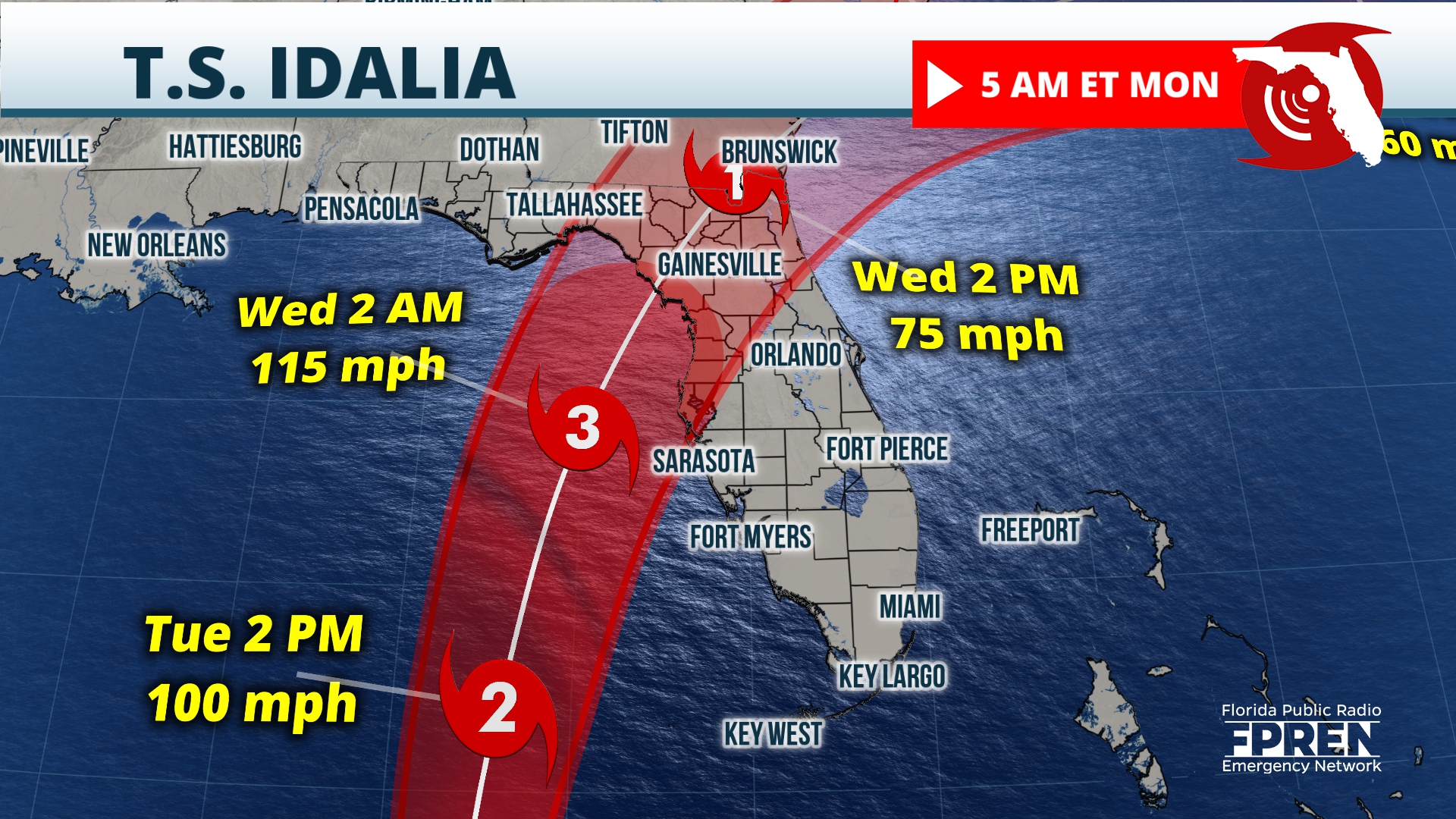
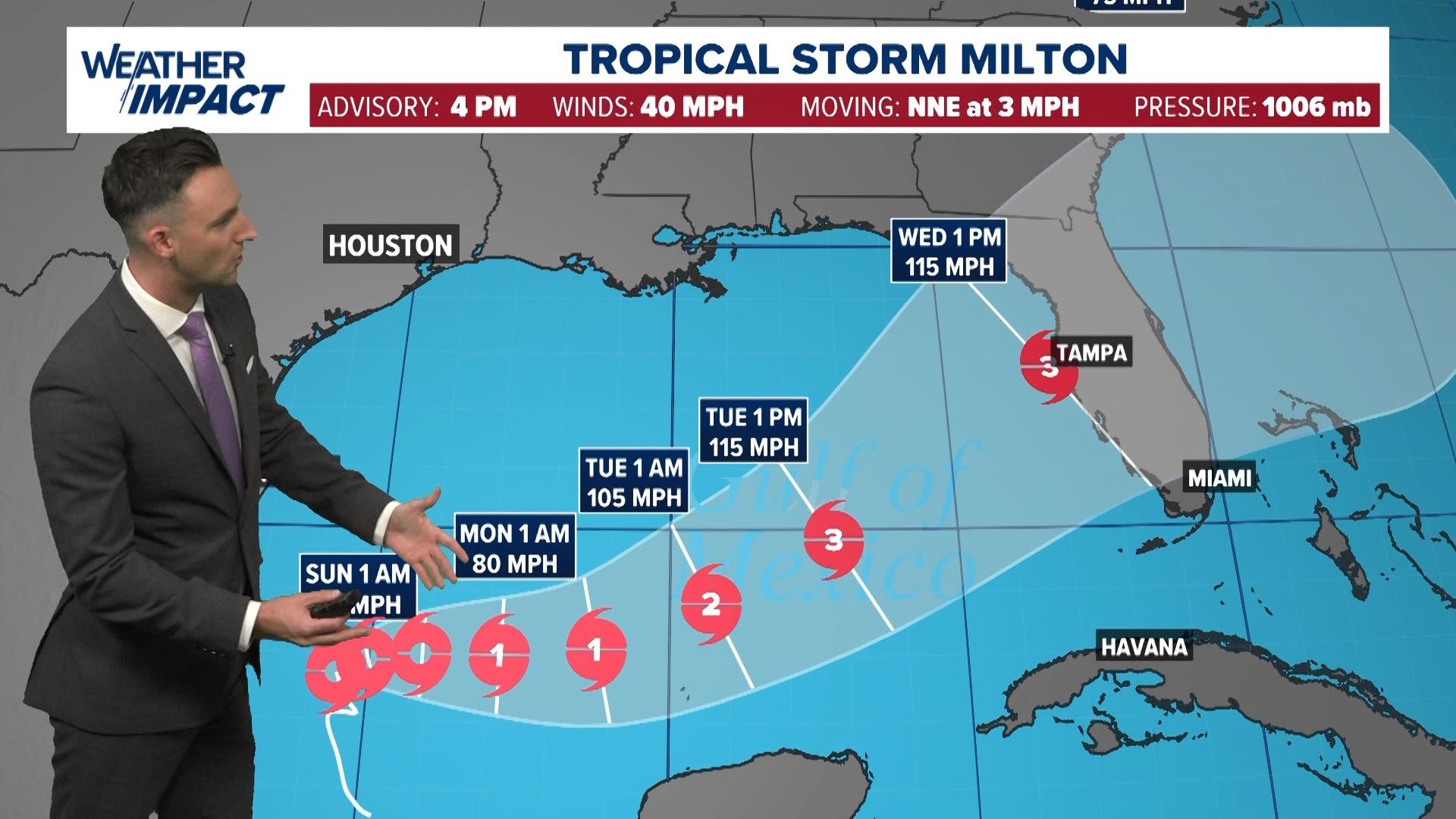
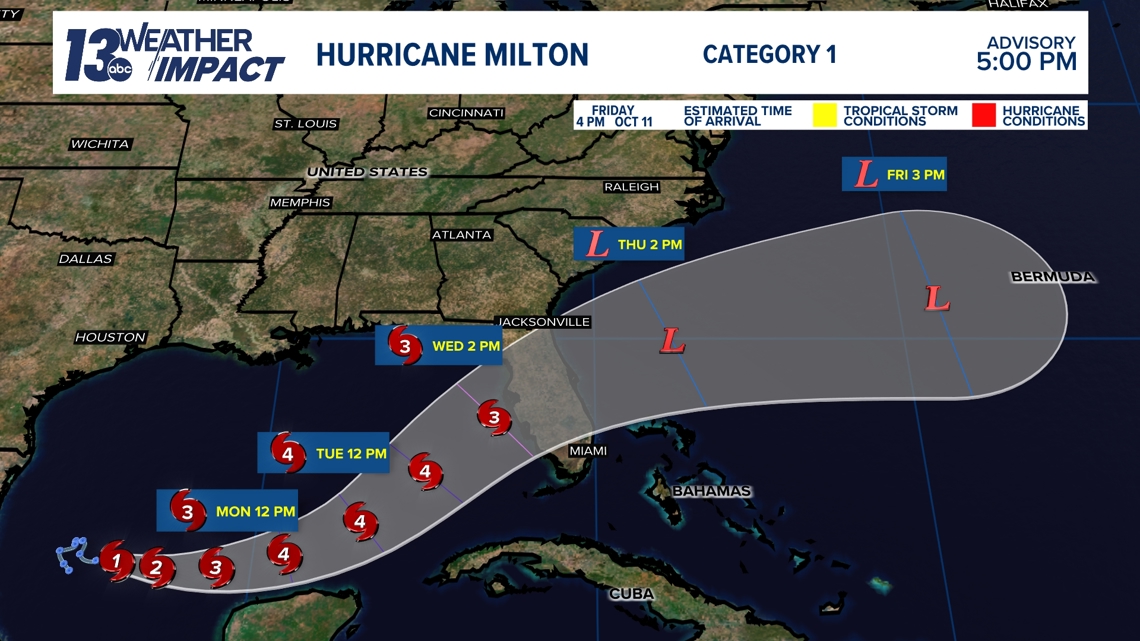
- Graphical Forecasts: The NHC offers graphical products, including cone of uncertainty maps, which show the probable track of the storm’s center. It’s important to remember that tropical cyclone hazards can extend far beyond the cone.
Local and State Emergency Management Agencies
In addition to the NHC, Florida‘s state and local emergency management agencies provide localized information and specific guidance for residents and visitors.
- Florida Division of Emergency Management (FDEM): The FDEM website and social media channels offer state-specific updates, evacuation information, and preparedness tips. They often coordinate with local counties to disseminate crucial information.
- County Emergency Management: Individual Florida counties have their own emergency management departments. These agencies provide hyper-local information on evacuation zones, shelter locations, and county-specific advisories. If you are staying in a particular city or region, checking the local county’s emergency management website is highly recommended.
Weather Apps and News Outlets
While official sources are paramount, many reliable weather apps and news outlets can provide convenient access to hurricane information.
- Reputable Weather Apps: Apps like The Weather Channel, AccuWeather, and others often integrate NHC advisories and provide localized forecasts. Ensure you are using an app that sources information from official meteorological agencies.
- Local News Stations: Florida‘s local television and radio stations provide immediate coverage and updates during weather events. They are invaluable for understanding on-the-ground conditions and emergency responses.
- National News Outlets: Major news networks also provide comprehensive coverage of significant hurricane events, often with live reports from affected areas.
Regularly checking these resources, especially during the peak months of August, September, and October, will equip you with the knowledge needed to make informed decisions regarding your Florida travel plans.
Planning Your Florida Getaway: Hurricane-Resilient Travel Strategies
When planning a trip to Florida during hurricane season, a proactive approach to travel planning can significantly mitigate potential disruptions and ensure your vacation remains enjoyable. This involves not only being aware of the risks but also making informed choices about your accommodation, transportation, and insurance.
Choosing Your Accommodation Wisely
Your choice of lodging can play a critical role in your comfort and safety during hurricane season. Certain types of accommodations and locations may offer better resilience and flexibility.
- Resorts and Hotels with Strong Disaster Preparedness Plans: Many larger resorts and hotel chains, particularly those operating in hurricane-prone areas like Miami or the Florida Keys, have well-established hurricane preparedness plans. These often include procedures for guest notification, potential evacuations, and flexible rebooking policies. Look for establishments that clearly communicate their hurricane policies on their websites. Consider properties that are not located in low-lying coastal areas or evacuation zones.
- Properties with Flexible Cancellation Policies: When booking your stay, prioritize hotels, resorts, or vacation rentals that offer flexible cancellation or rebooking policies. This allows you to postpone or cancel your trip with minimal financial penalty if a storm threatens your travel dates. Websites like Booking.com and Expedia often allow you to filter for “free cancellation” options.
- Inland vs. Coastal Locations: While the allure of a beachfront resort in Clearwater or Fort Lauderdale is undeniable, consider the increased risk associated with coastal locations during a hurricane. Storm surge is a significant threat, and many coastal roads can become impassable. Inland locations, especially those further away from the immediate coastline, may offer a safer and less disrupted experience. However, be aware that even inland areas can experience significant rainfall and wind.
- Apartments and Villas for Longer Stays: For those planning extended visits, renting an apartment or villa can offer more control and potentially a more resilient base if a storm does occur. Ensure the property owner or management company has a clear policy regarding weather disruptions.
Transportation and Travel Insurance Considerations
Your mode of travel and the foresight to secure adequate travel insurance are crucial components of a hurricane-resilient Florida vacation.
- Flights and Airlines: Airlines are typically proactive in canceling flights to and from airports in the path of a hurricane. Most airlines offer waivers allowing you to rebook your flight without penalty if a storm is forecast to impact your travel. Monitor your airline’s website and notifications closely. Airports like Orlando International Airport (MCO) or Miami International Airport (MIA) are major hubs and are often affected by significant weather systems.
- Car Rentals and Driving: If you plan to drive, be aware that hurricane conditions can lead to road closures, flooding, and hazardous driving. Always heed evacuation orders and never drive through flooded roads. If renting a car, check the rental company’s policy regarding cancellations or changes due to weather.
- Travel Insurance: This is perhaps the most critical element for hurricane season travel. Comprehensive travel insurance policies can cover trip cancellations, interruptions, medical emergencies, and lost baggage due to severe weather events. Read your policy carefully to understand what is covered, particularly regarding “named storms” or “hurricanes.” Look for policies that offer “cancel for any reason” coverage for maximum flexibility, though these are often more expensive. Websites like Squaremouth and Allianz Travel Insurance are good places to compare policies.
What to Do if a Hurricane Threatens Your Trip
Despite the best planning, a hurricane may still threaten your Florida vacation. Knowing how to react is essential for your safety and well-being.
- Monitor Official Sources: Continuously check the National Hurricane Center (NHC) and local emergency management advisories.
- Contact Your Accommodation: Speak directly with your hotel or rental property to understand their specific hurricane policy and recommendations.
- Follow Evacuation Orders: If an evacuation order is issued for your area, do not hesitate to leave. Your safety is paramount.
- Be Prepared to Change Plans: Be flexible and ready to alter your itinerary, whether that means shortening your trip, relocating to a safer area, or returning home early.
By incorporating these hurricane-resilient strategies into your travel planning, you can significantly enhance your ability to enjoy the attractions, experiences, and lifestyle Florida has to offer, even during its most tempestuous season. From the vibrant nightlife of Key West to the natural wonders of the Everglades, a well-prepared traveler can still make the most of their Sunshine State adventure.
LifeOutOfTheBox is a participant in the Amazon Services LLC Associates Program, an affiliate advertising program designed to provide a means for sites to earn advertising fees by advertising and linking to Amazon.com. Amazon, the Amazon logo, AmazonSupply, and the AmazonSupply logo are trademarks of Amazon.com, Inc. or its affiliates. As an Amazon Associate we earn affiliate commissions from qualifying purchases.