
Florida, the Sunshine State, is a dream destination for millions, drawing visitors with its sun-drenched beaches, world-class theme parks, vibrant culture, and diverse natural landscapes. From the bustling streets of Miami to the tranquil waters of the Florida Keys, there’s an experience for every traveler. However, the allure of Florida also comes with a seasonal consideration: hurricane season. Understanding when hurricane season occurs is crucial for anyone planning a trip to or residing in this beautiful state. This knowledge empowers you to make informed decisions, ensuring a safe and enjoyable experience, whether you’re booking a luxurious stay at a resort in Orlando or embarking on a budget-friendly adventure through the Everglades National Park.
Understanding Florida’s Hurricane Season
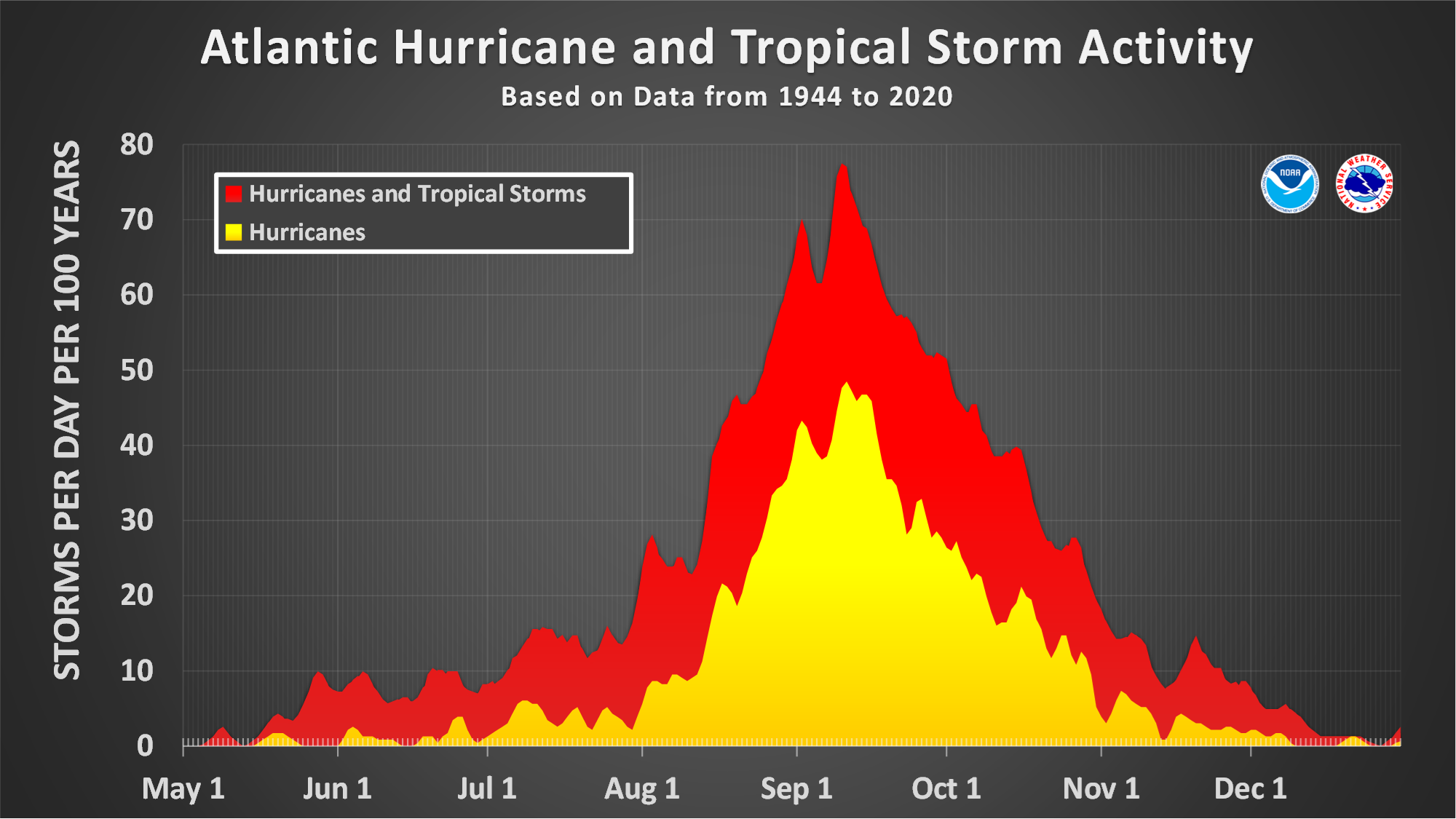
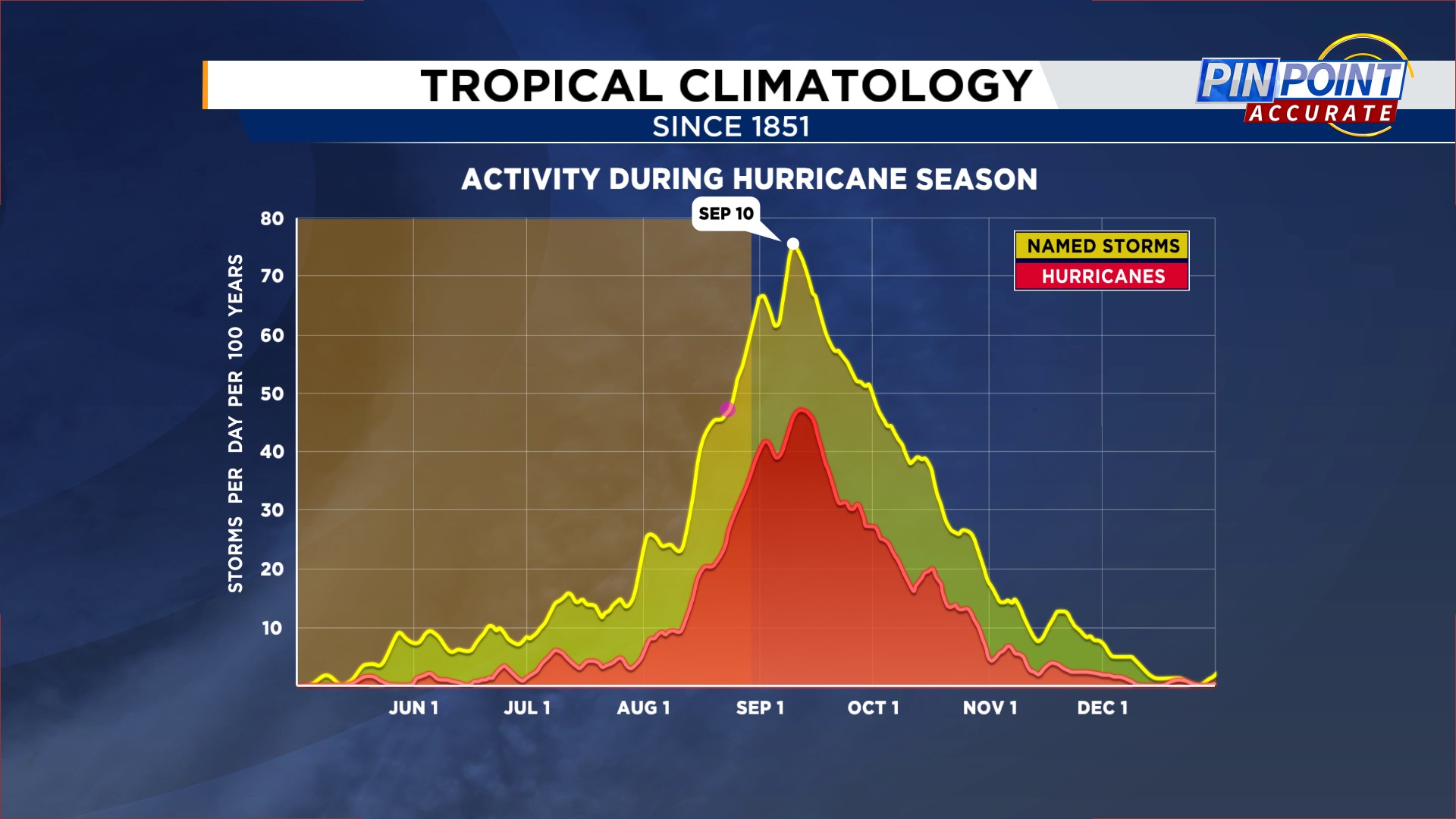
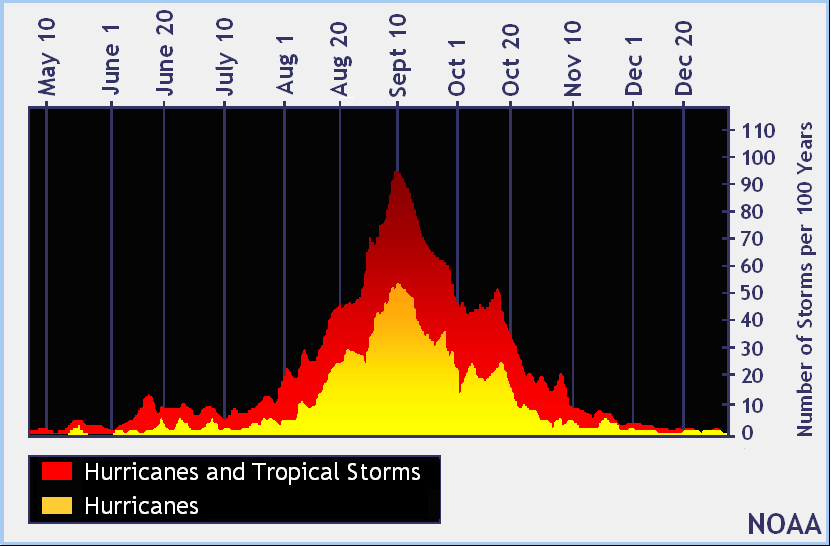
The Atlantic hurricane season officially runs from June 1st to November 30th. While this six-month period encompasses all potential storm activity, the peak of hurricane season in Florida typically occurs between mid-August and late October. During these months, the Atlantic Ocean and the Gulf of Mexico reach their warmest temperatures, providing the perfect fuel for tropical storm development.
When Does It Start and End?
The season begins on June 1st, marking the official start of the period when tropical cyclones are most likely to form. Early-season storms, often forming in June or July, tend to be weaker and less frequent. However, this doesn’t mean they should be underestimated. As the season progresses, the frequency and intensity of storms can increase.
The season officially concludes on November 30th. While rare storms can occur outside these dates, the likelihood significantly diminishes after November. It’s important to note that even in the “off-season,” Florida can experience significant weather events, but these are generally not classified as hurricanes.
The Peak of the Season
The most active period for hurricanes in Florida is generally considered to be from mid-August through October. During these months, sea surface temperatures are at their highest, providing ample energy for storms to form and intensify. This is also a time when atmospheric conditions are more conducive to the development and sustained strength of tropical cyclones.
- August: While the season is already underway, August typically sees an uptick in storm activity.
- September: This is statistically the busiest month for hurricanes in the Atlantic basin. The number of named storms and hurricanes often peaks in September.
- October: While activity often begins to wane in October, significant and powerful hurricanes can still form during this month. Historic storms have made landfall in Florida during October.
Understanding these peaks helps in planning travel, booking accommodations, and preparing for potential disruptions. For travelers, this might mean considering alternative dates or being extra vigilant with weather updates if traveling during these prime months. For those with a permanent residence, it emphasizes the importance of having a robust hurricane preparedness plan.
Factors Influencing Hurricane Activity
Several meteorological factors contribute to the formation and intensity of hurricanes. These include ocean temperatures, atmospheric pressure, wind patterns, and the presence of tropical waves.
Sea Surface Temperatures
Warm ocean waters are the primary engine for hurricanes. For a tropical storm to develop into a hurricane, sea surface temperatures generally need to be at least 80 degrees Fahrenheit (26.5 degrees Celsius) down to a depth of about 50 meters. The warmer the water, the more energy is available for the storm. The elevated temperatures throughout the summer and early fall in the Atlantic and Gulf of Mexico are why the peak of hurricane season coincides with these months.
Atmospheric Conditions
Beyond warm waters, specific atmospheric conditions are necessary for hurricanes to thrive. This includes:
- Low Vertical Wind Shear: Wind shear is the change in wind speed and direction with height. Low wind shear allows thunderstorms to organize and build vertically, which is essential for hurricane development. High wind shear can tear apart a developing storm.
- Moisture: Abundant moisture in the atmosphere is crucial for fueling thunderstorms.
- A Pre-existing Disturbance: Hurricanes typically form from pre-existing weather disturbances, such as tropical waves or areas of low pressure.
The interaction of these elements creates the perfect environment for tropical cyclones to form, intensify, and potentially threaten coastal areas like those found in Florida.
Preparing for Hurricane Season in Florida
Whether you are a local resident or a visitor planning an extended stay, preparation is key to navigating hurricane season safely. This involves staying informed, having a plan, and understanding the resources available.
Staying Informed and Monitoring Weather
The most critical aspect of hurricane preparedness is staying informed. Several reliable sources provide real-time updates and forecasts:
- National Hurricane Center (NHC): The NHC, part of the National Oceanic and Atmospheric Administration (NOAA), is the primary source for hurricane advisories, watches, and warnings. Their website and social media channels offer detailed information on storm tracks, intensity forecasts, and potential impacts.
- Local News and Emergency Management Agencies: Local television, radio stations, and county emergency management websites provide crucial information specific to your area, including evacuation orders and shelter locations.
- Weather Apps and Radios: Many reliable weather apps offer push notifications for hurricane alerts. A NOAA weather radio is also an invaluable tool, especially if power outages occur.
It is vital to pay attention to watches and warnings issued by the NHC. A hurricane watch means that hurricane conditions are possible within the specified area, usually within 48 hours. A hurricane warning means that hurricane conditions are expected within the specified area, usually within 36 hours, and preparedness actions should be taken.
Developing a Hurricane Preparedness Plan
A well-thought-out hurricane plan can significantly reduce stress and ensure safety during an event. This plan should include:
- Evacuation Routes and Shelters: Know your evacuation zone and identify pre-determined routes to safety. Research local shelters or have a plan for where you will go if an evacuation is ordered. For those staying in hotels, it’s wise to understand the hotel’s hurricane policy and emergency procedures. Many hotels in areas like Clearwater Beach or Naples have robust plans in place.
- Emergency Supplies: Assemble a disaster kit that includes essentials like water, non-perishable food, medications, a first-aid kit, flashlights, batteries, a multi-tool, sanitation items, and important documents. For a family trip, ensure the kit is adequately sized.
- Communication Plan: Establish a communication plan with family and friends. Designate an out-of-state contact person who can relay messages if local communication lines are down.
- Securing Your Property: For homeowners and renters, this involves securing windows and doors, bringing in outdoor furniture, and trimming trees. For vacationers, it means understanding any property management instructions or hotel guidelines.
Understanding Travel Insurance and Flexibility
When planning a trip to Florida during hurricane season, purchasing travel insurance that covers weather-related cancellations or interruptions is highly recommended. This can provide financial protection if your trip is significantly impacted by a storm, allowing you to rebook flights or accommodations without losing your entire investment.
Flexibility in travel dates can also be a significant advantage. If you have the option, consider scheduling your trip for the earlier or later parts of the season, or even just outside the official hurricane season. This can sometimes offer better weather and fewer crowds, especially in popular destinations like Key West or Tampa.
Beyond the Season: Year-Round Considerations
While hurricane season is a specific period, Florida experiences a subtropical climate year-round, with distinct seasons that influence travel and lifestyle.
Spring (March – May)
Spring in Florida is generally a delightful time to visit. The weather is warm and pleasant, with lower humidity than in the summer months. It’s an ideal period for exploring attractions like Disney World or Universal Orlando Resort, enjoying outdoor activities, and experiencing the vibrant local culture. However, this is also a popular time for “Spring Break,” so popular destinations can be crowded and accommodations, from budget-friendly hotels to luxury villas, may be more expensive.
Summer (June – August)
Summer in Florida is characterized by heat, humidity, and frequent afternoon thunderstorms. This is the start of hurricane season, though the most significant storm threats typically emerge later. It’s still a prime time for family vacations, especially to theme parks, but visitors should be prepared for the heat and the possibility of rain. Staying hydrated and seeking indoor activities during the hottest parts of the day is advisable.
Fall (September – November)
As mentioned, this is the peak of hurricane season, with the highest probability of tropical storm activity. However, September and October can also offer beautiful weather in between storm systems, with temperatures gradually cooling. If you plan to travel during this time, rigorous preparation and flexibility are essential. The allure of fewer crowds in some areas might be offset by the potential for severe weather.
Winter (December – February)
Winter is arguably the most pleasant time to visit Florida. The weather is mild and sunny, with lower humidity and cooler temperatures, especially in the northern parts of the state. This is a fantastic time for outdoor activities, exploring historical sites like St. Augustine, enjoying the beaches, and experiencing the state’s natural beauty. However, it’s also the peak tourist season, so expect crowds and higher prices for accommodations and flights.
In conclusion, while hurricane season from June 1st to November 30th is a crucial consideration for anyone visiting or living in Florida, understanding the nuances of this period, the peak activity, and the surrounding seasons allows for better planning. By staying informed, preparing adequately, and embracing flexibility, you can ensure that your Florida experience, whether it’s a luxurious resort stay, a family adventure, or a quiet getaway, is both safe and memorable, regardless of the time of year.
LifeOutOfTheBox is a participant in the Amazon Services LLC Associates Program, an affiliate advertising program designed to provide a means for sites to earn advertising fees by advertising and linking to Amazon.com. Amazon, the Amazon logo, AmazonSupply, and the AmazonSupply logo are trademarks of Amazon.com, Inc. or its affiliates. As an Amazon Associate we earn affiliate commissions from qualifying purchases.