
Planning a trip to the sun-drenched shores of Puerto Rico, a vibrant Caribbean gem, involves considering many factors, from finding the perfect resort to exploring historical landmarks. For many prospective visitors, understanding the island’s hurricane season is a crucial piece of the puzzle. While the idea of a tropical storm might seem daunting, informed planning can ensure a safe and enjoyable experience, even during these months. Puerto Rico, like many other islands in the Atlantic Ocean and the Gulf of Mexico, experiences an annual period of heightened tropical storm activity. This guide will provide an in-depth look at Puerto Rico’s hurricane season, offering insights into what travelers need to know to make the most of their visit, regardless of the time of year. From official dates and peak activity to essential preparedness tips and the resilience of its local culture, we aim to equip you with all the necessary information for a worry-free travel experience.
Understanding Puerto Rico’s Hurricane Season: Dates and Dynamics
The tropical paradise of Puerto Rico, a territory of the United States, is renowned for its breathtaking beaches, lush rainforests like El Yunque National Forest, and the historical charm of Old San Juan. However, its geographical location also places it within the hurricane belt, making it susceptible to tropical weather systems for several months each year. Knowing the official timeline and understanding the dynamics of these weather patterns is the first step in responsible tourism and travel planning.
The Official Calendar and Peak Activity
The official Atlantic hurricane season for Puerto Rico begins on June 1st and concludes on November 30th annually. This six-month window covers the period when tropical depressions, tropical storms, and hurricanes are most likely to form and impact the region. While storms can occur outside these dates, they are less common.
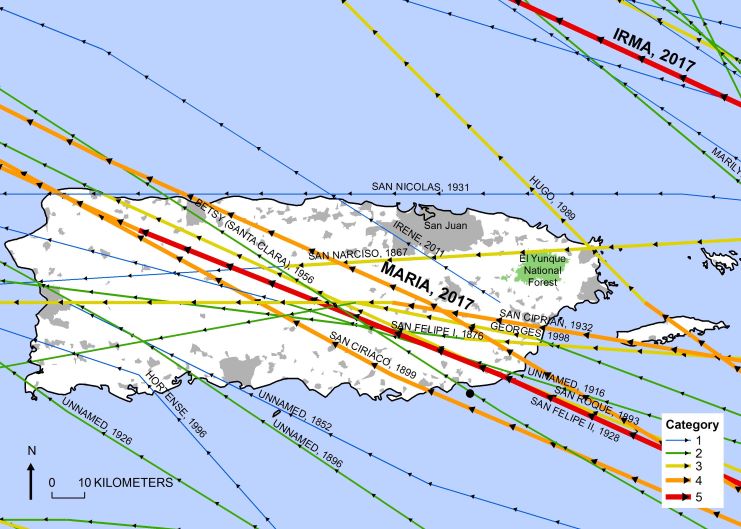
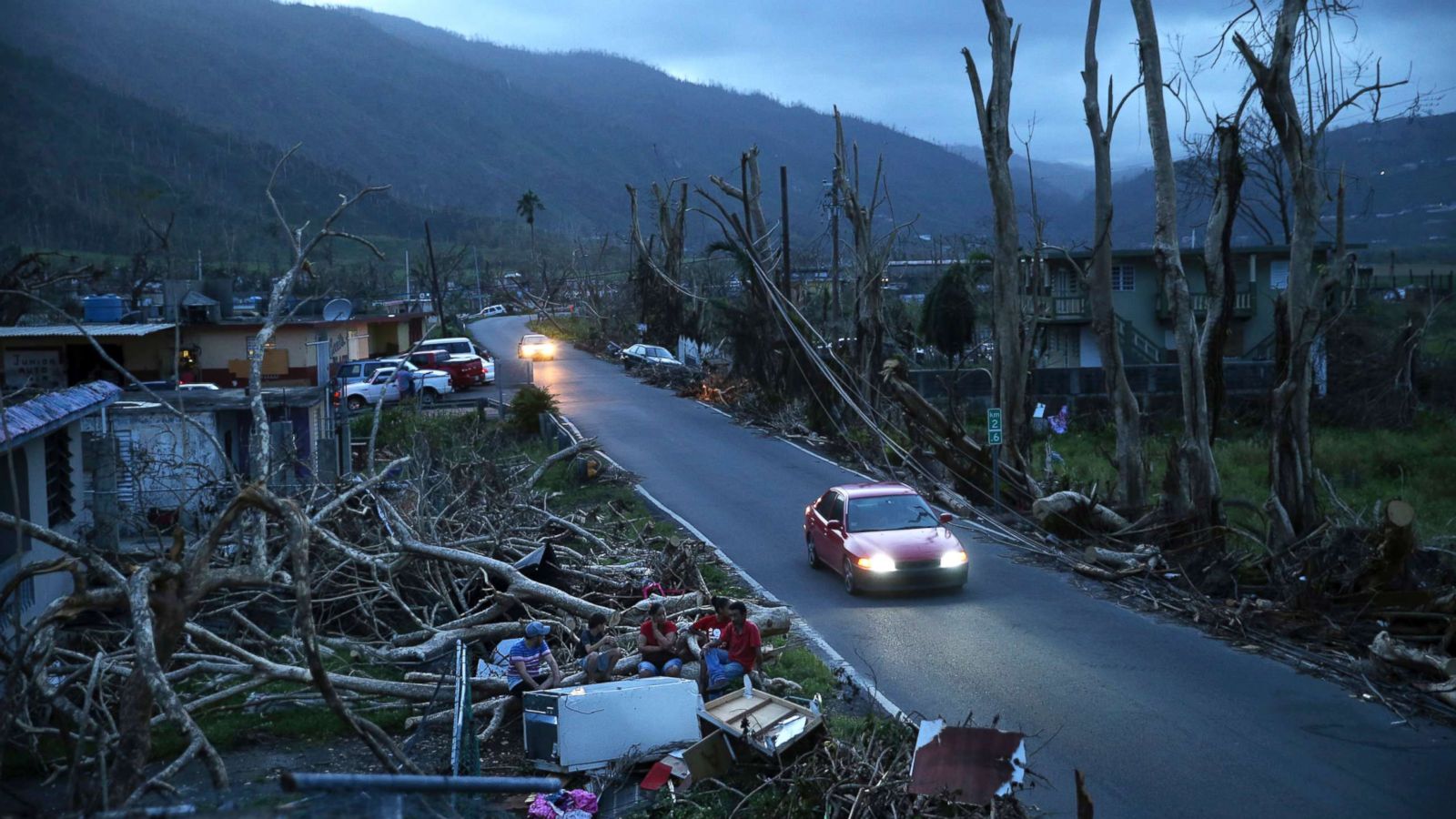
Within this season, there are distinct peak months when activity tends to be highest. Historically, mid-August through October represents the apex of hurricane season. During these months, ocean temperatures are at their warmest, providing the necessary energy for storm development, and atmospheric conditions are often more conducive to the formation of powerful systems. This doesn’t mean a storm is guaranteed, but the probability significantly increases. Travelers planning their stays during these months, whether at a luxury resort in Dorado or a charming boutique hotel in Old San Juan, should pay extra attention to weather forecasts and consider robust travel insurance policies. Major hurricanes, such as Hurricane Maria in 2017 and Hurricane Irma just before it, serve as stark reminders of the potential impact, though such severe events are statistically rare. The island has since made remarkable strides in recovery and preparedness, showcasing its enduring spirit and the warmth of its people.
Why the Caribbean is a Hotspot
Puerto Rico’s position within the Caribbean Sea is the primary reason for its vulnerability during hurricane season. Tropical storms and hurricanes typically form off the west coast of Africa or in the Caribbean Sea itself, drawing energy from the warm waters. These systems often track westward or northwestward, putting many Caribbean islands, including Puerto Rico, directly in their potential path.
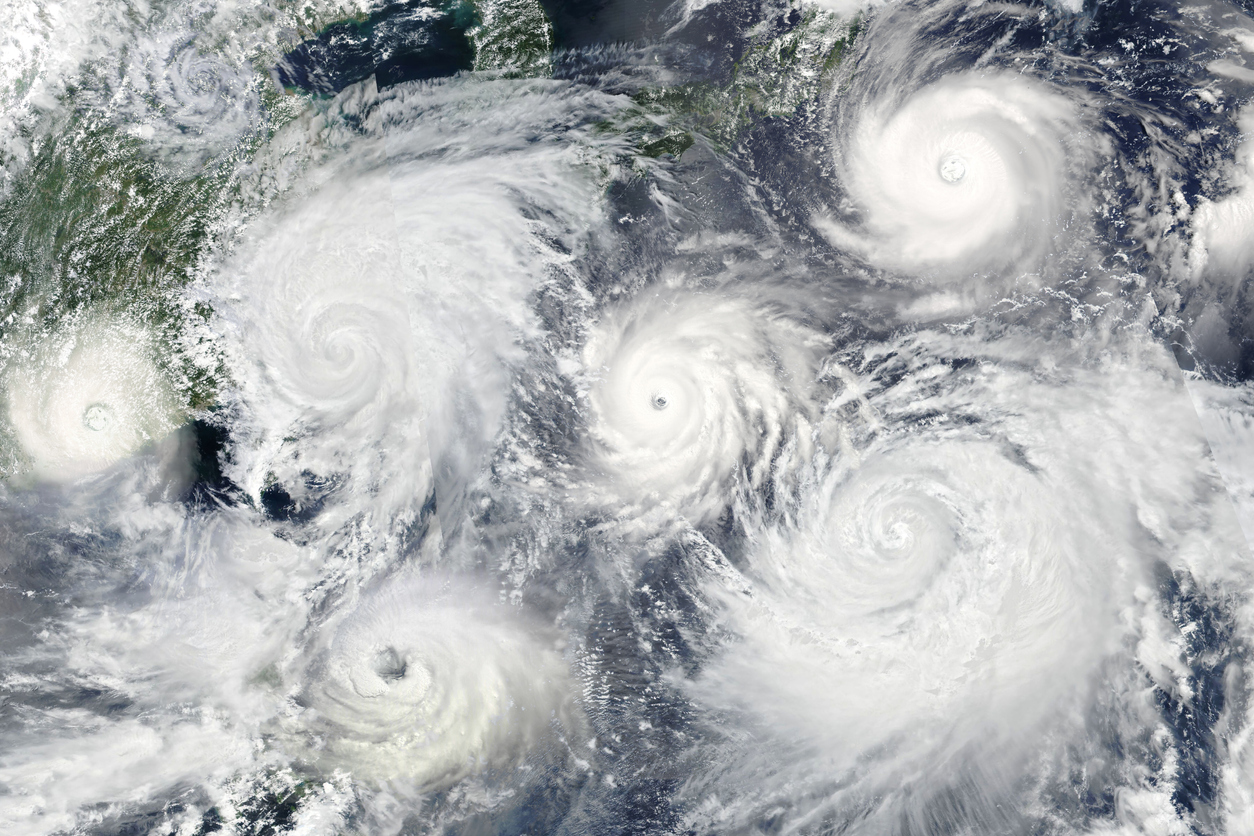
The climate patterns, including the easterly trade winds and areas of low pressure, contribute to this phenomenon. The warm waters of the Atlantic Ocean and Caribbean Sea act like fuel for these massive weather systems, allowing them to intensify rapidly. Furthermore, Puerto Rico’s mountainous terrain, particularly around El Yunque National Forest, can interact with incoming storms, sometimes enhancing rainfall and localized flooding, even from systems that don’t make a direct hit. The island’s infrastructure and emergency services are well-versed in preparing for and responding to these events, a testament to the comprehensive tourism tips and guides provided by local authorities and accommodation providers. Understanding these geographical and meteorological factors is key to appreciating the importance of preparedness when planning your Puerto Rico adventure.
Navigating Travel During Hurricane Season: Risks and Rewards
While the hurricane season might deter some travelers, others find it an opportune time to visit Puerto Rico. The period from June to November, especially the peak months, often presents a unique blend of potential challenges and distinct advantages. Deciding whether to embark on a lifestyle travel experience during this time requires a balanced understanding of both the risks and the rewards.
The Allure of Off-Peak Travel
Traveling to Puerto Rico during hurricane season, particularly outside the absolute peak, can offer several compelling benefits for a certain type of traveler. One of the most significant advantages is the reduced crowds. Popular attractions such as the historic forts of Castillo San Felipe del Morro and Castillo San Cristóbal in Old San Juan, or the pristine sands of Luquillo Beach, will likely be less crowded, allowing for a more intimate and relaxed experience. This off-peak period is ideal for those seeking tranquility away from the bustling high season.
Another major draw is the potential for lower prices. Airlines often offer more competitive fares, and many hotels and resorts across the island, from the upscale St. Regis Bahía Beach Resort in Rio Grande to charming apartments in Ponce, might have reduced rates and special packages. This makes a luxury travel experience more accessible, or enables budget travelers to stretch their dollars further. Furthermore, the overall atmosphere can be more laid-back, providing deeper opportunities to immerse oneself in the local culture, sample authentic Mofongo, or learn to dance Salsa at venues like La Placita de Santurce. For family trips, the quieter environment can also be a plus.
Essential Preparedness for Travelers
While the rewards of off-peak travel are appealing, thorough preparedness is paramount. The primary risk is, of course, the possibility of a tropical storm or hurricane disrupting your plans.
- Travel Insurance: This is perhaps the most critical tip for hurricane season travel. A comprehensive travel insurance policy should cover trip cancellations, interruptions, and medical emergencies, specifically including weather-related events. Be sure to read the fine print regarding “named storms” or “pre-existing conditions” for the storm.
- Monitor Forecasts Diligently: Before and during your trip, stay updated with weather forecasts from reputable sources like the National Hurricane Center (NHC) or NOAA (National Oceanic and Atmospheric Administration). Most hotels in areas like Condado and Isla Verde will also keep guests informed.
- Flexible Bookings: Whenever possible, choose flights and accommodation with flexible cancellation or rebooking policies. Many resorts and villas in Puerto Rico offer hurricane guarantees during the season, allowing guests to reschedule without penalty.
- Stay Connected: Ensure your phone is charged and you have a way to communicate. Inform family or friends of your travel plans and contact information for your hotel or apartment.
- Pack Smart: In addition to your regular vacation attire, consider packing essentials like a small first-aid kit, a portable power bank, and any necessary medications. Remember, even if a storm doesn’t hit, increased rain is common.
- Understand Hotel Protocols: Before booking, inquire about your chosen accommodation’s hurricane preparedness plan. Leading properties, such as the Ritz-Carlton or other established hotels in San Juan, often have detailed emergency procedures, including safe zones, food and water supplies, and evacuation plans for guests.
By taking these proactive steps, you can significantly mitigate the risks associated with hurricane season travel and still enjoy the unique charm of Puerto Rico.
Prioritizing Safety and Enjoyment: Resources and Resilience
Even with the best planning, unforeseen circumstances can arise. Understanding what to do if a storm threatens and recognizing the inherent resilience of Puerto Rico and its people are crucial for any traveler. The island’s commitment to tourism ensures that safety remains a top priority, supported by robust infrastructure and community efforts.
What to Do Before and During a Storm
If a tropical storm or hurricane watch or warning is issued during your stay in Puerto Rico, here’s a guide to ensure your safety and minimize disruption:
- Follow Local Authority Directives: Heed all instructions from local emergency management agencies and your hotel staff. They have the most up-to-date information and protocols.
- Contact Your Airline/Travel Provider: If flights are impacted, contact your airline immediately to discuss rebooking options. Your accommodation provider may also be able to assist with updated travel information.
- Secure Your Belongings: If you’re staying in a villa or apartment, bring any outdoor items inside. Hotels typically handle this for their guests.
- Stock Up on Essentials (if in independent accommodation): If not staying in a full-service hotel, ensure you have enough water, non-perishable food, and any necessary medications for a few days.
- Stay Indoors: During a storm, remain inside and away from windows. Most hotels will designate safe areas for guests. Do not venture out until authorities declare it safe.
- Stay Informed: Continue monitoring local news channels, radio, or official government websites for updates. Many hotels also provide direct communication channels to guests during such events.
- Be Patient: Post-storm recovery takes time. Infrastructure may be temporarily affected. The spirit of ‘¡Boricua!’ means the community works together to recover swiftly, and patience from visitors is greatly appreciated. Agencies like FEMA (Federal Emergency Management Agency) also play a role in supporting the island’s recovery efforts.
Beyond the Season: The Best Times to Visit
For those who prefer to completely avoid the hurricane season, or simply wish to enjoy Puerto Rico during its most predictably calm weather, the best time to visit is typically from mid-December through May.
- December to February: This period marks the high season. The weather is generally cooler, drier, and very pleasant, with average temperatures in the low to mid-80s Fahrenheit (27-30°C). It’s an excellent time for exploring landmarks like the Arecibo Observatory or enjoying the vibrant nightlife of San Juan. However, expect higher prices for flights and accommodation and larger crowds at popular spots such as Flamenco Beach on Culebra or the Bioluminescent Bays in Fajardo or Vieques.
- March to May: These months offer a sweet spot. The weather remains fantastic, with plenty of sunshine and comfortable temperatures, but the peak holiday crowds begin to thin out. Prices for hotels, resorts, and flights may be slightly lower than in the winter months, offering a balance between ideal weather and more manageable expenses. It’s perfect for a family trip or a romantic getaway without the intense humidity of summer. This shoulder season also provides excellent conditions for various activities like hiking in El Yunque or exploring the historic streets of Aguadilla.
Regardless of when you choose to visit, Puerto Rico stands as a testament to resilience and vibrant culture. Its people are warm and welcoming, its natural beauty captivating, and its heritage rich. With proper planning and an understanding of the local climate, a memorable travel experience awaits you at any time of the year. From luxurious suites with ocean views to budget-friendly guesthouses, the island caters to every lifestyle and preference, ensuring that your Puerto Rico adventure is everything you dreamed of and more.
LifeOutOfTheBox is a participant in the Amazon Services LLC Associates Program, an affiliate advertising program designed to provide a means for sites to earn advertising fees by advertising and linking to Amazon.com. Amazon, the Amazon logo, AmazonSupply, and the AmazonSupply logo are trademarks of Amazon.com, Inc. or its affiliates. As an Amazon Associate we earn affiliate commissions from qualifying purchases.