
Florida, the Sunshine State, beckons millions of travelers each year with its pristine beaches, vibrant cities, and world-class attractions. From the magical theme parks of Orlando to the Art Deco charm of Miami Beach, and the natural wonders of the Everglades, there’s an endless array of experiences waiting to be discovered. However, like any tropical paradise, Florida has a specific period each year known as hurricane season. For those planning a trip in 2025, understanding the nuances of this season is crucial for a seamless and enjoyable vacation. It’s not about avoiding Florida during these months entirely, but rather about informed planning, smart booking strategies, and a keen awareness of potential weather patterns. Our comprehensive guide will delve into what you need to know, combining insights on travel, accommodation, tourism, landmarks, and lifestyle considerations to help you prepare for your 2025 Florida adventure.
Understanding Florida’s Hurricane Season: Dates and Dynamics
For any traveler heading to the Sunshine State, a foundational understanding of hurricane season is paramount. It’s a period dictated by specific climatic conditions, and while it carries the risk of severe weather, it also presents unique opportunities for those who plan wisely.
The Official Calendar for Florida Hurricanes
The Atlantic Hurricane Season officially runs from June 1 to November 30 each year. This timeframe is consistent for 2025, just as it is for every year. During these six months, the conditions in the Atlantic Ocean, the Caribbean Sea, and the Gulf of Mexico are most conducive to the formation and intensification of tropical storms and hurricanes.
While the season spans half the year, historical data shows distinct peaks in activity. The months of August, September, and early October are typically the most active. This is when sea surface temperatures are at their warmest, providing the necessary fuel for storm development, and atmospheric conditions, such as low wind shear, are often most favorable. Traveling during the earlier part of the season, like early June, or the tail end in November, generally carries a lower statistical risk of encountering a major hurricane, though tropical activity can occur at any time within the designated window.
Hurricanes are complex meteorological phenomena driven by warm ocean waters (typically above 80°F or 26.5°C), moist air, and converging winds that create a sustained system of thunderstorms. Understanding these dynamics helps travelers appreciate why certain periods are more prone to activity and how to interpret forecasts from reliable sources like the National Hurricane Center (NHC).
Why Florida is Particularly Vulnerable
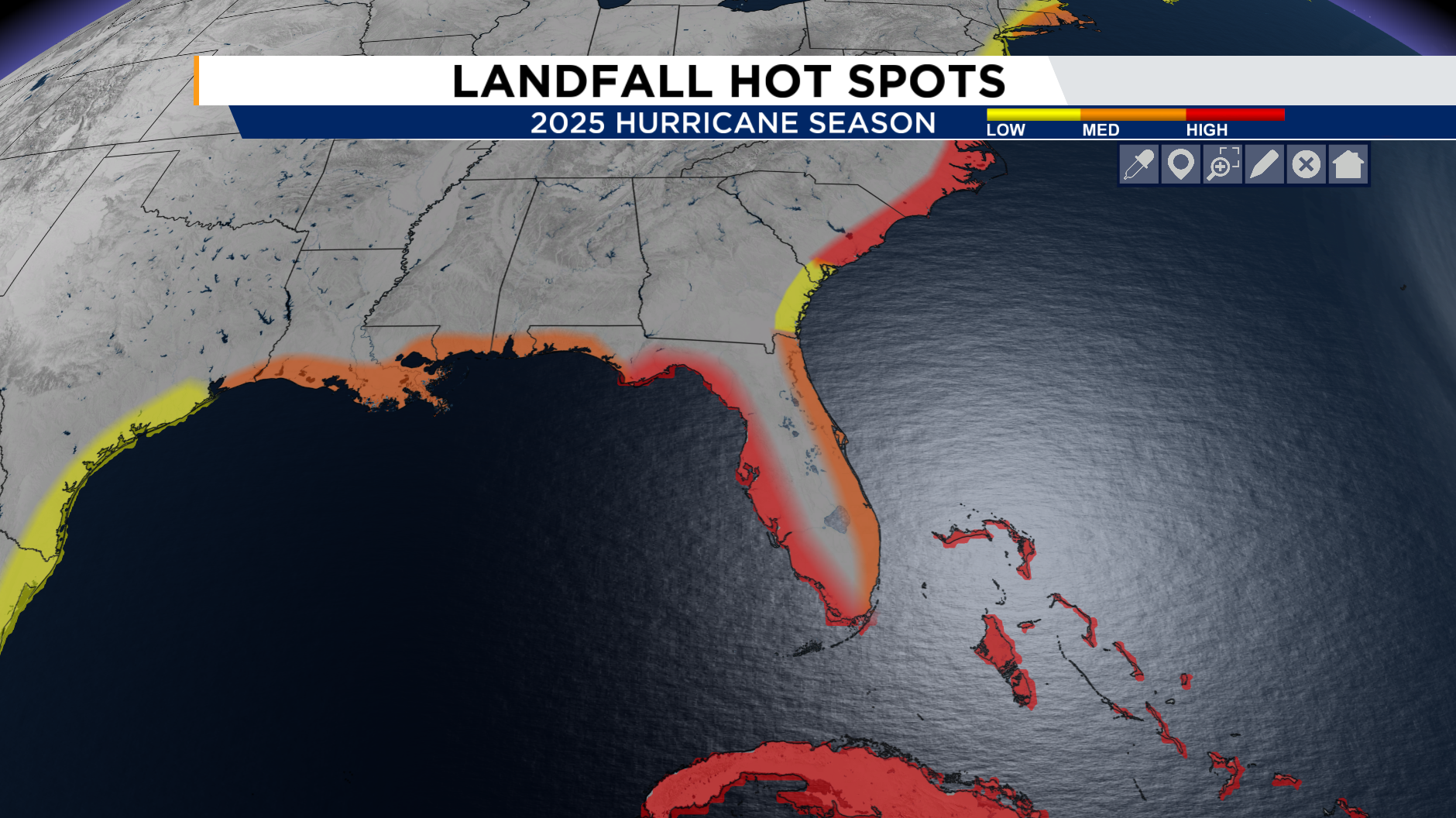
Florida’s unique geography makes it particularly susceptible to hurricane impacts. As a large peninsula jutting into tropical and subtropical waters, it is exposed on multiple fronts. The warm waters of both the Gulf of Mexico to its west and the Atlantic Ocean to its east act as a continuous energy source for developing storms.
Historically, Florida has faced more direct hurricane hits than any other U.S. state. This rich history has, however, fostered a strong culture of preparedness among residents, local governments, and businesses, including the robust tourism and accommodation sectors. Many hotels and resorts, particularly in coastal areas and major tourist hubs, have stringent emergency plans, hurricane-resistant infrastructure, and well-trained staff to ensure the safety of guests. This preparedness is a crucial factor for travelers to consider when booking their 2025 stays. From well-maintained evacuation routes to comprehensive communication systems, the state’s infrastructure is designed to mitigate risks and protect its visitors and residents alike.
Navigating Travel and Tourism in Florida During Hurricane Season
Planning a vacation during hurricane season requires a different approach compared to peak tourist months. It’s a balance of embracing potential benefits while mitigating the inherent risks.
Planning Your Florida Getaway: Weighing Risks and Rewards
One of the most compelling reasons to visit Florida during hurricane season is the potential for significant savings. As this period falls outside the traditional high season, you often find lower prices on flights, hotels, and even some attractions. Crowds also tend to be thinner, leading to shorter lines at theme parks, easier access to popular restaurants, and a more relaxed atmosphere at beaches and tourist sites. For budget-conscious travelers or those seeking a more tranquil experience, this can be a major draw.
However, the primary drawback is the unpredictability of the weather. While direct hurricane hits are relatively rare for any single location, tropical storms and heavy rain showers are more common. The key to successful travel during this time is flexibility and preparedness.
Travel insurance is not just an option; it’s a near-essential component of your travel plan. Look for policies that specifically cover weather-related cancellations or interruptions. Some premium policies, like “Cancel for Any Reason” insurance, offer even greater peace of mind, allowing you to change your plans regardless of the reason (though these often come with specific purchase deadlines and only reimburse a percentage of costs). When booking flights and accommodations, prioritize options that offer flexible cancellation or rebooking policies. Many airlines and hotels understand the unique challenges of hurricane season and provide more lenient terms during these months. Checking these details upfront can save considerable stress and financial loss should a storm threaten your travel dates.
Embracing Florida’s Diverse Attractions, Rain or Shine
Florida’s appeal extends far beyond its sunny beaches. Even if a tropical storm brings a few days of rain, there are countless indoor activities and attractions to explore. The state is renowned for its world-class theme parks, such as Walt Disney World Resort and Universal Orlando Resort, which often operate even during rain showers and have extensive indoor components, from rides to shows and dining experiences.
Beyond the theme parks, Florida boasts an impressive array of museums. In Miami, the Perez Art Museum Miami offers stunning contemporary art, while the Salvador Dalí Museum in St. Petersburg houses the largest collection of Dalí’s works outside Europe. Aquariums like the Florida Aquarium in Tampa and the Miami Seaquarium offer immersive marine life experiences. Large shopping malls across major cities provide ample entertainment, dining, and retail therapy.

Consider focusing your trip on destinations that are less exposed to direct coastal impacts or have robust inland infrastructure. Orlando, for instance, due to its central location, is often less directly impacted by storm surge than coastal cities like Naples or Fort Lauderdale, though it can still experience heavy rains and winds. Coastal attractions might temporarily close during severe weather, but inland options typically reopen quickly. Engaging with local culture through food tours, cooking classes, or exploring vibrant neighborhoods can offer enriching experiences even if outdoor plans need adjusting.
Smart Accommodation and Lifestyle Choices for Your 2025 Trip
Selecting the right place to stay and adapting your lifestyle expectations are key components of a successful hurricane season trip.
Securing Your Stay: Hotels, Resorts, and Rental Strategies
The choice of accommodation during hurricane season goes beyond aesthetics and amenities; safety and flexibility are paramount. Opting for reputable hotels and resorts is a wise decision. These establishments typically have well-practiced emergency protocols, backup generators, and staff trained to assist guests during adverse weather. Prior to booking, inquire about their specific hurricane policies, including cancellation and rebooking options. Understanding the fine print on cancellation clauses is crucial, especially regarding weather-related events. Booking directly with the hotel or resort can sometimes offer more flexibility than through third-party sites, as direct bookings may allow for easier communication and negotiation during emergencies.
Look for properties that boast hurricane-rated windows, reinforced structures, and reliable communication systems. Larger, full-service resorts, such as those found in Orlando, Miami, or Palm Beach, often have more extensive resources and on-site support compared to smaller hotels or individual vacation rentals. While vacation rentals can offer unique experiences and more space, they might not provide the same level of emergency support as a managed resort. For travelers seeking a balance, an apartment or villa within a resort complex can be an ideal solution, offering privacy with access to resort amenities and safety measures.
Cities like Miami, Fort Lauderdale, and Orlando offer a vast array of accommodation options, from luxury beachfront resorts to boutique hotels and budget-friendly suites. Each offers distinct advantages, but during hurricane season, assessing their resilience and guest support policies becomes a critical part of the decision-making process.
Lifestyle and Budget Considerations During the Off-Peak Season
Hurricane season aligns with what many consider Florida’s off-peak travel season, presenting significant opportunities for savvy travelers. For budget travelers, the potential for lower prices on airfare and accommodation can translate into substantial savings, allowing for a more extended stay or the chance to experience luxury amenities that might otherwise be out of reach. You might find incredible deals on suites or even whole villas at prices typically associated with standard hotel rooms.
Family trips during this time can benefit from fewer crowds at popular attractions, leading to a more relaxed and enjoyable experience. However, parents should plan for potential indoor activities on rainy days, packing games, books, or entertainment for children. Many resorts cater to families with extensive kids’ clubs and indoor play areas, which can be invaluable during inclement weather.
For business stays, hotels often have excellent facilities for remote work, including reliable Wi-Fi and conference rooms, and the reduced rates can make business travel more cost-effective. Furthermore, the quieter atmosphere can be conducive to productive work.
Even for luxury travel, hurricane season can offer unique advantages. High-end resorts, which are typically well-equipped with backup power, robust construction, and impeccable service, can provide a comfortable and secure sanctuary. These establishments often maintain their high standards of amenities and service, allowing guests to enjoy a premium experience despite potential weather concerns. You might find more personalized service due to fewer guests, and spa treatments or fine dining experiences can be particularly appealing on a rainy afternoon.
Regardless of your travel style, staying informed is critical. Keep an eye on local news, utilize reliable weather apps, and maintain open communication with your hotel or accommodation provider. Packing essentials like rain gear, a portable power bank for your devices, and a basic first-aid kit can also help ensure you’re prepared for any eventuality.
Preparing for the Unpredictable: Safety and Resources
While the odds of a direct hurricane hit on your specific travel dates in 2025 are low, preparedness is the cornerstone of a stress-free trip to Florida during hurricane season.
Essential Safety Tips for Travelers
The most important advice for any traveler during hurricane season is to stay informed.
- Monitor Weather Forecasts Daily: Regularly check updates from official sources like the National Hurricane Center (NHC) or trusted local meteorologists. Modern forecasting provides several days of lead time, allowing you to adjust plans if necessary.
- Understand Evacuation Routes: If you are staying in a coastal area, familiarize yourself with the designated evacuation routes for that region. Your hotel or rental property should be able to provide this information.
- Have a Communication Plan: Ensure your family and friends back home know your itinerary and how to reach you. Keep important contact numbers readily available.
- Keep Important Documents Accessible: Store passports, IDs, insurance papers, and booking confirmations in a waterproof bag that you can easily take with you.
- Listen to Authorities and Hotel Staff: In the event of a storm, local emergency services and your hotel management will issue specific instructions. Adhering to these directives is crucial for your safety and the safety of others. They are the most reliable source of real-time information and guidance.
- Stock Up on Essentials: If a storm is approaching, follow local advice on stocking up on water, non-perishable food, and any necessary medications. While hotels usually manage this, having personal supplies offers an added layer of readiness.

Key Resources and Apps for Florida Travelers
Staying connected to reliable information sources is vital.
- National Hurricane Center (NHC): The official source for tropical cyclone forecasts and advisories in the Atlantic. Their website (nhc.noaa.gov) is comprehensive and continuously updated.
- Florida Division of Emergency Management: This state agency provides localized information, preparedness guides, and real-time alerts. Their website is an excellent resource for state-specific guidance.
- Weather Apps: Download reputable weather apps such as MyRadar, AccuWeather, or The Weather Channel. Many offer push notifications for severe weather alerts in your specific location.
- Hotel Apps/Websites: Many major hotel chains have dedicated apps or guest portals that provide direct communication with the front desk and disseminate important updates, especially during emergencies. Ensure you have the necessary credentials for your accommodation.
- Local News Outlets: Tune into local Florida television and radio stations for the most current local weather information and emergency advisories.
While hurricane season in Florida for 2025 presents a unique set of considerations, it should not deter you from planning an unforgettable trip. By understanding the typical season dates, embracing smart travel and accommodation strategies, and prioritizing safety, you can enjoy all that the Sunshine State has to offer. The potential for fewer crowds and attractive deals makes it an appealing time for many, proving that with careful planning, a Florida vacation can be just as magical, even during the stormier months.
LifeOutOfTheBox is a participant in the Amazon Services LLC Associates Program, an affiliate advertising program designed to provide a means for sites to earn advertising fees by advertising and linking to Amazon.com. Amazon, the Amazon logo, AmazonSupply, and the AmazonSupply logo are trademarks of Amazon.com, Inc. or its affiliates. As an Amazon Associate we earn affiliate commissions from qualifying purchases.