
For travelers eyeing the sun-drenched beaches and vibrant attractions of Florida, understanding the nuances of its weather patterns is crucial. The Sunshine State is a perennial favorite, drawing millions to its diverse landscapes, from the thrilling theme parks of Orlando to the historic streets of St. Augustine and the bustling nightlife of Miami. However, a significant consideration for anyone planning a visit is the annual hurricane season. Knowing when it begins and, more importantly, when it concludes, can dramatically impact your travel experience, ensuring a smoother, safer, and more enjoyable getaway.
The official Atlantic Hurricane Season, which impacts Florida due to its proximity to the Atlantic Ocean, the Gulf of Mexico, and the Caribbean Sea, runs from June 1st to November 30th each year. This means that by December 1st, Florida is officially out of hurricane season, heralding a period of generally stable, drier, and cooler weather that many consider the absolute best time to visit. This guide delves into what the end of hurricane season means for your travel plans, offering insights into optimal visiting times, popular destinations, accommodation strategies, and lifestyle tips for experiencing Florida at its finest.
Understanding Florida’s Hurricane Season: Dates and Risks
Navigating the complexities of weather patterns is a key aspect of astute travel planning, especially when considering a trip to a destination like Florida, renowned for its tropical allure but also its vulnerability to hurricanes. Understanding the official dates and the inherent risks associated with the hurricane season is fundamental to making informed decisions about your vacation.
The Official Calendar and Peak Months
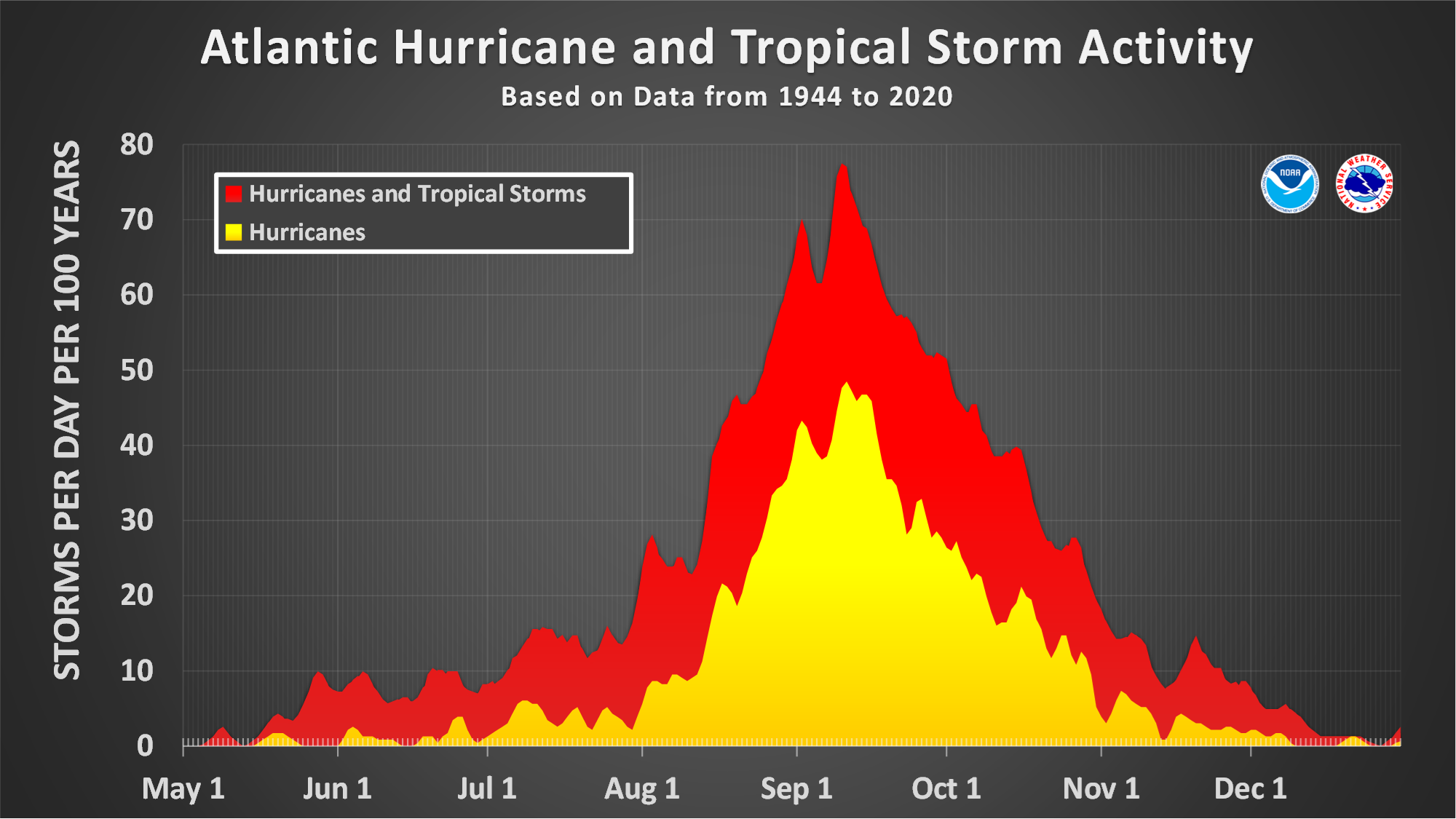
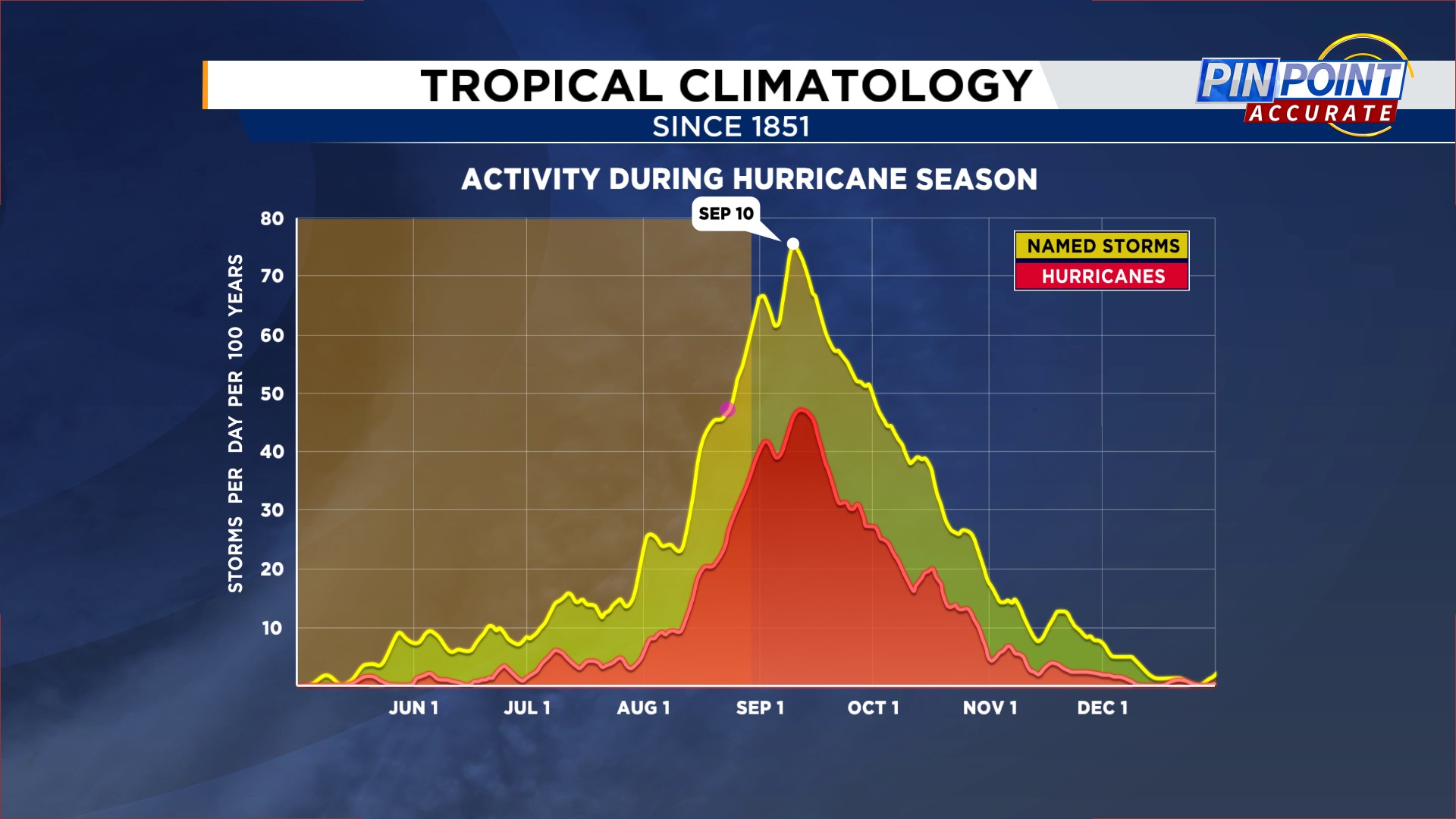
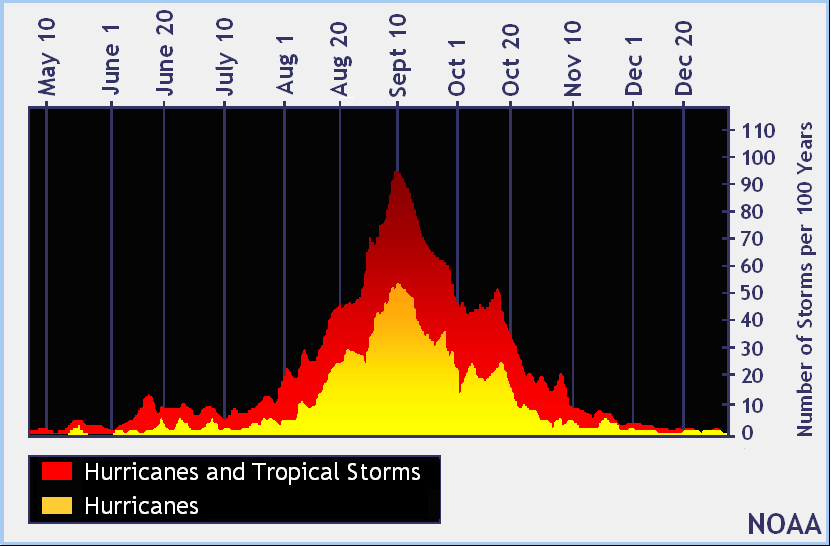
As established, the Atlantic Hurricane Season officially commences on June 1st and draws to a close on November 30th. While this six-month window defines the period when tropical storms and hurricanes are most likely to form, not all months carry the same level of risk. The peak of the season typically falls between mid-August and late October. During these months, atmospheric conditions in the Atlantic Ocean are most conducive to storm development, leading to an increased frequency and intensity of named storms.
For travelers, this means that while a June or early July trip might carry a lower, but still present, risk of hurricane activity, the chances significantly climb as you move into August, September, and early October. By late October and November, the risks generally begin to subside, even though the season hasn’t officially ended. The final weeks of November often present a transitional period, with lingering warm temperatures but a much-reduced likelihood of major storm threats.
Why Travel During Hurricane Season Can Be Risky
Choosing to travel during hurricane season, particularly during its peak, comes with several potential drawbacks that extend beyond merely encountering bad weather. While a direct hit from a major hurricane is relatively rare in any specific location, the broader impacts of a storm can still significantly disrupt your plans.
Firstly, there’s the obvious risk of severe weather. Even a tropical storm or a distant hurricane can bring days of heavy rain, strong winds, and rough seas, effectively shutting down outdoor activities and forcing visitors to stay indoors. This can be particularly disappointing if your Florida vacation hinges on beach days, theme park visits, or water sports.
Secondly, travel disruptions are a major concern. Hurricanes can lead to widespread flight cancellations, road closures, and suspensions of public transportation. This can result in travelers being stranded, experiencing significant delays, or even being unable to reach their destination. Evacuation orders, if issued, can be particularly stressful and logistically challenging for visitors unfamiliar with the area.
Thirdly, there’s the issue of accommodation availability and cost. While some might be tempted by lower prices during the hurricane season ‘off-peak,’ the potential for unexpected evacuations or cancellations means that hotels might not offer refunds, or finding last-minute alternative accommodation can be difficult and expensive. Furthermore, many resorts and attractions have specific hurricane policies that travelers need to understand. Travel insurance, while highly recommended for any trip during this period, needs to be purchased well in advance and meticulously reviewed to ensure it covers hurricane-related cancellations or interruptions. The memories of powerful storms like Hurricane Andrew in 1992 or Hurricane Irma in 2017 serve as stark reminders of the devastating potential of these weather events and their far-reaching impact on both residents and visitors.
The Sweet Spot: Best Times to Visit Florida
Once November 30th passes, a palpable sense of relief and optimism settles over Florida. The official end of hurricane season marks the beginning of what many locals and seasoned travelers consider the prime time to explore the Sunshine State. This period, generally spanning from December through May, offers a delightful combination of favorable weather, diverse activities, and a vibrant atmosphere.
Embracing the Post-Hurricane Season Charm
The transition out of hurricane season brings with it a noticeable shift in Florida’s climate. From December onwards, humidity levels drop significantly, creating a much more comfortable environment for outdoor activities. The air feels crisper, skies are often a brilliant, clear blue, and average daily temperatures range from the pleasant 60s Fahrenheit in northern and central regions to the comfortable 70s in South Florida. This idyllic weather is perfect for everything from lounging on the pristine sands of Clearwater Beach or Siesta Key to exploring the sprawling wetlands of Everglades National Park or navigating the charming streets of Key West.
Beyond the weather, the post-season months usher in a busy and exciting period for tourism. Holiday decorations adorn cities and theme parks, creating a festive atmosphere. Many annual festivals and events, from art shows in Sarasota to music festivals in Miami and cultural celebrations in St. Augustine, are scheduled during these months, taking advantage of the favorable conditions. This is when Florida truly shines, offering an unparalleled array of experiences without the underlying worry of impending storms.
Shoulder Seasons: Benefits for Budget and Experience
While the period from December to May is broadly considered prime time, savvy travelers often look to the ‘shoulder seasons’ within this window for additional benefits, particularly relating to budget and crowd avoidance. The shoulder seasons typically refer to the periods immediately before and after the absolute peak travel times, such as major holidays or spring break.
For instance, early December, right after the official end of hurricane season but before the major Christmas and New Year’s holiday rush, can be an excellent time to visit. The weather is fantastic, the hurricane risk is gone, and crowds are generally manageable, especially at popular attractions like Walt Disney World Resort or Universal Orlando Resort. You might also find better deals on flights and accommodation during this window.
Similarly, late April and May, after the spring break frenzy but before the intense summer heat and the start of the next hurricane season, present another attractive shoulder season. Temperatures are warm but not yet scorching, and while humidity begins to creep up, it’s still far more pleasant than in July or August. Crowds start to thin out, making it easier to enjoy popular spots and potentially securing more competitive rates on hotels and other services. Utilizing these shoulder seasons allows visitors to enjoy the benefits of Florida’s fantastic post-hurricane season weather and activities without always contending with the highest prices or largest crowds.
Planning Your Florida Escape: Destinations and Activities
Once you’ve pinpointed the ideal time to visit, the exciting part begins: mapping out your Florida adventure. The state is incredibly diverse, offering a spectrum of experiences to suit every interest, whether you’re seeking relaxation, adventure, culture, or family fun. Its appeal lies not just in its famous landmarks but also in its ability to cater to a variety of travel lifestyles.
Coastal Gems and City Adventures
Florida’s coastline is a treasure trove of picturesque beaches and vibrant cities. On the Atlantic side, Miami stands as an international hub of culture and style. Explore the pastel-hued buildings of the Art Deco Historic District in Miami Beach, immerse yourself in the Cuban rhythms of Little Havana, or indulge in luxury shopping and dining in areas like the Design District and Bal Harbour. Further north, Fort Lauderdale, often dubbed the “Venice of America” for its intricate canal system, offers a more relaxed yet sophisticated vibe, perfect for yachting and waterfront dining. Palm Beach and West Palm Beach offer exclusive resorts and high-end shopping, while St. Augustine provides a journey back in time with its historic Spanish architecture and charming cobblestone streets.
On the Gulf Coast, the cities of Naples and Sarasota exude an upscale, relaxed elegance, boasting pristine beaches, championship golf courses, and a thriving arts scene. Tampa, a bustling urban center, combines historic districts like Ybor City with modern attractions and a lively culinary scene. Nearby, Clearwater Beach and St. Pete Beach consistently rank among America’s best beaches, famed for their soft, white sands and calm, clear waters. The barrier islands of Sanibel Island and Captiva Island are world-renowned for shelling and tranquil natural beauty.
Don’t forget the unique charm of the Florida Keys, stretching southwest from the mainland. Key West offers a distinct blend of history, quirky character, and stunning sunsets, while adventures to Dry Tortugas National Park provide unparalleled snorkeling and historical exploration.
Theme Parks, Nature, and Cultural Experiences
No discussion of Florida travel is complete without mentioning its world-famous theme parks. Orlando is home to the magical Walt Disney World Resort, encompassing four major theme parks (Magic Kingdom, Epcot, Hollywood Studios, Animal Kingdom) and two water parks. Just a short drive away, Universal Orlando Resort boasts Universal Studios Florida and Islands of Adventure, famous for the Wizarding World of Harry Potter. Further west, Busch Gardens Tampa Bay offers thrilling rides and an extensive zoo experience. Visiting these parks outside of hurricane season often means more pleasant temperatures and a greater chance of enjoying outdoor attractions without interruption.
For nature enthusiasts, Florida is a paradise. Everglades National Park, a UNESCO World Heritage Site, offers unique airboat tours to spot alligators, crocodiles, and diverse birdlife. The pristine beaches of Amelia Island and Anna Maria Island provide serene natural settings for relaxation and wildlife viewing. The Space Coast is home to the Kennedy Space Center Visitor Complex, where you can witness space shuttle launches and delve into the history of space exploration.
Culturally, Florida offers rich experiences beyond its beaches and parks. St. Augustine’s colonial heritage, Miami’s Latin American influences, and the vibrant arts scenes in cities like Sarasota and West Palm Beach provide deep dives into diverse traditions, cuisines, and artistic expressions. Foodies can embark on culinary journeys through Florida’s diverse food scene, from fresh seafood shacks on the coast to farm-to-table experiences in Orlando and fine dining in Boca Raton or Delray Beach.
Accommodation and Travel Tips for a Smooth Florida Trip
Regardless of when you choose to visit, strategic planning around accommodation and general travel logistics is paramount for a seamless and enjoyable Florida vacation. With a plethora of options, from luxurious resorts to cozy vacation rentals, making informed decisions can elevate your entire experience.
Booking Smart: Finding the Perfect Stay
Florida’s hospitality sector is vast and varied, catering to every budget and preference. When planning your stay outside of hurricane season, especially from December to May, remember that this is a popular time, meaning demand for accommodation can be high.
- Book in Advance: For prime dates, particularly around holidays (Christmas, New Year’s, Easter, Spring Break) or during major events, securing your hotel or vacation rental several months ahead is highly advisable. Popular resorts like the Four Seasons Resort Orlando at Walt Disney World Resort or The Ritz-Carlton, Naples often sell out quickly.
- Consider Your Travel Style: Are you seeking a luxurious, amenity-rich experience at a resort like The Breakers Palm Beach or a more independent, home-like feel with a villa or apartment rental? Florida offers everything from sprawling, family-friendly resorts with multiple pools and activities to boutique hotels in historic districts and budget-friendly options near major attractions.
- Location, Location, Location: Decide whether you want to be directly on the beach, within walking distance of theme parks, or tucked away in a quiet neighborhood. In Orlando, staying at a Universal Orlando Resort hotel like Loews Portofino Bay Hotel offers perks like early park admission. In Miami, a hotel in South Beach puts you right in the heart of the action.
- Read Reviews and Compare: Utilize booking platforms and review sites to compare prices, amenities, and guest experiences. Look for properties that align with your expectations for service, cleanliness, and value.
Essential Travel Planning Advice
Beyond accommodation, several other elements contribute to a smooth Florida trip, particularly when you’re visiting in its prime season.
- Transportation: Florida is a large state, and a rental car is often essential for exploring beyond major city centers or theme park areas. Book your car in advance, especially during peak season, as availability can dwindle and prices can surge. For shorter stays focused on one city, ride-sharing services and public transport (like Miami’s Metromover) might suffice.
- Packing Essentials: Even in winter, Florida weather can be unpredictable. Pack layers, including lighter clothing for warm days and a sweater or light jacket for cooler evenings, especially in Central Florida and the Panhandle. Don’t forget sunscreen, sunglasses, hats, and comfortable walking shoes. Swimsuits are a must year-round.
- Stay Flexible: While it’s great to have an itinerary, leave some room for spontaneity. Florida often surprises with local events, impromptu festivals, or simply the allure of a new beach or restaurant to discover.
- Travel Insurance: While the direct threat of hurricanes is gone, travel insurance is always a wise investment. It can protect against unforeseen circumstances like medical emergencies, lost luggage, or non-hurricane related trip cancellations.
- Local Culture and Etiquette: Embrace the laid-back Florida vibe. Tipping is customary in restaurants, bars, and for service providers. Be mindful of wildlife, especially in natural areas like the Everglades or along the coast.
Beyond the Forecast: Experiencing Florida’s Unique Lifestyle
Florida isn’t just a destination; it’s a lifestyle, characterized by sunshine, relaxation, and a diverse blend of cultures. Its appeal extends beyond its attractions, offering distinct experiences tailored to various travel lifestyles, especially when visited during its most agreeable season.
Luxury vs. Budget: Tailoring Your Florida Vacation
Florida’s hospitality landscape is broad enough to accommodate every financial plan, from opulent luxury travel to savvy budget travel.
For those seeking the pinnacle of indulgence, Florida abounds with options. Experience five-star resorts in Miami Beach, Palm Beach, or Naples, offering private beaches, world-class spas, gourmet dining, and personalized concierge services. Think of properties like the Four Seasons Resort Orlando at Walt Disney World Resort for a high-end theme park experience or The St. Regis Bal Harbour Resort for exclusive coastal retreats. Private villa rentals in desirable areas like Coral Gables or Fisher Island offer privacy and bespoke amenities for an unforgettable luxury vacation. Exclusive yacht charters from PortMiami or Fort Lauderdale to the Bahamas or Mexico can also be arranged.
Conversely, Florida is highly accessible for budget travelers. Opt for economy hotels or motels outside of major tourist hubs, particularly in cities like Kissimmee near Orlando or inland from coastal areas. Utilize vacation rentals and apartments with kitchens to save on dining costs. Explore Florida’s numerous free attractions, such as its public beaches, state parks (often with minimal entrance fees), and vibrant city markets. Visiting during the shoulder seasons (early December or late April/May) can yield significant savings on both accommodation and flights while still enjoying superb weather. Consider packing picnics for beach days or exploring local diners for authentic, affordable meals.
Family-Friendly Fun and Romantic Getaways
Florida’s post-hurricane season offers the perfect backdrop for both unforgettable family trips and intimate romantic getaways.
For families, the mild, dry weather makes exploring Walt Disney World Resort, Universal Orlando Resort, or Busch Gardens Tampa Bay much more comfortable. Many resorts are designed with families in mind, offering kids’ clubs, multiple pools, and spacious suites. Beyond the theme parks, families can enjoy educational experiences at the Kennedy Space Center Visitor Complex, interact with marine life at various aquariums, or build sandcastles on the family-friendly shores of Anna Maria Island or Vero Beach. The lack of hurricane worries means less stress for parents and more predictable fun for children.
Couples seeking a romantic escape will find Florida equally enchanting. Imagine sunset cruises off Key West, intimate dinners overlooking Biscayne Bay in Miami, or secluded walks on the tranquil beaches of Sanibel Island. Many adult-only hotels and resorts cater specifically to couples, offering amenities like couples’ massages, private balconies with ocean views, and fine dining experiences. Explore the historic charm of St. Augustine with a horse-drawn carriage ride, or sip cocktails at a chic South Beach lounge. Florida’s diverse natural beauty, from the tropical forests of the Everglades to the stunning coastlines, provides a picturesque backdrop for creating lasting memories together.
In conclusion, understanding that hurricane season in Florida officially ends on November 30th is key to unlocking the state’s full potential as a premier travel destination. The subsequent months offer an unparalleled combination of delightful weather, vibrant activities, and peace of mind, making it the ideal period to experience everything from exhilarating theme park adventures to serene beach escapes and rich cultural immersions. By planning smartly and embracing the unique lifestyle Florida offers, travelers can ensure a trip that is not only memorable but also perfectly attuned to their desires and expectations.
LifeOutOfTheBox is a participant in the Amazon Services LLC Associates Program, an affiliate advertising program designed to provide a means for sites to earn advertising fees by advertising and linking to Amazon.com. Amazon, the Amazon logo, AmazonSupply, and the AmazonSupply logo are trademarks of Amazon.com, Inc. or its affiliates. As an Amazon Associate we earn affiliate commissions from qualifying purchases.