
The notion of “cold” in Texas is often met with a knowing smile by locals and a puzzled look by those from northern climates. While the Lone Star State is synonymous with sweltering summers and endless sunshine, it does, in fact, experience genuine cold weather, albeit on its own unique schedule and with significant regional variations. For travelers eager to experience a different side of Texas, or for residents simply wondering when to pull out their winter coats, understanding the nuances of the state’s colder months is key. Far from shutting down, Texas transforms into a vibrant hub of festive celebrations, cozy indoor retreats, and surprisingly robust outdoor adventures when the temperatures drop. This guide delves into the specifics of when you can expect the chill, what makes a Texas winter special, and how to best plan your travel and accommodation to fully embrace the state’s cooler season.
The Seasonal Shift: When to Expect Texas’s Chill
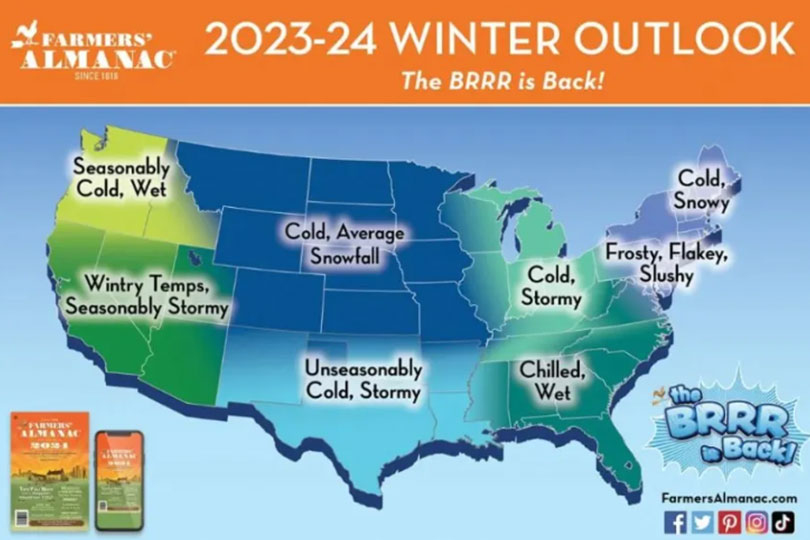
Texas’s vast geographical expanse means that “cold” can be a relative term, varying dramatically from the northern Panhandle to the southern Gulf Coast. Generally, the transition from blistering heat to cooler temperatures begins in late September or early October across much of the state, though true cold weather typically doesn’t settle in until later.
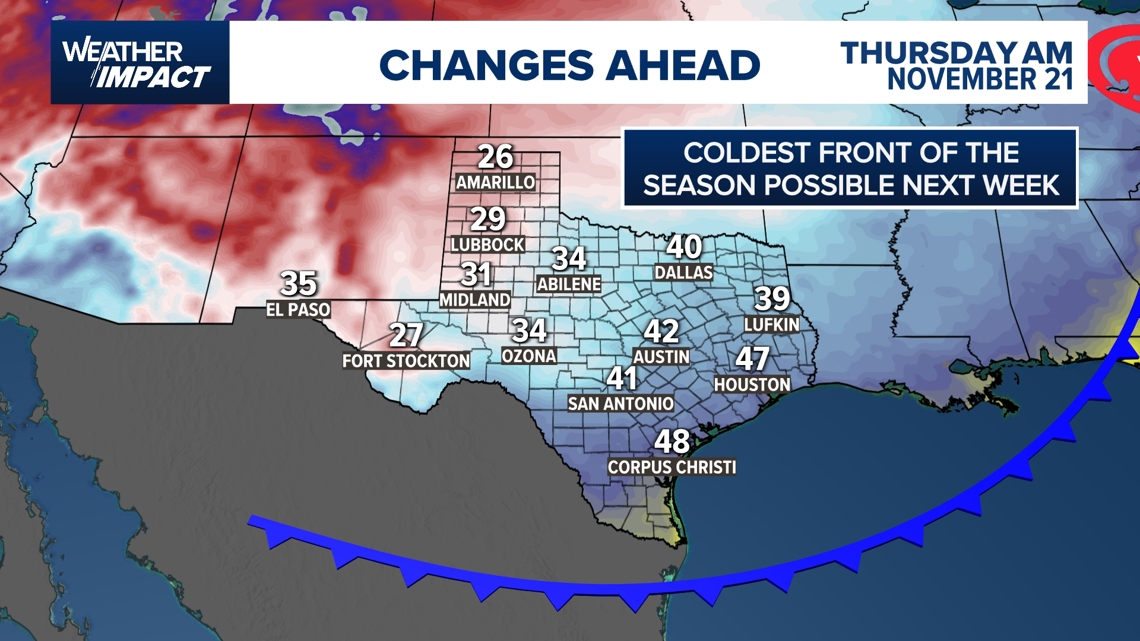
The first significant cold fronts, often heralded by the dramatic arrival of a “Blue Norther“, usually sweep through North Texas and the Panhandle in late October or early November. These fronts bring a sudden drop in temperature, sometimes by 20-30 degrees Fahrenheit in a matter of hours. By December, most of Texas is experiencing distinctly cool or cold weather. January is historically the coldest month, with average lows dipping below freezing in many northern and western areas, and staying comfortably cool even along the Gulf Coast. February typically remains chilly, with a gradual warming trend beginning towards the end of the month, though late-season cold snaps are not uncommon well into March.
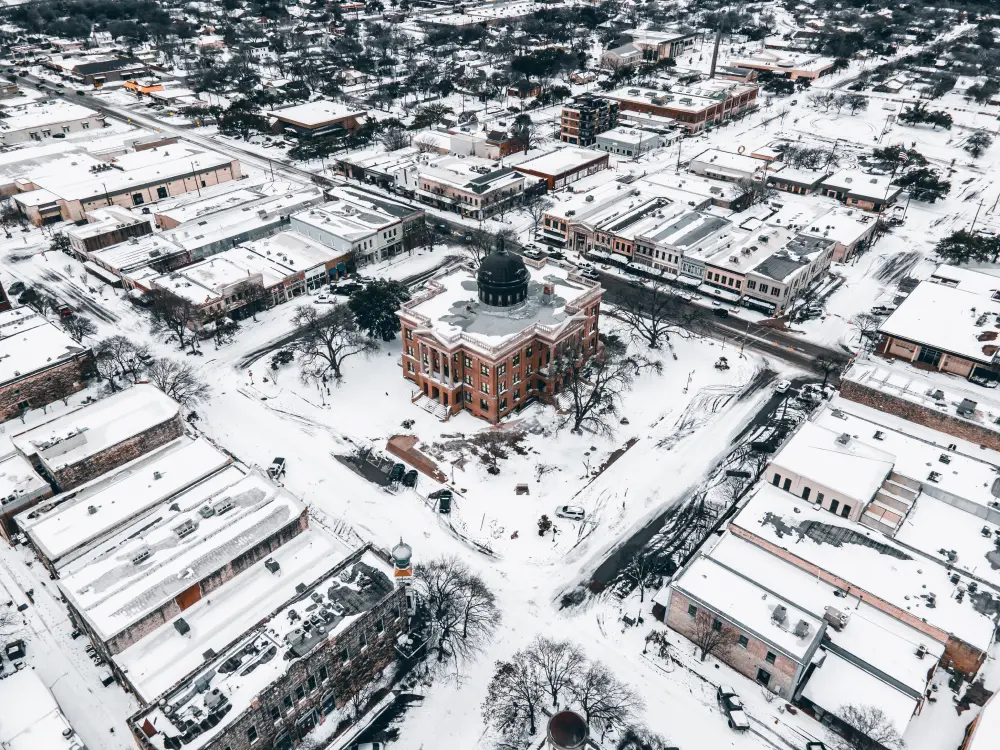
Snow is a rarer phenomenon, primarily confined to the Panhandle and parts of West Texas, where it can see several inches annually. Cities like Dallas and Fort Worth might receive a dusting or a light snowfall once or twice a winter, while Houston and San Antonio rarely see more than a trace. Ice storms, however, can be a concern across the northern and central parts of the state, potentially causing travel disruptions.
North vs. South: Regional Temperature Variations
The sheer size of Texas necessitates a closer look at regional weather patterns.
- Panhandle and North Texas: Areas like Amarillo, Lubbock, Dallas, and Fort Worth experience the most pronounced cold. Winter nights can frequently dip below freezing, and daytime highs often hover in the 40s and 50s Fahrenheit. These regions are also the most likely to see snowfall and icy conditions.
- Central Texas and the Hill Country: Cities such as Austin and San Antonio enjoy milder winters. While freezing temperatures are common at night, especially in January, daytime temperatures are usually in the 50s and 60s Fahrenheit, making it pleasant for outdoor activities. The Hill Country can see occasional light freezes.
- Gulf Coast and South Texas: Houston, Galveston, and South Padre Island experience the mildest winters. Freezing temperatures are rare, and daytime highs often reach the 60s and 70s Fahrenheit, occasionally even higher. This makes South Texas a popular destination for those seeking an escape from harsher northern winters. Even in January, one can often enjoy beaches or golf courses in these southern regions.
- West Texas: El Paso and regions near Big Bend National Park have dry, desert-like cold. Days are often sunny but crisp, with significant temperature drops at night. Snow is more common in mountainous areas like Guadalupe Mountains National Park.
Embracing the Chill: Unique Texas Experiences in Colder Months
While some might shy away from a colder Texas, savvy travelers know that winter unlocks a different kind of charm and a host of unique experiences. The absence of oppressive summer heat often makes it the ideal time to explore many of the state’s attractions.
Festive Celebrations and Cultural Events
The cooler months, particularly November and December, are a magical time in Texas as cities and towns come alive with holiday cheer.
- Holiday Lights and Festivals: Many cities host spectacular light displays. Dallas and Fort Worth boast multiple light parks like Enchant Christmas and Zoo Lights at the Dallas Zoo or Fort Worth Zoo. Austin’s Zilker Park Trail of Lights is an iconic annual tradition. San Antonio’s Riverwalk becomes a dazzling spectacle of illuminated cypress trees and barges. Moody Gardens in Galveston transforms into a winter wonderland with its Festival of Lights and ICE! sculptures.
- Christmas Capital of Texas: The city of Grapevine proudly claims this title, hosting over 1,400 events during the 40 days of Christmas. Visitors can enjoy ice skating, festive train rides, and elaborate decorations, making it a prime destination for family trips. The Gaylord Texan Resort & Convention Center in Grapevine is a destination in itself, known for its incredible holiday decor and activities.
- New Year’s Eve Celebrations: From fireworks over the San Antonio Riverwalk to lively parties in Austin’s music venues, Texas cities offer diverse ways to ring in the new year.
- Rodeos and Livestock Shows: As spring approaches, January and February mark the beginning of rodeo season. The Fort Worth Stock Show & Rodeo and the San Antonio Stock Show & Rodeo are major annual events, offering a taste of authentic Texas cowboy culture, complete with livestock competitions, live music, and thrilling rodeo action.
Outdoor Adventures (with a Twist)
While swimming in natural springs might be less appealing in winter, many outdoor activities become more enjoyable when the temperatures are moderate.
- Hiking and Biking: Exploring the majestic canyons of Palo Duro Canyon State Park or the rugged terrain of Big Bend National Park is far more comfortable without the scorching summer sun. The cooler air makes long treks through these Texas landmarks invigorating. Similarly, the numerous trails in the Hill Country offer stunning scenery and pleasant conditions for hikers and mountain bikers.
- Birdwatching: Winter is prime time for birdwatching, especially along the Gulf Coast, as many migratory birds choose Texas as their winter home. Places like Aransas National Wildlife Refuge (home to whooping cranes) and the Laguna Atascosa National Wildlife Refuge near South Padre Island become bustling havens for avian enthusiasts.
- Golf: While the northern parts of the state might see golf courses close occasionally due to frost, Central and South Texas remain excellent golf destinations year-round. The mild temperatures are perfect for a round on one of Texas’s many championship courses.
- Hunting and Fishing: Winter is a popular season for hunting in Texas, particularly for deer and wild hogs. Freshwater and saltwater fishing also remain popular, with cooler temperatures sometimes yielding better catches.
Culinary Comforts and Indoor Delights
When the weather does turn truly cold, Texas offers a wealth of indoor activities and hearty culinary experiences to warm you up.
- Museums and Galleries: Dallas’s Arts District boasts world-class institutions like the Dallas Museum of Art and the Nasher Sculpture Center, alongside the poignant Sixth Floor Museum at Dealey Plaza. Houston offers the Museum District with institutions such as the Museum of Fine Arts, Houston and the Houston Museum of Natural Science, not to mention Space Center Houston (the official visitor center for NASA’s Johnson Space Center). Fort Worth’s Cultural District features the Kimbell Art Museum, the Amon Carter Museum of American Art, and the Modern Art Museum of Fort Worth. San Antonio offers the historic Alamo and numerous missions, perfect for a deep dive into Texas history.
- Texas BBQ and Comfort Food: Nothing warms the soul quite like a plate of authentic Texas barbecue. Seek out legendary establishments in Austin, Lockhart, or Franklin, or explore the thriving culinary scenes in any major city. Chili, chicken-fried steak, and Tex-Mex are also perfect cold-weather comforts.
- Wineries and Breweries: The Texas Wine Trail in the Hill Country, particularly around Fredericksburg, is delightful in the winter. Enjoy tastings in cozy settings, often accompanied by live music. Craft breweries and distilleries are also abundant across the state, offering tours and warm, welcoming taprooms.
- Shopping and Entertainment: From high-end boutiques in Dallas to unique artisan shops in Gruene or Fredericksburg, retail therapy is always an option. Live music venues in Austin, theaters in Houston, and cowboy entertainment at the Fort Worth Stockyards National Historic District provide ample indoor entertainment.
Planning Your Winter Texas Getaway
Preparing for a cold-weather trip to Texas involves a slightly different approach than planning a summer excursion. Accommodation choices, packing, and destination selection all play a crucial role in ensuring a comfortable and enjoyable experience.
Packing Essentials for Texas Winters
Given the variability of Texas weather, layering is paramount.
- Versatile Outerwear: A medium-weight, waterproof or water-resistant jacket is essential. For the Panhandle or North Texas, a heavier coat might be needed, especially in January.
- Layers: Long-sleeved shirts, sweaters, and fleece jackets are perfect for adjusting to fluctuating temperatures throughout the day.
- Warm Accessories: A hat, gloves, and a scarf are advisable, particularly for early mornings, evenings, or if you plan to spend time outdoors in northern regions.
- Comfortable Footwear: Waterproof boots are a good idea if you anticipate rain or potential snow/ice, especially if exploring outdoor parks. Otherwise, comfortable walking shoes are sufficient for city exploration.
- Casual and Dressy Options: Depending on your itinerary, bring both casual attire for daytime excursions and something a bit dressier for evening dining or cultural events.
Choosing Your Winter Destination
Your ideal winter Texas destination will depend heavily on what kind of “cold” you’re looking for and what activities you prioritize.
- For a Classic Winter Feel (and potential snow): Head to the Panhandle cities like Amarillo or explore Palo Duro Canyon State Park. North Texas cities like Dallas and Fort Worth offer festive lights and robust indoor attractions with a genuine chill in the air. Consider staying at hotels like the Omni Fort Worth Hotel or the Hyatt Regency Dallas for convenient access to downtown amenities.
- For Mild Winter and Festive Charm: Austin and San Antonio are excellent choices. Enjoy the Riverwalk lights, historic missions, or Austin’s vibrant music scene. Boutique hotels such as Hotel Emma in San Antonio or The Driskill in Austin offer luxurious and cozy accommodation experiences.
- For Warmth and Coastal Escape: Houston, Galveston, and South Padre Island provide the warmest winter temperatures. Enjoy birdwatching, relatively mild beach strolls, or Galveston’s holiday attractions.
- For Nature and Hiking: Big Bend National Park is arguably best explored in winter, offering comfortable hiking temperatures and stunning desert landscapes. Be prepared for significant temperature swings between day and night.
No matter your preference, ensure your accommodation choice aligns with your travel style. From luxurious resorts like the Gaylord Texan Resort & Convention Center in Grapevine to charming Hill Country bed and breakfasts, Texas offers a diverse range of hotels, suites, and villas. Booking in advance, especially during the peak holiday season, is always recommended. Look for resorts with indoor amenities like heated pools or spas for ultimate winter relaxation, or consider apartments for a longer, more localized stay in a city like Waco, home to the famous Magnolia Market at the Silos.
While Texas may not be the first place that comes to mind for a traditional winter wonderland, its colder months offer a unique blend of seasonal charm, cultural richness, and diverse activities. From festive light displays and world-class museums to invigorating outdoor adventures and comforting culinary delights, the Lone Star State truly shines when the temperatures drop. So, pack your layers, choose your adventure, and discover the enchanting side of a Texas winter. It’s an experience that promises to surprise and delight, proving that cold weather in Texas is not just manageable, but wonderfully memorable.
LifeOutOfTheBox is a participant in the Amazon Services LLC Associates Program, an affiliate advertising program designed to provide a means for sites to earn advertising fees by advertising and linking to Amazon.com. Amazon, the Amazon logo, AmazonSupply, and the AmazonSupply logo are trademarks of Amazon.com, Inc. or its affiliates. As an Amazon Associate we earn affiliate commissions from qualifying purchases.