
For anyone planning a trip, considering a move, or simply curious about the natural phenomena impacting the Lone Star State, understanding when Texas experiences its hurricane season is paramount. This knowledge isn’t just for coastal residents; it profoundly influences travel plans, accommodation choices, and overall tourism experiences across the state, especially concerning its vibrant coastal communities and even inland cities that can feel the ripple effects of a major storm. From the bustling shores of Galveston to the tranquil beauty of South Padre Island, hurricane season introduces a period of heightened awareness and potential disruption, but also offers unique insights into the resilience and preparedness that define Texas living.
This comprehensive guide delves into the specifics of Texas’ hurricane season, offering insights for travelers, residents, and anyone looking to navigate the state responsibly and enjoyably. We’ll explore the official dates, the dynamics of storms impacting the Gulf Coast, and crucial strategies for planning your lifestyle and travel around this annual weather event. Whether you’re seeking luxury accommodations with robust contingency plans or budgeting for an adventurous road trip, being informed is your best defense against the unpredictable nature of tropical weather. Our aim is to provide you with the knowledge to make informed decisions, ensuring your Texas experience is as safe and memorable as possible, no matter the season.
Understanding Texas’ Hurricane Season: Dates and Dynamics
The Gulf Coast of the United States, including the entire Texas coastline, is an active region for tropical cyclone development. Understanding the precise window of this activity, along with the underlying meteorological factors, is crucial for anyone engaging with coastal tourism or considering a stay in Texas during these months. This section will break down the official hurricane season dates and elaborate on why the Texas coast is particularly susceptible to these powerful weather systems.
The Official Window: June to November
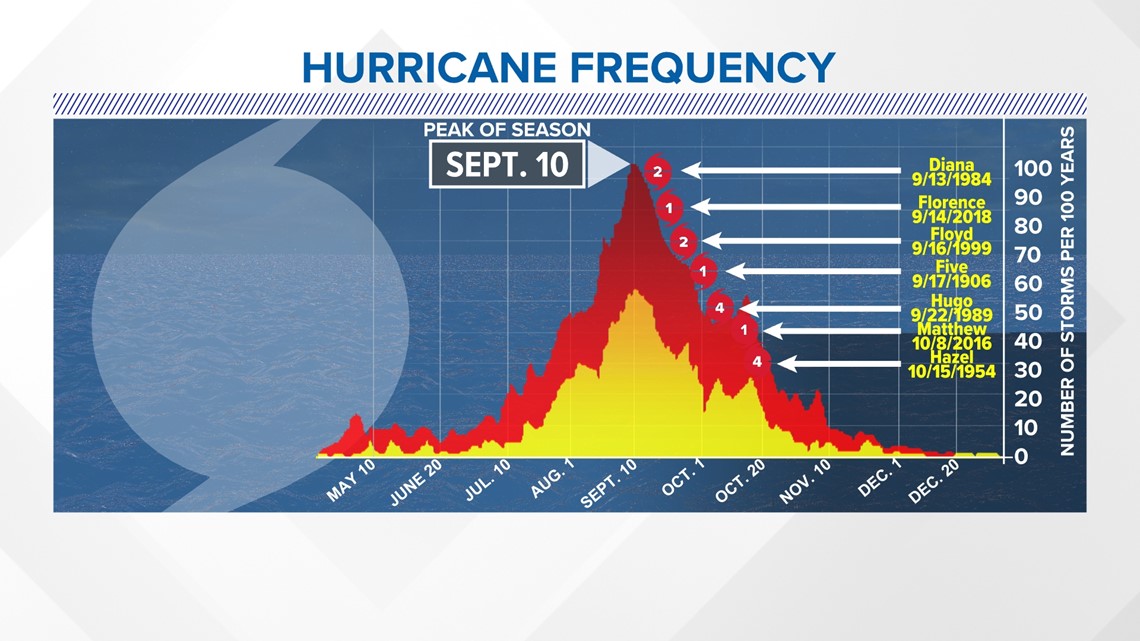
The official Atlantic Hurricane Season, which directly impacts Texas due to its proximity to the Gulf of Mexico, runs annually from June 1st to November 30th. During this six-month period, the conditions in the Atlantic Ocean and the Caribbean Sea become conducive to the formation of tropical depressions, tropical storms, and hurricanes. While storms can occasionally form outside of this window, the vast majority occur within these dates, with peak activity typically observed from late August through September. For travelers, this means that any plans involving coastal Texas — be it for beach vacations, fishing trips, or exploring historic port cities — during these months should include a heightened awareness of weather forecasts and preparedness measures. Resorts and hotels along the coast, from high-end luxury suites to more budget-friendly accommodations, often adapt their booking policies and amenities to account for the season, sometimes offering flexible cancellation options or even hurricane guarantees. Engaging with the tourism sector during these months requires a slightly different approach, prioritizing flexibility and safety over rigid itineraries.
The Gulf Coast’s Vulnerability
The Texas coastline stretches for over 370 miles along the Gulf of Mexico, making it inherently vulnerable to tropical weather systems. The warm waters of the Gulf provide the necessary fuel for these storms to strengthen, often rapidly, as they approach land. Cities like Galveston, Corpus Christi, Port Aransas, and South Padre Island are on the front lines, experiencing direct impacts ranging from storm surges and heavy rainfall to strong winds and flooding. Even inland cities like Houston, situated just miles from the coast, can suffer significant flooding due to massive rainfall, as famously demonstrated by Hurricane Harvey in 2017.
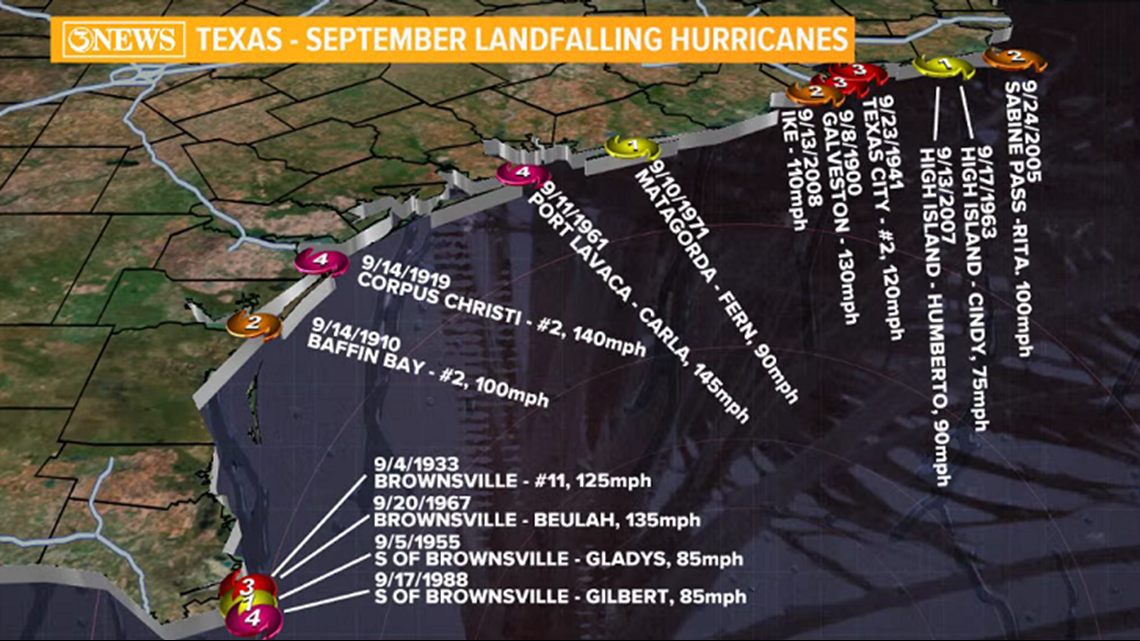
Historically, Texas has a long and often tragic relationship with hurricanes, most notably the devastating Galveston Hurricane of 1900, which remains the deadliest natural disaster in United States history. This history underscores the importance of stringent building codes, advanced warning systems, and robust emergency response plans throughout the region. For visitors, understanding this vulnerability means acknowledging that while Texas offers incredible coastal attractions, from the beaches of Padre Island National Seashore to the historic Pleasure Pier in Galveston, it also demands respect for its powerful natural environment during these months. Hotels and resorts in these areas are often built to withstand severe weather and have well-rehearsed evacuation procedures. When booking accommodation, especially in prime coastal areas, it’s wise to inquire about their specific hurricane preparedness plans.
Navigating Travel During Hurricane Season: Risks and Rewards
Traveling to Texas during hurricane season presents a unique set of challenges and considerations. While the allure of fewer crowds and potentially lower prices might tempt some, the risks associated with tropical weather cannot be overlooked. This section provides a balanced view, detailing the potential impacts on your travel plans and offering strategic advice to mitigate these risks, ensuring a safer and more enjoyable experience.
Potential Impacts on Your Texas Getaway
The primary risk of traveling during hurricane season is, of course, the direct impact of a hurricane or tropical storm. Even a distant storm can cause significant disruption. Flight disruptions are common, with airlines cancelling flights to and from affected airports in Texas and neighboring states like Louisiana and Florida. This can lead to stranded travelers, missed connections, and significant changes to itineraries. Similarly, road closures due to flooding or fallen debris can impede ground travel, making it difficult to reach destinations or evacuate safely. Major interstates leading to and from coastal areas, such as I-45 to Galveston or US-181 to Corpus Christi, can be shut down.
Beyond transportation, hotel cancellations and attraction closures are significant concerns. Coastal hotels and resorts, including popular establishments like Hotel Galvez in Galveston or The San Luis Resort, may be forced to close for days or weeks for safety or repairs. Theme parks like Schlitterbahn Galveston Island Waterpark and educational landmarks such as Moody Gardens will cease operations. This not only impacts leisure travelers but also business stays, potentially disrupting conferences and events. Furthermore, even if your chosen destination avoids a direct hit, secondary effects like heavy rainfall can lead to widespread flooding, affecting outdoor activities, tours, and cruises, transforming a planned beach vacation into an unexpected indoor retreat. The overall tourism experience can be significantly diminished, turning dream trips into logistical nightmares if not adequately prepared for.
Preparing for the Unexpected: Smart Travel Strategies
Mitigating the risks of hurricane season travel involves proactive planning and flexibility. One of the most critical steps is investing in travel insurance. Policies that cover trip cancellation, interruption, and delays due to natural disasters can be a lifesaver, reimbursing non-refundable expenses for flights, accommodations, and activities. It’s crucial to read the fine print, as some policies may exclude coverage if a storm is already named before purchase.
Flexible bookings are another smart strategy. Look for airlines, hotels, and car rental companies that offer free cancellation or the option to change dates without penalty. Many major hotel chains like the Hyatt Regency Dallas or Omni Austin Hotel Downtown, even those further inland, understand the seasonal risks and may offer more lenient terms during the hurricane window. Prioritize accommodations that explicitly state their hurricane policies on their websites.
Monitoring weather updates from reliable sources like the National Hurricane Center (NHC) is essential. Staying informed allows you to make timely decisions about adjusting or canceling your trip. Many local news outlets in Texas also provide real-time updates and emergency information. Preparing a small emergency kit with essentials like medications, a first-aid kit, non-perishable snacks, and important documents can also be beneficial, especially if traveling by car. Finally, having a contingency plan for alternative activities in a different part of the state, such as exploring the vibrant city life of Austin or the historic charm of San Antonio, can turn a potentially ruined trip into a delightful detour. By adopting these strategies, you can transform the uncertainties of hurricane season travel into a manageable and even rewarding adventure.
Beyond the Storm: The Best Times to Experience Texas
While hurricane season demands careful planning, Texas offers incredible travel experiences year-round, with specific seasons shining brightest for different types of adventures. Understanding the rhythm of the state’s climate outside of the peak storm months allows travelers to fully embrace the diverse landscapes and vibrant culture without the added worry of tropical weather. This section highlights the optimal times to visit, ensuring pleasant weather for exploring everything from bustling cities to serene national parks.
Spring and Fall: The Golden Windows for Texas Travel
For many, the sweet spots for visiting Texas fall outside the hurricane season, specifically during the spring (March to May) and fall (October to November). These seasons offer the most agreeable weather conditions, characterized by mild temperatures, lower humidity, and generally clear skies.
Spring in Texas is a spectacle of nature, with wildflowers like bluebonnets transforming the rolling hills into blankets of color. It’s an ideal time for scenic drives through the Texas Hill Country, exploring charming small towns, and enjoying outdoor festivals. Cities like Austin buzz with live music, events on Sixth Street, and a thriving food scene. San Antonio offers perfect weather for strolling along the River Walk and visiting historical landmarks like The Alamo without the oppressive summer heat.
Fall in Texas, particularly October and early November, provides a delightful continuation of pleasant weather. As temperatures cool, it’s prime time for exploring the vast wilderness of Big Bend National Park or enjoying the vibrant urban landscapes of Dallas, with attractions like Klyde Warren Park and the historic Southfork Ranch. Fewer crowds compared to the summer months mean easier access to popular attractions and often more competitive rates for hotels, from luxury resorts to boutique apartments, making it a budget-friendly option for those seeking quality experiences. Both seasons offer a harmonious blend of comfortable exploration, cultural immersion, and natural beauty, making them the preferred times for a comprehensive Texas experience.
Coastal Escapes Outside Peak Season
While the summer months (July and August) often coincide with the warmest Gulf of Mexico waters and thus attract beachgoers, the sweet spot for enjoying Texas’ coastal gems without the highest hurricane risk is typically late spring (April-May) and early fall (late September-October). During these periods, the ocean temperatures are still inviting for swimming and water sports, but the oppressive humidity of mid-summer lessens, and the likelihood of tropical storm formation is reduced compared to the peak hurricane months.
Destinations like Galveston, with its historic architecture, beautiful beaches, and family-friendly attractions like Moody Gardens, are particularly delightful during these transitional months. Resorts such as The San Luis Resort on Galveston Island offer a luxurious escape with stunning Gulf views, and exploring the Strand Historic District becomes a pleasant experience. Similarly, Corpus Christi, known as the “Sparkling City by the Sea,” offers pristine beaches, windsurfing, and cultural attractions like the USS Lexington Museum and the Texas State Aquarium in comfortable conditions.
South Padre Island, a popular resort town known for its stunning white-sand beaches and diverse wildlife, is also a fantastic choice in late spring or early fall. The crowds thin out after spring break, and before the peak summer rush, offering a more serene experience for wildlife viewing, kayaking, or simply relaxing on the beach. Many accommodations, from lavish beachfront villas to charming apartments, offer attractive rates during these shoulder seasons, providing excellent value for a serene coastal escape. This strategic timing allows visitors to fully immerse themselves in Texas’ coastal beauty, combining optimal weather with reduced risk and often better deals on travel and accommodation.
Making the Most of Your Texas Adventure: A Lifestyle Perspective
Planning a trip to Texas involves more than just picking a destination; it’s about crafting an entire lifestyle experience. This is especially true when considering the nuances of hurricane season. From selecting the right accommodation to embracing local culture and activities, a thoughtful approach ensures that your Texas adventure is not only enjoyable but also aligned with your personal preferences and safety considerations.
Accommodation Choices and Booking Wisdom
When it comes to accommodation in Texas, especially during potentially risky months, choices matter. Travelers seeking luxury travel might opt for high-end resorts and hotels that boast robust hurricane preparedness plans, often including emergency generators, fortified structures, and comprehensive guest communication protocols. These establishments, such as The Post Oak Hotel at Uptown Houston or Hotel Emma in San Antonio, often provide enhanced amenities and services that can make a difference in unexpected situations. For budget travel, smaller hotels, motels, or vacation rentals might be more appealing, but it’s crucial to thoroughly check their cancellation policies and reviews regarding their handling of emergencies.
Booking directly with hotels can sometimes offer more flexibility than third-party booking sites, especially when negotiating changes due to unforeseen weather. Always inquire about their specific “hurricane guarantee” or cancellation policy before confirming. Utilize online reviews and comparison sites not just for pricing and amenities (like pools, spas, or pet-friendly options), but also for insights into past guest experiences during severe weather. This can provide invaluable information about a property’s reliability and customer service under stress. Whether you’re considering a short-term stay or a long-term stay, understanding the nuances of your accommodation choice during hurricane season can significantly impact the quality and safety of your trip. Consider resorts with multiple on-site dining and entertainment options, providing self-sufficiency if outside activities are temporarily curtailed.
Embracing Local Culture and Alternative Activities
Part of the charm of traveling to Texas is immersing oneself in its rich local culture and diverse activities. Even during hurricane season, or when planning around its peak, there are myriad ways to experience the state. If coastal trips seem too risky, exploring inland attractions can be a fantastic alternative. Cities like Austin, the “Live Music Capital of the World,” or Dallas, a hub for arts and commerce, offer vibrant food tours, world-class museums, historical sites, and thriving art scenes that are largely unaffected by coastal weather. Consider visiting the Dallas Arts District or attending a show at the Bass Performance Hall in Fort Worth.
For family trips, attractions like Space Center Houston in Houston (also known as Space City), or the numerous state parks and natural wonders like Enchanted Rock State Natural Area (though check for potential closures due to rain, not hurricanes directly) offer engaging experiences away from the immediate coastal threat. For those on business stays, securing accommodation further inland or in cities known for their robust infrastructure can minimize disruptions. Embrace the opportunity to delve into Texas’ diverse offerings beyond its beaches. From exploring the historic missions in San Antonio to savoring authentic Tex-Mex cuisine in almost any major city, the state provides an abundance of activities and cultural experiences that can be enjoyed safely and enthusiastically, regardless of the season. The key is to be adaptable, well-informed, and open to discovering the unexpected treasures that Texas holds.
Understanding when hurricane season occurs in Texas is more than just knowing a set of dates; it’s about intelligent travel planning, prioritizing safety, and enhancing your overall experience in this vast and diverse state. From June 1st to November 30th, the Texas coast and even inland regions are susceptible to tropical weather, demanding an informed approach to booking accommodations, planning activities, and securing travel insurance.
However, recognizing this period also highlights the golden windows for Texas travel: the vibrant spring and the comfortable fall. These seasons offer ideal weather for exploring everything from the historic Alamo and the bustling River Walk in San Antonio to the live music scene of Austin and the natural beauty of Big Bend National Park, all with significantly reduced weather-related risks. Even coastal areas can be enjoyed responsibly during the shoulder months of late spring and early fall, providing a serene escape before or after the peak hurricane activity.
Ultimately, your Texas adventure, whether it involves luxury resorts, budget-friendly hotels, or exploring unique landmarks and local culture, can be incredibly rewarding. By staying informed, being flexible, and making smart choices about your travel dates and accommodations, you can navigate the seasons with confidence. Texas awaits, offering unforgettable experiences for every type of traveler, provided you plan wisely for its majestic, and sometimes wild, weather patterns.