
The shimmering turquoise waters and sun-drenched shores of Florida beckon travelers year-round, but for a unique and exhilarating experience, timing your visit with lobster season offers an unparalleled adventure. Beyond the pristine beaches and world-class attractions, the Sunshine State holds a special allure for culinary enthusiasts and thrill-seeking divers alike: the hunt for the elusive and delicious Florida spiny lobster. This isn’t just about catching dinner; it’s a vibrant cultural event, a challenge of skill, and a chance to immerse yourself in the rich marine life of Florida’s coastal ecosystems. Whether you’re a seasoned diver or a curious traveler looking to savor fresh seafood, understanding when and where to experience Florida’s lobster season is key to unlocking an unforgettable trip.

Unlocking the Best of Florida’s Spiny Lobster Season
Florida spiny lobsters (Panulirus argus) are a true delicacy, distinct from their colder-water cousins found in the North Atlantic. Unlike the clawed lobsters of Maine, Florida spiny lobsters are prized for their succulent tail meat, offering a sweet, delicate flavor that makes them a staple in upscale restaurants and local seafood shacks across the state. The experience of harvesting your own spiny lobster is a quintessential Florida experience, blending the thrill of a treasure hunt with the reward of a gourmet meal. It’s an activity that brings together families, friends, and divers from around the globe, creating a lively atmosphere both above and below the surface. The season is regulated by the Florida Fish and Wildlife Conservation Commission (FWC), ensuring sustainable practices that protect this valuable resource for future generations. For visitors, this translates into a well-managed opportunity to participate in a beloved local tradition, offering an authentic taste of Florida’s coastal lifestyle. The journey from the clear waters of the Atlantic Ocean or the Gulf of Mexico to your plate is an adventure in itself, promising fresh flavors and lasting memories.
Navigating Florida’s Lobster Seasons: Dates and Details
Florida uniquely offers two distinct spiny lobster seasons, catering to different preferences and levels of commitment. Each season comes with its own set of rules, atmosphere, and challenges, making it essential to plan your visit accordingly. Understanding these timelines is crucial for anyone hoping to participate in this exciting tradition, whether as an active diver or a spectator eager to sample the freshest catches.
The Thrill of the Two-Day Mini-Season
The most anticipated event in the Florida lobster calendar is undoubtedly the two-day recreational mini-season. This unique window of opportunity typically falls on the last Wednesday and Thursday of July each year, drawing tens of thousands of enthusiasts to the state’s coastal waters, particularly the Florida Keys. The mini-season is a high-energy, almost festive event, often compared to a marine-themed holiday. Divers, snorkelers, and boaters descend upon prime lobster habitats, creating a bustling, vibrant scene.
The primary purpose of the mini-season is to give recreational harvesters an opportunity to catch spiny lobster before the commercial season begins, helping to alleviate some of the pressure on the commercial harvest. However, its popularity means that competition can be fierce, and careful planning is essential. During the mini-season, specific regulations apply:
- Bag Limit: The daily bag limit is typically six lobsters per person per day for the entire state, with the exception of Monroe County (which includes the Florida Keys) and Biscayne National Park, where the limit is 12 lobsters per person per day.
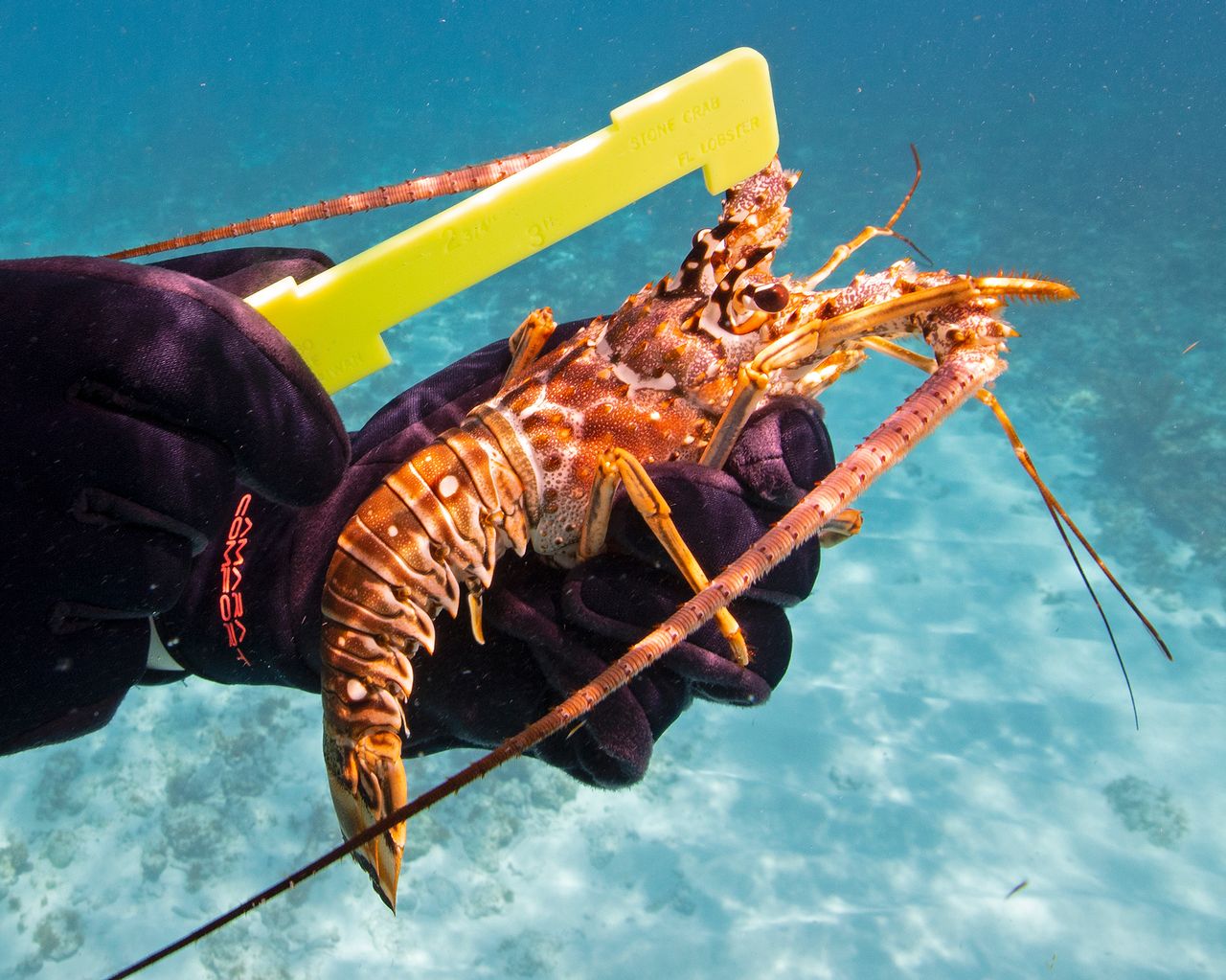
- Carapace Size: All harvested lobsters must have a carapace (the hard shell covering the head and thorax) length greater than 3 inches, measured from the area between the rostral horns to the rear edge of the carapace.
- Gear: Harvesters are only permitted to use tickle sticks and nets. Spears are strictly prohibited for taking lobsters.
- Night Diving: Night diving is prohibited in state waters during the mini-season.
- Permits: A valid Florida recreational saltwater fishing license with a lobster endorsement is required.
The mini-season is an adrenaline-fueled experience, perfect for those who thrive in a lively, competitive environment and enjoy the camaraderie of fellow lobster enthusiasts. It’s a fantastic time to witness the sheer scale of the recreational diving community and partake in a truly unique local tradition.
The Full Dive into Regular Lobster Season
Following the mini-season, the much longer regular lobster season commences, offering a more relaxed yet equally rewarding experience. The regular season runs from August 6th through March 31st annually, providing ample time for visitors to plan their trips and enjoy the bounty of Florida’s waters. This extended period is ideal for those seeking a less crowded environment, allowing for a more leisurely approach to lobster hunting.
While the fundamental regulations regarding carapace size and gear (tickle sticks and nets) remain consistent with the mini-season, some key differences apply:
- Bag Limit: The daily recreational bag limit during the regular season is six lobsters per person per day for the entire state, including the Florida Keys.
- Night Diving: Night diving for lobster is permitted during the regular season, opening up new opportunities for experienced divers.
- Commercial Harvest: This season also marks the start of the commercial lobster harvest, meaning you’ll find fresh spiny lobster readily available in restaurants and seafood markets throughout the state.
The regular season is perfect for families, novice divers, or anyone who prefers a calmer pace. It allows for longer trips and more opportunities to combine lobster diving with other popular Florida activities like fishing, snorkeling, and exploring coastal towns. The extended duration also means that accommodation and charter services might be more readily available and potentially less expensive outside of peak mini-season demand, making it a viable option for budget-conscious travelers or those looking for a longer stay.
Prime Destinations for Your Florida Lobster Adventure
While spiny lobsters can be found in various warm waters off Florida, certain regions are legendary for their abundant populations and exceptional diving conditions. These destinations offer not just great lobster hunting but also a complete travel experience, combining exciting underwater pursuits with vibrant local culture, diverse accommodations, and numerous other attractions.
The Florida Keys: The Epicenter of Lobster Diving
Without a doubt, the Florida Keys are the undisputed capital of spiny lobster diving. This chain of tropical islands stretching over 120 miles off the southern tip of Florida provides the ideal habitat for lobsters, with its extensive coral reefs, seagrass beds, and clear, warm waters. The entire Keys archipelago transforms into a hub of activity during lobster season, offering unparalleled access to prime harvesting grounds.
- Key Largo: Known as the “Diving Capital of the World,” Key Largo is an excellent starting point, especially for those flying into Miami International Airport. Its proximity to famous dive sites like John Pennekamp Coral Reef State Park makes it a popular choice. You’ll find numerous dive shops, charter boats, and accommodation options, from budget-friendly motels to luxury resorts like the Playa Largo Resort & Spa, offering stunning ocean views and direct access to water activities.
- Islamorada: Often dubbed the “Sportfishing Capital of the World,” Islamorada also boasts fantastic lobster grounds. It provides a slightly more laid-back atmosphere than Key Largo but with equally excellent amenities. Resorts such as the Cheeca Lodge & Spa offer upscale experiences, while boutique hotels provide a charming local feel. Don’t miss the chance to visit local establishments like the Morada Bay Beach Cafe for fresh seafood in a breathtaking setting.
- Marathon: Situated in the middle Keys, Marathon is known for its family-friendly atmosphere and its iconic Seven Mile Bridge. It’s a great base for exploring both the Atlantic and Gulf sides, with many marinas and boat ramps. The Faro Blanco Resort & Yacht Club is a prominent accommodation choice, combining luxury with easy water access.
- Key West: The southernmost point of the continental United States, Key West offers a unique blend of history, culture, and vibrant nightlife, in addition to excellent lobster diving opportunities. While it can be further to reach some of the outer reefs, the experience of staying in Key West and enjoying its famous attractions like Duval Street and Mallory Square makes it an appealing destination. Consider staying at the Southernmost Beach Resort for a classic Key West experience.
For any of these locations, consider booking your accommodations and charter boats well in advance, especially for the mini-season, as demand can be incredibly high. Many hotels and resorts cater specifically to divers, offering packages that include boat trips, gear rentals, and even cooking facilities for your catch.
Beyond the Keys: South Florida’s Hidden Gems
While the Keys steal the spotlight, significant lobster populations can also be found further north along Florida’s Atlantic coast, particularly in South Florida. Areas within Miami-Dade County, Broward County, and Palm Beach County offer excellent opportunities for lobster hunting, often with easier access for residents and visitors to major metropolitan areas.
- Miami-Dade County: The waters off Miami are surprisingly productive for spiny lobster. Dive sites can be found relatively close to shore, making it accessible for boaters. After a day of diving, you can explore Miami’s world-famous nightlife, art scene (like the Wynwood Walls), and diverse culinary offerings. Staying at a hotel like the Kimpton Angler’s Hotel South Beach puts you close to both the ocean and urban attractions.
- Broward County: Including cities like Fort Lauderdale and Pompano Beach, Broward County boasts extensive reef systems that harbor lobsters. This region is a popular choice for divers due to its numerous artificial reefs and natural ledges. The area also offers a wide range of accommodation and dining options, appealing to various budgets and preferences.
- Palm Beach County: Further north, Palm Beach County also provides good lobster diving, especially around areas like Jupiter and Boca Raton. The waters here are known for excellent visibility and a healthy marine environment. For a luxurious stay, consider the iconic The Breakers Palm Beach, combining oceanfront elegance with proximity to excellent diving spots.
While these areas may not have the sheer volume of lobster boats as the Keys during mini-season, they offer a convenient and rewarding experience, often with less crowded dive sites and easier access for day-trippers from major cities.
Essential Tips for a Successful Florida Lobster Trip
Embarking on a Florida lobster adventure requires thoughtful preparation to ensure both safety and success. From gearing up correctly to understanding the intricate regulations, a well-planned trip maximizes your chances of a bountiful harvest and an enjoyable experience.
Gear Up: What You’ll Need
Proper equipment is paramount for a safe and successful lobster hunt.
- Dive Flag: This is non-negotiable and legally required when diving or snorkeling. It signals your presence to nearby boats.
- Snorkel or Scuba Gear: Depending on your preference and skill level, you’ll need a mask, snorkel, fins, and potentially a wetsuit (even in warm Florida waters, a thin wetsuit offers protection from stingers and abrasions). For deeper water, full scuba gear is necessary.
- Tickle Stick and Net: These are the primary tools for catching spiny lobster. A tickle stick is used to gently coax the lobster out of its hiding spot, while the net is used to scoop it up.
- Measuring Gauge: Absolutely critical for ensuring your lobsters meet the minimum 3-inch carapace length. Having it attached to your gear or easily accessible is essential.
- Gloves: Protect your hands from the spiny lobster’s sharp spines, as well as potential hazards from rocks and coral.
- Collection Bag or Cooler: A sturdy mesh bag to hold your catch while diving, and a cooler with ice on the boat to keep them fresh.
- Florida Recreational Saltwater Fishing License with Lobster Endorsement: Purchase this online from the FWC before your trip.
If you plan to use a boat, ensure it’s properly equipped with safety gear, navigation tools, and enough fuel for your excursion. Many local dive shops in the Florida Keys and South Florida offer gear rentals and can advise you on the best equipment for current conditions.
Understanding Regulations and Safety
The FWC strictly enforces regulations to protect the lobster population and ensure diver safety. Familiarize yourself with all current rules before heading out.
- No Spawning Lobsters: It is illegal to harvest egg-bearing (berried) female lobsters. These have visible eggs under their tail and must be left undisturbed.
- Protected Areas: Avoid harvesting in state or federal protected areas like Everglades National Park, Biscayne National Park, or Dry Tortugas National Park, which have specific rules or outright prohibitions.
- Dive Safety: Always dive with a buddy, adhere to safe diving practices, and be aware of boat traffic, especially during the busy mini-season. Dehydration and sunburn are common issues in Florida’s sun, so stay hydrated and use sun protection.
- Environmental Responsibility: Practice responsible diving and boating. Avoid touching or damaging coral reefs, and dispose of all trash properly.
Planning Your Stay: Accommodation and Logistics
Successfully planning your lobster trip involves more than just the hunt itself.
- Book in Advance: This cannot be stressed enough, especially for the mini-season. Accommodations, charter boats, and even rental cars in the Keys fill up months in advance. Many hotels, like the Hawks Cay Resort on Duck Key, offer special packages around the season.
- Charter Boats vs. Self-Diving: If you don’t own a boat or aren’t comfortable navigating Florida’s waters, booking a guided lobster charter is an excellent option. Experienced captains will take you to prime spots and ensure you adhere to regulations. If you have your own boat, ensure you have up-to-date charts and safety equipment.
- Dining Out vs. Cooking Your Catch: Many restaurants in the Keys and South Florida offer “cook your catch” services, where they’ll prepare your freshly harvested lobster for you (often for a fee). Alternatively, many rental homes and some hotels offer kitchen facilities, allowing you to prepare your feast exactly how you like it.
Beyond Lobster: Maximizing Your Florida Visit
A lobster trip to Florida doesn’t have to be solely about the hunt. The state offers a wealth of activities and attractions that perfectly complement a seafood-focused getaway.
- Water Sports: Beyond diving, enjoy snorkeling, kayaking, paddleboarding, and fishing charters. The clear waters are perfect for exploring marine life.
- Local Culture and Dining: Savor the unique cuisine and vibrant nightlife, especially in places like Key West’s Duval Street or Miami’s Art Deco Historic District. Try conch fritters, key lime pie, and, of course, freshly prepared spiny lobster at renowned eateries like Lazy Days Restaurant in Islamorada.
- Family Activities: If traveling with family, consider visits to the Dolphin Research Center in Marathon, the Everglades Holiday Park for airboat tours, or even a day trip to famous theme parks in Orlando like Universal Studios Florida or Walt Disney World Resort.
- Nature and Landmarks: Explore stunning natural beauty at places like Bahia Honda State Park, the Everglades National Park, or drive the scenic Overseas Highway across the Florida Keys.

Indulging in Florida’s Lobster Delights
The ultimate reward of a Florida lobster trip is, of course, savoring the delicate, sweet meat. Whether you’ve caught it yourself or ordered it fresh from a local restaurant, the experience is truly unforgettable.
If you’re preparing your own catch, the simplest methods often highlight the lobster’s natural flavor. Boiling, steaming, or grilling lobster tails are popular choices. A simple brush of butter, garlic, and herbs is all that’s needed to create a gourmet meal. Many local fish markets can also clean and prepare your lobsters for a small fee, making it easier for visitors without extensive cooking facilities.
For those who prefer to leave the cooking to the experts, Florida’s coastal regions, particularly the Keys and South Florida, are dotted with fantastic seafood restaurants. You’ll find spiny lobster prepared in countless ways:
- Grilled Lobster Tail: A classic, allowing the natural sweetness to shine.
- Lobster Thermidor: A rich, creamy preparation often baked in the shell.
- Lobster Rolls: While traditionally made with Maine lobster, many Florida establishments put their own spin on this favorite using spiny lobster.
- Lobster Fritters: A local twist, often seasoned and fried.
- Lobster Bisque: A luxurious, flavorful soup.
Restaurants like the aforementioned Morada Bay Beach Cafe or Lazy Days Restaurant in the Keys are renowned for their fresh seafood, often serving lobster caught that very day. In Miami, upscale establishments often feature spiny lobster during the season, offering sophisticated culinary creations. Even in cities like Naples or St. Petersburg on the Gulf Coast, you’ll find eateries sourcing fresh Florida spiny lobster during the regular season. The overall culinary experience is one that truly defines the Florida lifestyle, blending the bounty of the sea with vibrant local flavors.
In conclusion, experiencing Florida’s lobster season, whether during the exhilarating mini-season in July or the more extended regular season from August to March, offers a unique blend of adventure, culinary delight, and cultural immersion. With proper planning, adherence to regulations, and a spirit of adventure, your pursuit of the Florida spiny lobster will undoubtedly create cherished memories and provide a taste of the Sunshine State’s extraordinary marine bounty.
LifeOutOfTheBox is a participant in the Amazon Services LLC Associates Program, an affiliate advertising program designed to provide a means for sites to earn advertising fees by advertising and linking to Amazon.com. Amazon, the Amazon logo, AmazonSupply, and the AmazonSupply logo are trademarks of Amazon.com, Inc. or its affiliates. As an Amazon Associate we earn affiliate commissions from qualifying purchases.