
The allure of Maine lobster is undeniable. Its sweet, succulent meat, often served simply with melted butter, evokes images of rugged coastlines, charming fishing villages, and the crisp, salty air of the Atlantic. For any traveler seeking an authentic taste of this iconic state, understanding Maine’s lobster season is paramount. It’s not just about when you can buy lobster, but when you can experience the entire ecosystem that supports this culinary delicacy – from the bustling docks to the serene waters where the magic happens. This guide delves into the nuances of Maine lobster season, offering insights for travelers, food enthusiasts, and anyone planning a trip to the Pine Tree State.
Understanding the Lobster Life Cycle and Seasonality
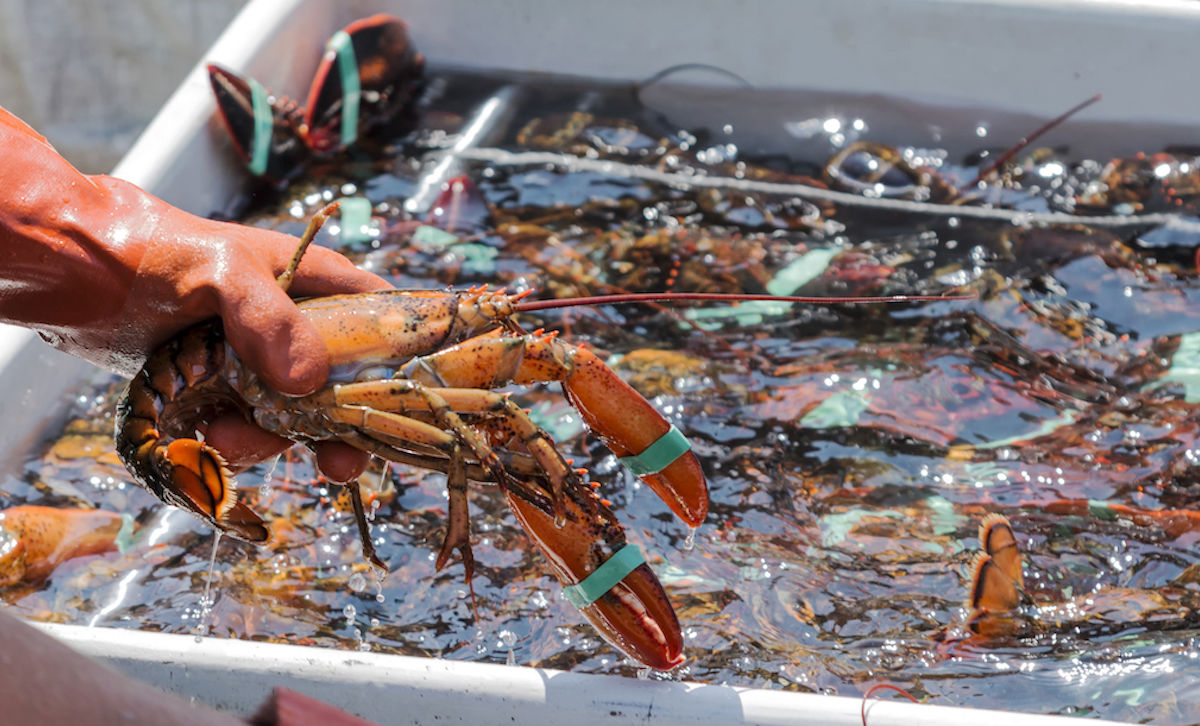
Maine lobster season isn’t a static, universally declared period. Instead, it’s intrinsically linked to the molting cycle of the American lobster (Homarus americanus). Lobsters, like other crustaceans, must shed their hard exoskeletons to grow. This molting process dictates when the lobsters are most readily available and, crucially, when they are at their peak flavor and texture.
The Molting Process: A Seasonal Driver
Lobsters typically molt once or twice a year, depending on their size and age. Younger, smaller lobsters molt more frequently. The process involves the lobster secreting a new, soft shell underneath its old, hard one. Once the new shell is formed, the lobster absorbs water to expand, cracking its old shell and emerging as a soft-shelled creature. This is the crucial period for harvesting.
Spring Molting (Late April to Early July): This is the primary and most commercially significant molting period. As the waters of the Gulf of Maine warm, lobsters begin to shed their shells. During this time, the lobsters are actively seeking out new, harder shells and are generally more mobile, making them easier for lobstermen to catch. The newly molted lobsters, often referred to as “shedders” or “new shells,” have exceptionally tender meat. Their shells are thin, making them easier to crack open, and their bodies are full of sweet, juicy meat. This period generally runs from late spring through early summer.
Fall Molting (September to December): A smaller, secondary molting period occurs in the fall. As the water temperatures begin to cool, some lobsters will molt again. These lobsters are often referred to as “old shells” as their exoskeletons have had more time to harden since the spring molt. While still delicious, some argue that the meat from fall-molted lobsters is slightly less sweet and tender compared to the spring “new shells.” However, they are still a highly sought-after delicacy.
The Role of Water Temperature
Water temperature plays a vital role in regulating the lobster’s life cycle, including their molting schedule. Warmer waters in late spring and early summer signal the lobsters to begin their molting. Conversely, cooler fall temperatures can trigger the secondary molt. This environmental dependency means that the exact timing of the peak season can vary slightly from year to year and even from one fishing ground to another along the vast Maine coast.
Navigating Maine’s Lobster Seasons for the Best Experience
Understanding the molting cycle is the first step. The next is to know how this translates into practical advice for travelers and seafood lovers. Maine’s lobster season is a continuous opportunity to enjoy this delicacy, with slight variations in abundance and quality throughout the year.
The Peak Season: Summer Delights
The period from late June through September is widely considered the peak of Maine lobster season. During these months, the weather is typically at its best for exploring the coast, and the lobster catch is at its highest.
- Abundance and Availability: With the majority of lobsters molting in the spring and early summer, fishermen are bringing in large hauls. This means that lobster is readily available in restaurants and markets across the state, from the iconic lobster pounds of the mid-coast to the bustling eateries of Portland.
- The “New Shell” Experience: If you visit Maine during late spring and early summer (May through July), you’re likely to encounter the “new shell” lobsters. These are the stars of the show for many. Their shells are thin and brittle, making them easy to crack. The meat is incredibly sweet and succulent, bursting with flavor. Many chefs and lobstermen consider this the prime time for the ultimate lobster feast.
- Traveler’s Advantage: Summer is also the most popular time to visit Maine. This means you’ll find a wide range of activities, from kayaking along the coast to exploring charming towns like Kennebunkport and Acadia National Park. Combine these classic summer vacation experiences with fresh, delicious lobster for an unforgettable trip. Consider staying at a beachfront resort or a cozy inn, many of which will feature lobster specials on their menus.
Beyond the Peak: Year-Round Enjoyment
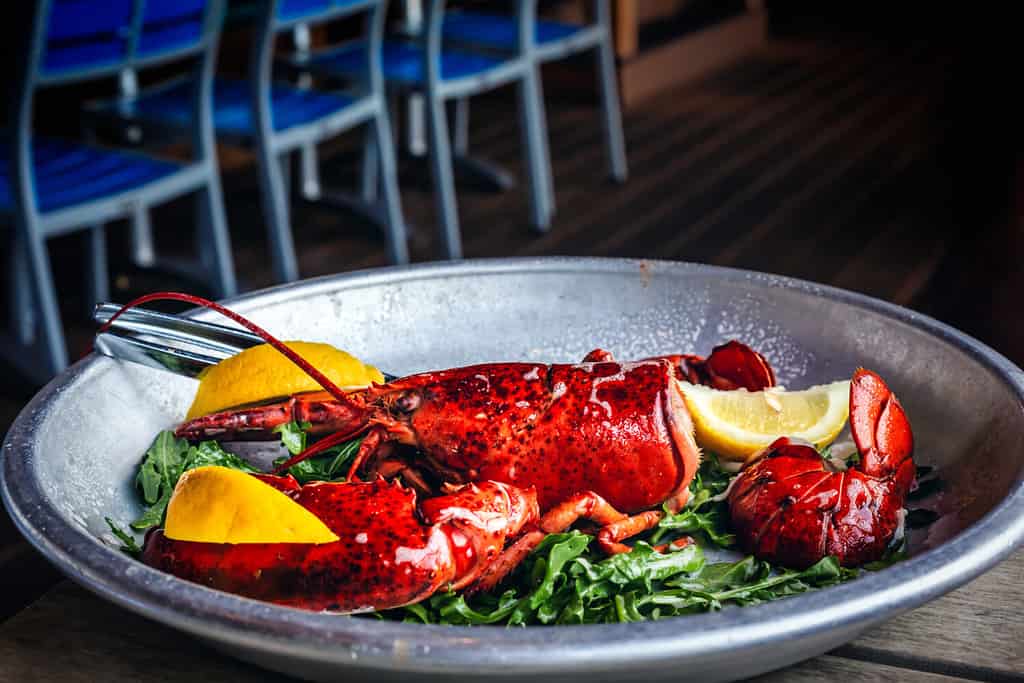
While summer boasts the highest catch and the freshest “new shells,” Maine lobster is available year-round, albeit with some differences.
- Fall and Winter: From September through the winter months, lobsters continue to be harvested. These are often “old shell” lobsters, meaning their shells are harder. While their meat might not be quite as famously tender as the new shells, they are still firm, flavorful, and highly desirable. The fall, in particular, can offer a quieter, more local experience as the summer crowds dissipate. Exploring inland towns or the more rugged northern coast during this time can be incredibly rewarding, with fewer tourists and a more authentic feel.
- Spring’s Transition: As winter gives way to spring, the lobster season begins to ramp up. While the major molt hasn’t quite begun, lobsters are still actively fished. This transitional period can be a great time to visit if you prefer fewer crowds and are keen to witness the first signs of the upcoming bounty. The waters are still chilly, but the anticipation of the warmer months and the impending lobster season adds a unique excitement.
Regulations and Conservation: Ensuring Future Seasons
It’s important to acknowledge that Maine lobster fishing is a highly regulated industry. Regulations are in place to ensure the sustainability of the lobster population for future generations.
- V-Notching: Female lobsters that are carrying eggs are marked with a “V-notch” in their tail flipper before being released back into the ocean. This practice, known as V-notching, ensures that these egg-bearing females are not harvested and can reproduce.
- Minimum and Maximum Size Limits: There are also strict minimum and maximum size limits for lobsters that can be kept. This protects young lobsters, allowing them to mature and reproduce, and prevents the harvesting of the largest, oldest lobsters, which are often very fertile.
- Trap Limits and Regulations: Lobstermen operate under strict rules regarding the number of traps they can set, the types of traps used, and escape vents that allow smaller lobsters to get out. These measures help manage the catch and minimize the impact on the environment.
- The Importance of Sustainable Tourism: As travelers, we can contribute to the sustainability of this fishery by being mindful of our choices. Supporting local fishermen and restaurants that adhere to responsible practices, and respecting any local guidelines, helps ensure that Maine lobster remains a sustainable delicacy for years to come.
Experiencing Maine Lobster: Beyond Just Eating
A trip to Maine focused on lobster season offers more than just a delicious meal; it’s an immersion into a rich maritime culture and a vibrant ecosystem.
From Dock to Dish: The Lobster Experience
To truly appreciate Maine lobster, consider experiencing it beyond a restaurant plate.
- Visit a Lobster Pound: Lobster pounds are a quintessential Maine experience. These are simple facilities, often located right on the water, where freshly caught lobsters are kept in natural tidal pools. You can often choose your own lobster from the tank, and it will be cooked to order. This is as fresh as it gets, often served with corn on the cob, coleslaw, and, of course, plenty of melted butter. Many of these are found along the scenic Route 1, offering stunning ocean views alongside your meal.
- Lobster Boat Tours: Several companies offer lobster boat tours. These excursions provide a unique opportunity to go out on the water with a lobsterman, learn about the industry, see how traps are set and hauled, and even handle a live lobster. It’s an educational and fun way to connect with the source of this delicious seafood. Some tours even offer a freshly cooked lobster as part of the experience.
- Exploring Lobster Towns: Maine is dotted with charming fishing villages that are the heart of the lobster industry. Towns like Stonington, Port Clyde, Bernard (near Bass Harbor), and Friendship offer glimpses into the daily lives of lobstermen. You can witness the boats heading out at dawn or returning with their catches, and often find small, family-run seafood shacks serving up the freshest lobster rolls and steamed lobsters.
Culinary Adventures with Maine Lobster
The versatility of Maine lobster is astounding. While the classic steamed lobster is a must-try, explore other culinary creations.
- Lobster Rolls: The lobster roll is arguably the most iconic way to enjoy Maine lobster outside of a whole steamed lobster. There are two main styles: the Maine-style, served chilled with mayonnaise, celery, and sometimes lemon juice, and the Connecticut-style, served warm with melted butter. Both are delicious and can be found everywhere from upscale restaurants in Portland to roadside shacks.
- Lobster Bisque and Chowder: For a richer, more comforting dish, try Maine’s famous lobster bisque or a creamy lobster chowder. These hearty soups are perfect on a cooler evening and showcase the sweet flavor of lobster in a different context.
- Beyond the Classics: Many chefs in Maine are pushing the boundaries, incorporating lobster into pasta dishes, salads, tacos, and even gourmet appetizers. Don’t be afraid to explore menus and try innovative preparations that highlight the delicate sweetness of the lobster.
Planning Your Trip Around Lobster Season
Whether you’re a seasoned traveler or planning your first trip to Maine, timing your visit around lobster season can enhance your experience.
- Late Spring to Early Summer (May-July): This is ideal for experiencing “new shell” lobsters, enjoying pleasant weather for outdoor activities, and witnessing the vibrant start of the summer tourist season. It’s a fantastic time for coastal exploration, hiking in places like Acadia National Park, and enjoying the burgeoning outdoor dining scene.
- Summer (July-August): This is peak season for both lobster and tourism. Expect crowds but also the widest array of lobster-related events, festivals, and the most bustling atmosphere. Enjoy classic beach vacations, explore islands like Mount Desert Island, and indulge in every lobster dish imaginable.
- Early Fall (September-October): This is a sweet spot for many. The crowds thin out, the foliage begins to turn, and the lobster is still plentiful and delicious. It’s a perfect time for a more relaxed exploration of the state, focusing on charming towns, scenic drives, and farm-to-table dining that often still features fresh lobster.
In conclusion, the question “When is Maine Lobster Season?” opens the door to a deeper appreciation of this treasured delicacy. It’s a journey that spans the entire year, dictated by nature’s rhythms and sustained by a dedicated community of lobstermen. By understanding the molting cycles, embracing the different seasonal offerings, and engaging with the culture surrounding this iconic crustacean, visitors to Maine can unlock a truly unforgettable culinary and travel experience. From the salty spray of the Atlantic on a lobster boat tour to the simple, perfect bite of a freshly steamed lobster, the season is always right for savoring the taste of Maine.