
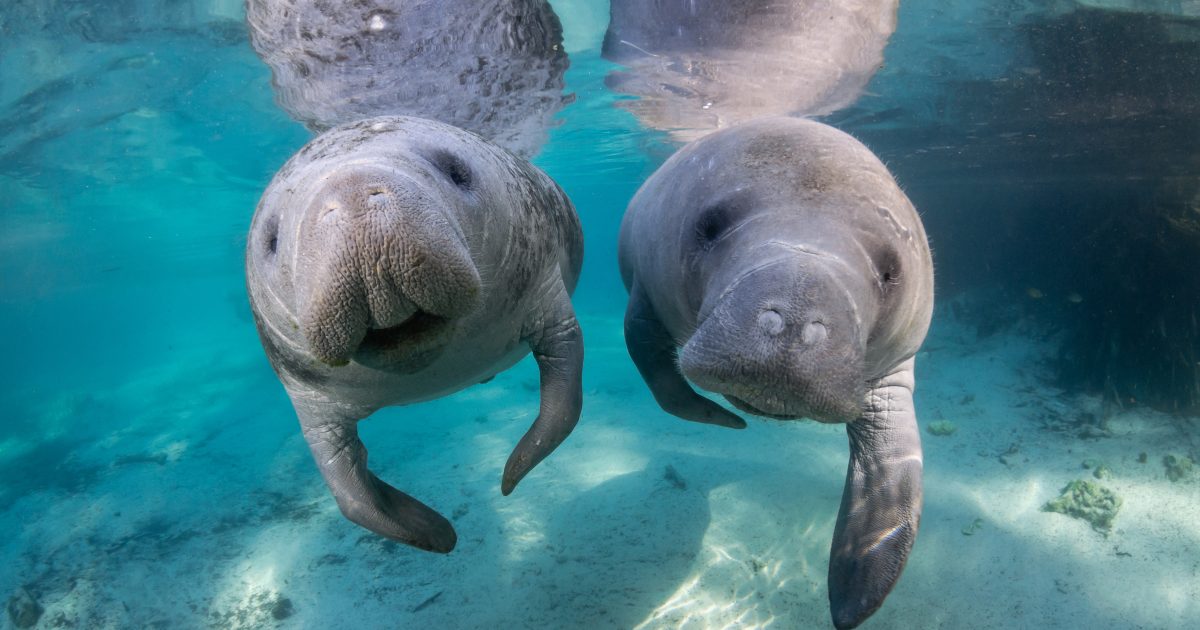
For many travelers, the allure of Florida extends beyond its sun-drenched beaches and world-famous theme parks. The Sunshine State is also a prime destination for wildlife enthusiasts, particularly those hoping to catch a glimpse of its most iconic gentle giant: the manatee. Understanding “manatee season” is key to planning a successful trip centered around these majestic marine mammals, ensuring an unforgettable experience for visitors while supporting vital conservation efforts.
Manatees, specifically the West Indian manatee species found in Florida, are incredibly sensitive to cold water. As the cooler months approach, their survival depends on finding warmer refuges, making certain times of the year ideal for observing them. This natural migration forms the basis of what is affectionately known as “manatee season,” drawing tourists from across the globe to witness this unique natural phenomenon.
Understanding Manatee Season: A Florida Phenomenon
The concept of manatee season is intrinsically linked to the delicate balance between the manatees’ biological needs and Florida’s climate. These large, slow-moving marine mammals cannot tolerate water temperatures below approximately 68°F (20°C) for extended periods. When the Gulf of Mexico and Atlantic Ocean waters cool down, manatees seek out consistent, warmer waters found in natural freshwater springs, power plant discharge canals, and other sheltered areas.
The Critical Role of Warm Water
Florida is blessed with an abundance of natural freshwater springs, which maintain a constant temperature of around 72°F (22°C) year-round. These springs become crucial havens for manatees during the colder months, providing thermal refuge where they can conserve energy and stay warm. This predictable migration makes these spring-fed rivers and bays the best places for guaranteed manatee sightings during the peak season.
Power plants also inadvertently create manatee hotspots. The warm water discharged as a byproduct of their operations offers another reliable source of heat, attracting hundreds of manatees to specific locations like the Manatee Viewing Center near Tampa Bay. While less natural, these sites provide excellent opportunities for observation from designated platforms, highlighting the adaptability of these creatures.
Defining the Manatee Season Calendar
Generally, manatee season in Florida runs from November through March. This period typically encompasses the coolest months in the state, prompting the mass movement of manatees into their winter sanctuaries.
- Peak Season (December – February): This is undoubtedly the best time to visit if your primary goal is to see manatees. During these months, cold fronts are more frequent and intense, driving large aggregations of manatees into the warm springs. You can expect to see hundreds, sometimes thousands, of individuals congregated in popular spring systems. The weather can be cooler, but the opportunities for incredible encounters are at their highest.
- Shoulder Seasons (November & March): These months can still offer excellent viewing opportunities, especially if there are early or late cold snaps. In November, manatees are just beginning to move into the springs, while in March, they start to disperse back into the warmer coastal waters as temperatures rise. During these transition periods, you might experience milder weather with good chances of sightings, though not always in the same massive numbers as the peak.
While manatees can be found in Florida waters year-round, their dispersal patterns in the warmer months make them harder to locate reliably. If your trip falls outside the traditional manatee season, don’t despair; isolated sightings are always possible, but focused manatee encounters are best reserved for the winter.
Top Destinations for Manatee Encounters
Knowing when to visit is only half the battle; knowing where to go is equally important. Florida boasts several world-renowned destinations that serve as critical manatee habitats and offer unparalleled viewing opportunities. These locations are not just about seeing manatees; they are integrated tourism hubs offering various accommodations, activities, and local insights.
Crystal River: The Manatee Capital of the World
Without a doubt, Crystal River is the crown jewel for manatee tourism. Located on Florida’s Nature Coast, it’s the only place in the United States where you can legally swim with manatees in their natural habitat. The constant 72°F (22°C) waters of Kings Bay, fed by numerous freshwater springs, attract hundreds of manatees every winter.
- Activities: Guided snorkel tours are the most popular activity, allowing visitors to enter the water with licensed operators who prioritize the manatees’ welfare. Kayaking and paddleboarding are also fantastic options for observing them from above, providing a quieter, less intrusive experience.
- Attractions: Beyond the water, visit the Three Sisters Springs boardwalk, a stunning natural landmark where you can view manatees congregating in crystal-clear waters from elevated platforms. The Crystal River National Wildlife Refuge plays a crucial role in protecting this unique ecosystem.
- Accommodation: Crystal River offers a range of hotels, resorts, and vacation rentals catering to different budgets. From boutique inns to larger chain hotels, booking in advance, especially during peak manatee season, is highly recommended. Many tour operators also offer packages that include accommodation.
Blue Spring State Park: A Sanctuary for Gentle Giants
South of Crystal River, near Orlando, Blue Spring State Park is another premier manatee refuge. This park offers an incredible opportunity to view large numbers of manatees from boardwalks overlooking the spring run, which flows into the St. Johns River.
- Activities: During manatee season, swimming, snorkeling, and diving are restricted in the spring run to protect the congregating manatees. However, the expansive boardwalk system allows for fantastic, unobstructed viewing. Kayaking and paddleboarding are permitted on the St. Johns River but not in the spring itself during manatee season.
- Conservation Focus: Blue Spring State Park is a critical habitat and a testament to successful conservation efforts. The park maintains a robust manatee research and monitoring program, and visitor education is a high priority.
- Visitor Tips: The park can reach capacity early in the morning during peak season, especially on weekends. Arriving right at opening time (8:00 AM) is essential to ensure entry. Consider staying in nearby Orange City or Sanford for easy access.
Other Notable Manatee Habitats
While Crystal River and Blue Spring State Park are the most popular, Florida has other fantastic spots to encounter manatees:
- Homosassa Springs Wildlife State Park: Just south of Crystal River, this park is home to a resident population of manatees, many of whom are undergoing rehabilitation. Visitors can view them from an underwater observatory or various viewing platforms. It’s an excellent option for year-round manatee viewing, even outside peak season.
- Weeki Wachee Springs State Park: While famous for its mermaid shows, Weeki Wachee Springs State Park also attracts manatees into its clear waters, especially during cooler periods. The riverboat tour can sometimes offer sightings.
- Lee County Manatee Park (Fort Myers): Located in southwest Florida, this park offers viewing platforms overlooking a warm water discharge area from a power plant. It’s a popular spot for manatee sightings in the winter months, offering a different geographical option for travelers.
Planning Your Manatee Adventure: Tips and Etiquette
A trip to see manatees is more than just a sightseeing tour; it’s an opportunity for a unique wildlife experience that comes with a responsibility to protect these endangered creatures. Thoughtful planning and respectful engagement are crucial for a rewarding and sustainable visit.
Choosing Your Manatee Experience
- Swimming/Snorkeling with Manatees (Crystal River Only): For the most immersive experience, a guided swim tour in Crystal River is unparalleled. Always choose a licensed, reputable tour operator who emphasizes passive interaction and follows all wildlife guidelines. Remember, you can’t chase, touch, or harass manatees; they must approach you.
- Kayaking/Paddleboarding: This offers a serene way to observe manatees from a distance. It’s a fantastic option for those who prefer not to get in the water or for locations where swimming is prohibited. It allows for a quieter presence that often encourages manatees to swim closer out of curiosity. Many rental shops are available at key locations.
- Observation from Boardwalks/Platforms: For those seeking an accessible and dry viewing experience, parks like Blue Spring State Park and Homosassa Springs Wildlife State Park provide excellent vantage points. This is ideal for families with young children or individuals with mobility concerns.
Responsible Tourism and Conservation
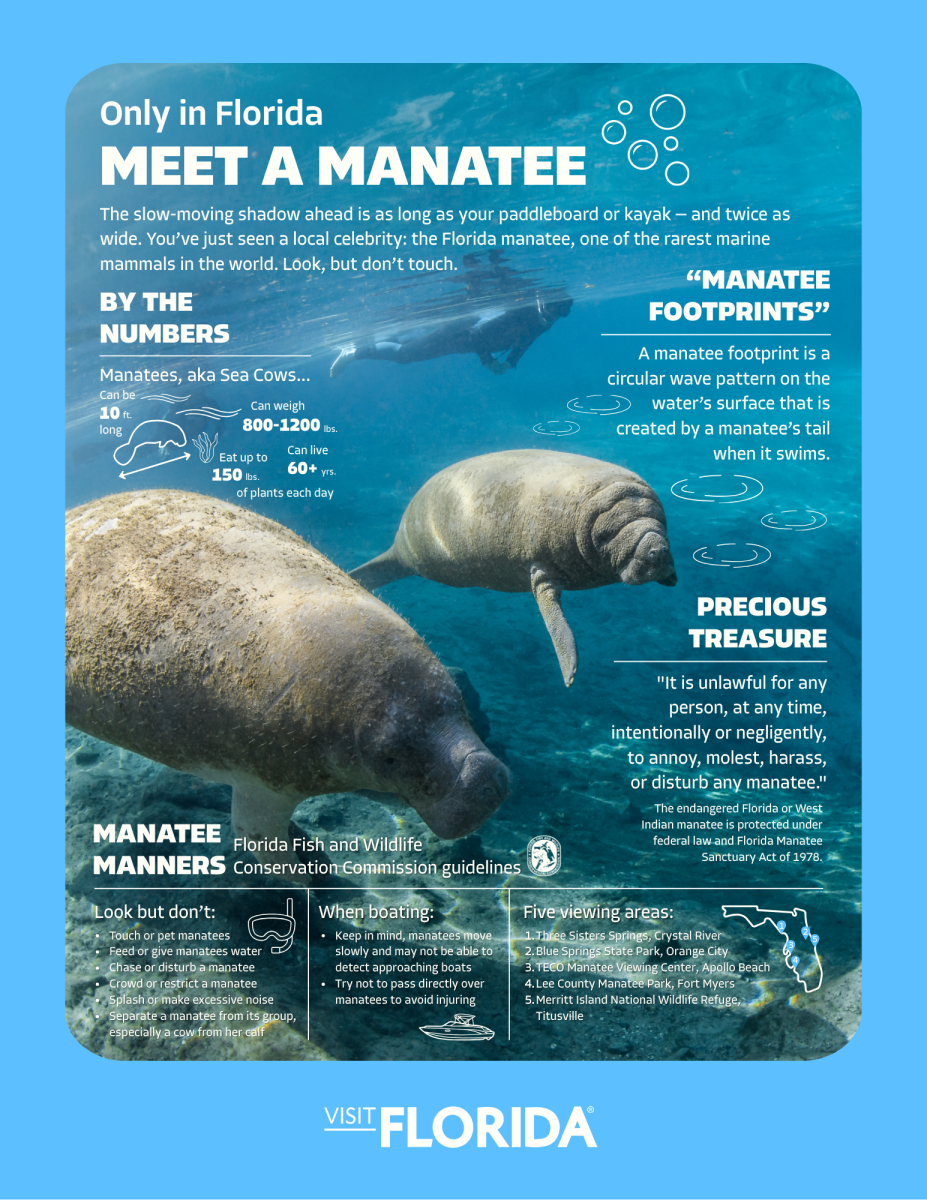
Manatees are protected by state and federal laws, including the Marine Mammal Protection Act and Florida Manatee Sanctuary Act. Adhering to guidelines is not just about legality but about preserving these magnificent animals for future generations.
- Look, Don’t Touch: Never touch, feed, or give water to manatees. This can alter their natural behavior and make them dependent on humans.
- Maintain Distance: Keep a respectful distance when in the water or on a vessel. Use binoculars or zoom lenses for close-up viewing.
- Slow Down: When boating in designated manatee zones, observe slow speed limits. Boat strikes are a leading cause of manatee injury and death.
- Educate Yourself: Learn about manatee behavior and conservation efforts before your trip. Supporting local businesses that champion responsible tourism helps reinforce positive practices. Many tour operators and parks offer educational programs.
Where to Stay: Accommodation Near Manatee Hotspots
Florida’s manatee destinations offer diverse accommodation options to suit every traveler’s preference and budget. Whether you’re planning a luxury escape, a budget-friendly trip, or a family adventure, there’s something for everyone.
- Hotels & Resorts: Major hotel chains like Hilton, Marriott, and local boutique hotels are prevalent in areas like Crystal River, Orlando, and Tampa. Many offer amenities like pools, dining, and concierge services, some even partnering with local tour operators. Booking well in advance, especially for peak manatee season, is crucial as popular options fill up quickly.
- Vacation Rentals (Airbnb, VRBO, Vacasa): For families or those seeking more space and a home-away-from-home feel, platforms like Airbnb, VRBO, and Vacasa offer a wide selection of apartments, villas, and houses. Many are located on canals or waterfronts, providing direct access to kayaking or peaceful views.
- Campgrounds: For budget travelers or those looking for an immersive nature experience, campgrounds are available in and around many state parks. Blue Spring State Park itself offers camping, though reservations are highly competitive.
- Booking Tips: Always check reviews, compare prices, and consider the proximity to manatee viewing sites. Some accommodations offer packages that include manatee tours or equipment rentals, which can be convenient for planning your local activities.
Beyond Manatees: Exploring Florida’s Natural Wonders
While manatee viewing might be the highlight of your winter Florida trip, the state offers a wealth of other natural attractions and activities to complement your wildlife encounters. Integrating these into your itinerary can create a truly comprehensive travel experience.
Family Fun and Outdoor Activities
- Kayaking and Paddleboarding: Even outside manatee zones, Florida’s springs, rivers, and coastal areas are perfect for paddling. Explore mangrove tunnels, serene rivers, or vast bay areas, often spotting diverse birdlife, turtles, and even alligators from a safe distance.
- Hiking and Biking: Numerous state parks and nature preserves across Florida offer extensive trail networks. From the pine forests of Ocala National Forest to the coastal trails of Caladesi Island State Park, there are options for all fitness levels.
- Birdwatching: Florida is a birdwatcher’s paradise, home to hundreds of species, including migratory birds that spend the winter in the warmer climate. Wading birds like spoonbills, egrets, and herons are common sights.
- Fishing: Both freshwater and saltwater fishing are immensely popular. Whether you’re casting a line in a spring-fed river or heading out into the Gulf of Mexico for deep-sea adventures, Florida offers abundant opportunities.
- Theme Parks: If your trip takes you near Orlando, consider combining your nature escape with a visit to Disney World or Universal Orlando Resort. The cooler winter months can be a pleasant time to visit the parks, often with fewer crowds than in summer.

The Best Time to Visit Florida for Wildlife and Weather
Winter in Florida (November to March) offers a unique combination of pleasant weather and exceptional wildlife viewing. While Northern Florida might experience some chilly mornings, the overall climate is mild and comfortable, perfect for outdoor exploration without the intense heat and humidity of summer. This also coincides with the migration of many bird species and other wildlife, making it a fantastic time for nature photography and general appreciation.
Beyond manatees, you might spot alligators sunning themselves along riverbanks, dolphins playing in coastal waters, and various bird species foraging in the wetlands. Exploring landmarks like the Everglades National Park during these months offers a more comfortable and rewarding experience.
In conclusion, manatee season in Florida, primarily from November to March, offers a unique window into the lives of these gentle giants. By understanding their needs and choosing responsible tourism options, travelers can enjoy an unforgettable encounter with manatees while contributing to their long-term protection. Whether you choose to swim alongside them in Crystal River, observe them from the boardwalks of Blue Spring State Park, or explore Florida’s broader natural beauty, planning your trip during this special season guarantees a truly enriching travel experience.
LifeOutOfTheBox is a participant in the Amazon Services LLC Associates Program, an affiliate advertising program designed to provide a means for sites to earn advertising fees by advertising and linking to Amazon.com. Amazon, the Amazon logo, AmazonSupply, and the AmazonSupply logo are trademarks of Amazon.com, Inc. or its affiliates. As an Amazon Associate we earn affiliate commissions from qualifying purchases.