
Florida, often called the Sunshine State, is a land of unparalleled natural beauty, attracting millions of visitors annually to its pristine beaches, vibrant cities, and world-renowned theme parks. Yet, beneath the surface of its bustling tourist hubs lies a wild heart, beating strongly in the vast wetlands and waterways that define much of the state’s geography. Central to this untamed landscape is the American Alligator, a formidable and iconic reptile that symbolizes Florida’s unique ecosystem. For travelers and wildlife enthusiasts venturing into this subtropical paradise, understanding the behavior of these ancient creatures, particularly their mating season, is not just fascinating but also crucial for a safe and enriching experience.

The allure of observing alligators in their natural habitat draws many to Florida’s extensive network of state parks, national preserves, and waterways. Whether you’re planning an adventurous airboat tour through the Everglades or a tranquil canoe trip down a spring-fed river, knowing when and where to witness alligator activity can significantly enhance your travel experience. Beyond mere observation, grasping the rhythms of their life cycle offers a deeper appreciation for the delicate balance of the ecosystems they inhabit. This comprehensive guide will delve into the intricacies of alligator mating season in Florida, providing essential insights for responsible tourism and unforgettable wildlife encounters, framed within the broader context of planning your ideal Florida adventure.
Understanding Florida’s Alligator Population and Their Habitat
Florida boasts a robust population of American Alligators, estimated to be over 1.3 million. These reptiles are not merely inhabitants but integral components of the state’s freshwater and brackish environments, playing a critical role in maintaining the health and diversity of their habitats. From the vast expanse of the Everglades National Park in South Florida to the myriad lakes, rivers, and canals scattered across Central and North Florida, alligators thrive in a variety of aquatic settings. Their presence is a testament to the thriving natural world that exists alongside Florida’s urban and tourist developments.
For visitors eager to encounter these majestic creatures, understanding their preferred habitats is the first step. Alligators are predominantly found in slow-moving freshwater environments, including swamps, marshes, lakes, and rivers. They prefer areas with dense vegetation for cover and sunbathing spots along the banks. These preferences make certain areas of Florida prime locations for alligator viewing, offering incredible opportunities for ecotourism and wildlife photography.
The American Alligator: A Keystone Species
The American Alligator is considered a keystone species, meaning it plays a unique and crucial role in the way an ecosystem functions. During dry seasons, alligators dig “gator holes” which retain water, providing a vital refuge for fish, insects, crustaceans, and other wildlife. This concentration of life attracts wading birds and other predators, forming an important link in the food web. When the rains return, these gator holes help to replenish the surrounding wetlands. By controlling populations of prey species, alligators also help to maintain biodiversity and prevent any one species from dominating the ecosystem. Their role extends to shaping the physical environment itself, demonstrating a profound impact on the landscapes they inhabit, making their conservation efforts paramount for the entire state’s natural heritage.
Where to Spot Alligators in Florida
For travelers keen on wildlife observation, Florida offers numerous destinations perfect for spotting alligators. Everglades National Park is perhaps the most famous, offering extensive opportunities through airboat tours, walking trails like the Anhinga Trail, and canoe/kayak routes. Other notable locations include Big Cypress National Preserve, west of the Everglades, which features diverse wetlands and swamps.
Further north, Myakka River State Park near Sarasota is renowned for its abundant alligator population, particularly along the Myakka River where boat tours are a popular attraction. Corkscrew Swamp Sanctuary near Naples offers a spectacular boardwalk through ancient cypress forests, providing elevated views of alligators and other wildlife. Even in more urbanized areas, golf courses and retention ponds can host alligators, emphasizing the ubiquitous nature of these reptiles across the state. Responsible tourism dictates maintaining a safe distance and never feeding wild animals, ensuring a respectful and memorable encounter with these incredible creatures in their natural home.
The Alligator Mating Ritual: A Seasonal Spectacle
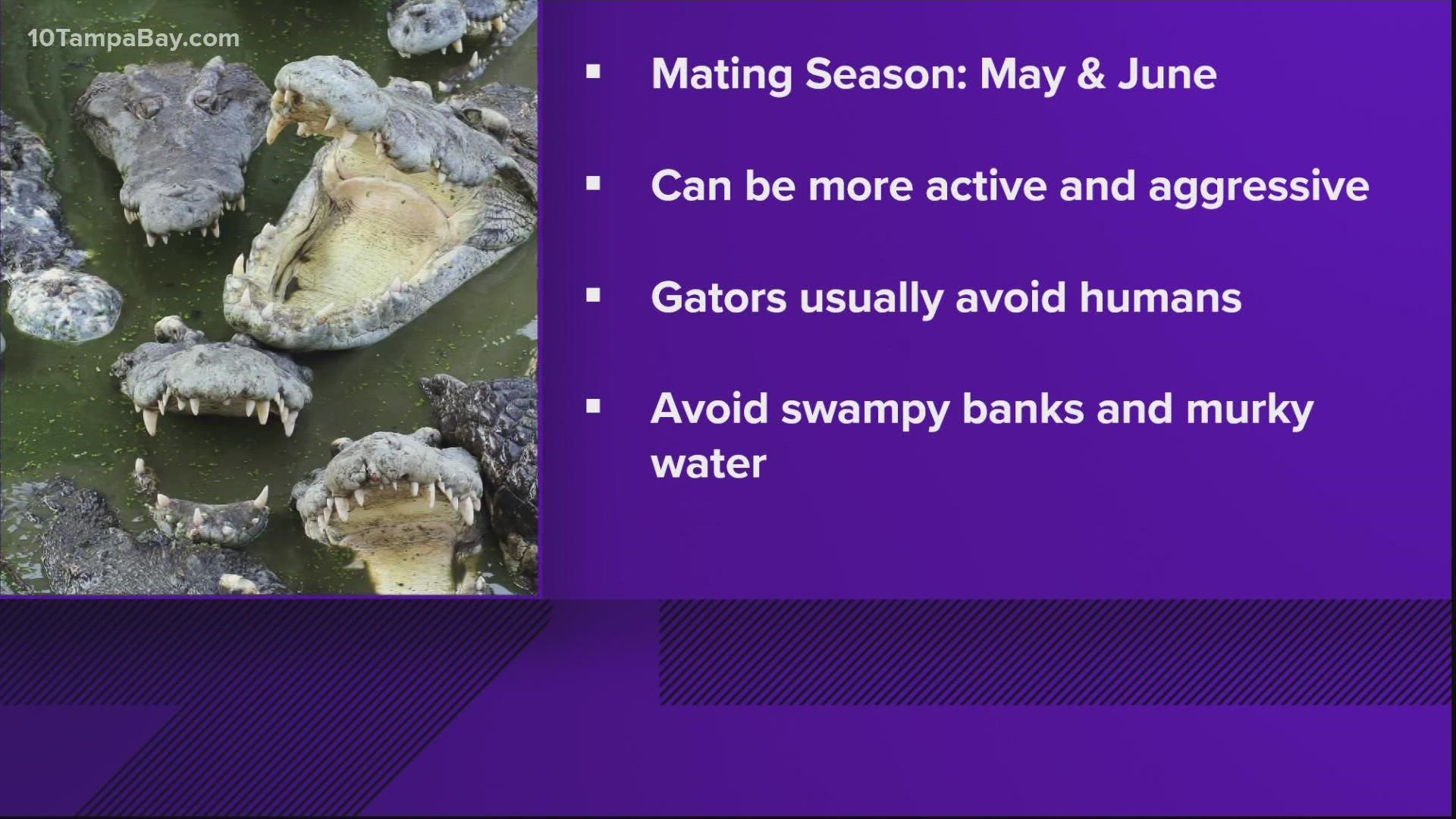
The question “When is mating season for alligators in Florida?” is often asked by curious visitors, and rightly so. This period offers some of the most dramatic and observable behaviors of these reptiles, providing a unique window into their natural lives. Generally, the alligator mating season in Florida begins in early April and extends through May and into early June. This timing is largely dictated by rising temperatures, which stimulate their metabolism and reproductive drives, as well as increasing daylight hours. As the cool winter months recede and the warm Florida spring takes hold, the wetlands come alive with the sounds and sights of alligator courtship.
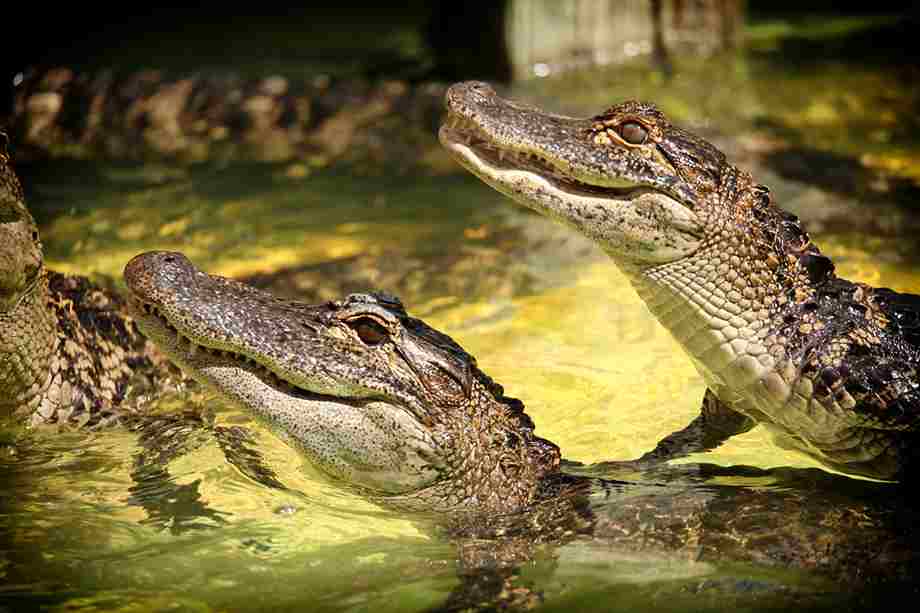
During this peak period, male alligators become particularly active, seeking out potential mates. They engage in elaborate courtship displays that can be quite impressive to witness, involving powerful vocalizations, territorial displays, and physical interactions. This heightened activity makes it an excellent time for wildlife enthusiasts to observe alligator behavior, provided they do so from a safe and respectful distance. The shift from individual solitary living to a more communal, albeit competitive, interaction transforms the waterways into a stage for nature’s primal drama.
The Courtship Dance: From Roars to Rituals
The initial phase of the mating season is characterized by a significant increase in alligator vocalizations. Male alligators emit a deep, resonating bellow, a guttural rumble that can travel for miles across the water. This bellow serves multiple purposes: it announces the male’s presence and size to rival males, establishes dominance, and attracts females. These bellows are often accompanied by a “head-slap” display, where the alligator rapidly slams its head onto the water’s surface, creating loud splashes and vibrations that further propagate their presence. The raw power and ancient quality of these sounds are truly unforgettable, offering a sonic glimpse into the wild heart of Florida.
Once a female is attracted, a courtship ritual unfolds. This involves intricate behaviors such as rubbing snouts, blowing bubbles, and circling each other in the water. The male may gently rub his chin on the female’s back and emit soft grunts. While these interactions may seem gentle, they are a vital part of the bonding process that precedes copulation. The actual mating typically occurs in the water and is often a brief, though powerful, event. Witnessing these behaviors requires patience and often the guidance of an experienced local guide, who can lead visitors to prime viewing spots while ensuring everyone’s safety. Understanding this ‘dance’ allows travelers to appreciate the complex social structures within the alligator world, turning a simple observation into a meaningful engagement with nature.
Nesting and Hatching: The Next Chapter
Following successful mating in May or early June, the focus shifts to nesting. Female alligators, typically in late June or early July, will construct large mounds of vegetation, mud, and debris in secluded spots along the water’s edge. These nests can be quite substantial, often several feet high and wide, providing insulation and protection for the eggs. The female will lay anywhere from 20 to 50 eggs within the nest, carefully covering them to maintain a consistent temperature. The incubation period lasts approximately 60 to 70 days, with temperature playing a critical role in determining the sex of the hatchlings. Warmer temperatures tend to produce males, while cooler temperatures result in females.
The hatching season usually occurs in late August or early September. The tiny hatchlings, about 8-10 inches long, emit high-pitched squeaks from inside the nest, signaling their mother to uncover them. The mother alligator then assists in releasing her young, often carrying them gently in her mouth to the water. She will protect her offspring for up to two years, teaching them survival skills and guarding them fiercely from predators. Observing this post-mating cycle, particularly the sight of a mother alligator with her brood, is another incredible wildlife viewing opportunity that extends the alligator season well into the autumn months. These later observations also align perfectly with other Florida tourism activities, providing a diverse range of experiences for autumn travelers.
Safety First: Coexisting with Alligators During Mating Season and Beyond
While observing alligators during mating season can be an exhilarating experience, it is paramount to prioritize safety. Alligators are wild animals, and their behavior can be unpredictable, especially during reproductive periods when males are more territorial and females are protective of their nests. Understanding and respecting their space is not just recommended but essential for preventing dangerous encounters and ensuring the well-being of both humans and alligators. Florida Fish and Wildlife Conservation Commission (FWC) consistently issues guidelines for safe interaction, emphasizing education and caution as the best defense.
The thrill of seeing an alligator up close should never override common sense or lead to reckless behavior. For those planning a trip focused on wildlife, staying informed about local regulations and advisories is part of responsible tourism. Many guided tours, especially those in places like the Everglades National Park or Myakka River State Park, are led by experienced naturalists who ensure both safety and a respectful viewing distance. This professional guidance is invaluable, providing both educational commentary and practical safety measures.
Essential Safety Tips for Visitors
To ensure a safe and enjoyable experience while observing alligators in Florida, keep the following essential tips in mind:
- Maintain a Safe Distance: Always keep a distance of at least 15-20 feet (4.5-6 meters) from alligators. Never approach them, especially not a nesting female or small hatchlings, as mothers are extremely protective.
- Never Feed Alligators: This is the most crucial rule. Feeding alligators habituates them to humans, causing them to lose their natural fear and associate people with food, which can lead to aggressive behavior. It is also illegal in Florida and carries significant penalties.
- Swim Only in Designated Areas: Alligators are opportunistic predators. Avoid swimming, wading, or letting pets enter waters known to harbor alligators, especially at dawn, dusk, or night when alligators are most active.
- Keep Pets on a Leash: Dogs and cats resemble the natural prey of alligators and should be kept away from water bodies where alligators might be present.
- Be Aware of Your Surroundings: Stay vigilant, especially around water. Keep an eye out for warning signs that indicate alligator presence.
- Avoid Dense Vegetation Near Water: Alligators often hide in dense brush or reeds along the water’s edge, making them difficult to spot.
- Report Concerns: If you encounter an alligator that is acting aggressively or appears to be a nuisance, contact the FWC Nuisance Alligator Hotline for assistance.
Following these guidelines not only protects you but also contributes to the conservation of these magnificent reptiles and helps maintain the natural balance of Florida’s ecosystems.
Respecting Their Natural Environment
Responsible tourism goes beyond personal safety; it extends to ensuring minimal impact on the natural environment and its inhabitants. When visiting natural areas like the Everglades or any of Florida’s beautiful state parks, adhere to the “Leave No Trace” principles. Stay on marked trails, do not disturb plants or wildlife, and pack out everything you pack in. This is particularly important during mating and nesting season, as disturbing a nesting female could lead to her abandoning her eggs, impacting the next generation of alligators.
By choosing reputable tour operators who prioritize ethical wildlife viewing, tourists actively contribute to sustainable practices. These operators often employ knowledgeable guides who can educate visitors on alligator behavior, habitat conservation, and the broader ecological importance of Florida’s wetlands. Supporting these businesses helps fund conservation efforts and provides economic incentives for protecting these precious natural resources. Your visit can be a powerful force for good, fostering a deeper connection with nature and ensuring these spectacular wildlife encounters are available for future generations.
Beyond Alligators: Exploring Florida’s Diverse Ecotourism and Attractions
While alligator spotting is a thrilling part of any Florida adventure, the state offers a vast array of ecotourism opportunities and attractions that cater to every type of traveler. From pristine beaches to crystal-clear springs, vibrant coral reefs, and dense pine forests, Florida’s diverse landscapes provide endless possibilities for exploration and enjoyment. Incorporating alligator viewing into a broader itinerary allows visitors to fully appreciate the richness of the Sunshine State’s natural and cultural offerings.
Many visitors come to Florida for its world-class beaches, such as Siesta Key Beach with its sugary white sand, or the tranquil shores of the Florida Keys, perfect for snorkeling and diving. Others are drawn to the magic of Orlando’s theme parks, including Walt Disney World Resort and Universal Studios Florida. The key is to blend these iconic experiences with opportunities for genuine connection with Florida’s wild side, creating a truly unforgettable and well-rounded trip.
Iconic Florida Destinations for Wildlife Enthusiasts
Beyond the Everglades, Florida is home to numerous other wildlife havens. The crystal-clear waters of the freshwater springs, like those at Blue Spring State Park or Weeki Wachee Springs State Park, are famous for their winter congregations of manatees, another of Florida’s beloved marine mammals. Birdwatchers will find paradise in locations like Merritt Island National Wildlife Refuge, which hosts over 330 species of migratory birds, or Ding Darling National Wildlife Refuge on Sanibel Island.
For marine life encounters, a visit to the Florida Keys National Marine Sanctuary offers unparalleled snorkeling and diving opportunities amidst vibrant coral reefs, teeming with colorful fish, sea turtles, and even dolphins. Even the urban landscapes, such as Miami, offer access to incredible natural beauty, from Biscayne National Park which is 95% underwater, to the nearby Everglades. Each of these destinations offers unique perspectives on Florida’s rich biodiversity, ensuring that every traveler can find their niche in its wild spaces.
Planning Your Florida Adventure: Accommodation and Experiences
Planning a trip to Florida involves choosing the right accommodation and activities to match your lifestyle and budget. Whether you envision a luxury stay at a beachfront resort like The Ritz-Carlton, Naples, a family-friendly suite near Orlando’s attractions, or a cozy villa for a long-term escape, Florida has it all. Websites like lifeoutofthebox.com offer comprehensive guides, reviews, and comparison tools to help you find the perfect hotel, apartment, or vacation rental. Consider staying in a resort that offers eco-tours or is conveniently located near national parks to maximize your wildlife viewing opportunities.
For those interested in local culture and food, explore the vibrant culinary scenes in cities like Miami or St. Augustine, the oldest continuously inhabited European-established settlement in the United States. Engage with local guides for unique experiences, whether it’s a fishing charter in the Gulf of Mexico, a guided kayaking trip through mangrove tunnels, or a visit to a local farm. Many resorts, such as Disney’s Animal Kingdom Lodge in Orlando, even bring a taste of the wild to your doorstep, with savannahs teeming with African wildlife right outside your window. From budget travel tips to luxury experiences, Florida promises a diverse range of travel styles, ensuring that every visitor can curate their ideal journey.
In conclusion, understanding when mating season for alligators occurs in Florida offers a unique lens through which to appreciate the state’s incredible wildlife. While the spring months from April to June provide the best chance to witness their dramatic courtship rituals, Florida’s natural wonders extend far beyond just alligators. By combining responsible wildlife viewing with an exploration of its diverse destinations, attractions, and accommodations, travelers can craft a memorable and respectful adventure that truly captures the spirit of the Sunshine State. Always remember to prioritize safety, respect wildlife, and embrace the unparalleled beauty that Florida has to offer.
LifeOutOfTheBox is a participant in the Amazon Services LLC Associates Program, an affiliate advertising program designed to provide a means for sites to earn advertising fees by advertising and linking to Amazon.com. Amazon, the Amazon logo, AmazonSupply, and the AmazonSupply logo are trademarks of Amazon.com, Inc. or its affiliates. As an Amazon Associate we earn affiliate commissions from qualifying purchases.