
The allure of crossing the finish line in Central Park after navigating the vibrant streets of the Big Apple is a dream for countless runners worldwide. The New York City Marathon is not just a race; it’s a global phenomenon, a celebration of human endurance, community spirit, and the unparalleled energy of New York City. So, for those planning to run, cheer, or simply soak in the incredible atmosphere, the pressing question often arises: When is the New York City Marathon?
The answer is a tradition deeply embedded in the city’s annual calendar: The New York City Marathon is held annually on the first Sunday of November. This consistent timing allows both participants and spectators to plan their extensive travel and accommodation arrangements well in advance, transforming the entire city into a bustling hub of international visitors. This grand event draws athletes and tourists from every corner of the globe, eager to witness or participate in one of the world’s most iconic road races. Its reliable schedule makes it a pivotal event in the calendars of travel enthusiasts, professional athletes, and casual spectators alike, ensuring that the autumn leaves of New York City serve as a picturesque backdrop for this monumental challenge.
The Iconic Date: Annually in the Fall
The decision to host the New York City Marathon on the first Sunday of November each year is a carefully considered one, rooted in optimizing conditions for both runners and the city itself. This late fall timing offers a multitude of advantages, making it an ideal period for such a physically demanding event and a significant draw for global tourism.
The First Sunday of November Tradition
The consistent November date capitalizes on the generally cool and crisp autumn weather in New York City. While variable, temperatures typically range from the low 40s to mid-50s Fahrenheit (5-13 degrees Celsius), providing near-perfect conditions for long-distance running. This temperate climate minimizes the risks associated with extreme heat or cold, allowing athletes to perform at their peak while ensuring spectator comfort. Beyond the meteorological benefits, this timing strategically places the marathon after the peak summer tourist season but before the rush of the major winter holidays, providing a unique window for visitors to experience New York City in its autumnal splendor. The vibrant fall foliage, particularly noticeable in areas like Central Park and along other segments of the course, adds an aesthetic layer to the event, making it not just a race but a scenic tour through one of the world’s most beloved cities.
This predictable schedule is also crucial for the logistical mammoth that is the New York City Marathon. Organized by New York Road Runners (NYRR), the event requires extensive planning, coordination with city agencies, and widespread public communication regarding road closures and transportation adjustments. A fixed date streamlines these efforts year after year, allowing for continuous refinement of the race experience. For runners, knowing the date far in advance is indispensable for their rigorous training cycles, which often span many months. It also provides ample time for international participants to navigate visa requirements, book flights, and secure their desired accommodation, often needing to commit a year or more out due to the event’s popularity. This commitment ensures that the race maintains its status as a premier global sporting event, drawing a diverse and enthusiastic crowd from nearly every country. The tradition of the first Sunday in November is not merely a date; it is a foundational element that underpins the entire marathon experience, contributing significantly to its legendary status and its impact on New York City’s annual calendar.
Planning Your Trip to the Big Apple for the Marathon
Participating in or spectating the New York City Marathon is an unparalleled experience that demands meticulous planning, especially given the event’s immense popularity and the logistical complexities of visiting one of the world’s busiest cities. From securing your entry to navigating the urban sprawl and finding time to explore the city’s iconic landmarks, every detail contributes to a memorable travel adventure.
Securing Your Spot: Registration and Lottery
Gaining entry into the New York City Marathon is a feat in itself. With hundreds of thousands of applicants vying for approximately 50,000 spots, the process is highly competitive. The most common pathways to entry include:
- The Lottery: The vast majority of spots are allocated through a random drawing, usually opening in late January and closing in February for the race in November of the same year. This is the primary route for many hopeful participants.
- Time Qualifiers: Runners who have achieved specific qualifying times in a certified marathon within a designated window can secure guaranteed entry. These standards are rigorous and vary by age and gender.
- Charity Entries: This is a popular and rewarding option. Many official charity partners offer guaranteed entry in exchange for a commitment to raise a specified amount of money for their cause. This path not only guarantees a spot but also adds a profound layer of purpose to your training and race experience.
- International Tour Groups: For runners outside the United States, booking through an official international tour operator can provide guaranteed entry as part of a travel package, which often includes flights and hotel accommodation.
- NYRR 9+1 Program: Local New York Road Runners members can gain guaranteed entry by completing nine qualifying races and volunteering at one event during the previous calendar year.
Regardless of the method, the key takeaway is to plan ahead, often more than a year in advance. The excitement and demand surrounding the TCS New York City Marathon mean that entry slots, travel, and accommodation disappear quickly. Early planning is not just recommended; it’s essential for a stress-free and successful marathon journey.
Navigating New York City: Travel and Logistics
Once your entry is secured, the next challenge is mastering the logistics of getting to and around New York City. The city is served by three major airports: JFK Airport, LaGuardia Airport, and Newark Liberty International Airport in New Jersey. Booking flights well in advance is critical, as prices can skyrocket closer to race day.
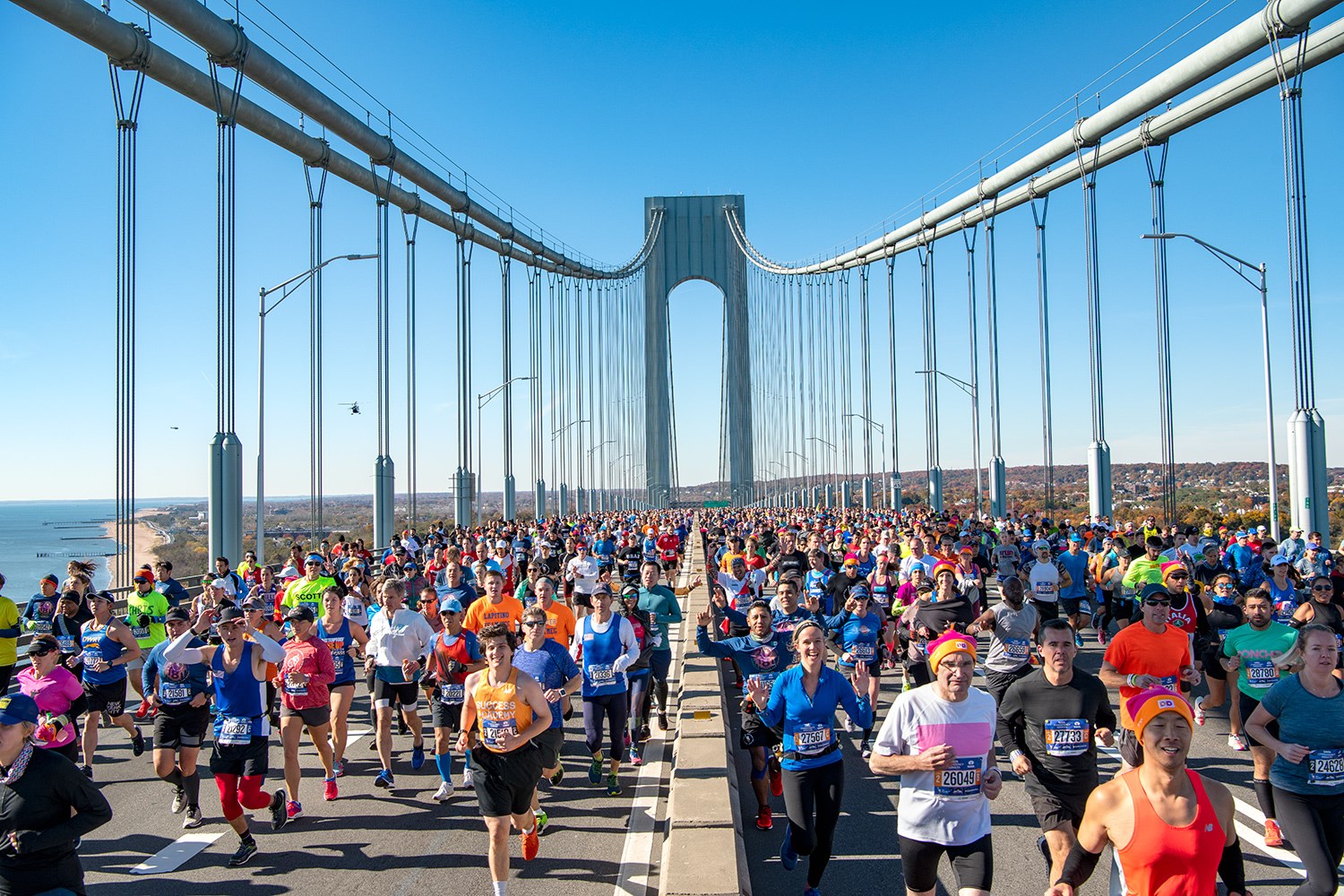
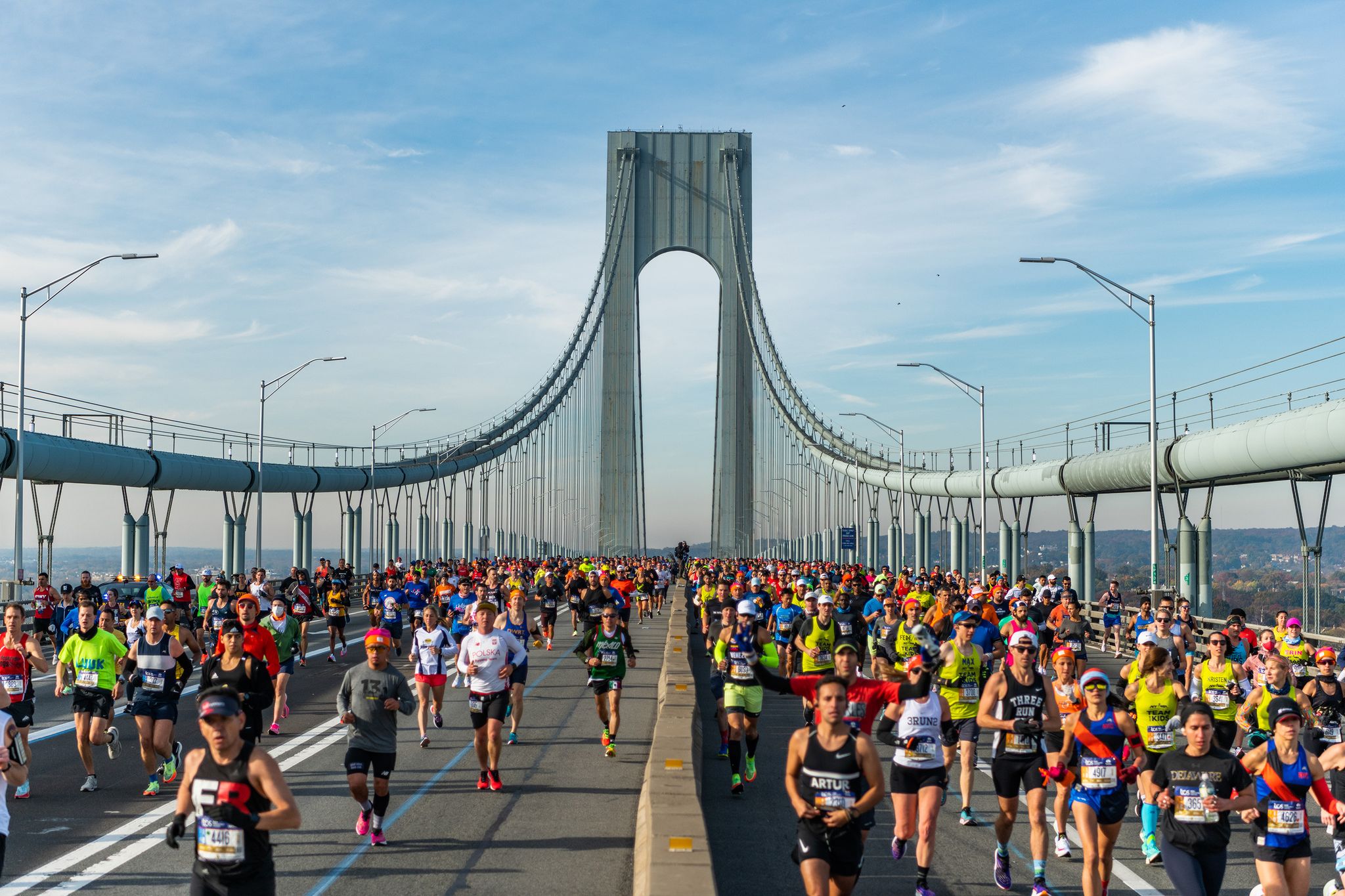
Getting around New York City is best done via its extensive public transportation system, operated by the MTA, which includes subways and buses. For runners, understanding race day logistics is paramount. The marathon famously starts on Staten Island, crossing the iconic Verrazzano-Narrows Bridge. New York Road Runners provides specific instructions for getting to the start villages, typically involving dedicated ferry services and bus transport from various points in Manhattan and New Jersey. Familiarize yourself with these plans to avoid race-day stress.
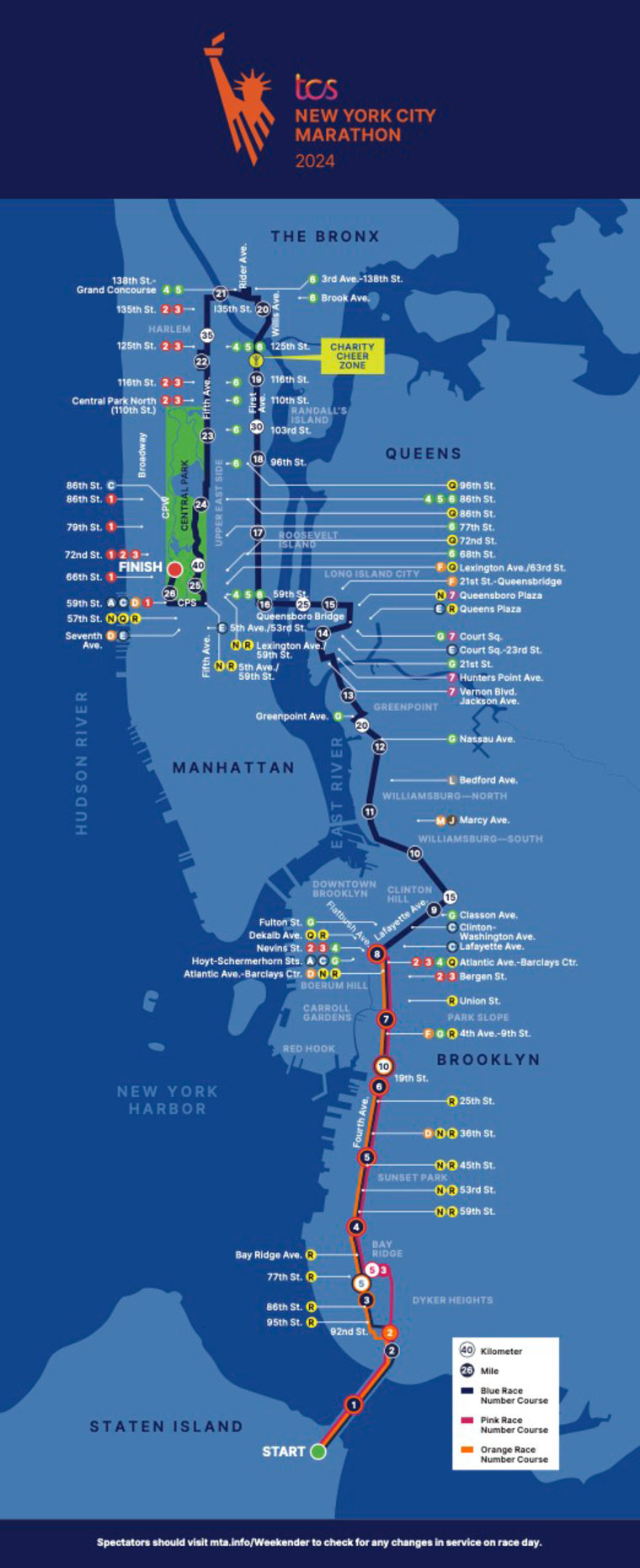
For spectators, strategic planning is key to catching your runner multiple times. The race winds through all five boroughs: Staten Island, Brooklyn, Queens, The Bronx, and Manhattan. Good viewing spots include Fourth Avenue in Brooklyn, Long Island City just before the Queensboro Bridge, First Avenue in Manhattan, and, of course, the final miles through Central Park. Utilize the subway system to jump between different viewing locations, but be prepared for crowds and possible service changes on race day.
Beyond the Race: Exploring New York City’s Attractions
A trip for the marathon is also an incredible opportunity to experience New York City’s world-class attractions. For first-time visitors or seasoned travelers, the city offers an endless array of destinations and experiences to complement the race excitement.
- Iconic Landmarks: No visit is complete without seeing the Statue of Liberty and Ellis Island, ascending the Empire State Building or Top of the Rock at Rockefeller Center for breathtaking views, or soaking in the neon glow of Times Square.
- Cultural Hubs: Explore the world-renowned Museum of Modern Art (MoMA) or the majestic Metropolitan Museum of Art (the Met). Catch a Broadway show, an integral part of the New York City lifestyle.
- Neighborhoods and Food: Wander through the charming streets of Greenwich Village and SoHo, explore the Chelsea Market, or stroll along The High Line for unique perspectives. New York City’s diverse culinary scene offers everything from street food to Michelin-starred dining, catering to every palate and budget.
- Relaxation and Recovery: Post-race, consider a leisurely walk through Central Park, a ferry ride to Governors Island, or simply finding a cozy cafe to reflect on the accomplishment.
Balancing race preparation with sightseeing requires careful scheduling. Many runners opt to do most of their heavy sightseeing in the days immediately following the marathon, allowing for rest and recovery pre-race. Engaging with the local culture and exploring the diverse offerings of New York City will undoubtedly enrich your marathon experience, turning it into an unforgettable tourism adventure.
Where to Stay: Accommodation for Marathon Weekend
Choosing the right accommodation for the New York City Marathon is a critical component of a successful and enjoyable trip. With tens of thousands of runners and even more spectators descending upon the city, hotel rooms become a precious commodity, and prices can fluctuate wildly. Strategic booking and an understanding of the city’s geography are essential.
Hotels and Accommodation Near the Route
The marathon course traverses all five boroughs, but most runners and spectators will find themselves focusing their accommodation search in Manhattan or closely adjacent areas of Brooklyn and Queens. The key is to balance proximity to the start, ease of access to the finish line in Central Park, and overall convenience for exploring the city.
- Near the Finish Line (Central Park): Areas like the Upper West Side and Upper East Side are highly sought after due to their proximity to the finish line. Staying here means a minimal walk back to your room after completing 26.2 miles. Hotels in these neighborhoods, such as The Plaza Hotel (though a bit further south but iconic) or smaller boutique properties, offer convenience but come at a premium.
- Midtown Manhattan: This central location, near landmarks like Times Square and Grand Central Terminal, offers excellent subway connectivity to almost anywhere in the city, including transportation hubs for the start line. Many large chain hotels, including options like the Grand Hyatt Hotel or Marriott Marquis, are located here, providing a wide range of choices.
- Downtown Brooklyn / Long Island City (Queens): These boroughs offer potentially more budget-friendly options while still providing excellent subway access to Manhattan. Downtown Brooklyn puts you closer to the early stages of the race if you’re spectating, and Long Island City provides stunning views of the Manhattan skyline and easy access to the Queensboro Bridge crossing.
- Other Manhattan Neighborhoods: Areas like Chelsea, Greenwich Village, or SoHo offer a vibrant lifestyle and great dining options, often with good subway connections, though they might require a bit more travel to race-specific points.
When selecting accommodation, consider amenities crucial for runners: a comfortable bed, a quiet environment, reliable Wi-Fi, and potentially early breakfast options or late checkout flexibility (though this might be hard to secure on marathon day). For spectators, proximity to a subway station and key viewing points will be a priority. Many hotels near the race course will offer special packages or considerations for marathon participants, so it’s worth inquiring.
Booking Tips and Considerations
The golden rule for marathon weekend accommodation is to book as early as possible.
- Dynamic Pricing: Hotel prices in New York City are subject to dynamic pricing, and demand during the marathon weekend drives rates significantly higher. Booking 8-12 months in advance is not uncommon and can secure better rates and a wider selection.
- Compare Options: Don’t limit yourself to traditional hotels. Consider serviced apartments or reputable vacation rentals (e.g., Airbnb, Vrbo) if you’re traveling with a group or prefer a more home-like experience. Always check reviews and cancellation policies.
- Read Reviews: Pay close attention to reviews regarding noise levels, bed comfort, and efficiency of check-in/check-out, especially for race weekend.
- Cancellation Policies: Given the unpredictable nature of injuries or personal circumstances, ensure your booking has a flexible cancellation policy.
- Transportation Access: Prioritize accommodation within a short walk of a subway station. This will be invaluable for race-day logistics and general sightseeing.
- Proximity to Expo: The TCS New York City Marathon Expo is a mandatory stop for bib pickup. While its location can vary, it’s typically in a convention center. Consider its location when planning travel from your hotel.
Whether you’re seeking a luxury travel experience or a budget travel option, careful planning for your accommodation will significantly enhance your overall New York City Marathon adventure, ensuring comfort and convenience before and after the big race.
The Marathon Experience: Lifestyle and Tourism
The New York City Marathon is more than just a race; it’s a profound human experience, a testament to months of dedication for runners, and an exhilarating spectacle for those who line the streets. It beautifully intertwines elements of a healthy lifestyle, intense personal challenge, and vibrant tourism, leaving an indelible mark on everyone involved.
For the Runners: Preparing for the Ultimate Challenge
For thousands, the journey to the Verrazzano-Narrows Bridge start line begins many months, even years, before that first Sunday in November. This rigorous preparation encompasses:
- Training Regimen: A structured training plan is paramount, gradually increasing mileage, incorporating speed work, long runs, and recovery. This physical conditioning builds the endurance needed to tackle 26.2 miles, particularly the challenging inclines of the New York City course.
- Nutrition and Hydration: Fueling the body correctly throughout training and particularly in the weeks leading up to the race is crucial. A balanced diet, strategic carb-loading, and consistent hydration are key to race day performance and avoiding the dreaded “bonk.”
- Mental Fortitude: Marathon running is as much a mental game as a physical one. Developing resilience, visualization techniques, and a strong positive mindset are essential for pushing through moments of doubt and discomfort, especially in the later miles.
- The Atmosphere: Race day itself is an emotional rollercoaster. From the nervous excitement at the start villages on Staten Island, overlooking the iconic Manhattan skyline, to the thunderous roar of the crowds on First Avenue and the final push through Central Park, the energy is palpable. Each borough brings its unique flavor of support, from gospel choirs in Harlem to enthusiastic hip-hop in The Bronx, creating an unparalleled motivational force. Runners often describe the crowd support as the “27th mile,” propelling them forward when their legs want to quit. This deep connection with the city and its people transforms a solitary endeavor into a shared journey of triumph.
For the Spectators: Immersing in the Festive Spirit
Spectating the New York City Marathon is an event in itself, drawing millions to the streets and showcasing the vibrant spirit of the city.
- Best Viewing Spots: Strategic planning can allow spectators to see their runner multiple times. Popular spots include Fourth Avenue in Brooklyn (early miles with huge crowds), the climb over the Queensboro Bridge (from Long Island City for views, or just after the bridge on First Avenue in Manhattan for a powerful welcome), and of course, the final miles along Fifth Avenue and inside Central Park.
- Supporting Your Runner: Creating personalized signs, bringing cowbells, and loudly cheering are all part of the tradition. Knowing your runner’s pace and estimated arrival times at different points can help you strategize your movements via the MTA subway system.
- Marathon Expo: Even if you’re not running, a visit to the TCS New York City Marathon Expo at the Jacob K. Javits Convention Center is highly recommended. It’s a bustling hub of vendors, official merchandise, and a fantastic way to soak up the pre-race excitement, learn about running lifestyle products, and mingle with athletes from around the world.
- Family Trips: The marathon weekend is ideal for family trips. Children are often mesmerized by the sheer number of runners and the festive atmosphere. Many local restaurants and attractions cater to families, making it a well-rounded holiday.
Post-Marathon Recovery and Celebration
The moment a runner crosses the finish line, a wave of relief, exhaustion, and immense pride washes over them. But the experience doesn’t end there.
- Recovery: Post-race recovery is vital. Hydration, nutrition, and gentle movement are key. Many runners book massages or spa treatments to soothe aching muscles. New York City offers numerous wellness centers and upscale spas, providing perfect sanctuaries for tired bodies.
- Celebration: This is a time for celebration! Whether it’s a quiet dinner with loved ones, a triumphant pub crawl, or simply enjoying the post-race glow in Central Park, the achievement is monumental. Many restaurants and bars around the city offer special deals for marathon finishers, a testament to the city’s appreciation for their effort.
- Exploring New York City in the Aftermath: With the physical challenge complete, runners can finally relax and explore the city’s attractions without the pressure of an impending race. This might involve a Broadway show, a visit to a museum like the American Museum of Natural History, a leisurely stroll through Greenwich Village, or simply savoring a delicious New York-style pizza.
- The Sense of Accomplishment: The New York City Marathon leaves participants with an indelible sense of accomplishment, a story to tell, and a bond with countless others who have undertaken the same journey. It’s a defining moment that resonates far beyond the 26.2 miles, enriching personal lifestyle and providing incredible memories for years to come.
In conclusion, the New York City Marathon, held every first Sunday of November, is a meticulously planned and passionately executed event that offers far more than just a race. It’s a comprehensive travel and tourism experience, a personal challenge, and a communal celebration that showcases the best of New York City to the world. From securing your entry and accommodation to navigating the course and exploring the city’s myriad attractions, every aspect contributes to an unforgettable autumn adventure in one of the most exciting cities on Earth.