
Florida, the Sunshine State, is renowned for its stunning beaches, vibrant theme parks, and year-round warmth. For many, it’s a dream destination for travel and a beloved place to call home. However, for those who suffer from allergies, the allure of the Sunshine State can be dampened by the presence of pollen. Understanding when pollen season hits Florida is crucial for planning a comfortable trip or enjoying daily life without the sniffles and sneezes. This comprehensive guide will delve into the specifics of Florida’s pollen seasons, helping you navigate the state’s natural beauty with ease.
Understanding Florida’s Unique Pollen Landscape
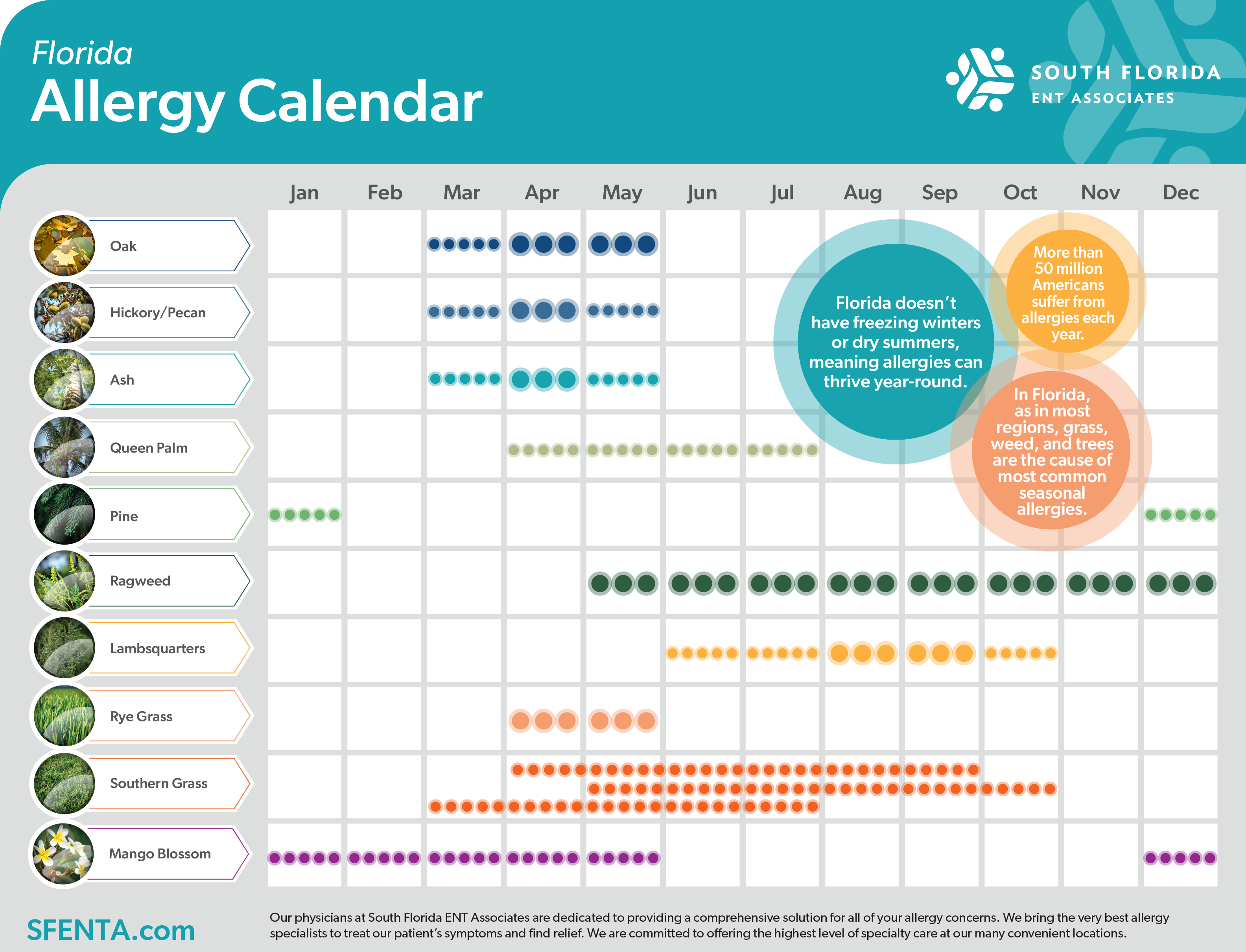
Florida’s diverse ecosystems, from the coastal wetlands to the pine forests, support a wide variety of plants that produce pollen. Unlike regions with distinct four-season cycles, Florida’s milder climate means that pollen production can be a more continuous affair, with peaks and lulls rather than strict start and end dates for distinct seasons. This makes it essential to distinguish between different types of pollen and their typical blooming periods.
Types of Pollen to Watch For
The primary culprits behind allergy symptoms in Florida are tree, grass, and weed pollens. Each has its own seasonality and can affect individuals differently.
Tree Pollen: The Early Bird and Persistent Player
Tree pollen is often the first sign that allergy season is upon us. In Florida, many trees begin releasing pollen in the late winter and early spring. Oak, pine, and cypress trees are significant contributors to the airborne pollen count.
- Late Winter to Early Spring (February – April): This is a critical period for tree pollen. Species like Oak, Pine, and Cypress are heavy pollen producers, particularly in North Florida and the central parts of the state. For visitors heading to Orlando for early spring break or to explore the natural beauty of Everglades National Park, this is a time when pollen counts can be quite high.
- Late Spring to Summer (May – July): While the peak for some trees might pass, others, like certain varieties of Maple and Birch, can continue to release pollen, though generally at lower levels.
Grass Pollen: The Summer Staple
As the weather warms up, grasses become a significant source of allergens. Florida has a vast expanse of lawns, golf courses, and natural grasslands that contribute to this pollen type.
- Spring to Summer (April – September): This is the prime time for grass pollen. The warm, humid conditions prevalent throughout much of Florida are ideal for grass growth and, consequently, pollen release. Whether you’re enjoying the beaches of Miami Beach or exploring the attractions in Tampa, grass pollen will likely be a factor during these months. Many resorts and hotels meticulously maintain their grounds, which can sometimes lead to localized increases in grass pollen.
Weed Pollen: The Late Bloomer and Lingering Annoyance
Weeds, often overlooked, are a major source of allergens, and their pollen season tends to extend later into the year.
- Late Summer to Fall (August – November): This is the peak season for weed pollen, with ragweed being a particularly notorious offender in many parts of the country. In Florida, other common weeds also contribute significantly. For those planning a fall getaway to experience the vibrant foliage in North Florida or to visit attractions like Busch Gardens Tampa Bay, weed pollen can be a major concern. The pollen from weeds can persist well into the cooler months, making it a lingering issue for allergy sufferers.
Regional Variations in Florida’s Pollen Seasons
While the general trends hold true across the state, there can be subtle differences in pollen intensity and timing depending on the region of Florida you are visiting or residing in.
North Florida: A More Pronounced Seasonal Shift
North Florida, including cities like Jacksonville and Tallahassee, experiences a slightly more defined seasonal shift compared to South Florida.
- Spring (February – May): This period sees a significant spike in tree pollen due to the prevalence of oak and pine forests in the region. The transition to grass pollen begins in late spring.
- Summer (June – August): Grass pollen is dominant.
- Fall (September – November): Weed pollen, particularly ragweed, becomes the main allergen.
Central Florida: The Theme Park Pollen Patrol
Central Florida, home to Orlando and its world-famous theme parks like Walt Disney World Resort and Universal Orlando Resort, experiences a prolonged allergy season due to its varied plant life and subtropical climate.
- Year-Round Potential: While certain periods are more intense, some level of pollen can be present year-round.
- Peak Seasons: Tree pollen peaks in late winter and early spring. Grass pollen dominates from spring through summer. Weed pollen becomes prominent in late summer and fall. The sheer volume of green spaces, parks, and gardens within and around the tourist hubs can contribute to higher local pollen counts.
South Florida: A Less Distinct, More Humid Season
South Florida, including Miami and the Florida Keys, generally has a less pronounced pollen season compared to the northern parts of the state, largely due to its coastal environment and different dominant plant species. However, humidity can exacerbate allergy symptoms.
- Milder Peaks: Tree pollen might not have as dramatic a peak, though some species still contribute.
- Extended Grass Pollen: Grass pollen can be present for a longer duration, often well into the fall, due to the consistently warm temperatures.
- Windborne Pollen: Coastal winds can sometimes carry pollen from other regions, affecting air quality. For those staying at beachfront resorts like the Fontainebleau Miami Beach, the sea breeze might offer some respite, but it can also bring in other allergens.
Planning Your Florida Visit or Stay with Pollen in Mind
Whether you’re planning a luxurious resort getaway, a budget-friendly family trip, or a long-term stay, understanding Florida’s pollen calendar can significantly enhance your experience.
Timing Your Travel for Allergy Relief
- Best Bets for Low Pollen: The driest months, typically November through January, often see the lowest pollen counts statewide. This period offers a great opportunity to enjoy outdoor activities and attractions without significant allergy interference. This is an ideal time for exploring the natural wonders of the Everglades or visiting the historic sites in St. Augustine.
- Periods to Be Wary Of:
- February – April: High tree pollen, especially in North Florida.
- April – September: High grass pollen across the state.
- August – November: High weed pollen, particularly towards the end of this window.
Preparing for Pollen Season
If you must travel during peak pollen seasons, or if you live in Florida and manage seasonal allergies, there are several strategies to help you cope.
- Monitor Local Pollen Counts: Websites and apps dedicated to allergy forecasts can provide daily updates for specific regions in Florida. This allows you to adjust your outdoor plans accordingly.
- Choose Your Accommodation Wisely: Hotels and resorts often have advanced air filtration systems. Look for accommodations that highlight their air quality measures, especially if you’re booking a suite or a villa for a longer stay. Staying in an apartment with good ventilation or a modern hotel can make a difference.
- Limit Outdoor Exposure During Peak Hours: Pollen counts are generally highest in the morning. Planning outdoor activities for the late afternoon or evening, when pollen counts may have dropped, can be beneficial.
- Keep Windows and Doors Closed: At your accommodation or home, keeping windows and doors shut, especially during peak pollen times, will help keep allergens out.
- Utilize Air Purifiers: Investing in a portable air purifier for your hotel room or home can significantly improve indoor air quality.
- Stay Hydrated and Rinse Off: Drinking plenty of water can help thin mucus. Showering and changing clothes after spending time outdoors can remove pollen from your body and clothing.
- Consult Your Doctor: If you have severe allergies, consult your doctor before your trip. They can recommend appropriate antihistamines, nasal sprays, or other treatments.
Florida’s allure extends beyond its sunny disposition; it’s a state rich in natural beauty and cultural experiences. By understanding and preparing for its pollen seasons, visitors and residents alike can fully embrace all that the Sunshine State has to offer, ensuring a comfortable and enjoyable experience throughout the year. Whether you’re planning to relax on the beaches of Clearwater Beach or explore the vibrant art scene in Wynwood Walls, a little planning goes a long way in managing allergy symptoms and maximizing your enjoyment of this beautiful destination.
LifeOutOfTheBox is a participant in the Amazon Services LLC Associates Program, an affiliate advertising program designed to provide a means for sites to earn advertising fees by advertising and linking to Amazon.com. Amazon, the Amazon logo, AmazonSupply, and the AmazonSupply logo are trademarks of Amazon.com, Inc. or its affiliates. As an Amazon Associate we earn affiliate commissions from qualifying purchases.