
California, the Golden State, is a land of diverse landscapes, from sun-drenched beaches to snow-capped mountains, bustling metropolises to tranquil desert expanses. When planning a trip to this iconic destination, understanding its climate, and specifically its rainy season, is crucial for an optimal experience. Unlike regions with distinct, predictable monsoon periods, California experiences a more nuanced wet season, largely dictated by the Pacific Ocean’s atmospheric rivers and winter storm systems. This guide will delve into the typical timing of California’s rainy season, its regional variations, and how to best plan your travels around it, ensuring you can enjoy everything from the theme parks of Anaheim to the redwood forests of the North Coast.
Understanding California’s Climate Patterns
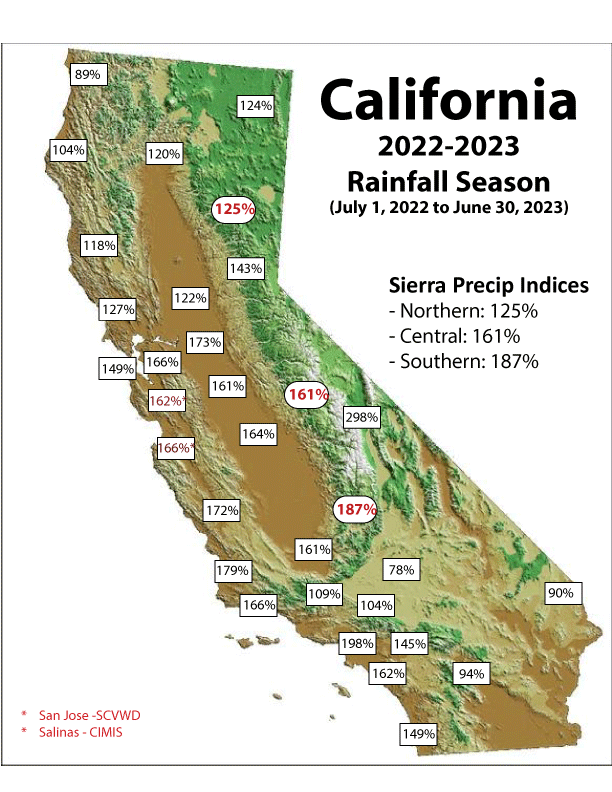
California’s climate is famously Mediterranean in its coastal regions, characterized by mild, wet winters and warm, dry summers. However, the vastness of the state means significant climatic variations. Northern California, for instance, generally receives more rainfall than Southern California. Inland areas, especially deserts like Death Valley National Park, are arid year-round, experiencing very little precipitation. Mountainous regions, such as the Sierra Nevada, receive substantial snowfall in winter, contributing significantly to the state’s water supply.
The primary driver of precipitation in California is the westerly flow of weather systems from the Pacific. These systems are often fueled by “atmospheric rivers,” narrow corridors of concentrated moisture that can bring heavy rainfall and flooding. The intensity and frequency of these systems determine the severity of the rainy season.
When to Expect Rain: The Core Rainy Season
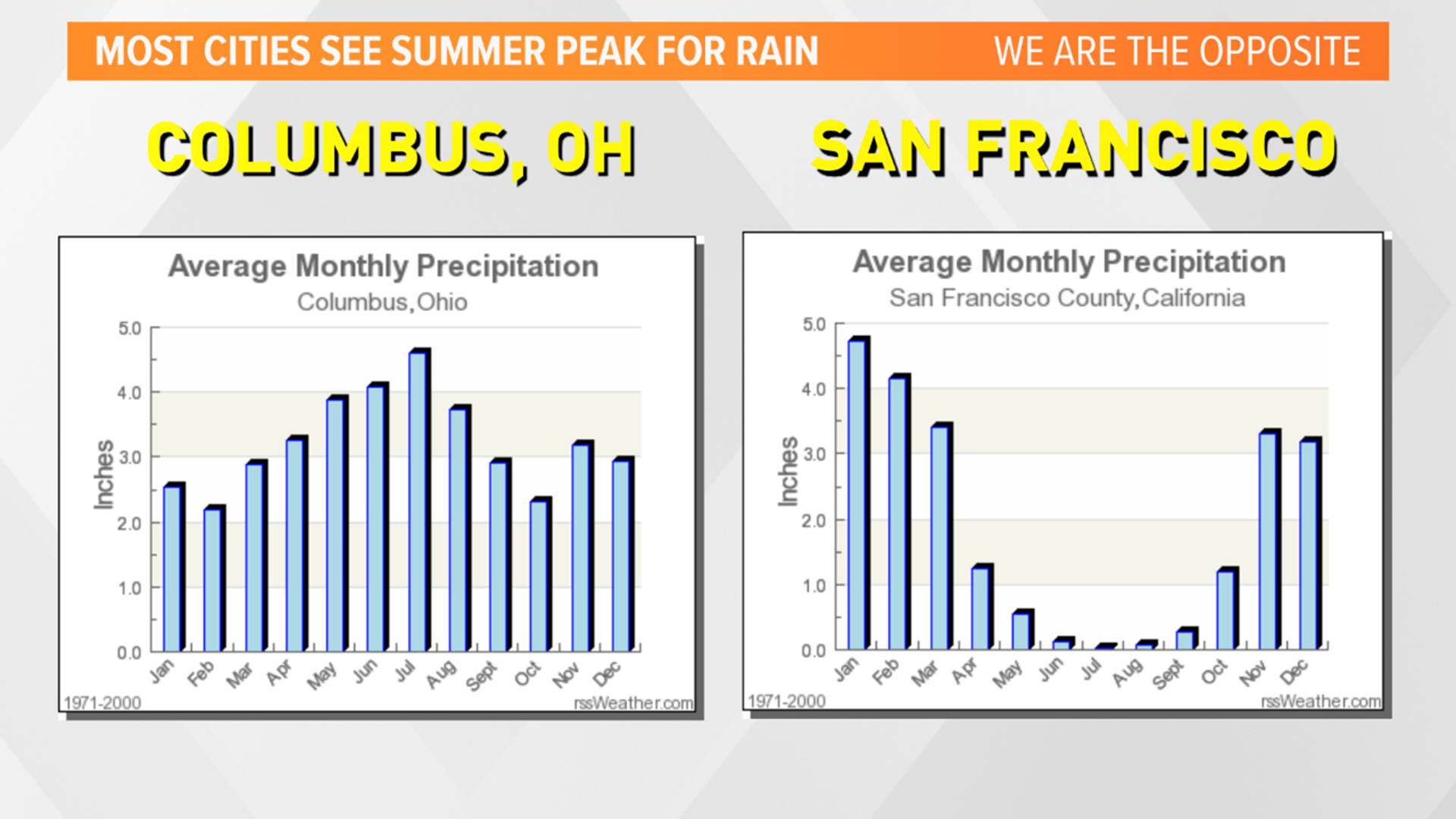
The official “rainy season” in California is generally considered to be November through March. During these months, the jet stream shifts southward, allowing Pacific storm systems to more readily impact the state.
-
November: While still often pleasant, November can mark the beginning of increased rainfall, particularly in Northern California. Early-season storms are not uncommon, offering a preview of the wetter months ahead. This can be a good time to visit if you prefer fewer crowds and are prepared for occasional showers, especially if your itinerary includes exploring the vineyards of Napa Valley or the urban charm of San Francisco.
-
December: This is typically when the rainy season gains momentum. Significant storm systems can bring widespread rain across the state. For those dreaming of a winter wonderland in the Lake Tahoe region, December often delivers the first substantial snowfalls, making it an ideal time for skiing and snowboarding. Coastal areas, like San Diego, may experience overcast skies and intermittent rain, though sunshine is still frequent.
-
January: Often the wettest month for much of California, January can bring prolonged periods of rain. This is a prime time for snow accumulation in the mountains and substantial rainfall in the valleys and along the coast. While outdoor activities might be limited on particularly wet days, it’s an excellent time to explore museums in Los Angeles, enjoy cozy lodging, or witness the dramatic power of the ocean.
-
February: Similar to January, February usually continues the pattern of wet weather. Storms are still frequent, and the snowpack in the mountains continues to build. For nature enthusiasts, February can be a beautiful time to see California’s landscapes refreshed by the rain, with waterfalls at their most impressive, especially in areas like Yosemite National Park.
-
March: As spring approaches, the frequency and intensity of storms typically begin to decrease. However, March can still deliver significant rainfall, especially in Northern California. By late March, you might start to see the first signs of spring wildflowers in some areas, offering a pleasant transition from the rainy season.
Regional Variations in California’s Rainy Season
California’s diverse geography leads to distinct differences in its rainy season patterns. Understanding these regional nuances is key to tailoring your travel plans.
Northern California: The Wetter Frontier
Northern California, encompassing cities like San Francisco, Oakland, and the rugged Mendocino Coast, generally receives more precipitation than its southern counterpart. The rainy season here typically starts earlier, often in late October or early November, and extends later, sometimes into April.
-
Coastal Areas: The coast experiences a maritime influence, leading to frequent cloud cover and rain, though temperatures remain mild. Fog is a common occurrence, especially during the winter months.
-
Inland Valleys and Mountains: Areas like the Sacramento Valley and the Sierra Nevada receive substantial rainfall and snowfall, respectively. The mountains are crucial for water storage, with snowmelt feeding rivers throughout the spring and summer. This makes it a prime destination for winter sports enthusiasts aiming for resorts like Mammoth Mountain.
Central California: A Transition Zone
The central part of the state, including the San Joaquin Valley and the Central Coast, represents a transitional climate. Rainfall is more moderate than in the north but still significant during the winter months.
-
Central Coast: Cities like Monterey and Santa Barbara enjoy a Mediterranean climate with wet winters. While rain is present, sunshine is also common, making it a pleasant time to explore the coastline and its charming towns.
-
Inland Agricultural Areas: The San Joaquin Valley relies heavily on winter rains and snowmelt from the Sierra Nevada for its agricultural output. While drier than the coast, it can still experience periods of rain during the core rainy season.
Southern California: The Sunshine State’s Mild Winter
Southern California, home to Los Angeles, San Diego, and the deserts, is known for its dry, sunny climate. The rainy season here is less pronounced, with rainfall concentrated primarily from November to March.
-
Coastal and Inland Basins: While rain does occur, it is often in the form of less frequent, albeit sometimes intense, storms. Southern California typically receives about half the rainfall of Northern California. Even during the rainy season, there are often extended periods of sunshine, making it a popular winter escape.
-
Mountains: The mountains of Southern California, such as the San Gabriel Mountains, do receive snow, allowing for winter sports, though generally less than the Sierra Nevada.
-
Deserts: Deserts like Joshua Tree National Park and the Mojave Desert are arid year-round. They receive very little precipitation, with occasional heavy, short-lived downpours being the norm during winter. These can sometimes cause flash floods.
Making the Most of Your California Trip, Rain or Shine
Even during the rainy season, California offers a wealth of experiences. The key is to be flexible and prepared.
Planning Your Itinerary
-
Embrace Indoor Activities: Cities like Los Angeles boast world-class museums, art galleries, and entertainment venues. San Francisco offers iconic attractions like Alcatraz Island and the Golden Gate Bridge, many of which are enjoyable even on a drizzly day. The unique theme parks in Southern California, such as Disneyland Park and Universal Studios Hollywood, often have plenty of indoor attractions and covered areas.
-
Winter Sports: If you’re visiting between December and March, heading to the mountains for skiing, snowboarding, or snowshoeing is a fantastic option. The Sierra Nevada offers numerous resorts catering to all skill levels.
-
Scenic Drives: California’s diverse landscapes can be appreciated from the comfort of your car. A drive along the coast, even with occasional rain, can be dramatic and beautiful. Explore wine regions like Sonoma County, where cozy wineries offer tastings and vineyard views.
-
Spring Wildflowers: For trips in late March or April, you might be lucky enough to witness the spectacular bloom of wildflowers in certain regions, a beautiful reward after the rains.
Packing Essentials
Regardless of the season, packing layers is always advisable in California. During the rainy season, consider:
- Waterproof Jacket: Essential for staying dry during downpours.
- Umbrella: A compact umbrella is useful for city exploration.
- Waterproof Footwear: Comfortable walking shoes that can handle wet conditions.
- Warm Layers: Evenings can be cool, especially in coastal areas.
- Quick-Dry Clothing: Helpful if your clothes get damp.

Accommodation and Booking
The rainy season can be a great time to find deals on hotels and vacation rentals. Many resorts and hotels, from luxury options in Beverly Hills to charming bed and breakfasts along the coast, offer lower rates during these months. Booking in advance is still recommended, especially for popular destinations or during holiday periods, but you may find more availability and better pricing. Consider accommodations with amenities like indoor pools, spas, or cozy fireplaces for a truly relaxing experience during inclement weather. For long-term stays or extended vacations, comparing options on various booking platforms can yield significant savings.
In conclusion, California’s rainy season typically spans from November to March, with Northern California experiencing more consistent rainfall than Southern California. While this period might deter some travelers, it presents unique opportunities for those who plan wisely, from enjoying snow sports in the mountains to exploring indoor attractions in its vibrant cities. By understanding the regional climate variations and packing accordingly, you can ensure a memorable and enjoyable trip to the Golden State, no matter the weather.