
Hawaii, a tropical paradise renowned for its breathtaking beaches, lush landscapes, and vibrant culture, is a dream destination for travelers worldwide. However, like any island chain in the Pacific, it is susceptible to weather patterns that can impact travel plans. Understanding when storm season occurs in Hawaii is crucial for visitors hoping to make the most of their vacation, ensuring they can plan accordingly and enjoy the Aloha State to its fullest. While Hawaii is generally blessed with pleasant weather year-round, there are specific periods when the likelihood of storms, including hurricanes, increases. This guide will delve into the nuances of Hawaii’s weather, focusing on its storm season, what to expect, and how to prepare for a memorable and safe trip.
Understanding Hawaii’s Climate and Weather Patterns
Hawaii’s climate is primarily defined by its tropical latitude and the influence of the Pacific Ocean. The islands experience two main seasons: a dry season and a wet season. This distinction, however, is not as pronounced as in many other tropical regions, and rainfall can vary significantly from one island to another, and even within different regions of the same island. For instance, the windward (northeastern) sides of the islands tend to receive more rainfall than the leeward (southwestern) sides, which are often drier and sunnier.
The trade winds, prevalent for most of the year, play a significant role in moderating the temperature and bringing gentle breezes. These winds are a hallmark of the Hawaiian experience, contributing to the comfortable climate that attracts millions of visitors annually. However, these same trade winds can also carry storms into the region.
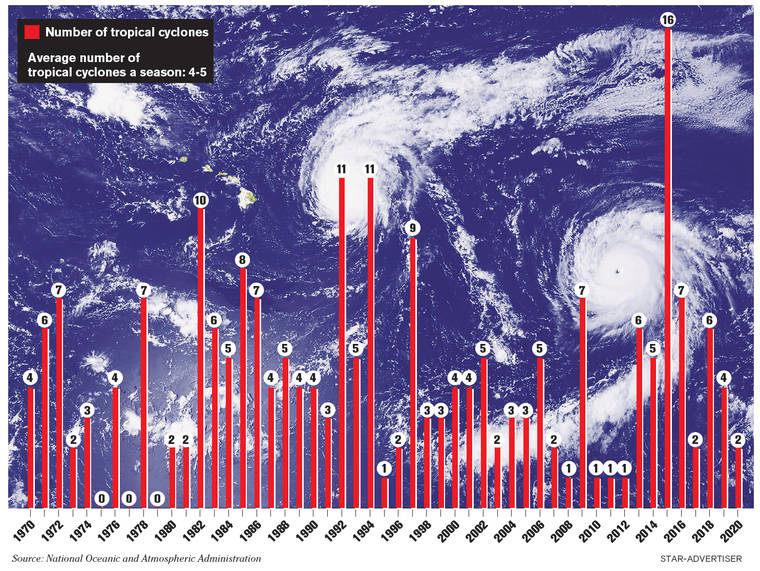
The primary concern when discussing “storm season” in Hawaii is the potential for tropical cyclones, which include tropical depressions, tropical storms, and hurricanes. These powerful weather systems originate over warmer ocean waters and can bring heavy rainfall, high winds, and dangerous surf conditions. While Hawaii experiences these phenomena, it’s important to note that direct hits from major hurricanes are relatively rare. The islands’ location in the vast Pacific Ocean, combined with cooler ocean waters and the prevailing trade winds, can often steer storms away or weaken them before they reach land.
The Nuances of the Wet Season and Hurricane Potential
The traditional “wet season” in Hawaii runs from roughly November to April. During this period, rainfall generally increases across the islands, though as mentioned, the distribution is uneven. This season is also characterized by cooler temperatures and higher surf, particularly on the north and west shores of the islands, making it a prime time for experienced surfers to visit and witness the legendary waves of the North Shore of Oahu.
However, when people inquire about “storm season,” they are often specifically referring to the period when tropical cyclones pose a threat. The official hurricane season for the Eastern North Pacific Ocean, which includes Hawaii, is from May 15th to November 30th. This broad timeframe encompasses the majority of the year and highlights why visitors should always be aware of weather conditions, regardless of the specific month.
Within this broader hurricane season, there are typically periods of heightened activity. The most active months for hurricanes in Hawaii are generally August, September, and October. During these months, the ocean temperatures are at their warmest, providing the ideal conditions for tropical cyclones to form and intensify. While the probability of a direct hit remains low, the potential for these storms to impact the islands increases during this late summer and early autumn window.
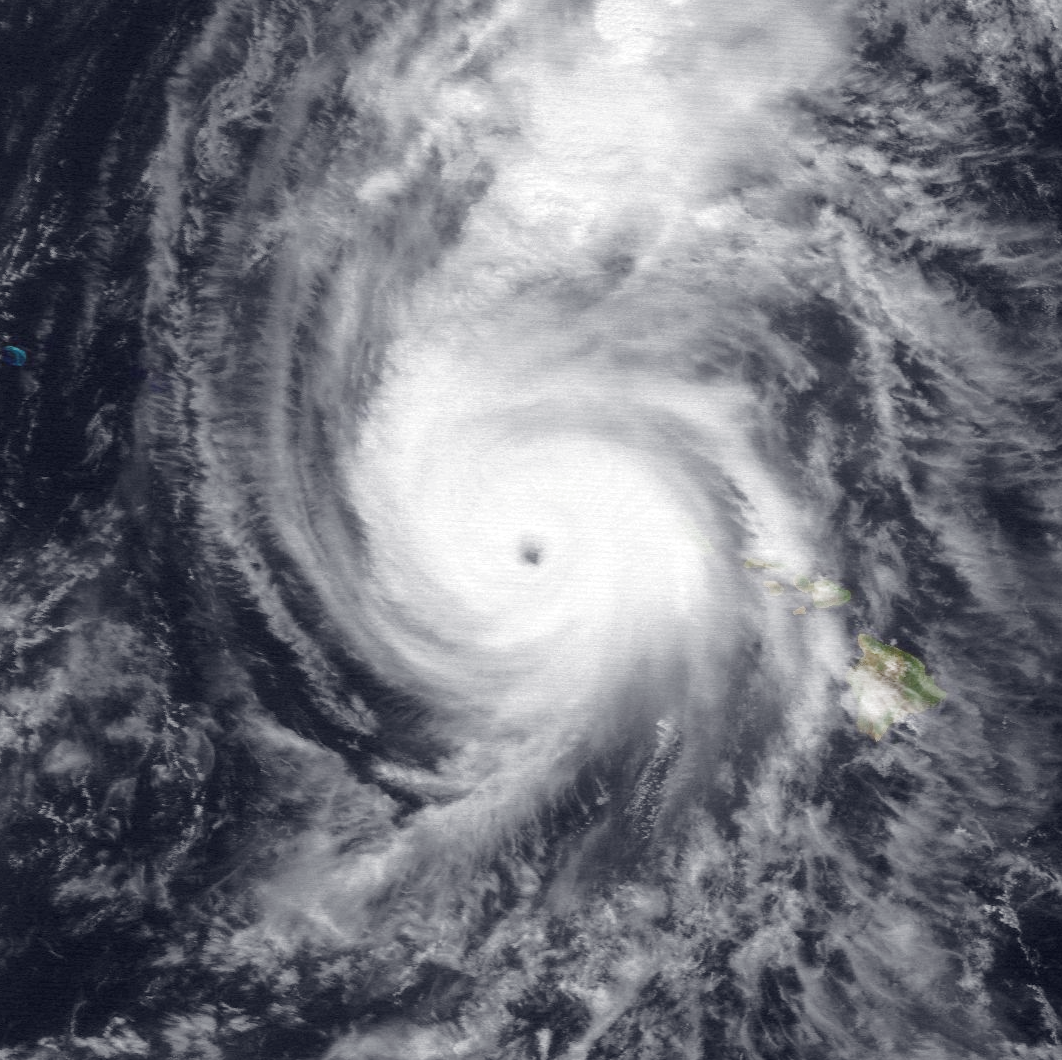
It’s crucial to differentiate between a storm affecting Hawaii and a direct hit. Storms passing near the islands can still bring significant rainfall, strong winds, and rough seas, even if they don’t make landfall directly. This can lead to disruptions in travel, flight cancellations, and the closure of some outdoor attractions and activities.
Navigating Storm Season: Preparation and Travel Tips
While the prospect of storms might seem daunting, it doesn’t have to deter you from visiting Hawaii. With proper planning and awareness, you can still have an incredible experience. The key is to be informed and adaptable.

When to Travel: Balancing Weather and Crowds
The shoulder seasons often present an attractive option for travelers seeking good weather and fewer crowds.
- Late April to May: This period marks the transition from the wet season to the drier, warmer months. You’ll likely experience pleasant weather with a lower chance of significant rainfall, and the peak tourist crowds of winter have usually dispersed.
- September to November (early): Following the most active part of hurricane season, this period can still offer warm temperatures and less congestion. However, it’s wise to monitor weather forecasts closely as hurricane activity can sometimes extend into late November.
Conversely, the most popular – and often busiest – times to visit Hawaii are during the winter months (December to March), coinciding with school holidays and the desire for a warm escape from colder climates. While this period generally has good weather, it is technically part of the wetter season, and unexpected storms can occur.
What to Expect During Storm Season
If your travel dates coincide with the period of increased storm activity, here’s what you might encounter:
- Increased Rainfall: Even if a hurricane doesn’t directly impact the islands, you might experience more frequent and intense rain showers. These can range from brief downpours to prolonged periods of rain.
- High Winds: Strong winds can accompany storms, affecting outdoor activities and potentially causing minor disruptions.
- Rough Seas and High Surf: Storms offshore can generate large swells that impact beaches, making swimming and other water activities dangerous. Beaches may be closed due to hazardous conditions.
- Flight Delays and Cancellations: In the event of a significant storm approaching or impacting the islands, airlines may proactively cancel or delay flights to ensure the safety of passengers and crew.
- Closures of Attractions: Some outdoor attractions, national parks like Haleakala National Park or Hawaii Volcanoes National Park, and even certain beaches or trails might be temporarily closed for safety reasons.
Preparing for Potential Weather Events
Proactive preparation is the best defense against potential weather disruptions.
- Monitor Weather Forecasts: Before and during your trip, regularly check reputable weather sources such as the National Weather Service and the Central Pacific Hurricane Center. Pay close attention to any tropical storm or hurricane watches and warnings issued for Hawaii.
- Travel Insurance: Investing in comprehensive travel insurance is highly recommended, especially if you are traveling during the hurricane season. Ensure your policy covers trip cancellations, interruptions, and medical emergencies due to severe weather.
- Flexible Itinerary: Build some flexibility into your travel plans. If certain outdoor activities are canceled due to weather, have backup indoor options or alternative plans. Many of Hawaii’s islands offer a wealth of experiences beyond beaches and hikes, including museums, cultural centers, and shopping.
- Book Direct and Understand Policies: When booking accommodations like Aulani, A Disney Resort & Spa or The Ritz-Carlton, Kapalua, check their cancellation and rebooking policies in case of severe weather. Booking directly with hotels or resorts can sometimes offer more flexibility than through third-party booking sites.
- Stay Informed Locally: Once you are on the ground, heed any advice or warnings from local authorities and your accommodation providers. They will have the most up-to-date information regarding safety and local conditions.
- Pack Appropriately: While you’ll pack for a tropical vacation, consider bringing a lightweight rain jacket and waterproof bags for electronics, just in case. Comfortable walking shoes are always a good idea, regardless of the weather.
Beyond Storm Season: Enjoying Hawaii’s Best
Even with the awareness of storm season, it’s vital to remember that Hawaii offers incredible experiences year-round. The vast majority of trips to the islands are enjoyed without significant weather-related disruptions. The lush beauty of Kauai, the volcanic wonders of the Big Island, the iconic beaches of Maui, and the bustling energy of Oahu all await.
When planning your trip, consider the specific activities you wish to engage in. For example, whale watching is best from December to May, predominantly falling within the wetter, yet less hurricane-prone, season. If your primary focus is basking on sunny beaches and engaging in water sports that require calmer conditions, aiming for the drier months (May to September) might be preferable, though you’ll still be within the broader hurricane season window.
Ultimately, Hawaii’s allure lies in its diverse landscapes and vibrant culture, which can be appreciated in all weather. The “storm season” is a period of heightened awareness, not a reason to avoid this magnificent destination. By understanding the patterns, preparing diligently, and maintaining a flexible attitude, visitors can ensure their Hawaiian adventure is filled with unforgettable memories, regardless of the prevailing weather. Whether you’re exploring the historic sites of Pearl Harbor, hiking through the stunning Na Pali Coast on Kauai, or simply relaxing at a luxurious resort like Four Seasons Resort Oahu at Ko Olina, the spirit of aloha is ever-present.