
The allure of Hawaii, with its sun-drenched beaches, verdant landscapes, and vibrant culture, draws millions of visitors each year. When planning a dream vacation to the Aloha State, a crucial question often arises: “When is summer in Hawaii?” While many associate summer with the months of June, July, and August, Hawaii’s tropical climate presents a slightly different picture, offering a pleasant experience year-round. However, understanding the nuances of Hawaii’s seasons can help you tailor your trip to your preferences, whether you’re seeking the warmest waters, the most sunshine, or the best deals on hotels and accommodations.
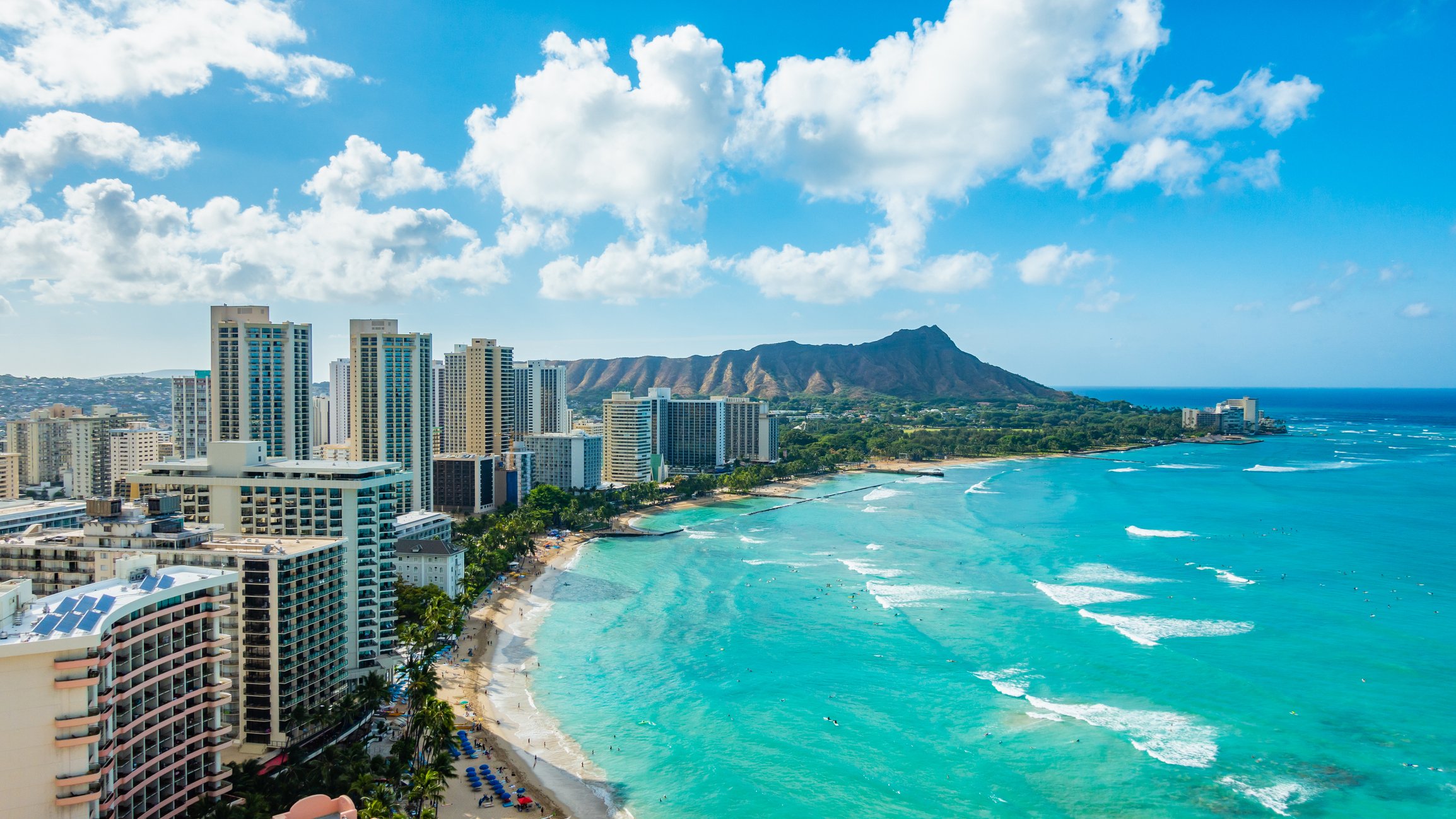
Hawaii doesn’t experience the drastic temperature swings characteristic of continental climates. Instead, the islands enjoy two main seasons: a warmer, drier season and a cooler, wetter season. The warmer, drier season is often referred to as the “summer” or “dry season,” while the cooler, wetter season is known as the “winter” or “wet season.”
Understanding Hawaii’s Distinct Seasons
Hawaii’s unique geographical location in the middle of the Pacific Ocean significantly influences its climate. Unlike many parts of the world that have four distinct seasons, the islands largely experience a tropical climate with consistent temperatures throughout the year, averaging around 80°F (27°C) during the day. However, subtle differences mark the transition between the two primary seasons, and these differences can impact your travel experience.
The “Summer” or Dry Season: May to October
The period from May through October is generally considered Hawaii’s summer. This is the warmer and drier of the two seasons, making it an incredibly popular time for tourism. During these months, you can expect abundant sunshine, especially on the leeward (western and southern) sides of the islands. The average daytime temperatures hover around 80-85°F (27-29°C), with slightly cooler evenings. The ocean waters are also at their warmest, typically ranging from 78-82°F (26-28°C), making it ideal for swimming, snorkeling, and surfing.
The trade winds, a consistent breeze that blows from the northeast, are usually more prominent during the summer months. These winds help to temper the heat, keeping the islands feeling comfortable. While this season is drier overall, brief, localized showers can still occur, particularly on the windward (eastern and northern) sides of the islands. These showers are often short-lived and can be a welcome sight, refreshing the lush nature and vibrant flora.
This “summer” is also characterized by longer daylight hours, giving you more time to explore attractions, enjoy activities, and soak in the local culture. For families planning family trips, this period often aligns with school holidays, making it a prime time for vacations. However, due to its popularity, expect higher travel costs, larger crowds at popular landmarks, and the need for advance booking for hotels, resorts, and accommodations.
The “Winter” or Wet Season: November to April
The period from November to April marks Hawaii’s cooler and wetter season, often referred to as its “winter.” While it’s called winter, it’s crucial to remember that temperatures remain mild, with daytime highs typically in the mid-70s to low 80s°F (24-27°C). The ocean temperatures are slightly cooler, averaging around 74-78°F (23-26°C), which can still be quite pleasant for many water activities.
This season sees a slight increase in rainfall across the islands. The windward sides of the islands tend to receive more precipitation, contributing to the lush, green landscapes that Hawaii is famous for. However, this doesn’t mean constant rain. Often, the rain falls in brief, heavy downpours, especially in the mornings or evenings, leaving plenty of sunshine in between. The leeward sides of the islands generally remain drier and sunnier.
The “winter” season also brings larger surf to the north and west shores of the islands, a phenomenon that attracts professional surfers and spectators to iconic surf spots like the Banzai Pipeline on the North Shore of Oahu. For those interested in watching professional surfing or experiencing the power of the Pacific waves, this is the prime time.
From a travel perspective, the “winter” season can offer more budget-friendly options for hotels and flights, especially outside of the peak holiday periods like Christmas and New Year’s. This can be an excellent time for budget travel or for those looking for a slightly less crowded experience. It’s also a fantastic time to explore the rich history and culture of the islands, as many festivals and events take place during these months.
Timing Your Visit for Specific Experiences
Beyond the general “summer” and “winter” distinctions, Hawaii offers a range of experiences that can be enhanced by timing your visit strategically. Whether your priority is perfect beach weather, whale watching, or immersing yourself in local festivities, there’s an optimal time.
Beach Bliss and Water Activities
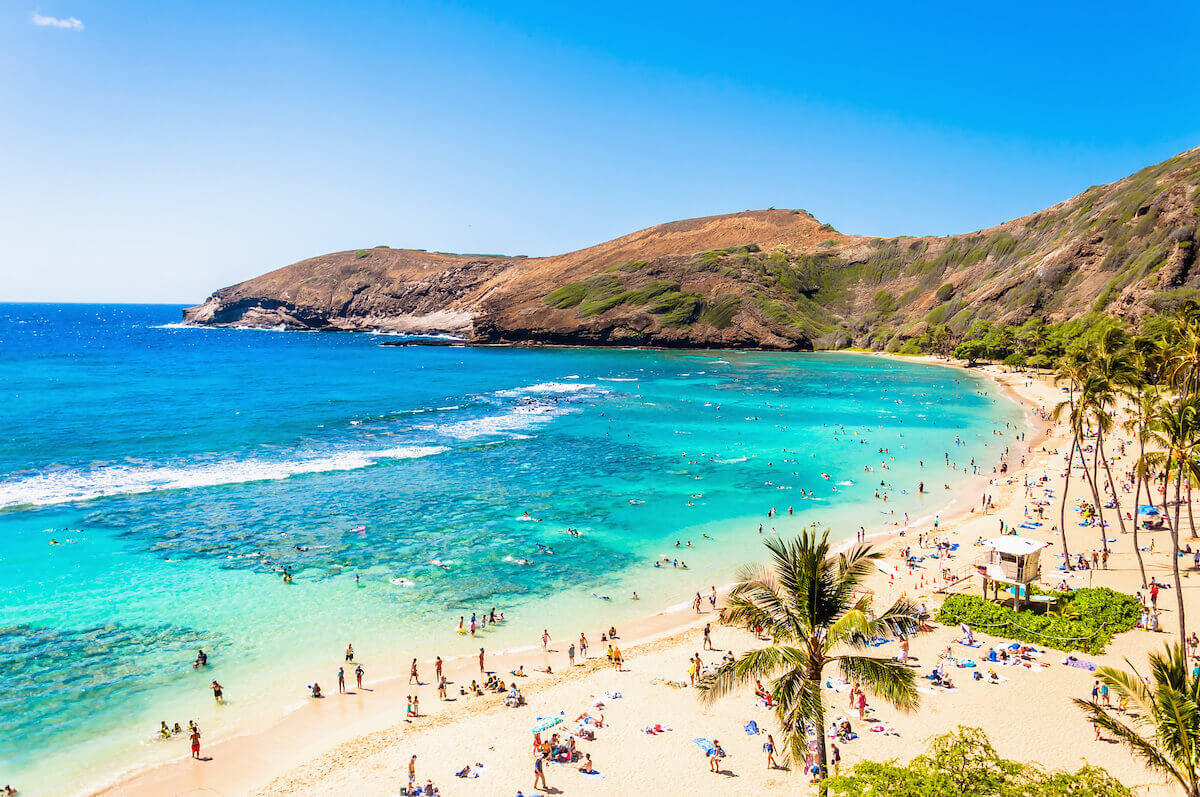
If your primary goal is to lounge on sun-drenched beaches and enjoy calm, warm waters for swimming, snorkeling, or paddleboarding, aim for the drier months of May, June, July, August, September, and October. During this period, the leeward coasts of islands like Maui and Oahu are particularly idyllic. You’ll find crystal-clear waters and plenty of sunshine, perfect for exploring the underwater world at places like Hanauma Bay. The warmer ocean temperatures are a significant draw for those who prefer to spend extended periods in the water. For those considering long-term stays or apartments, these months offer consistently pleasant conditions.
Whale Watching Season
Hawaii is a world-renowned destination for whale watching, with the humpback whales migrating to the warm waters of the Hawaiian Islands to breed and give birth. The peak of this migration typically occurs from December to April, with January and February often being the most active months. Maui, especially the waters between Maui, Lanai, and Molokai, is considered one of the best places in the world to witness these magnificent creatures. Numerous boat tours depart from harbors like Lahaina Harbor and Ma’alaea Harbor to offer close-up views of the whales breaching and playing. If your travel dreams include seeing these gentle giants, plan your visit during the “winter” months.
Festivals and Cultural Immersion
Throughout the year, Hawaii hosts a vibrant array of festivals and cultural events celebrating its rich Polynesian heritage. The Merrie Monarch Festival, a prestigious hula competition, typically takes place in Hilo on the Big Island during April. This is a significant event for experiencing authentic Hawaiian culture and the artistry of hula. Other festivals, such as the Na Mea Hawaii Festival celebrating Hawaiian arts and crafts, and various food festivals, occur throughout the year. The drier summer months often coincide with many outdoor festivals and celebrations, while the cooler winter months can host indoor events and competitions. Researching specific events on the islands you plan to visit will help you align your trip with desired cultural experiences.
Practical Considerations for Planning Your Trip
When planning your Hawaiian getaway, beyond understanding the seasonal variations, several practical aspects tied to accommodation and lifestyle should be considered. These include booking in advance, understanding local transportation, and considering different accommodation options to suit your travel style.
Booking Your Accommodation and Flights
Hawaii is a highly sought-after destination, and booking accommodation and flights well in advance is crucial, especially if you plan to visit during the peak summer months (June-August) or the holiday season (late December-early January). Popular hotels, resorts, and villas can fill up quickly, and prices can surge significantly closer to the travel dates.
For those seeking luxury travel, booking top-tier resorts like the Four Seasons Resort Maui at Wailea or the Halekulani hotel on Oahu requires early planning. Similarly, for budget travel, securing affordable flights and apartments or vacation rentals during the shoulder seasons (April-May and September-October) can lead to substantial savings. The shoulder seasons offer a great balance of pleasant weather and fewer crowds.
When comparing accommodation options, consider the island and specific location. For instance, if you’re visiting Kauai, known as the “Garden Isle,” you might opt for a secluded villa for a more tranquil experience, whereas in bustling Honolulu, you might prefer a hotel with easy access to Waikiki Beach and city attractions. Many platforms offer reviews and comparison tools to help you find the perfect fit.

Exploring the Islands and Embracing Local Life
Each Hawaiian island offers a unique experience, from the volcanic landscapes of the Big Island to the dramatic cliffs of Kauai, the iconic beaches of Oahu, and the luxurious resorts of Maui. Understanding how to navigate between and around these islands is part of the travel adventure.
For inter-island travel, Hawaiian Airlines and Southwest Airlines offer frequent flights. Within each island, renting a car is often the most convenient way to explore landmarks, discover hidden gems, and access various activities. For shorter distances or within cities like Honolulu, ride-sharing services and public transportation are available.
Embracing the local culture is paramount to a fulfilling trip to Hawaii. This includes respecting the environment, understanding Hawaiian customs, and supporting local businesses. Trying local food, such as poke, kalua pig, and shave ice, is an essential part of the experience. Engaging with the community, perhaps through a tourism initiative or by visiting local markets, will undoubtedly enrich your lifestyle and create lasting memories. Whether you are on a brief business stay or an extended vacation, taking the time to connect with the spirit of Aloha will transform your journey.
In conclusion, while the conventional understanding of summer might guide your initial planning, Hawaii’s tropical climate offers a welcoming embrace year-round. By understanding the subtle shifts between the drier, warmer “summer” (May-October) and the cooler, wetter “winter” (November-April), and by considering specific interests like whale watching or cultural festivals, you can precisely time your visit to create your ideal Hawaiian escape. The key lies in advance planning, smart accommodation choices, and an open heart ready to embrace the magic of these islands.