
For residents and visitors alike, the allure of the Texas Sales Tax Holiday, colloquially known as Tax Free Weekend, is undeniable. This annual event offers a unique opportunity to save money on essential back-to-school items, making it a pivotal moment for families, students, and savvy shoppers across the Lone Star State. But beyond just the savings, this weekend transforms many Texas cities into vibrant hubs of activity, attracting travelers who blend their shopping errands with exciting tourism experiences. Understanding when this highly anticipated weekend occurs, what items qualify, and how to best navigate the bustling crowds can elevate a simple shopping trip into a memorable Texas adventure.
The Texas Sales Tax Holiday is a testament to the state’s commitment to easing the financial burden on its citizens, particularly as they prepare for the new academic year. It’s a period where the 6.25% state sales tax, along with any local sales taxes (which can add up to 2%), is waived on specific categories of merchandise. This means a direct saving of anywhere from 6.25% to 8.25% on eligible purchases, a significant discount that can quickly add up, especially for larger families or those outfitting multiple students. The impact of this holiday extends far beyond individual households, stimulating local economies, drawing visitors from neighboring states, and creating a festive, albeit busy, atmosphere in shopping districts from Dallas to San Antonio. For those planning a trip to Texas, aligning a visit with the Tax Free Weekend presents a compelling dual advantage: securing great deals on necessities while simultaneously exploring the rich cultural tapestry, diverse landscapes, and iconic landmarks that make Texas a premier travel destination.
Understanding the Texas Sales Tax Holiday: Dates and Details
The Texas Sales Tax Holiday is a fixed event on the state’s calendar, designed to provide a predictable window for shoppers. Knowing the exact dates is the first step in strategic planning, whether you’re a local parent, a student stocking up, or a traveler looking to maximize your budget.
The Annual Event: When to Mark Your Calendar
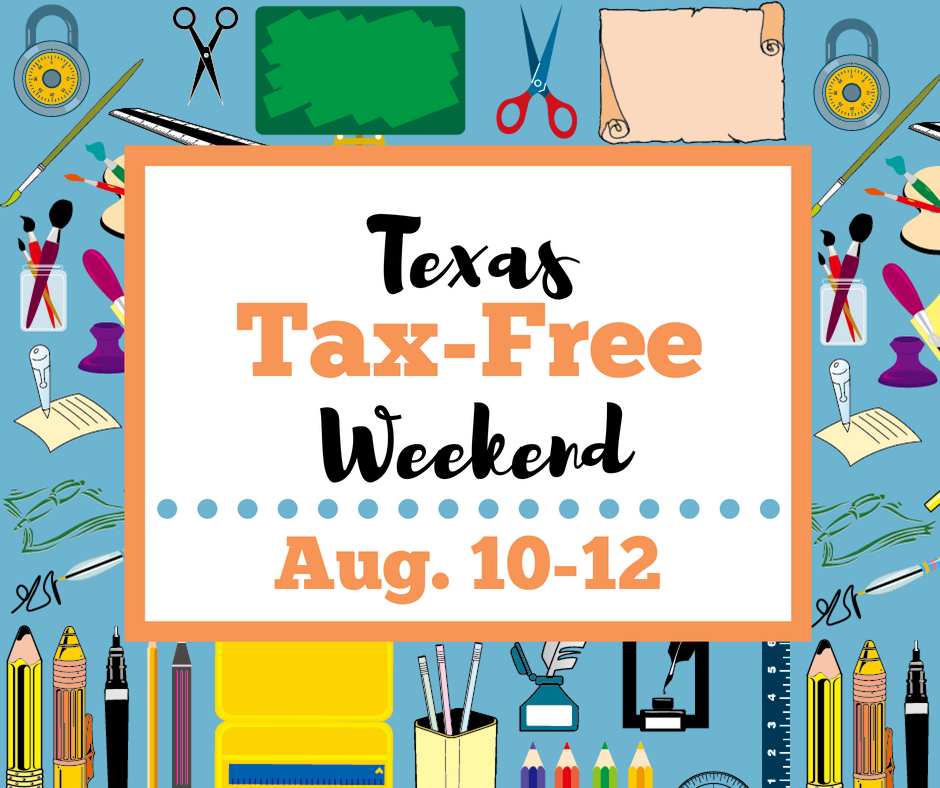
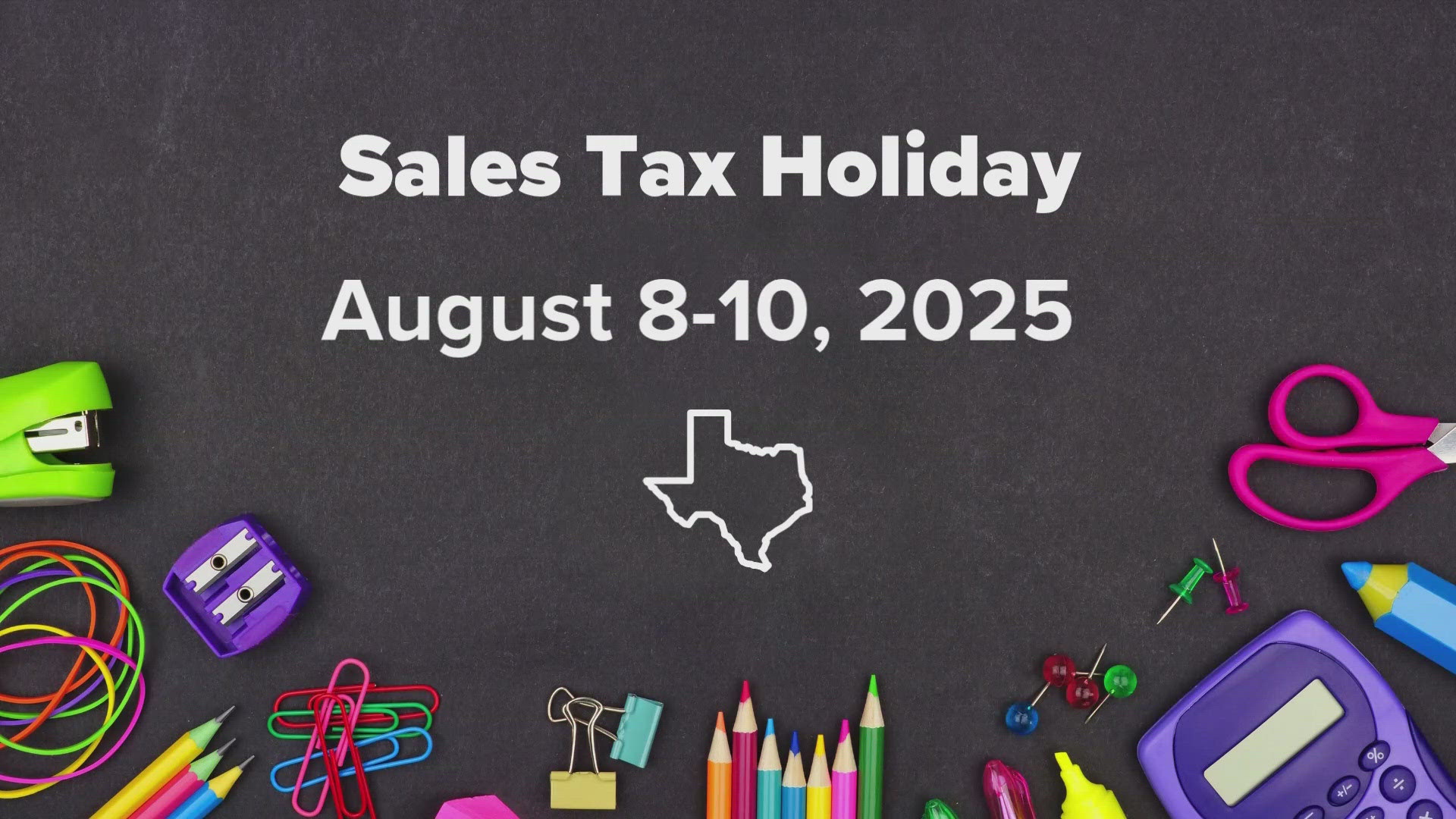
Typically, the Texas Sales Tax Holiday is scheduled for the second weekend in August. This timing is strategically chosen to coincide with the crucial back-to-school shopping period, just weeks before most public schools and universities recommence classes. While the specific dates are officially announced by the Texas Comptroller of Public Accounts each year, it consistently runs from Friday through Sunday of that designated weekend. For example, if the second Friday of August falls on the 9th, the holiday would run from Friday, August 9th, to Sunday, August 11th. It’s crucial for shoppers to verify the exact dates each year on the official Texas Comptroller’s website or reputable news sources, as slight shifts can occur depending on the calendar year.
The holiday usually begins at 12:01 AM on Friday and concludes at 11:59 PM on Sunday, offering a full three days of tax-free shopping. This window applies to both in-store purchases and qualifying online sales, provided the item is shipped to a Texas address and paid for during the holiday period. This flexibility allows shoppers to either brave the crowds for the immediate gratification of physical shopping or enjoy the convenience of online retail from the comfort of their hotel suites or homes.
The Purpose Behind the Holiday
The primary objective of the Texas Sales Tax Holiday is economic relief for families. Education can be an expensive endeavor, and outfitting children with new clothes, shoes, and school supplies often represents a significant financial outlay. By waiving sales tax on these specific items, the state aims to lessen this burden, making essential items more accessible and affordable. This initiative reflects a broader trend seen in several United States states, each with its own version of a sales tax holiday, though Texas remains one of the most prominent due to its large population and significant retail sector.
Beyond the immediate benefit to consumers, the tax holiday also serves as an economic stimulus. Retailers often experience a surge in foot traffic and sales during this weekend, prompting many to offer additional promotions and discounts. This creates a cascade effect, boosting sales for local businesses, from small boutiques to large department stores. For the tourism sector, it presents an opportunity to attract visitors who might not only shop but also dine at local restaurants, stay in hotels, and visit nearby attractions, contributing to the broader local economy. It transforms a routine chore into an event, encouraging community engagement and injecting vitality into commercial centers.
What to Buy (and What Not To): Maximizing Your Savings
To truly make the most of the Texas Sales Tax Holiday, it’s crucial to understand precisely which items qualify for the exemption and which do not. Misinformation can lead to missed savings or unexpected charges at checkout.
Essential Tax-Free Items: Clothes, Shoes, and School Supplies
The core categories eligible for the sales tax exemption revolve around back-to-school necessities. For most items, there’s a price cap: individual items must be priced at less than $100. This is a critical detail to remember.
Clothing and Footwear:
- Most articles of clothing and footwear qualify, provided they are for general use and cost less than $100 per item. This includes everyday wear like shirts, pants, shorts, dresses, socks, underwear, and most types of shoes (sneakers, sandals, boots).
- Items like baby clothes, school uniforms, athletic socks, and even adult-sized clothing fall under this exemption.
- Certain accessories that are part of a clothing ensemble, such as belts, suspenders, and shoe laces, also qualify.
School Supplies:
- A comprehensive list of school supplies is typically exempt, again, with the less than $100 per item limit. This list is quite extensive and covers most items a student would need for the academic year.
- Common items include: pens, pencils, crayons, markers, erasers, glue, notebooks, binders, folders, paper (loose leaf, graph, construction), rulers, scissors, calculators (non-programmable), compasses, protractors, dictionaries, and certain types of art supplies (e.g., watercolor paints, paintbrushes).
- Backpacks are also a particularly popular tax-free item during this period, provided they meet the price threshold. This includes backpacks for school, tote bags, and even luggage, as long as it’s primarily used for carrying school supplies.
It’s worth noting that the “less than $100” rule applies to the sales price of a single item. So, if you buy three shirts at $30 each, all three are tax-free, totaling $90. However, if you buy a single jacket for $120, it would be subject to sales tax. Retailers are generally well-versed in these rules and will have signage or their systems configured to reflect the exemptions.

Important Exclusions: Know Before You Shop
Just as important as knowing what does qualify is understanding what does not. Many items commonly purchased around this time remain subject to sales tax, and being aware of these exclusions can prevent surprises at the register.
Non-Qualifying Apparel and Accessories:
- Items designed for specific sports or protective uses generally do not qualify. This includes baseball cleats, shin guards, ski suits, wetsuits, specialized cycling apparel, football pads, and safety glasses.
- Accessories like jewelry, watches, handbags (unless primarily used as a school backpack for school supplies), briefcases, luggage (unless meeting backpack criteria), and items for pets are not exempt.
- Clothing or footwear that costs $100 or more per item remains taxable. For example, a high-end designer dress or a premium pair of athletic shoes exceeding the $100 limit would still incur sales tax.
- Rental clothing, such as tuxedos or formal wear rentals, also does not qualify.
Non-Qualifying School Supplies and Other Items:
- While most basic school supplies are exempt, certain technology items are typically excluded. This includes computers, tablets, cell phones, software, and flash drives. These items usually remain taxable, though some states have separate tax holidays for electronics.
- Books, other than dictionaries or reference books specifically listed as school supplies, are generally not exempt. This includes textbooks and recreational reading books.
- Furniture (e.g., desks, chairs), appliances, and most sporting equipment (e.g., basketballs, tennis rackets, golf clubs) are not covered by the tax holiday.
- Items that are used up during normal activities, such as paint or chalk, are generally exempt if used as school supplies. However, other art supplies not on the designated list or those purchased for hobby purposes may not be.
Always check the official list provided by the Texas Comptroller’s office for the most current and detailed information to ensure your shopping strategy is accurate.
Beyond the Bargains: Experiencing Texas During Tax-Free Weekend
While the primary draw of the Texas Sales Tax Holiday is undoubtedly the savings, this period offers a unique opportunity for travelers to experience the state’s vibrant culture, diverse attractions, and renowned hospitality. It’s a chance to combine practical shopping with memorable tourism.
Economic Boost and Local Flavor
The influx of shoppers during Tax Free Weekend provides a significant boost to local economies across Texas. Retailers anticipate the crowds, often extending hours and increasing staffing. This heightened commercial activity spills over into other sectors. Restaurants, cafes, and entertainment venues in shopping districts experience increased patronage. Travelers might start their day with a classic Texas breakfast taco in Austin, shop for school supplies, and then unwind with a gourmet dinner in Houston or explore the historic Riverwalk in San Antonio. This synergy between shopping and other leisure activities creates a dynamic environment that showcases the local flavor of each city.
Many communities also embrace the spirit of the weekend with additional local events, street fairs, or special promotions in conjunction with the tax holiday. It becomes a time when the vibrancy of Texas truly shines, offering a glimpse into its unique blend of traditional charm and modern convenience. From the bustling outdoor markets to the sprawling indoor shopping centers, the atmosphere is electric, making it an exciting time to be in the state. Even a stop at a beloved Buc-ee’s can feel more festive amidst the travel and shopping buzz.
Major Shopping Destinations Across the State
Texas boasts some of the largest and most impressive shopping centers in the United States, making it a prime destination for the Tax Free Weekend. Each major city offers a distinct shopping experience, often complemented by unique local attractions.
- Houston: Home to The Galleria, an iconic shopping mall featuring over 400 stores, including high-end boutiques and popular department stores. Beyond shopping, visitors can explore the NASA Space Center Houston, delve into the Museum District, or enjoy the city’s renowned culinary scene.
- Dallas: Offers a blend of luxury and everyday shopping. NorthPark Center is known for its art collection and upscale retailers, while the surrounding areas host numerous strip malls and outlets. In Dallas, history buffs can visit the Sixth Floor Museum at Dealey Plaza, or enjoy the vibrant arts district.
- San Antonio: Combines historical charm with modern retail. While enjoying the savings, visitors can explore the historic Alamo and stroll along the picturesque Riverwalk. Shopping options range from downtown boutiques to larger malls on the city’s outskirts.
- Austin: Known for its eclectic vibe, Austin offers unique independent shops alongside major retail chains. South Congress Avenue provides a distinctly local shopping experience, while Domain NORTHSIDE offers a more upscale outdoor mall environment. After shopping, enjoy live music, explore the Texas State Capitol, or go hiking in the Texas Hill Country.
- Fort Worth: Blends its Western heritage with contemporary retail. The Fort Worth Stockyards offer a taste of the Old West, while areas like Sundance Square provide urban shopping and dining.
- Grapevine: Home to Grapevine Mills, a large outlet mall perfect for bargain hunters during tax-free weekend. It’s conveniently located near DFW Airport, making it an excellent stop for those flying in.
These cities, among others like El Paso and Corpus Christi on the Gulf Coast, become magnets for shoppers. Planning a trip to one of these destinations during the Tax Free Weekend allows travelers to combine the practical benefits of saving money with the enriching experiences of Texas tourism.
Planning Your Texas Getaway: Travel, Accommodation, and Attractions
For those considering a trip to Texas specifically to capitalize on the Sales Tax Holiday, or for travelers already planning a visit, integrating shopping with other travel plans requires strategic thought. The website’s focus on travel, hotels, tourism, and lifestyle makes this a natural extension of the tax-free weekend discussion.
Finding the Perfect Stay: Hotels and Resorts
Given the popularity of the Tax Free Weekend, accommodations in major cities can book up quickly. It’s advisable to secure your hotel or resort reservations well in advance, especially if you have a specific property or location in mind. Many hotels might even offer special packages or deals around this time to attract shoppers.
- Downtown Dallas or Houston: Staying in a downtown hotel like the JW Marriott or a Hyatt Regency offers proximity to major shopping centers and cultural attractions, often within walking distance or a short public transport ride. This allows for easy access to shopping during the day and exploration of the city’s nightlife or dining scene in the evenings. The Hilton Anatole in Dallas offers both extensive amenities and convenient access to shopping and leisure.
- Austin’s Vibrant Districts: Choose a boutique hotel near South Congress for a unique local experience, or a more upscale accommodation in the downtown area for easy access to the Capitol and live music venues.
- San Antonio’s Historic Charm: A stay along the Riverwalk provides not only scenic views but also immediate access to dining and entertainment, with shopping districts a short drive away.
- Family-Friendly Resorts: If traveling with children, consider resorts that offer amenities like pools, kids’ clubs, or proximity to theme parks (e.g., in Arlington near Six Flags Over Texas) to balance shopping with family entertainment. Many of these resorts are located slightly outside the immediate city centers but offer shuttle services or easy highway access to shopping destinations.
When booking, consider the amenities that will enhance your stay – perhaps a hotel with a pool to cool off after a day of shopping, or one with a good breakfast option to fuel your retail adventures. Reviews and comparisons on accommodation websites can be invaluable for finding the perfect spot.
Exploring Texas’ Iconic Landmarks and Culture
Beyond the shopping, Texas offers an incredible array of landmarks, attractions, and cultural experiences that can seamlessly integrate into your Tax Free Weekend trip.
- History and Heritage: In San Antonio, a visit to The Alamo is a must, offering a profound glimpse into Texas’ fight for independence. Dallas offers the sobering yet historically significant Sixth Floor Museum.
- Science and Exploration: Houston’s NASA Space Center Houston provides an awe-inspiring look into space travel and scientific discovery, perfect for all ages.
- Nature and Outdoors: If time permits, venture beyond the urban centers. The dramatic landscapes of Big Bend National Park in West Texas offer unparalleled hiking and stargazing, while the serene beauty of the Texas Hill Country boasts vineyards, charming small towns, and scenic drives. Even closer to cities, many state parks offer opportunities for outdoor recreation.
- Local Food and Drink: Texas is a culinary paradise. From world-renowned BBQ joints to authentic Tex-Mex restaurants and innovative farm-to-table dining, there’s something for every palate. The Tax Free Weekend provides an excellent excuse to explore the local food scene, whether it’s indulging in craft beers in Austin or fresh seafood along the Gulf Coast in Galveston or Corpus Christi.
- Arts and Entertainment: Dallas and Houston boast impressive arts districts with museums, theaters, and performance venues. Austin is the “Live Music Capital of the World,” offering countless opportunities to catch a show.
By strategically planning your travel and accommodation around the Texas Sales Tax Holiday, you can transform a practical shopping trip into a comprehensive lifestyle experience, blending the thrill of a bargain with the rich tapestry of what the Lone Star State has to offer. Whether you’re seeking luxury travel, a budget-friendly trip, or a family adventure, the Tax Free Weekend provides a compelling reason to visit Texas and discover its many wonders.