
For many outdoor enthusiasts and travelers seeking a unique experience, the thought of a Texas deer hunt conjures images of vast landscapes, abundant wildlife, and the thrill of the chase. Texas stands as a premier destination for deer hunting, drawing visitors from across the globe keen to immerse themselves in its rich hunting heritage and diverse ecosystems. Beyond the hunt itself, a trip to Texas offers a myriad of tourism opportunities, from exploring vibrant cities to savoring legendary Tex-Mex cuisine. Understanding the intricacies of the deer hunting season in the Lone Star State is crucial for both seasoned hunters and those simply curious about this significant aspect of Texas lifestyle.

The question “When is Texas deer hunting season?” is not a simple one-size-fits-all answer. Due to the state’s immense size and varying ecological zones, hunting seasons are meticulously structured by species and geographical regions, overseen by the Texas Parks and Wildlife Department (TPWD). This guide will delve into the specifics, helping you plan your ultimate Texas hunting adventure, while also highlighting the broader travel and accommodation experiences available.
Decoding the Texas Deer Hunting Calendar
Texas is home to two primary native deer species: the White-tailed Deer and the Mule Deer, each with distinct seasons and regulations. Additionally, a robust population of exotic deer species offers year-round hunting opportunities on private ranches. The official hunting dates can vary slightly year to year, so always consult the most current TPWD Outdoor Annual for precise information. However, the general framework remains consistent.
White-tailed Deer Seasons
The White-tailed Deer is by far the most popular game animal in Texas, with populations estimated in the millions. Their seasons are divided into three main categories based on hunting method and geographical zone:
- Archery Season: Typically kicks off in late September or early October and runs for approximately a month. This early season allows bowhunters to experience the pre-rut activity and enjoy cooler temperatures, often before the general firearm season pressure begins. It’s a challenging yet rewarding experience for those who prefer a more primal approach to hunting.
- General Season (Firearm): This is the most anticipated period, usually beginning the first Saturday in November and extending through the first weekend of January. The vast majority of Texas counties fall under this general season. However, Texas is so large that it’s further divided into geographic zones to account for differences in deer populations, habitat, and rut timing:
- North Zone: Encompasses the northern two-thirds of the state. Its general season typically runs from early November to early January.
- South Zone: Covers the southern third of Texas, known for its later rut. The general season here often extends slightly longer, usually from early November to mid-January.
- Special Late Season (Firearm): Some counties, particularly those in the South Zone and specific others, offer a special late season for antlerless and spike bucks. This season usually picks up right after the general season concludes and runs for a couple of weeks in mid-January, providing an additional opportunity for hunters to fill their tags.
- Youth-Only Season: Dedicated weekends are set aside for young hunters (typically 16 years old and younger) to hunt White-tailed Deer. These seasons usually occur in late October (before the general season) and early January (after the general season), providing a safe and focused environment for youth to learn ethical hunting practices.
Mule Deer Seasons
Found primarily in the rugged and scenic Trans-Pecos region of West Texas and portions of the Panhandle, Mule Deer hunting is a different endeavor altogether. The terrain is more challenging, and their populations are less numerous than White-tailed Deer.
- General Season: Mule Deer season typically runs for a shorter period, usually about two weeks in late November. Access for Mule Deer hunting is often through landowners with special permits or through guided hunts, making it a more exclusive experience.
- Archery Season: A limited archery-only season for Mule Deer also occurs in specific counties, usually coinciding with the general White-tailed Deer archery season in October.
Exotic Deer Species
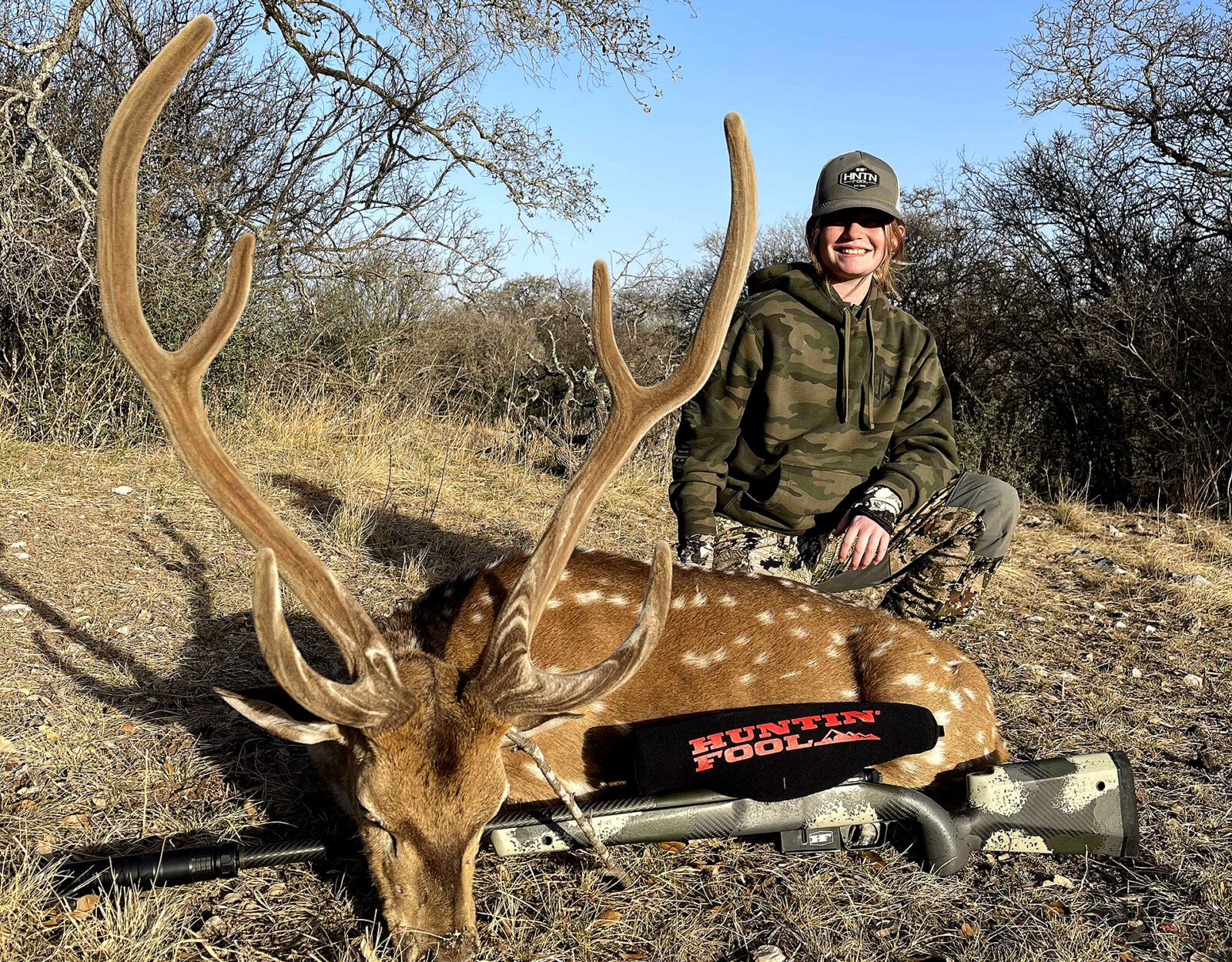
While not native, various exotic deer species like Axis Deer, Fallow Deer, and Blackbuck Antelope thrive on private ranches across Texas. These species are not regulated by TPWD in the same way native game is, meaning they can typically be hunted year-round. This flexibility makes Texas an attractive destination for hunters seeking a trophy hunt outside the traditional deer seasons. Many hunting lodges offer packages specifically tailored to exotic game, often combined with lodging, meals, and professional guides.
Planning Your Texas Hunting Expedition
A successful Texas deer hunt requires careful planning, not just concerning the season dates but also logistics, accommodation, and understanding local regulations. This is where the broader aspects of travel and tourism come into play, transforming a simple hunting trip into a comprehensive Texas experience.

Licenses and Regulations
Before embarking on any hunt, purchasing the appropriate Texas hunting license is mandatory for all hunters, residents and non-residents alike. Licenses can be bought online through the TPWD website, at sporting goods stores, or at most county clerk offices. Non-residents will typically need a General Non-Resident Hunting License. Additionally, special permits may be required for certain species or management areas. Hunters must be intimately familiar with bag limits, antler restrictions (common for White-tailed Deer in many counties), and reporting requirements. Ethical hunting practices and adherence to all laws are paramount for sustainable hunting and conservation efforts.
Choosing Your Hunting Ground
Texas offers a diverse range of hunting environments.
- Edwards Plateau (Hill Country): This region, including counties like Kimble County, Kerr County, and Mason County, is often considered the deer hunting capital of Texas. Known for its dense White-tailed Deer populations, rolling hills, and scenic beauty, it’s popular for both free-range and high-fenced hunts. Towns like Fredericksburg and Kerrville serve as excellent bases, offering charming accommodation and local amenities.
- South Texas Brush Country: Renowned for producing trophy-class White-tailed Deer, the vast ranches of South Texas, stretching from San Antonio towards the Rio Grande, are a dream for many serious hunters. Counties like Maverick County, Webb County, and La Salle County are legendary. Here, hunters often opt for fully guided hunts offered by professional outfitters, which typically include lodging, meals, and expert assistance.
- Trans-Pecos Region: For the majestic Mule Deer, the rugged mountains and deserts of West Texas are the place to be. This area, encompassing counties such as Presidio County and Jeff Davis County, offers breathtaking scenery and a challenging hunt. Hunters staying in towns like Marfa or Alpine can combine their hunting trip with exploring unique landmarks and artistic attractions.
- East Texas Piney Woods: While not as famous for trophy deer as the Hill Country or South Texas, this region offers a different hunting experience amidst dense forests and abundant public lands. It’s often favored by local hunters and offers opportunities for hunting with dogs for specific game.
Accommodation and Lodging Options
The choice of accommodation can significantly enhance your hunting trip, especially if you’re traveling with family or planning to explore beyond the hunt.
- Hunting Lodges and Ranches: For a comprehensive experience, many hunters opt for dedicated hunting lodges. These establishments, particularly prevalent in the Hill Country and South Texas, often include expert guides, meals, game processing facilities, and comfortable suites or cabins. They streamline the entire hunting process and offer a sense of community.
- Hotels and Motels: For hunters preferring a more independent approach or those focusing on public lands, standard hotels or motels in nearby towns provide convenient accommodation. Cities like Uvalde, Llano, or Ozona offer a range of options, from budget-friendly stays to more upscale resorts. Many are accustomed to accommodating hunters and may offer specific amenities like freezer space.
- Vacation Rentals: Platforms like Airbnb or local rental agencies offer apartments, cabins, or villas for rent, providing a home-away-from-home experience. This can be ideal for groups or families, offering privacy and the flexibility to prepare your own meals.
- Camping: For the adventurous and budget-conscious, Texas state parks and private campgrounds often provide primitive or RV camping options. This immerses you deeper into nature but requires more self-sufficiency.
Beyond the Deer Hunt: Embracing Texas Tourism
A hunting trip to Texas doesn’t have to be solely about the game. The state offers an incredible array of attractions and experiences that can complement your hunting adventure, turning it into a memorable travel destination for the entire family.
Cultural and Historical Landmarks
While waiting for the prime hunting hours, or as part of a wider itinerary, explore Texas’s rich history:
- San Antonio River Walk and The Alamo: If you’re hunting in South Texas, a visit to San Antonio is a must. Stroll along the famous River Walk and delve into history at The Alamo.
- Austin’s Live Music Scene: Hunters in the Hill Country are often a short drive from Austin, the “Live Music Capital of the World.” Enjoy its vibrant lifestyle, eclectic eateries, and numerous landmarks.
- Small-Town Charms: Many hunting regions are dotted with charming small towns offering antique shops, local diners serving authentic Texas BBQ, and unique art galleries. Places like Fredericksburg in the Hill Country or Alpine in the Trans-Pecos provide a taste of genuine Texas culture.
Natural Wonders and Outdoor Recreation
Even outside of hunting, Texas boasts incredible natural beauty:
- Big Bend National Park: For those hunting Mule Deer in the far west, extend your trip to explore Big Bend National Park, a majestic wilderness offering hiking, stargazing, and breathtaking desert landscapes.
- Texas Hill Country Wineries: The Hill Country is also a burgeoning wine region. Consider a wine tasting tour as a relaxed counterpoint to the intensity of the hunt.
- State Parks: Texas is home to numerous state parks offering hiking, fishing, birdwatching, and camping opportunities, allowing non-hunting family members to enjoy the outdoors.
A Responsible Approach to Texas Deer Hunting
Ultimately, deer hunting in Texas is more than just a seasonal activity; it’s an integral part of wildlife management, local economies, and cultural heritage. Responsible hunting contributes to maintaining healthy deer populations and ecosystems. By adhering to regulations, practicing ethical harvesting, and supporting local businesses through your travel and accommodation choices, you become a part of Texas’s ongoing conservation efforts.
In conclusion, the question “When is Texas deer hunting season?” reveals a complex and diverse calendar, primarily spanning from late September through mid-January for native species, with year-round opportunities for exotics. Planning your trip means not only pinpointing the ideal hunting dates and locations but also considering the wealth of travel, tourism, and accommodation options that make Texas an unforgettable destination for hunters and non-hunters alike. Embrace the adventure, respect the land, and discover all that the great state of Texas has to offer.
LifeOutOfTheBox is a participant in the Amazon Services LLC Associates Program, an affiliate advertising program designed to provide a means for sites to earn advertising fees by advertising and linking to Amazon.com. Amazon, the Amazon logo, AmazonSupply, and the AmazonSupply logo are trademarks of Amazon.com, Inc. or its affiliates. As an Amazon Associate we earn affiliate commissions from qualifying purchases.