
For the intrepid entrepreneur, the seasoned business traveler, or the ambitious investor eyeing the vibrant landscapes of Texas, understanding local regulations is as crucial as pinpointing the next great destination. The Lone Star State is a land of opportunity, rich in culture, natural beauty, and a burgeoning economy that beckons those looking to establish or expand their presence. From the bustling metropolitan hubs of Houston and Dallas to the historic charm of San Antonio and the vibrant live music scene of Austin, Texas offers a diverse tapestry of experiences and business environments. Yet, amidst the excitement of new ventures and strategic expansions, a critical administrative detail often comes to the fore: the Texas Franchise Tax.
While the phrase “franchise tax” might sound like a dry, bureaucratic formality, its implications for businesses—especially those in the hospitality, tourism, and accommodation sectors—are significant. For investors planning to open a boutique hotel in the Texas Hill Country, a luxury resort on the Gulf Coast, or a unique travel experience company serving the entire state, knowing the ins and outs of this tax is paramount. It’s not just about compliance; it’s about strategic planning, ensuring your business thrives within the state’s regulatory framework, allowing you more freedom to enjoy the Texas lifestyle. This guide aims to demystify the Texas Franchise Tax, focusing on its due dates and relevance for those navigating the business landscape of this dynamic state.
Understanding the Texas Franchise Tax: A Primer for Business Travelers and Investors
The Texas Franchise Tax is often misunderstood, particularly by those accustomed to income-based corporate taxes in other states. Unlike an income tax, the Texas Franchise Tax is levied on an entity’s “margin,” which is essentially a measure of its economic activity in the state. This unique approach means that even businesses with minimal or no net income might still owe franchise tax if their gross revenue exceeds certain thresholds. For anyone considering establishing a business presence in Texas – be it a chain of hotels, a travel agency, a short-term rental accommodation provider, or a regional tourism operator – gaining a fundamental understanding of this tax is essential for sound financial planning and operational stability.
The state’s business-friendly environment and diverse economic opportunities make it an attractive location for various enterprises. However, failing to comply with tax obligations can lead to penalties, interest, and even forfeiture of the entity’s right to transact business in the state – a critical blow for any burgeoning travel or hospitality venture. Therefore, integrating franchise tax awareness into your business strategy from the outset is not merely a formality but a smart move towards sustainable growth.
Who Needs to File? From Hotels to Tour Operators
The scope of entities subject to the Texas Franchise Tax is quite broad, encompassing a wide range of business structures that are common in the travel and tourism industries. Generally, entities chartered or organized in Texas or doing business in Texas are subject to the tax. This includes:
- Corporations: Both C-corps and S-corps.
- Limited Liability Companies (LLCs): A popular choice for many small to medium-sized businesses, including independent hotels, resorts, and property management companies offering apartments or villas for rent.
- Partnerships: Including limited partnerships (LPs) and limited liability partnerships (LLPs).
- Professional Associations and Professional Corporations.
- Business Trusts and Other Legal Entities.
There are, however, some notable exceptions. Sole proprietorships and general partnerships composed solely of natural persons are typically exempt. Certain types of organizations, like non-profit entities or those specifically exempted by law, also fall outside the scope. For a business owner running a small bed and breakfast in Fredericksburg as an LLC, or a large corporation managing a portfolio of Hilton or Marriott properties across the state, understanding their specific filing requirements is essential. The Texas Comptroller of Public Accounts website serves as the authoritative source for determining eligibility and obligations.
Moreover, even if an entity’s annualized total revenue falls below a certain “no tax due” threshold (which is adjusted periodically, for instance, approximately $1.23 million for reports due in 2024), it is still generally required to file an information report. This means that even a burgeoning tourism startup, perhaps offering unique experiences like glamping in Big Bend National Park or curated food tours in Austin, must be aware of its filing duties, regardless of its tax liability.
Key Deadlines and Filing Requirements
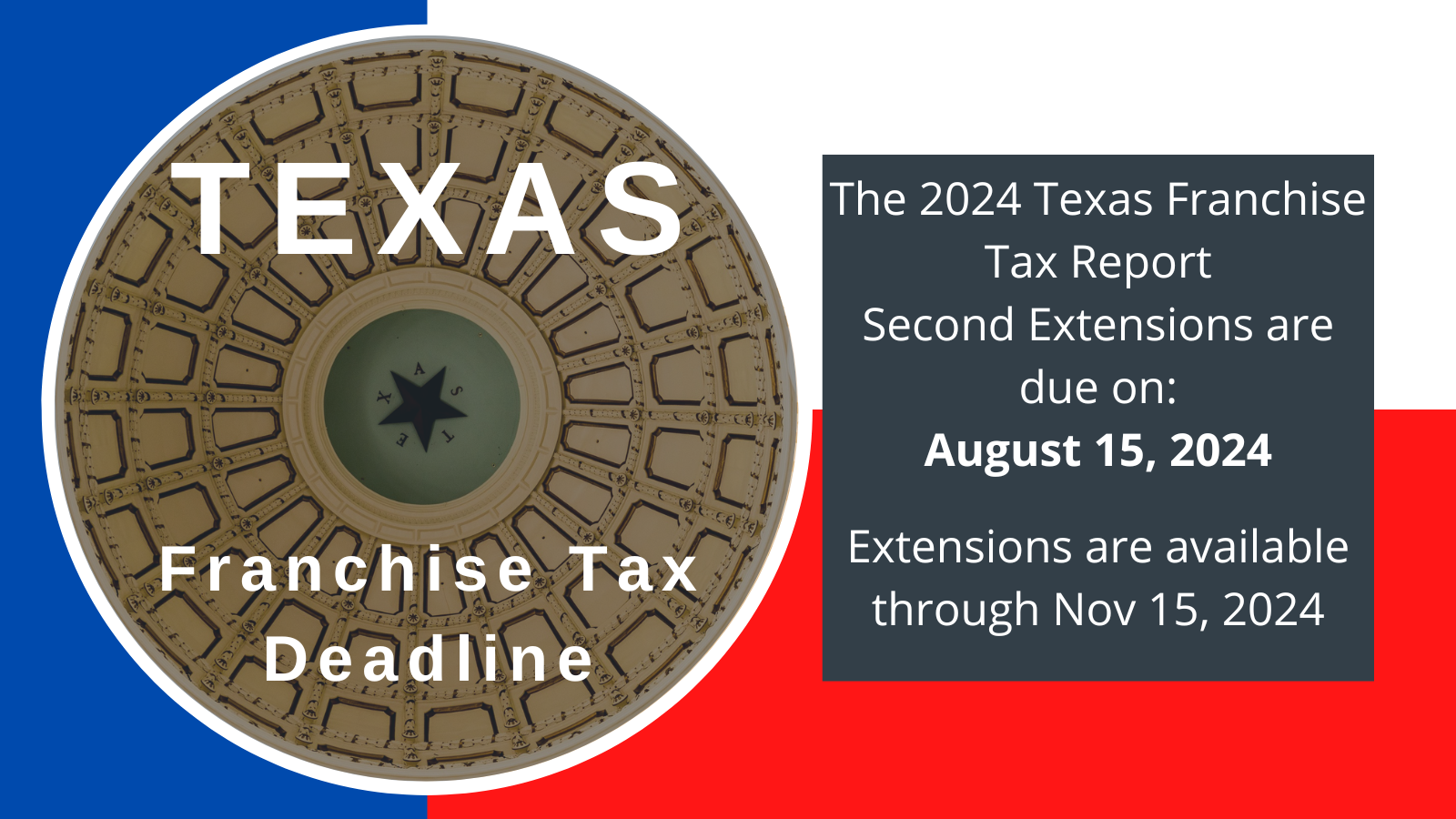
The most critical information for any business regarding the Texas Franchise Tax revolves around its due dates. Mark your calendars: the annual due date for the Texas Franchise Tax report is May 15th. This deadline applies to most entities, regardless of their federal fiscal year end. The report covers the business’s activity for its accounting period that ended in the prior calendar year. For instance, a report due on May 15, 2024, would typically cover the entity’s accounting period ending in 2023.
However, recognizing the complexities of business operations, particularly for those frequently engaged in travel or managing diverse portfolios, the state offers some flexibility. An automatic six-month extension to November 15th is available for entities needing more time to file their annual report. To qualify for this automatic extension, taxpayers must file the appropriate extension request by the original May 15th due date. It’s important to note that while an extension grants more time to file the report, it does not extend the time to pay any tax due. If an entity anticipates owing tax, a payment covering the estimated tax liability should still be submitted by May 15th to avoid penalties and interest. This distinction is crucial for financial managers overseeing a chain of boutique hotels or a major resort development in Galveston.
Filing is typically done electronically through the Texas Comptroller’s Webfile system, a streamlined process designed to facilitate compliance. Ensuring accurate and timely filing is vital, as late reports or payments can incur substantial penalties and interest, diverting resources that could otherwise be invested in enhancing guest experiences, upgrading amenities, or expanding travel offerings.
Strategic Planning for Texas Business Ventures: Merging Travel with Tax Savvy
For the modern entrepreneur, especially those in the dynamic sectors of travel, tourism, and accommodation, operating a business in Texas means more than just navigating market trends and customer preferences. It involves a holistic approach that integrates operational excellence with shrewd financial and regulatory planning. Strategic thinking about the Texas Franchise Tax can, in fact, free up valuable time and resources, allowing business leaders to focus on what they do best: creating unforgettable experiences for their clients and building successful ventures.

Imagine the owner of a chain of luxury villas along South Padre Island, constantly traveling between properties, meeting with prospective investors, and conceptualizing new hospitality concepts. For them, understanding the franchise tax deadlines isn’t just about avoiding fines; it’s about minimizing administrative burdens that could detract from their core business or personal lifestyle of blending work and leisure. By setting up robust internal systems and, where necessary, engaging professional tax advisors, these entrepreneurs can ensure compliance without missing a beat in their demanding schedules.
Maximizing Your Texas Stay: Combining Business with Leisure
Texas offers an unparalleled backdrop for combining business obligations with enriching leisure activities. For business owners and executives needing to be physically present in the state to oversee operations, conduct meetings, or scout new locations, understanding the tax calendar can facilitate better personal travel planning. For example, if you know the franchise tax report is due in May, you might schedule your annual visit to Dallas for the Dallas Arts District or Fort Worth to explore the Stockyards National Historic District around that time. This allows you to combine your tax filing duties with opportunities to explore Texas landmarks, engage with local culture, or simply unwind at a serene ranch retreat after completing your corporate responsibilities.
For those running businesses with multiple accommodations, such as boutique hotels in Houston’s Museum District and short-term rentals near Austin’s South Congress Avenue, synchronizing administrative tasks with planned travel can be a significant time-saver. By having all necessary documentation ready and processed before the May 15th deadline (or the November 15th extension), business leaders can then shift their focus entirely to the strategic growth of their ventures or indulge in the many experiences Texas has to offer, from a culinary tour in San Antonio to a golf getaway in the Piney Woods.
Avoiding Pitfalls: Late Filings and Their Impact on Your Texas Experience
The consequences of missing the Texas Franchise Tax deadline can be more than just financial; they can impact a business’s operational standing and reputation, which is particularly damaging in customer-centric industries like travel and hospitality. The Texas Comptroller assesses a late filing penalty, and interest accrues on any unpaid tax. More severely, habitual non-compliance can lead to the forfeiture of an entity’s corporate privileges, including its right to transact business in Texas. This means a hotel might lose its legal standing to operate, or a tour company might be unable to enter into new contracts.
For businesses dependent on their legal status to operate accommodations, arrange tours, or secure bookings, such a forfeiture can be catastrophic. It can interrupt booking systems, disrupt employee payroll, and undermine customer trust. Imagine a scenario where a resort planning a major expansion in Corpus Christi faces legal hurdles due to overlooked tax obligations, delaying construction or preventing new hotel suites from opening. Such operational hiccups are antithetical to the smooth, luxury travel experience that Life Out Of The Box advocates.
Therefore, diligence in managing franchise tax deadlines is not merely about adhering to rules; it’s about protecting your investment, preserving your business’s reputation, and ensuring its longevity within the competitive Texas market. Utilizing accounting software, setting up calendar reminders, and perhaps even designating a dedicated team member or external accountant to oversee compliance are all prudent steps.
Beyond the Numbers: The Broader Impact on Texas’s Thriving Travel and Hospitality Scene
While the immediate concern with the Texas Franchise Tax is individual business compliance, it’s important to remember that these contributions collectively support the state’s infrastructure and services. A healthy tax base enables Texas to maintain its roads, parks, and public services, all of which indirectly benefit the travel and tourism industries. Well-maintained infrastructure makes it easier for travelers to reach destinations like Big Bend National Park or the Alamo, and supports the logistical needs of hotels and resorts.
The revenue generated by the franchise tax also plays a role in funding various state initiatives, some of which may indirectly support economic development that benefits the hospitality sector. A thriving statewide economy, partly bolstered by business taxes, creates a more attractive environment for both residents and visitors, stimulating demand for accommodation, dining, and leisure activities. By understanding and responsibly meeting their franchise tax obligations, businesses are not just complying with the law; they are also contributing to the collective economic well-being of the state they operate within, fostering a more robust environment for future travel and tourism growth.
Investing in Texas Accommodation and Tourism: A Sustainable Future
Texas continues to be a magnet for investors in the accommodation and tourism sectors. From the sprawling urban centers that host international conferences and conventions, driving demand for business stays and luxury suites, to the idyllic countryside offering boutique hotels and unique glamping experiences, the opportunities are vast. Projects like the ongoing development around the Dallas Arts District, the expansion of Houston’s medical tourism, or the continued growth of Austin’s festival scene all require significant investment, operational planning, and, of course, a clear understanding of the regulatory landscape, including the franchise tax.
For new investors considering establishing a presence, or for existing businesses looking to expand, integrating tax compliance into their long-term sustainability plans is essential. Sustainable investment in Texas tourism means not only building eco-friendly resorts or promoting responsible travel practices, but also operating as a financially sound and legally compliant entity. Knowing the franchise tax deadlines and adhering to them ensures that your business contributes positively to the state’s economy, maintaining its good standing and fostering a reputation that attracts more guests and partners. This proactive approach allows businesses to focus on enhancing guest experiences and promoting the unique charm of Texas as a premier travel destination, rather than being sidetracked by avoidable penalties.
Resources and Support for Texas Business Owners
Navigating tax regulations doesn’t have to be a solitary journey. The Texas Comptroller of Public Accounts provides a wealth of information and resources on its website, including detailed guides, FAQs, and online filing tools. For complex situations, particularly for larger hospitality groups or those with intricate financial structures, consulting with a Texas-based tax professional or attorney specializing in state tax law is highly recommended. These experts can offer tailored advice, assist with calculations, and ensure all specific requirements are met, providing peace of mind to busy entrepreneurs and investors.
While this article provides a general overview, it is not intended as tax advice. The nuances of your specific business structure, revenue, and activities can impact your franchise tax obligations. Therefore, always consult official Texas Comptroller resources or a qualified tax professional for personalized guidance.
In conclusion, understanding “When Is Texas Franchise Tax Due?” is a fundamental aspect of operating any qualifying business in the Lone Star State. For those immersed in the world of travel, hotels, tourism, and accommodation, integrating this knowledge into your strategic planning is key to sustainable success. By honoring these obligations, you not only ensure your business’s legal standing but also contribute to the vibrant economic ecosystem that makes Texas such an extraordinary place to live, work, and explore. So, whether you’re envisioning a new resort on Lake Travis or managing a fleet of rental apartments in Plano, remember to keep an eye on that May 15th deadline—it’s a small detail that makes a big difference in your Texas business journey.