
Florida, the Sunshine State, beckons millions of travelers each year with its pristine beaches, world-famous theme parks, vibrant cities, and lush natural landscapes. From the magical enchantment of Walt Disney World in Orlando to the Art Deco charm of Miami and the bohemian allure of Key West, there’s an experience for every type of visitor. However, determining the “best” time to visit this diverse state isn’t a one-size-fits-all answer. It largely depends on your priorities: are you chasing ideal weather, aiming to avoid crowds, seeking the best deals on accommodations, or hoping to catch a specific festival or event? Understanding Florida’s distinct seasons, climate patterns, and peak tourism periods is crucial for planning your perfect trip, whether you’re looking for luxury travel or a budget-friendly family adventure. This comprehensive guide will help you navigate the nuances of Florida travel, ensuring your visit aligns perfectly with your expectations for destinations, attractions, and overall experiences.
Understanding Florida’s Seasons: A General Overview
Florida’s climate is broadly characterized by two main seasons: a hot, wet summer and a mild, dry winter. However, within these broad categories, distinct periods emerge that significantly impact travel. These periods dictate everything from hotel availability in popular resorts to the intensity of crowds at famous landmarks.
Winter: The Peak Season (December – April)
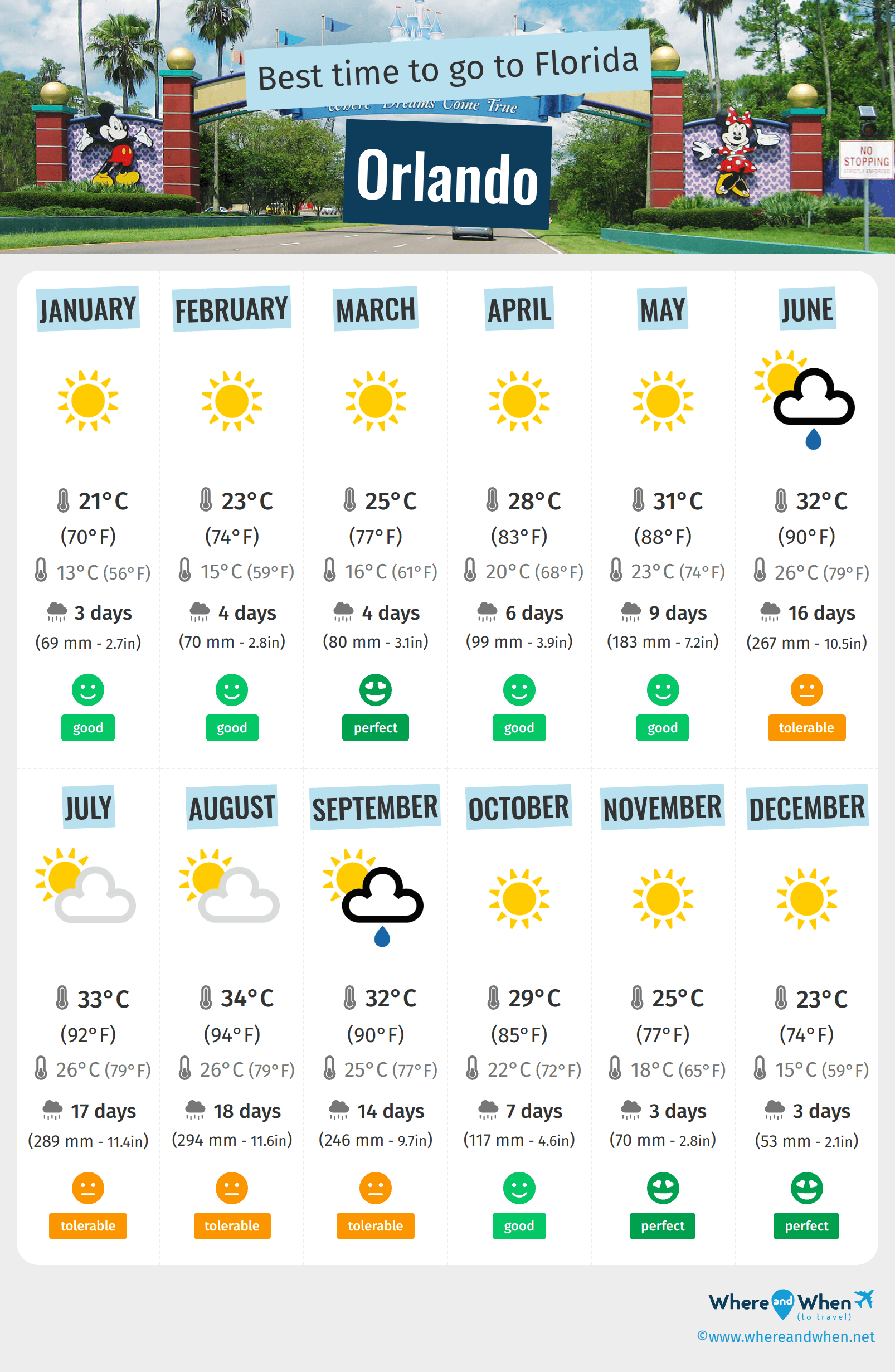
Without a doubt, winter is Florida’s’s most popular and celebrated season, making it the peak time for tourism. From roughly December through April, the state enjoys magnificent weather characterized by comfortable temperatures, low humidity, and abundant sunshine, especially in South Florida. This period offers a glorious escape for those fleeing colder climates, making destinations like Miami Beach, Fort Lauderdale, and Key West particularly appealing. Temperatures typically range from the low 60s to mid-70s Fahrenheit (15-24°C), ideal for exploring theme parks, relaxing on beaches, or engaging in outdoor activities without the oppressive summer heat.
The downside, predictably, is the crowds and higher prices. Major holidays such as Christmas, New Year’s, Presidents’ Day, and especially Spring Break see a dramatic surge in visitors. Theme parks like Walt Disney World, Universal Studios (Universal Orlando Resort), and SeaWorld Orlando can reach capacity, leading to long lines and busy restaurants. Accommodation, from luxury resorts to budget-friendly suites, sees its highest rates, and flights into major hubs like Orlando International Airport or Miami International Airport are at their peak. Despite the cost and crowds, for many, the perfect weather during these months makes it well worth the premium. This is prime time for enjoying outdoor attractions like Everglades National Park or exploring the historic streets of St. Augustine.
Spring & Fall: The Shoulder Seasons (May, September – November)
The shoulder seasons—late April to May and from September through November—offer an enticing balance for travelers seeking agreeable weather without the intense crowds and elevated prices of winter. During these months, Florida generally experiences warm temperatures that are comfortable for most activities, coupled with fewer tourists, making it easier to secure preferred accommodation and enjoy attractions with shorter wait times.
In May, the weather begins to transition towards summer, bringing warmer temperatures and a slight increase in humidity and afternoon showers, especially towards the end of the month. However, it’s still highly enjoyable, particularly for beach activities in places like Sarasota or exploring the charming city of Naples before the full summer heat sets in.
The fall months of September, October, and November are often hailed as some of the best times to visit. After the summer rush subsides, temperatures become more moderate, particularly in November, offering pleasant conditions. Crowds significantly diminish, especially outside of holiday weekends like Thanksgiving. This period is perfect for those who want to experience Florida’s attractions, from Busch Gardens Tampa Bay to the Kennedy Space Center Visitor Complex, with a more relaxed pace. However, a significant consideration for the fall shoulder season is Hurricane Season, which officially runs from June 1st to November 30th, with peak activity typically between August and October. While direct hits are rare, the threat exists, and travel insurance is highly recommended during this time.
Summer: The Off-Season (June – August)
Florida’s summer, from June through August, is characterized by intense heat, high humidity, and frequent afternoon thunderstorms. Temperatures consistently hover in the high 80s to low 90s Fahrenheit (30-35°C), with heat indices often making it feel much hotter. Daily rain showers are common, usually brief but heavy, bringing temporary relief from the heat. Despite these conditions, summer is considered the off-season for many parts of Florida, particularly South Florida, leading to the lowest prices on accommodation, flights, and packages.
However, it’s also when many families travel due to school holidays. Theme parks in Orlando and Tampa can still be very crowded, especially on weekends, though weekday attendance might be slightly lower than peak winter numbers. The coastal regions, particularly the Florida Panhandle with its stunning beaches like Clearwater Beach and Destin, become popular destinations for regional travelers, drawn by the warm Gulf waters. Water parks, beaches, and indoor attractions are excellent choices during these months. For budget-conscious travelers who can tolerate the heat and humidity, summer presents an opportunity to experience Florida at a significantly reduced cost, with ample availability for all types of accommodation, from suites to villas.
Key Factors Influencing Your Florida Trip
Beyond the general seasonal patterns, several specific factors should weigh heavily on your decision-making process when planning your Florida getaway.
Weather and Climate Considerations
Florida’s geographical position, bordered by the Atlantic Ocean to the east and the Gulf of Mexico to the west, heavily influences its climate. While the state is famous for its sunshine, understanding regional weather variations is key.
- Northern Florida (e.g., Jacksonville, Pensacola) experiences cooler winters with occasional frosts and can be less tropical than the south.
- Central Florida (e.g., Orlando, Tampa) has mild winters and hot, humid summers.
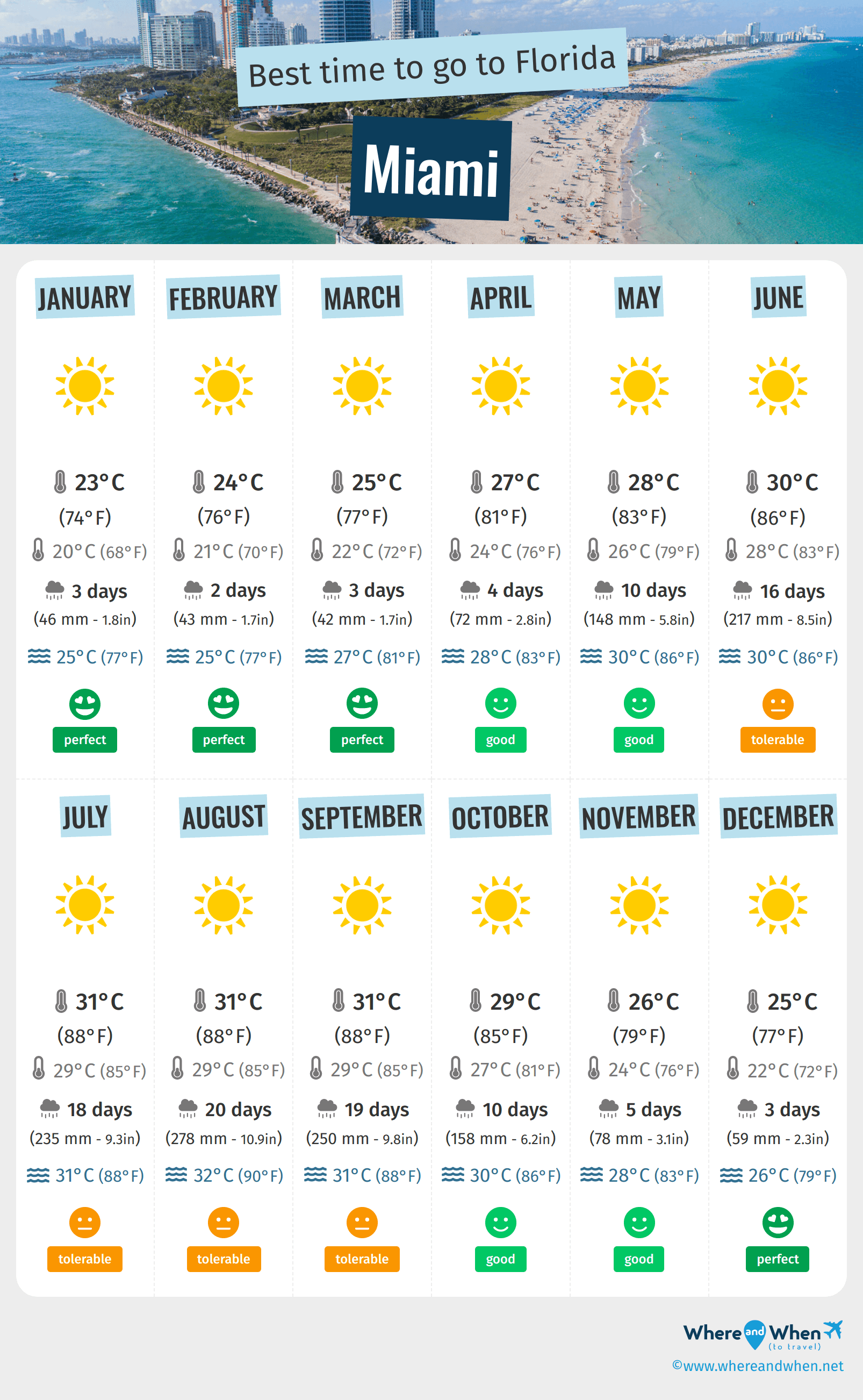
- South Florida (e.g., Miami, Key West) maintains a subtropical to tropical climate year-round, with virtually no frost and warm temperatures even in winter.
Humidity is a significant factor, especially from May to October. For those sensitive to high humidity, the drier winter months are preferable. Rain is also important; while summer brings frequent afternoon thunderstorms, they are usually brief and can be a welcome cool-down. The primary weather concern remains Hurricane Season (June 1st to November 30th), which while not guaranteed to impact your trip, carries a risk of disruptions or evacuations, particularly from August to October.
Crowds and Park Attendance
Florida’s theme parks are a major draw, and crowd levels can dramatically impact your experience.
- Peak Periods: School holidays (Christmas, New Year’s, Presidents’ Day, Spring Break, summer vacation) consistently see the largest crowds at Walt Disney World, Universal Orlando Resort, LEGOLAND Florida Resort, and SeaWorld Orlando.
- Shoulder Season Benefits: May, late September, October, and early November often present the best balance. Weekdays outside of major holidays are generally less crowded.
- Avoiding Crowds: If avoiding crowds is your top priority, target the second half of January, February (excluding holiday weekends), late August, and September. Even during busy times, strategies like arriving at opening, utilizing Genie+ or Universal Express, and visiting during off-peak hours can help. Beaches, especially popular ones like South Beach, Siesta Key, or Sanibel Island, also see significant crowd fluctuations.
Budget and Pricing
Your budget plays a huge role in determining the “best” time to visit.
- High Season (December – April): Expect the highest prices for flights, hotels, and vacation rentals. Accommodation options, from luxury suites in Palm Beach to family-friendly resorts near International Drive, will be at a premium.
- Shoulder Season (May, September – November): Offers a sweet spot with moderate prices. You can often find better deals on accommodation and flights compared to peak season, making it a great option for budget travel that doesn’t compromise too much on weather or crowds.
- Off-Season (June – August): Generally the most budget-friendly time to visit, especially for accommodation outside of Orlando and coastal hotspots. Hotels and apartments often have significant discounts, and package deals are more common.
Consider booking accommodations and flights well in advance, especially during peak season, to secure better rates. Comparison websites can be invaluable for finding the best deals on hotels, villas, and long-term stays.
Festivals and Events
Florida hosts a plethora of events, ranging from world-class music festivals to food and wine extravaganzas, and local cultural celebrations. Some events are seasonal and might dictate your travel timing.
- Winter: Epcot International Festival of the Arts, South Beach Wine & Food Festival, multiple art shows, and boat shows.
- Spring: Epcot International Flower & Garden Festival, Ultra Music Festival in Miami, SunFest in West Palm Beach.
- Summer: Fourth of July celebrations across the state, various seafood festivals on the coast.
- Fall: Halloween Horror Nights at Universal Studios Florida, Mickey’s Not-So-Scary Halloween Party at Magic Kingdom, Epcot International Food & Wine Festival, local harvest festivals.
If attending a specific event is a priority, align your trip dates accordingly, but be prepared for potentially higher crowds and prices in the immediate vicinity of the event.
A Month-by-Month Guide to Florida Travel
Let’s dive into a detailed monthly breakdown to help you pinpoint your ideal travel window.
December to February: Winter Wonderland
This period offers the most desirable weather but comes with significant trade-offs.
- December: Kicks off the high season. Early December before the holiday rush offers a sweet spot with pleasant weather and fewer crowds. As Christmas and New Year’s approach, crowds surge, and prices skyrocket. Theme parks are decked out for the holidays.
- January: After the New Year’s crowds dissipate, mid-January typically offers fantastic weather (mild, dry) and relatively lower crowd levels (except around Martin Luther King Jr. Day). It’s an excellent time for theme parks, golf, and exploring cultural sites.
- February: Continues the trend of beautiful weather. Mid- February can be busy due to Presidents’ Day weekend and many school districts having a winter break. Expect moderate to high crowds, especially in popular tourist areas. This is a prime time for festivals and outdoor activities, from beaches to national parks.
March to May: Spring Break and Early Summer Gems
This transition period offers a mix of peak-season energy and emerging summer warmth.
- March: The heart of Spring Break for many colleges and schools. Expect very high crowds and elevated prices, particularly in traditional Spring Break destinations like Daytona Beach, Panama City Beach, and Orlando. Weather remains excellent, though, with warm, sunny days.
- April: Similar to March but with crowds generally tapering off after Easter and various school breaks conclude. Early April can still be busy, but late April often provides a fantastic window with good weather and fewer crowds before the intense summer heat sets in. Prices begin to ease.
- May: A fantastic shoulder month. The weather is warm and increasingly humid, but generally pleasant for most activities. Crowds are significantly lower than peak winter/spring, and prices for accommodation and flights are more favorable. It’s an ideal time for beach vacations, exploring cities, and enjoying attractions without overwhelming lines. The occasional afternoon shower becomes more common.
June to August: Summer Adventures
Embrace the heat and humidity for budget-friendly travel and water-centric fun.
- June: Marks the official start of summer and Hurricane Season. Temperatures soar, humidity is high, and daily afternoon thunderstorms are common. Crowds in Orlando’s theme parks can still be substantial due to school holidays, but overall, it’s less busy than March or December. Good deals on hotels are available.
- July: The hottest and most humid month, with frequent rain. Theme parks remain popular due to summer breaks, particularly around the Fourth of July. This is a prime time for water parks, beaches (especially those on the Emerald Coast in the Panhandle), and indoor attractions. Value for money is high if you can manage the heat.
- August: Continues the summer trend of heat, humidity, and rain. Towards the end of August, theme park crowds noticeably drop as schools begin to reopen, particularly for US travelers. This can be a secret sweet spot for budget-conscious travelers who prioritize low crowds over perfect weather. It’s also typically the start of the peak hurricane activity, so travelers should be aware.
September to November: Fall Flavors and Fewer Crowds
This often-overlooked period offers excellent value and a more relaxed experience.
- September: Generally considered the quietest month in Florida for tourism, especially after Labor Day. The heat and humidity persist, and it’s historically a peak month for tropical storm activity. However, crowds are minimal, and prices are at their lowest. If you’re willing to brave the weather and monitor forecasts, it’s a fantastic time for deals and enjoying attractions with minimal wait times.
- October: A favorite among many seasoned Florida travelers. The weather starts to cool down, especially later in the month, offering pleasant days, though humidity can still be present. Hurricane Season remains active. Theme parks feature popular Halloween events (Halloween Horror Nights, Mickey’s Not-So-Scary Halloween Party), which draw crowds, but overall park attendance for regular days is manageable. Prices are attractive.
- November: Widely regarded as one of the best months to visit. The weather is nearly perfect, with cooler temperatures, lower humidity, and abundant sunshine. Crowds are generally low to moderate, spiking around Thanksgiving week. Hurricane Season officially ends at the close of the month. This period offers a fantastic balance of comfortable weather, manageable crowds, and good value before the winter peak begins.

Tailoring Your Florida Experience: Choosing Your Best Time
Ultimately, the “best” time to go to Florida is highly subjective and depends on what you value most in your travel experience.
- For Ideal Weather Enthusiasts: December (early), January (mid-late), February (early-mid), April (late), and November.
- For Budget-Conscious Travelers: June, July, August, and September. Be prepared for heat, humidity, and potential hurricane risk.
- For Crowd Avoiders: Mid-late January, late August, September.
- For a Balance of Good Weather and Manageable Crowds/Prices: May, October, and early December. These shoulder seasons offer excellent value and enjoyable conditions.
- For Theme Park Aficionados: Avoid major holidays unless special events (like Star Wars: Galaxy’s Edge or Harry Potter celebrations) are your sole focus. Mid-week during the shoulder seasons is often optimal.
No matter when you decide to visit, Florida promises an unforgettable experience. From luxurious stays in five-star resorts to adventurous camping in nature parks, understanding the seasonal rhythms of the Sunshine State will empower you to plan a trip that perfectly fits your lifestyle, budget, and travel aspirations. Always check local event calendars and weather forecasts closer to your travel dates for the most accurate and up-to-the-minute information.