
Deciding on the perfect time to visit Alaska is akin to choosing your favorite flavor of ice cream – each offers a unique and delightful experience, with the “best” being entirely subjective and dependent on your personal travel aspirations. The Last Frontier is a land of dramatic landscapes, unparalleled wildlife, and distinct seasonal transformations, meaning your journey can be an entirely different adventure depending on whether you arrive in the perpetual daylight of summer, the vibrant hues of autumn, or the mystical glow of winter. This comprehensive guide will help you navigate Alaska’s diverse calendar, ensuring your trip aligns perfectly with your dream Alaskan escape.
From the bustling harbors of Juneau to the remote wilderness of Denali National Park, every corner of this magnificent state offers something extraordinary. Whether you dream of watching grizzlies fish for salmon, cruising past towering glaciers, or witnessing the ethereal dance of the Northern Lights, understanding the seasonal nuances is key to an unforgettable experience. We’ll delve into the distinct characteristics of each season, offering insights into activities, wildlife viewing opportunities, accommodation availability, and overall ambiance, allowing you to tailor your journey for a truly bespoke Alaskan adventure.
Alaska’s Seasons: A Snapshot for Every Traveler
Alaska’s geographic expanse and varied climate mean that different regions can experience different conditions even within the same season. However, broadly speaking, the state’s tourism calendar is defined by its four distinct seasons, each presenting unique opportunities for exploration and discovery. Understanding these periods is crucial for planning your ideal travel itinerary, from securing the best hotels to pinpointing peak wildlife viewing times.
Summer (June-August): The Peak Season of Endless Daylight
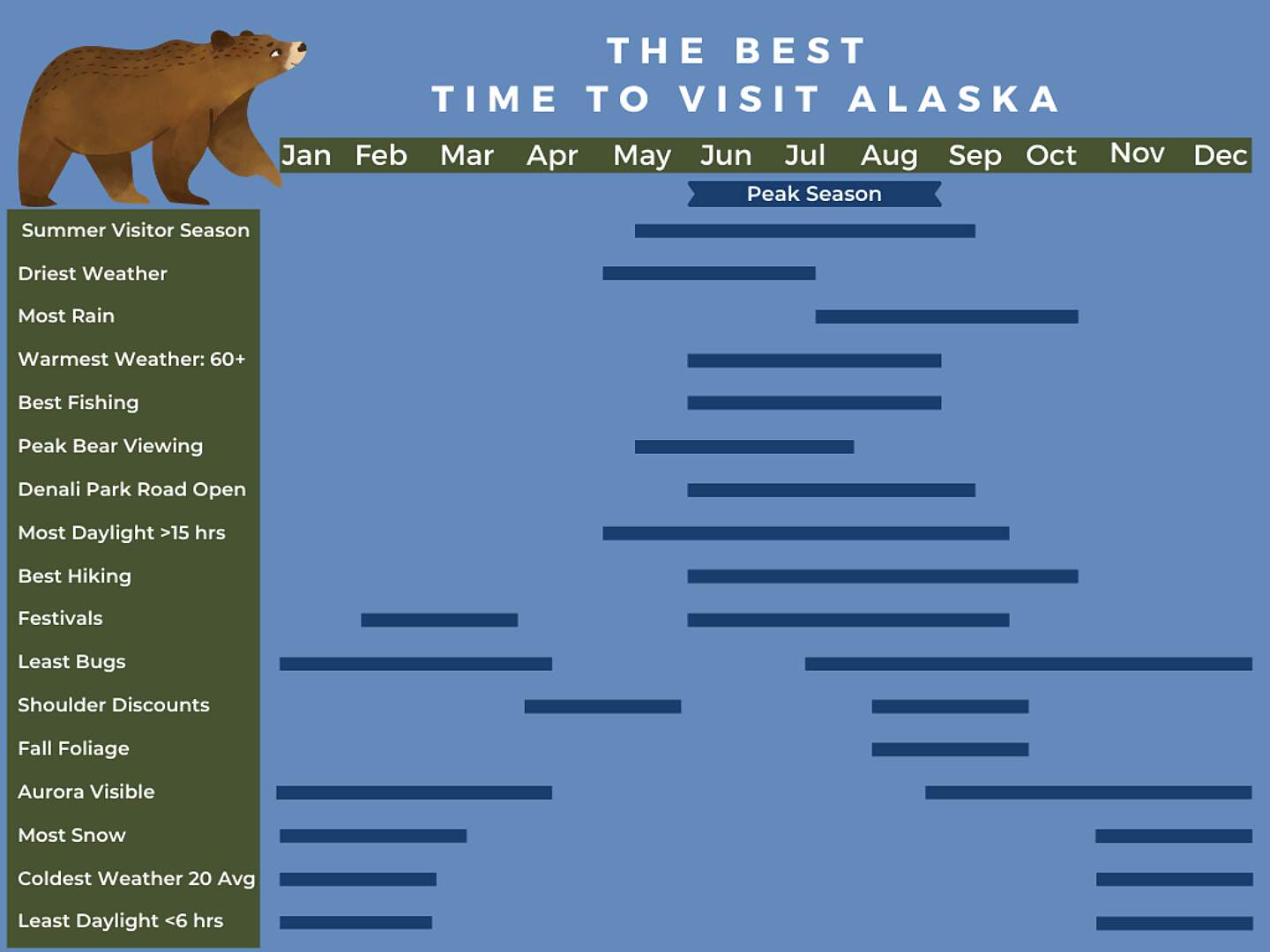
Summer is unequivocally the most popular time to visit Alaska, and for good reason. With the sun gracing the sky for up to 19-24 hours in some regions, these months offer the longest days for exploration and the warmest temperatures, making outdoor activities incredibly appealing. This is the prime time for cruises, particularly along the scenic Inside Passage, where passengers can marvel at tidewater glaciers, lush forests, and abundant marine life. Popular port cities like Ketchikan, Skagway, and Juneau come alive with visitors exploring local culture, shops, and historical sites.
For land-based adventures, summer opens up virtually all of Alaska’s’s vast national parks. Denali National Park is at its most accessible, offering shuttle bus tours deep into the wilderness, increasing your chances of spotting grizzly bears, moose, caribou, and Dall sheep. Hiking trails across the state, from the coastal paths of the Kenai Peninsula to the challenging routes in Chugach National Forest near Anchorage, are snow-free and inviting. Fishing enthusiasts flock to rivers and streams for salmon and halibut, while kayaking and rafting tours are in full swing. Popular cities such as Anchorage and Fairbanks serve as excellent bases for day trips to surrounding attractions, offering a wide array of hotels, restaurants, and cultural experiences.
However, the popularity of summer comes with its caveats. Expect larger crowds, especially at major landmarks and attractions like Glacier Bay National Park or the Mendenhall Glacier. Accommodation prices are at their peak, and hotels, tours, and rental cars often book out months in advance. To secure your preferred resort or guided experience, early booking is not just recommended, it’s essential, especially if you’re planning a luxury travel itinerary or a family trip to popular destinations. Despite the higher costs and crowds, the sheer breadth of activities and the incredible opportunities for wildlife viewing make summer an undeniably appealing choice for many.
Spring (May-Early June): The Shoulder Season Bloom
The spring shoulder season offers a quieter, often more budget-friendly alternative to the bustling summer. As the last vestiges of winter snow begin to melt, Alaska slowly reawakens, revealing a landscape dotted with emerging wildflowers and a sense of renewal. This period, particularly late May and early June, is characterized by fewer crowds, which can translate to more intimate experiences and potentially lower prices on accommodation and tours.
Wildlife starts to become active, with bears emerging from hibernation and migratory birds returning. While full accessibility to all remote areas might still be limited by snow, many popular attractions are open, and cruise lines often offer early-season voyages with attractive rates. Cities like Seward and Homer on the Kenai Peninsula begin their fishing charters, and the smaller towns retain their local charm before the summer rush.
The weather in spring can be a mixed bag, ranging from crisp, sunny days to cooler, rainy spells, so layering is key. However, for travelers seeking a balance between accessibility, affordability, and fewer fellow tourists, spring presents a compelling argument. It’s an excellent time for those interested in photography, offering unique perspectives of the thawing wilderness and burgeoning life. Early booking for hotels is still advisable, especially if you have specific preferences for resorts or suites, but you’ll generally find more flexibility than in peak summer.
Fall (September-October): A Golden Transition and Aurora Hunting
As summer fades, Alaska undergoes a breathtaking transformation into a palette of golds, oranges, and reds. The fall shoulder season, particularly September, is cherished by many for its stunning foliage, especially in interior Alaska where birch and aspen trees ignite with color. Crowds thin significantly, and prices for hotels and tours begin to drop, offering fantastic value for savvy travelers.
Crucially, fall marks the return of darkness, which means the magical Northern Lights begin their spectacular displays. Fairbanks, situated beneath the “aurora oval,” becomes a prime destination for aurora hunters, with several resorts and tour operators specializing in nighttime viewing excursions. This period also coincides with the salmon run, attracting bears to rivers for their last big meal before winter, providing incredible wildlife viewing opportunities.
While many summer tours wind down by mid-September, core attractions remain open, and the Alaska Railroad continues its scenic journeys, offering unparalleled views of the changing landscapes. Weather can be unpredictable, with crisp days giving way to early snowfalls, but the rewards—vibrant scenery, fewer people, and the chance to witness the aurora—make fall an exceptionally rewarding time for a visit, especially for those interested in nature photography and celestial phenomena. For a unique lifestyle travel experience, considering a stay in a cozy cabin or a high-end resort during this time can be particularly enchanting.
Winter (November-April): A Pristine Wonderland and Aurora Capital
Winter in Alaska is a season of profound beauty and thrilling adventure, far removed from the summer crowds. This is the definitive time for experiencing a true Alaskan winter wonderland, with snow-covered landscapes, frozen lakes, and the highest probability of witnessing the Northern Lights. Fairbanks solidifies its reputation as the Aurora Capital of the World during these months, with dark skies and clear nights optimizing viewing conditions.
Activities abound for the winter enthusiast: dog sledding, cross-country skiing, snowmobiling, ice fishing, and even ice sculpting festivals like the World Ice Art Championships in Fairbanks. The legendary Iditarod Trail Sled Dog Race kicks off in early March from Anchorage, drawing crowds to witness this iconic spectacle of endurance and tradition. While many remote areas are inaccessible, major towns and cities offer a robust array of winter tourism activities and accommodations.
Accommodation prices are generally at their lowest, and you’ll find plenty of availability, though specialized resorts offering aurora viewing packages can fill up. Winter travel requires careful planning, with considerations for cold weather gear and potentially limited transportation options for certain routes. However, for those seeking a tranquil, unique experience focused on snow sports, cultural events, and the awe-inspiring Northern Lights, winter offers an unparalleled Alaskan journey. It’s a perfect period for adventurous travelers or those seeking a peaceful, picturesque escape.
Tailoring Your Alaskan Adventure: What to Consider
The “best” time to visit Alaska truly hinges on what you wish to experience. Are you a wildlife enthusiast, an aurora chaser, a cruise aficionado, or a wilderness explorer? Pinpointing your priorities will guide you to the ideal season and help you make the most of your travel. This section dives deeper into specific interests and when to pursue them in Alaska.
Wildlife Watching: When to Spot Alaska’s Iconic Animals
Alaska is a paradise for wildlife lovers, home to bears, moose, caribou, whales, and an incredible array of birds.
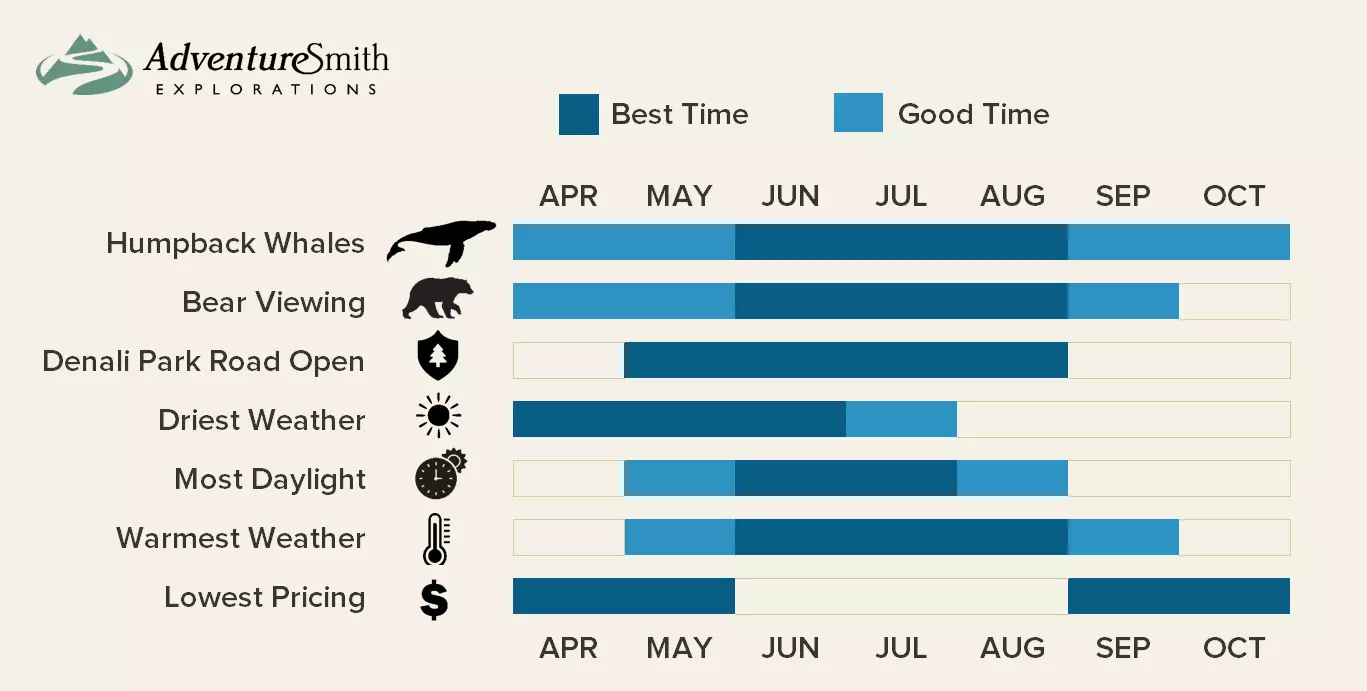
- Bears: The best time to see bears, particularly brown bears (grizzlies), is generally mid-summer through early fall (July to September), when they congregate at salmon-rich rivers. Destinations like Katmai National Park (Brooks Falls) or parts of the Kenai Peninsula are world-renowned for bear viewing. In early summer (June), bears are often seen foraging in coastal areas after emerging from hibernation.
- Whales: Humpback and orca whales are most reliably seen from May through September in coastal waters, especially in the Inside Passage and near Seward or Homer. Gray whales migrate past Alaska’s coast in spring (March-April) and fall (October-November).
- Moose & Caribou: These large mammals can be spotted throughout the warmer months, particularly in national parks like Denali and on the vast tundra. Winter offers unique opportunities to see moose near populated areas, often searching for food.
- Marine Life: Sea otters, seals, and porpoises are prevalent in coastal areas year-round, but easier to spot during warmer months when boat tours are frequent.
Chasing the Northern Lights (Aurora Borealis)
For many, witnessing the surreal dance of the Northern Lights is a bucket-list experience. The optimal time for aurora viewing in Alaska is during the long nights of late August through April.
- Best Locations: Fairbanks is consistently ranked among the best places in the world to see the aurora, thanks to its position directly under the “aurora oval” and its relatively clear winter skies. Other good locations include Anchorage’s outskirts, Denali National Park (outside of peak summer), and remote areas further north like Utqiaġvik (Barrow).
- Tips: Maximize your chances by planning your trip around the new moon for darker skies, checking aurora forecasts, and being prepared to stay up late or venture away from city lights. Many Fairbanks hotels and specialized lodges offer wake-up calls for aurora sightings.
Cruising the Inside Passage and Gulf of Alaska
Cruises are an incredibly popular way to experience Alaska’s’s stunning coastal scenery and charming port towns.
- Peak Cruise Season: June, July, and August offer the warmest weather, calmest seas, and longest daylight hours, making them ideal for exploring the Inside Passage and beyond. This period provides the most options for itineraries and shore excursions to places like Glacier Bay National Park and the Hubbard Glacier.
- Shoulder Season Advantages: May and September cruises often come with lower fares, fewer crowds, and unique benefits like early spring wildlife or fall foliage. While the weather can be cooler, the savings and more serene experience can be very appealing.
Hiking and Outdoor Exploration
Alaska’s’s vast wilderness offers countless opportunities for hiking, backpacking, and other outdoor pursuits.
- Best Months: July and August provide the most reliable conditions for hiking, with trails largely clear of snow, mild temperatures, and long daylight. This is when parks like Denali, Kenai Fjords National Park, and areas within the Tongass National Forest are fully accessible.
- Spring & Fall: Early June and September can also be excellent for hiking, especially in lower elevations, with fewer bugs and beautiful scenery. Always check trail conditions as snow can linger at higher altitudes.
Planning Your Alaskan Stay: Accommodation and Logistics
Regardless of when you choose to visit, careful planning of your accommodation and transportation will significantly enhance your Alaskan journey. Alaska is a vast state, and understanding the logistics is crucial for a smooth and enjoyable trip, whether you’re embarking on a budget travel adventure or a luxurious escape.
Accommodation Choices and Booking Tips
Alaska offers a diverse range of accommodations to suit every preference and budget, from rustic cabins and charming bed & breakfasts to modern hotels, luxury resorts, and remote wilderness lodges.
- Hotels & Resorts: In major cities like Anchorage, Fairbanks, and Juneau, you’ll find a wide selection of hotels, including well-known brands. For a more upscale experience, consider resorts that offer comprehensive amenities and guided tours. Accommodation booking platforms are essential for comparing options and reviews.
- Lodges & Cabins: For a more immersive wilderness experience, consider staying in a remote lodge or a cozy cabin. These often offer unique packages that include meals and guided activities.
- Booking in Advance: This cannot be stressed enough, especially for summer travel. Popular hotels, lodges within or near national parks (like Denali), and specialized tours can book out six months to a year in advance. For budget travel, booking early can also secure better rates. Shoulder and winter seasons offer more flexibility and often better deals on accommodations.
- Long-term Stay: If you plan an extended exploration, consider apartments or villas in larger towns for a more local lifestyle.
Travel and Transport Within Alaska
Given Alaska’s’s size, getting around requires strategic planning.
- Rental Cars: Ideal for independent exploration, especially along paved highways like the Parks Highway connecting Anchorage and Fairbanks with Denali. Reserve well in advance during summer, as availability can be limited and prices high.
- Alaska Railroad: Offers stunningly scenic journeys between major destinations like Seward, Anchorage, Talkeetna, and Fairbanks. It’s a fantastic way to relax and take in the landscapes, especially during summer and early fall.
- Ferries (Alaska Marine Highway System): A unique way to explore coastal communities and the Inside Passage, offering flexibility and a genuine Alaskan experience. Book vehicle space far in advance.
- Bush Planes: For reaching truly remote areas and national parks like Katmai, small air taxis are often the only option. These flightseeing tours also provide incredible aerial views of glaciers and mountains.
Budgeting Your Trip
The cost of an Alaskan vacation can vary wildly.
- Peak Season (Summer): Expect higher prices for flights, accommodation, and tours due to high demand. Booking everything as early as possible can help mitigate costs.
- Shoulder Seasons (Spring & Fall): Generally offer better value, with reduced prices and package deals. This is often the sweet spot for budget-conscious travelers seeking a rich experience without the peak season price tag.
- Winter: Can be the most affordable time to visit, especially if you’re primarily focused on aurora viewing and winter sports. However, specialized tours can still be significant expenses.
- Consider Lifestyle: Whether you’re planning a luxury travel itinerary with private guides and top-tier resorts, or a budget travel adventure with camping and hostel stays, Alaska can cater to various financial plans. Always factor in transportation costs, as internal travel can add up.
Ultimately, the best time to visit Alaska is whenever your personal desires align with what each magnificent season has to offer. Whether you envision a summer filled with endless sunlight and wildlife encounters, a fall chase for the Northern Lights amidst golden landscapes, or a serene winter adventure, Alaska awaits with an experience unlike any other. By carefully considering your priorities and leveraging the insights provided, you can craft a journey that promises to be nothing short of extraordinary.