
Deciding on the perfect time to experience the vibrant energy of Chicago involves a nuanced understanding of its seasonal offerings, from the crisp air of autumn to the sun-drenched days of summer. This dynamic metropolis, nestled on the shores of Lake Michigan, boasts a unique charm that transforms with each passing season, offering a distinct set of attractions, activities, and overall atmosphere. Whether you’re drawn by its world-class museums, iconic architecture, burgeoning culinary scene, or lively festivals, understanding the optimal visiting period can significantly enhance your trip. This guide delves into the nuances of each season, helping you pinpoint the ideal window for your Chicago adventure, catering to various travel styles and interests, from luxury seekers to budget-conscious families.
Embracing the Vibrancy of Summer: June to August
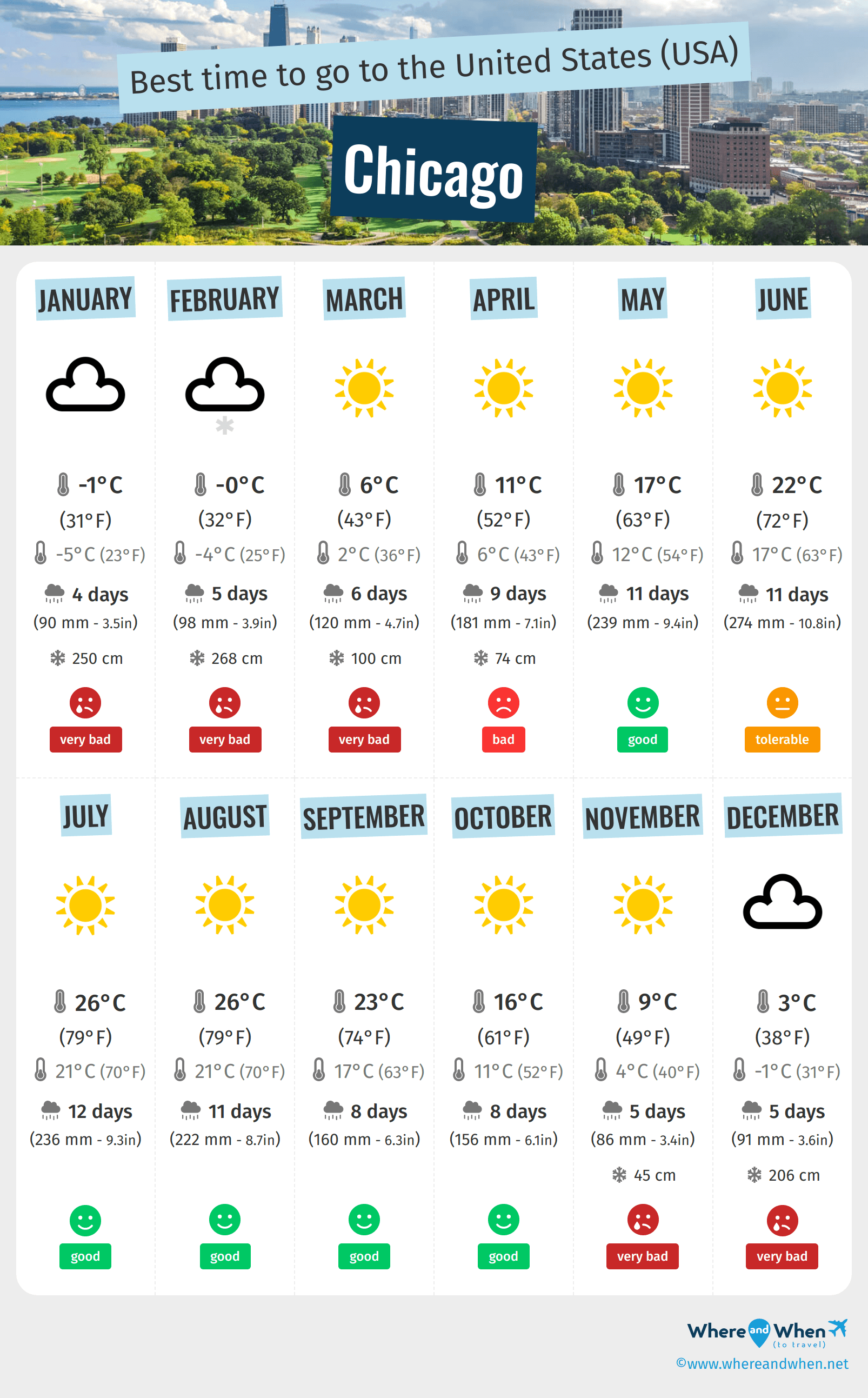
Summer in Chicago is an explosion of life and activity. The city truly comes alive, shedding its winter coat for long, warm days perfect for exploring its outdoor attractions and indulging in its lively street culture. This is arguably the most popular time to visit, and for good reason. The weather is generally pleasant, with average temperatures hovering in the comfortable mid-70s Fahrenheit, though occasional heatwaves can push them higher. The longer daylight hours mean more time for sightseeing and enjoying the city’s many outdoor pursuits.
Peak Season Perks and Considerations
The summer months are synonymous with an abundance of festivals, concerts, and outdoor events. Grant Park transforms into a hub of activity with major music festivals like Lollapalooza, drawing massive crowds and showcasing a diverse range of musical talent. Numerous neighborhood festivals pop up throughout the city, offering local flavors, crafts, and entertainment.
Navy Pier is a quintessential summer destination, buzzing with activity. Families can enjoy the Centennial Wheel, carnival games, and numerous dining options. The pier also serves as a departure point for scenic Lake Michigan boat tours, offering breathtaking views of the Chicago skyline.
For sports enthusiasts, summer means catching Chicago Cubs games at the historic Wrigley Field or Chicago White Sox games at Guaranteed Rate Field. The electric atmosphere of a baseball game is a quintessential Chicago experience.
However, the popularity of summer also means higher prices for hotels and flights, and larger crowds at major attractions. If you prefer a more relaxed pace and wish to avoid the peak tourist rush, booking well in advance is highly recommended. Consider looking into apartments or long-term stay options outside the immediate downtown core for potentially better value.
Outdoor Adventures and Culinary Delights
Summer is the prime time for exploring Chicago’s renowned parks. Millennium Park, home to the iconic Cloud Gate (affectionately known as “The Bean”), offers stunning sculptures, interactive art installations, and beautiful gardens. Lincoln Park, stretching along the lakefront, features a free zoo, botanical gardens, and numerous recreational areas.
The lakefront itself becomes a playground. Renting bikes and cycling along the Lakefront Trail provides unparalleled views of the city and the lake. Kayaking, paddleboarding, and swimming are also popular activities, weather permitting.
Chicago’s culinary scene thrives in the summer. Outdoor seating at restaurants becomes abundant, allowing diners to soak in the city’s ambiance. From renowned Michelin-starred establishments to casual food trucks and iconic deep-dish pizza joints like Lou Malnati’s Pizzeria, there’s something to satisfy every palate. Exploring the diverse neighborhoods, each with its own unique culinary identity, is a rewarding summer pursuit. Consider a food tour to discover hidden gems and local favorites.
The Golden Glow of Autumn: September to October
As the summer heat subsides, Chicago enters a phase of breathtaking beauty and a more relaxed pace. Autumn, particularly September and October, is often considered the sweet spot for visiting this Midwestern gem. The weather is generally crisp and pleasant, with average temperatures in the 50s and 60s Fahrenheit, making it ideal for extensive sightseeing and outdoor exploration without the intense summer heat or the biting cold of winter.
A Palette of Colors and Cultural Riches
The most striking aspect of visiting Chicago in the fall is the visual spectacle. The city’s numerous parks and tree-lined streets ignite with vibrant hues of red, orange, and yellow as the leaves change. Lincoln Park and Jackson Park offer particularly stunning displays, providing a picturesque backdrop for leisurely strolls and photography.
This season also sees a continued abundance of cultural events, though perhaps on a slightly smaller scale than the summer music festivals. The Chicago International Film Festival typically takes place in October, showcasing cinematic masterpieces from around the globe. Various art fairs and gallery openings also dot the calendar, appealing to those with an interest in visual arts.
For history and architecture buffs, autumn is an excellent time. The cooler weather makes it more comfortable to embark on walking tours that highlight Chicago’s impressive architectural heritage, from early skyscrapers to modern marvels. You can admire the Tribune Tower and the Wrigley Building without the discomfort of extreme temperatures.
Enjoying Fewer Crowds and Cozy Vibes
One of the major advantages of visiting in the fall is the noticeable decrease in crowds compared to the summer months. This means shorter lines at popular attractions like the Art Institute of Chicago and the Field Museum. Hotels may also offer more competitive pricing, especially if you book outside of major holiday weekends. This makes it a great time for budget travel or for those seeking a more intimate experience.
As the evenings grow cooler, Chicago’s indoor offerings become even more appealing. The city’s world-class museums, theaters, and live music venues provide ample entertainment. Cozying up in a warm cafe or enjoying a hearty meal in a welcoming restaurant becomes a delightful part of the experience. The theater district is often buzzing with new productions.
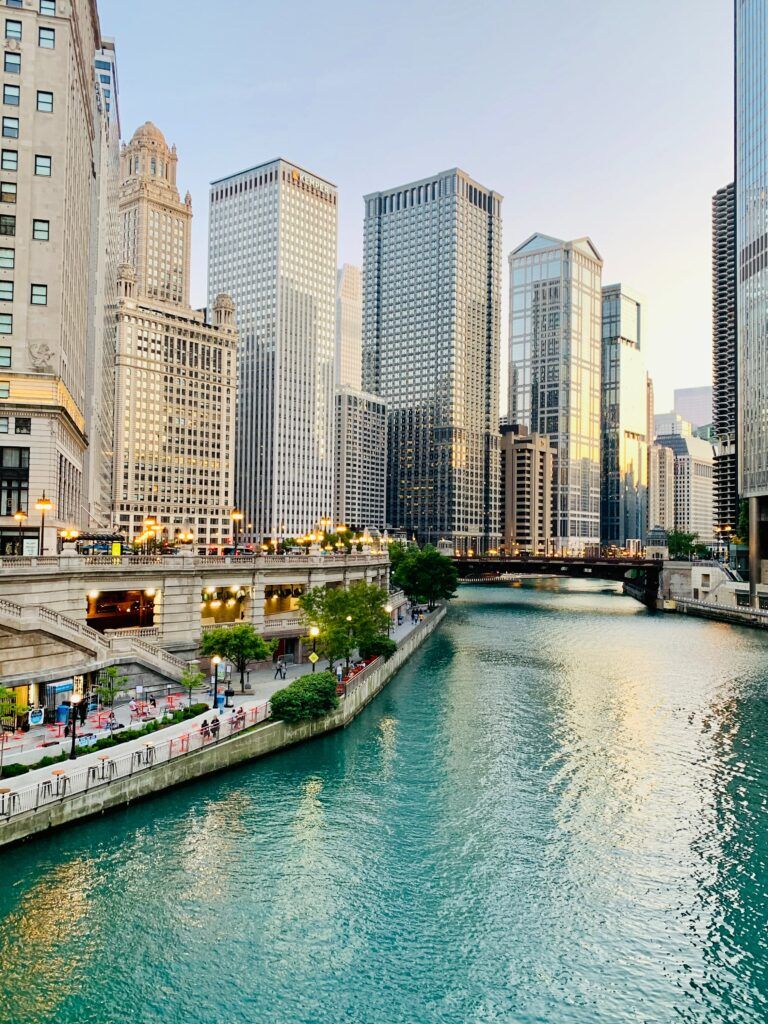
The culinary scene continues to shine, with menus shifting to embrace heartier, seasonal ingredients. Think roasted root vegetables, comforting stews, and delicious autumnal desserts. It’s the perfect time to indulge in Chicago’s diverse food scene, perhaps exploring the West Loop for its trendy eateries or Pilsen for its vibrant Mexican food culture.
The Quiet Charm of Winter: November to February
Chicago in winter is a different beast altogether – a city transformed by snow and a palpable sense of cozy resilience. While it’s undeniably cold, with temperatures frequently dipping below freezing, visiting during the winter months offers a unique set of rewards for those willing to brave the chill. It’s a season characterized by fewer tourists, lower accommodation prices, and a magical, festive atmosphere, especially around the holidays.
Festive Lights and Indoor Wonders
The holiday season, from late November through December, imbues Chicago with a special sparkle. The Magnificent Mile is adorned with festive lights, and numerous holiday markets pop up, offering unique gifts and seasonal treats. Millennium Park hosts the annual Christkindlmarket, a beloved German-inspired outdoor market that brings a European charm to the city. Ice skating at the McCormick Tribune Ice Skating Rink in Millennium Park is a classic winter activity.
Beyond the festive cheer, winter is an excellent time to delve into Chicago’s exceptional indoor attractions. The Art Institute of Chicago, with its vast collection, can easily fill days of exploration. The Field Museum offers a journey through natural history, while the Shedd Aquarium and the Adler Planetarium provide fascinating insights into the natural world and the cosmos. These institutions are perfect escapes from the cold.
For those interested in architecture, the winter can actually offer clearer views of the city’s magnificent buildings without the haze of summer. Guided indoor tours of historic buildings or architectural boat tours (though limited in winter) can still be undertaken.
Budget-Friendly Travel and Cozy Experiences
Winter is undeniably the off-peak season in Chicago, which translates into significant savings on hotels and often on flights. This makes it an attractive period for budget travel or for extending your stay. You’re likely to find better deals on luxurious suites or even villas if you’re looking for a more opulent experience at a reduced cost.
The quieter streets and attractions allow for a more intimate and relaxed exploration of the city. You can wander through neighborhoods at your own pace, perhaps stopping for a warm drink at a charming cafe or enjoying a leisurely meal without feeling rushed. Accommodation options like cozy bed and breakfasts or serviced apartments can provide a welcoming retreat from the cold.
Chicago’s culinary scene is particularly inviting during the colder months. It’s the perfect time to savor rich, comforting dishes and explore the city’s renowned restaurant scene. From classic Chicago-style hot dogs to gourmet dining experiences, the focus shifts to warm, hearty meals. The plethora of jazz clubs and live music venues also offers a vibrant nightlife that is perfect for escaping the winter chill.
The Reawakening of Spring: March to May
Spring in Chicago is a season of gradual awakening, a welcome transition from the starkness of winter to the full bloom of summer. While early spring can still be quite chilly and unpredictable, with lingering snow and brisk winds, by May, the city begins to shed its winter layers and embrace warmer temperatures and a renewed sense of energy. This transitional period offers a unique blend of lingering winter coziness and burgeoning summer vibrancy, often with fewer crowds and more affordable prices than the peak summer months.
Budding Attractions and Pleasant Exploration
As the snow melts and the temperatures rise, Chicago’s public spaces begin to reawaken. Parks start to show hints of green, and outdoor cafes begin to set up their tables. By April and May, the weather becomes increasingly pleasant, with average temperatures ranging from the 40s to the 60s Fahrenheit, making it an ideal time for exploring the city on foot or by bike.
The lakefront starts to come alive again, though swimming might still be too cold for most. However, boat tours begin to resume their schedules, offering a fantastic way to see the skyline from the water. The Navy Pier also sees a gradual increase in activity, with its attractions and dining options becoming more accessible.
Museums remain a strong draw throughout spring, offering shelter from any lingering cool days. The Field Museum, the Shedd Aquarium, and the Adler Planetarium are always excellent choices. The Art Institute of Chicago also hosts special exhibitions that can be a highlight of a spring visit.
Outdoor Activities and Culinary Adventures
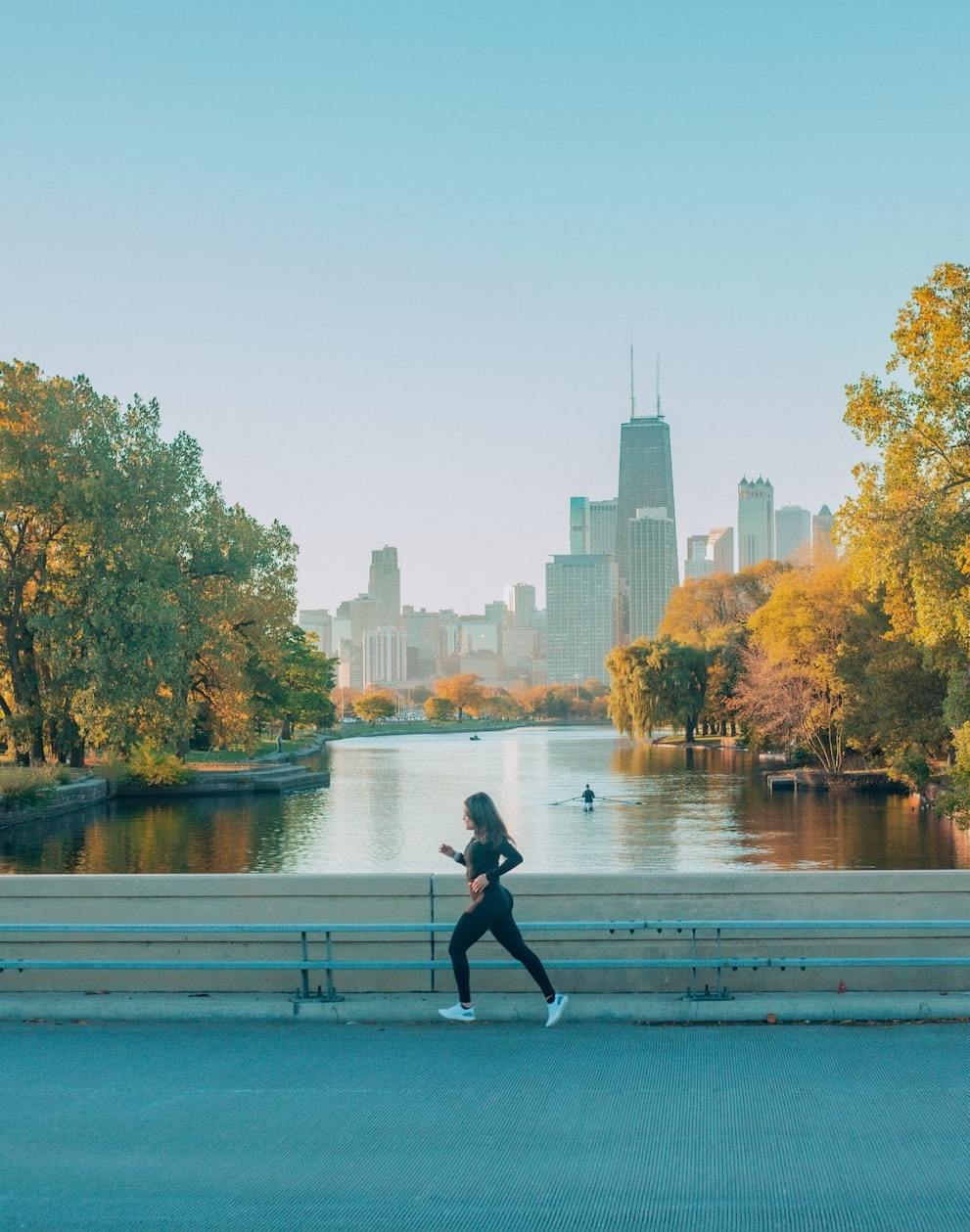
Spring is a fantastic time to explore Chicago’s renowned architecture. Guided walking tours become more comfortable, allowing you to appreciate the city’s stunning buildings and learn about its rich history without the discomfort of extreme weather. The Chicago Riverwalk starts to bustle with activity, providing scenic views and access to various establishments.
As outdoor seating options reappear, Chicago’s vibrant food scene becomes even more enjoyable. Spring menus often feature fresh, seasonal ingredients, offering a lighter and more delicate culinary experience compared to the hearty fare of winter. Exploring diverse neighborhoods for their unique culinary offerings, from the innovative restaurants in the West Loop to the authentic ethnic cuisines found in areas like Chinatown, is a delightful spring activity.
While the major summer festivals haven’t yet kicked off, spring still offers a variety of cultural events and smaller festivals. This period often presents a good balance for travelers seeking to experience the city’s energy without the overwhelming crowds and higher prices of peak summer. It’s a great time for family trips or for those who appreciate a more relaxed pace of exploration. Looking for accommodation during this shoulder season can often yield good deals, making it an attractive option for both luxury travel and more budget-conscious visitors.
In conclusion, the “best” time to visit Chicago is subjective and depends entirely on your priorities. Summer offers unparalleled vibrancy and a packed events calendar but comes with crowds and higher costs. Autumn provides a beautiful, temperate experience with fewer tourists and stunning foliage. Winter offers a magical, festive atmosphere and significant savings, perfect for those who don’t mind the cold. Spring presents a city awakening, with pleasant weather and a growing list of activities, often at more accessible prices. Regardless of when you choose to visit, Chicago promises a rich tapestry of experiences, from its iconic landmarks and world-class museums to its exceptional food and diverse lifestyle offerings.